Home›
Industrial Chemicals
Industrial Chemicals
Industrial and specialty chemicals used in manufacturing, processing, treatment, and maintenance applications across sectors such as oil & gas, water treatment, pharmaceuticals, and metal processing.


















Frequently Asked Questions
- Which chemical categories does Himalay source?
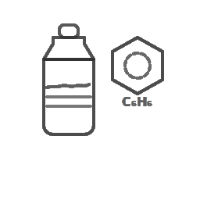
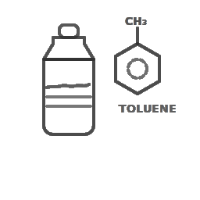
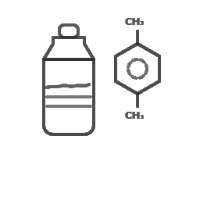
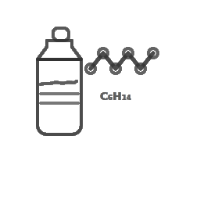
- Industrial chemicals and compounds (acids, alkalis, inorganic salts), laboratory chemicals and reagents, catalysts, fertilisers and agricultural nutrients (urea, DAP, NPK, micronutrients), polymers and plastics (ABS, PP, PE, PVC, engineering thermoplastics, masterbatches), solvents (aromatic, aliphatic, oxygenated), lubricants (base oils, finished oils, greases), adhesives and sealants, and specialty chemicals for pharmaceutical, electronic, and water-treatment applications.
- Can Himalay coordinate REACH registration for EU imports?
- Yes. Substances above 1 tonne per year per importer require REACH registration with ECHA. For manufacturers without an existing registration, Himalay coordinates Only Representative (OR) appointments with established EU-based ORs, registration dossier preparation, and CLP/GHS compliant labelling. ECHA has increased dossier compliance checks through 2025–2026, so we ensure documentation is current before first shipment. Buyers with an existing REACH registration can supply under their own registration — we match the manufacturer's substance to the buyer's registered portfolio.
- What packaging and hazmat handling does Himalay support?
- Drums (HDPE 25–220L, steel 200L), IBC totes (1000L), bags (25–50kg, jumbo bags up to 1 tonne), ISO tanks (20 and 40 ft, for bulk liquid), and bulk dry containers. Hazardous materials are packed, labelled, and documented per IMDG Code for sea freight or IATA DGR for air freight. UN-spec packaging, placards, shipper's declaration, and emergency response documentation are included for all DG shipments.
- How are quality and purity verified?
- Every shipment includes a batch-specific Certificate of Analysis (CoA) against the agreed specification — typical parameters include assay/purity, moisture content, heavy metals, specific impurities, and physical properties relevant to the substance. On request, Himalay arranges third-party pre-shipment testing at SGS, Bureau Veritas, Intertek, or an equivalent accredited laboratory. Retained samples are held at the manufacturer for the duration of the shelf life, allowing dispute resolution if the buyer's goods-receipt test disagrees with the CoA.
- What's the typical MOQ for bulk chemicals?
- Varies widely. Commodity chemicals (caustic soda, soda ash, basic solvents): often one 20 ft container (approximately 18–22 MT) for competitive pricing, with LCL options at a premium. Specialty chemicals and laboratory reagents: typically 25–500 kg depending on production lot size. Polymers and plastics: typically 10–22 MT (full container). Fertilisers: 25–100 MT. Exact MOQ is confirmed per line item in the formal quote.
- How does Himalay handle SASO SABER for GCC shipments?
- For Saudi Arabia, every chemical shipment requires SABER PCoC (Product Certificate of Conformity, valid 1 year per product model) and SCoC (Shipment Certificate of Conformity, valid per consignment). Himalay coordinates with SASO-authorised Notified Bodies to obtain both, including arranging any required product testing. Typical processing time is 5–15 working days from submission, which we factor into shipment scheduling. For UAE, ECAS registration applies to regulated product categories; we confirm applicability at quoting stage.