Bioethanol
Source bioethanol from India's verified manufacturers and exporters on Himalay. Browse the full range for industrial and export applications.
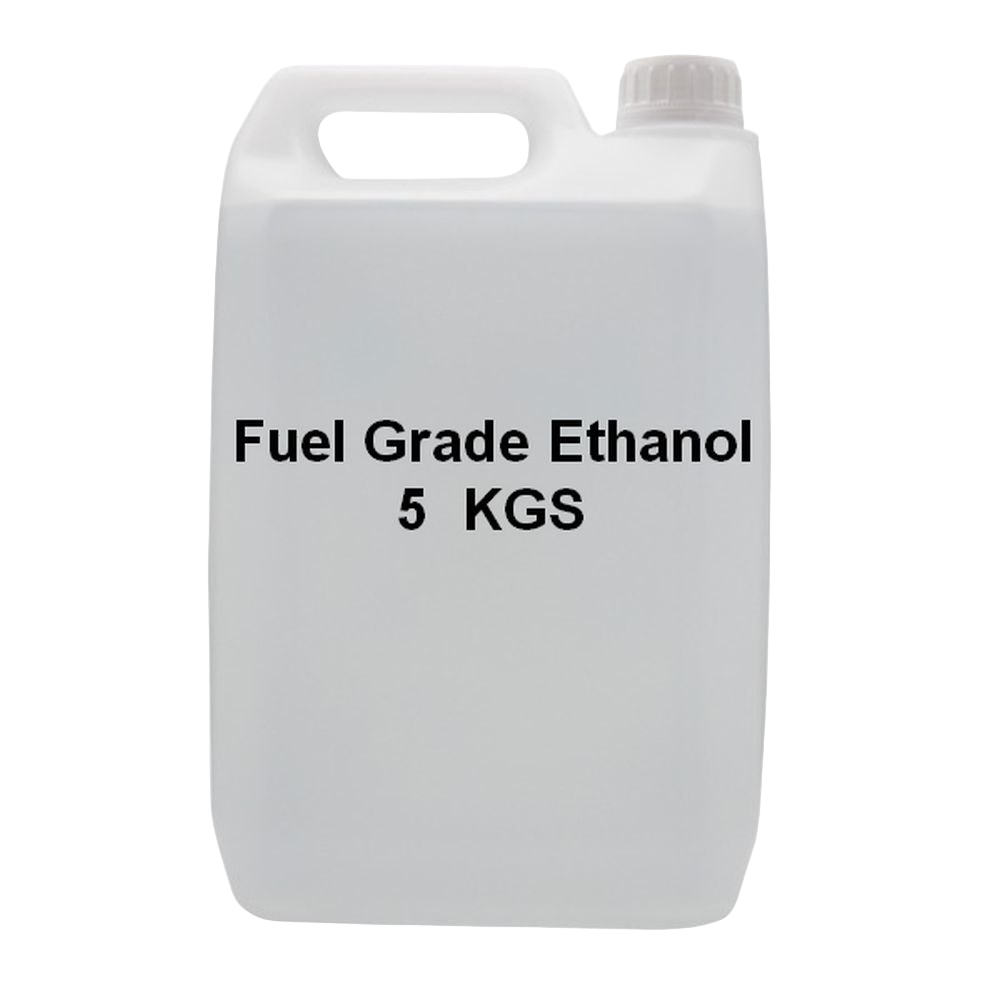
About Bioethanol
Bioethanol is ethyl alcohol produced by fermentation of sugar, starch or cellulosic biomass, used as a renewable gasoline blendstock, an industrial solvent and a feedstock for chemicals. As a transport fuel it is blended into gasoline at ratios such as E5, E10 and E85, and as an industrial commodity it is supplied in denatured and undenatured grades. For EU and GCC buyers, bioethanol is bought against fuel- or industrial-grade specifications and a sustainability declaration where required.
Grades are defined by purity and intended use. Fuel-grade bioethanol is commonly specified against EN 15376 (Europe) or ASTM D4806 (US), covering ethanol content, water, methanol, acidity, solvent-washed gum and denaturant. Industrial and extra-neutral grades are specified by ethanol assay (for example 96% or absolute/anhydrous 99.5%+), water content and impurity limits. Key parameters include assay, water content, methanol and acidity. HS codes are provided on documentation; for EU fuel use, a proof of sustainability under the Renewable Energy Directive is typically required.
Bioethanol ships in ISO tanks, flexitanks, drums (200-210 L) and IBCs. It is a flammable liquid shipped under its assigned UN number per ADR/IMDG.
Compliance typically includes SDS provision, CLP/GHS labelling, REACH registration or Only Representative routing for EU entry, SABER/SASO registration for Saudi Arabia, and sustainability certification (for example ISCC) for fuel use, coordinated where required.
Himalay's verified manufacturer and exporter partners supply bioethanol with CoA per batch, SDS, REACH/CLP compliance coordinated for EU, GHS labelling, and SABER for Saudi Arabia handled as part of the standard order flow.