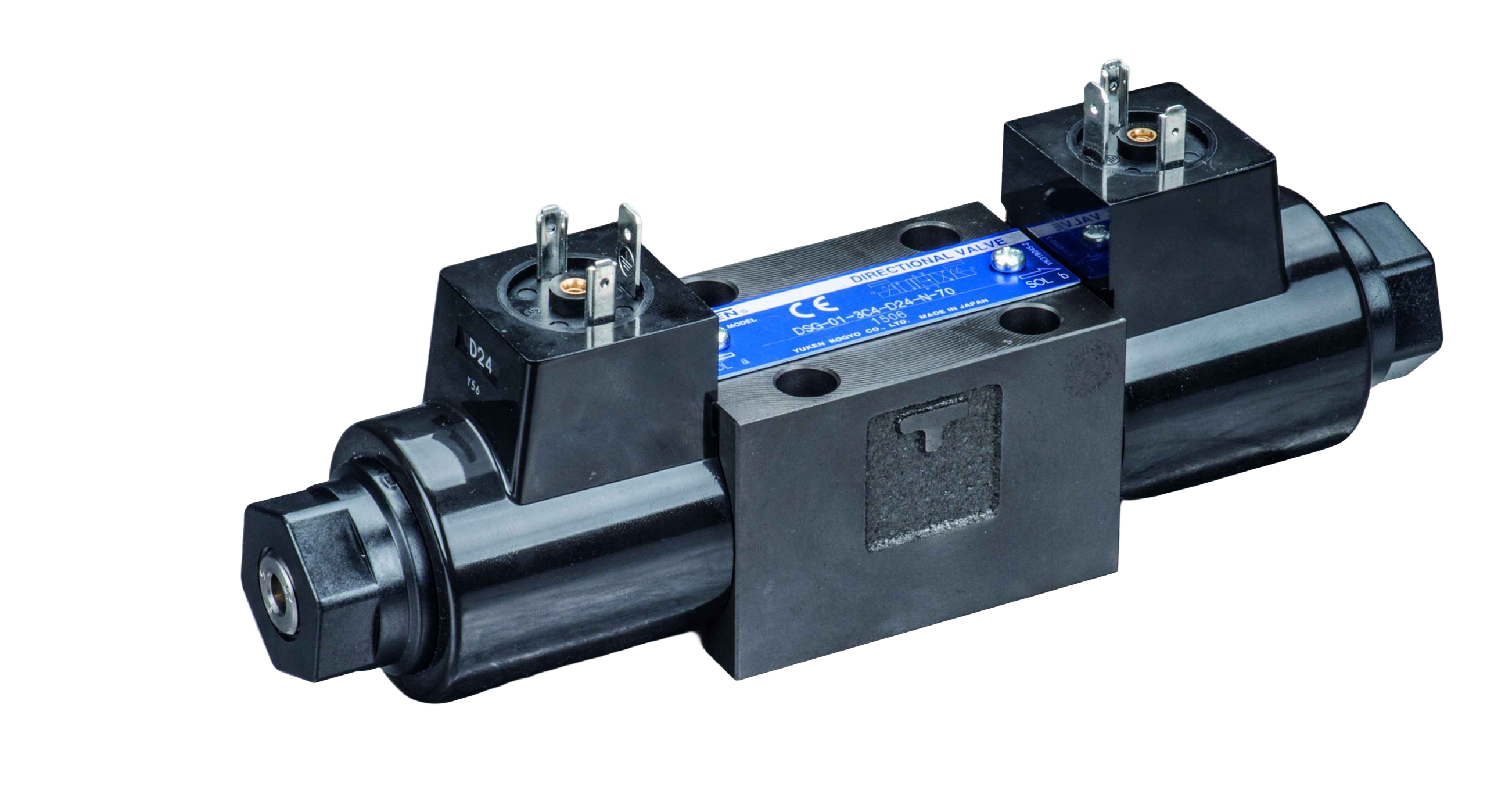
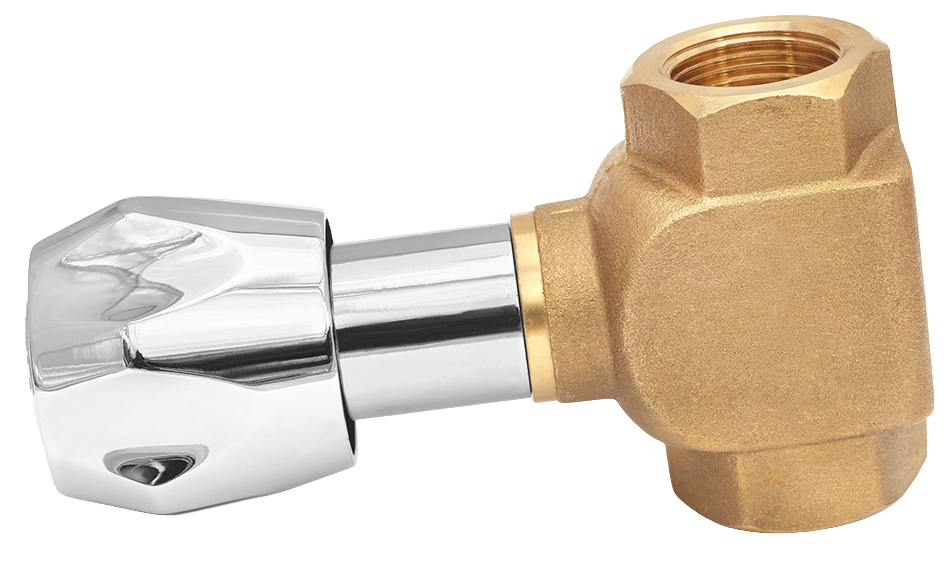
One principle, many geometries
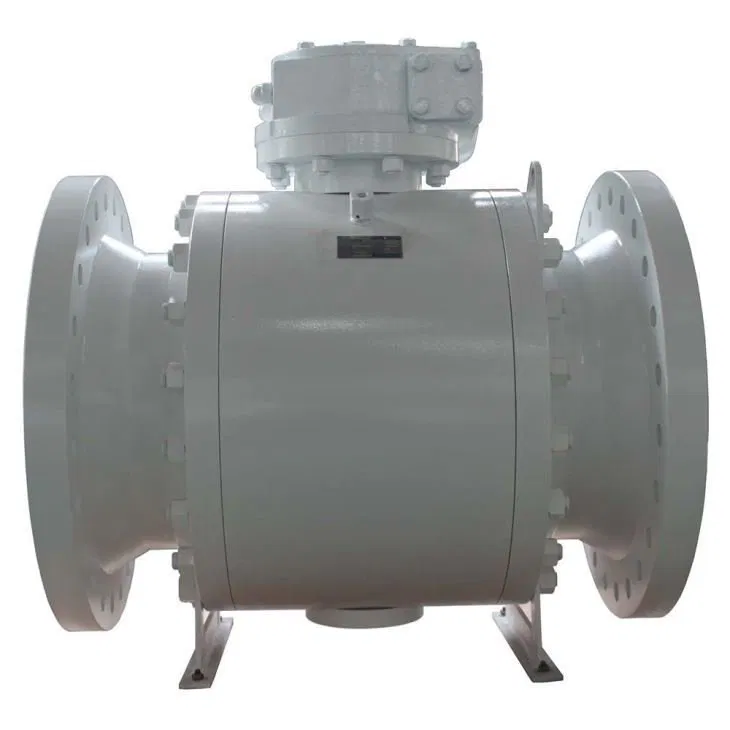
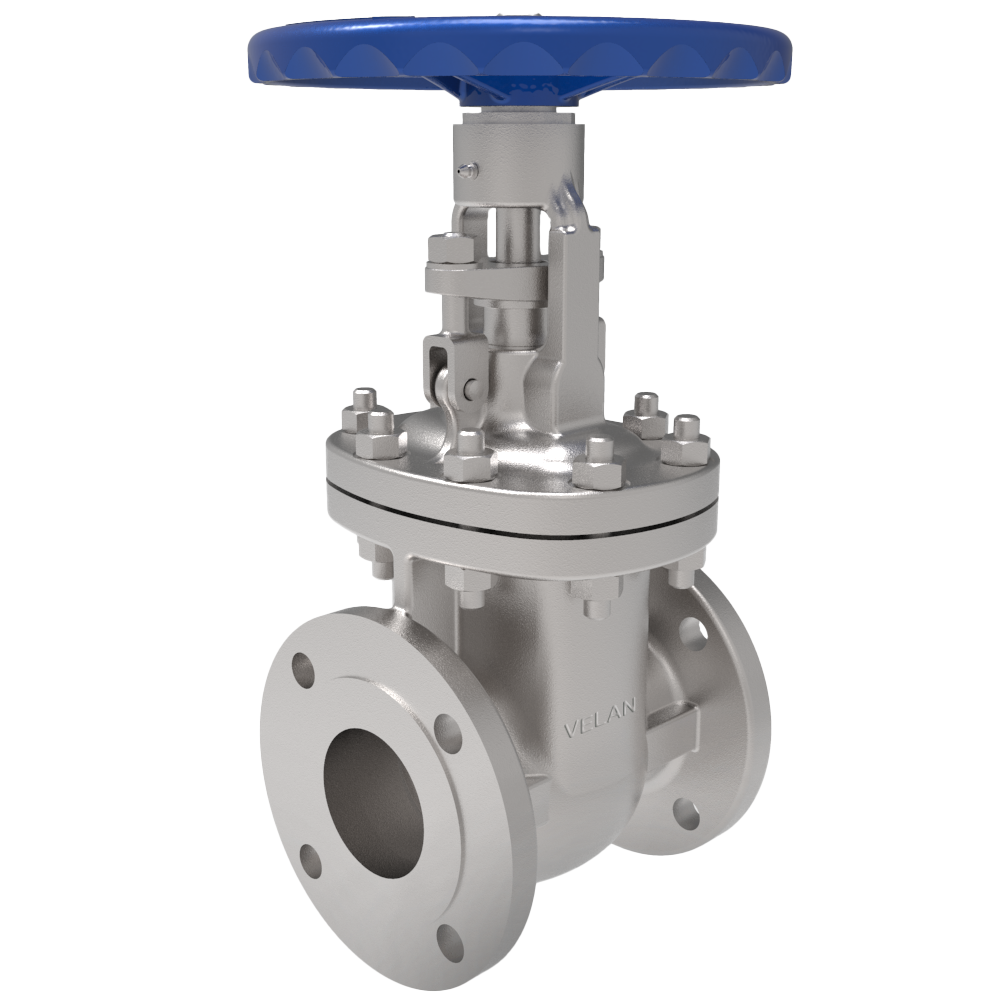
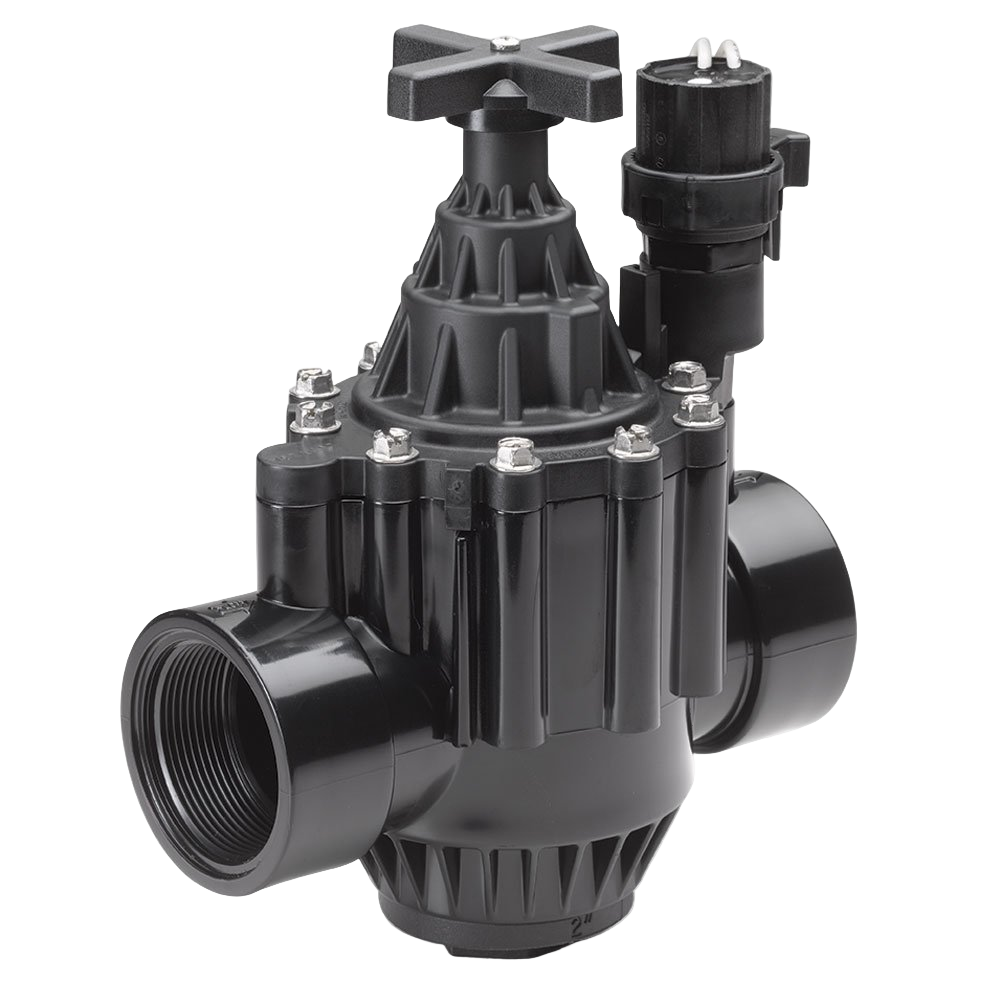
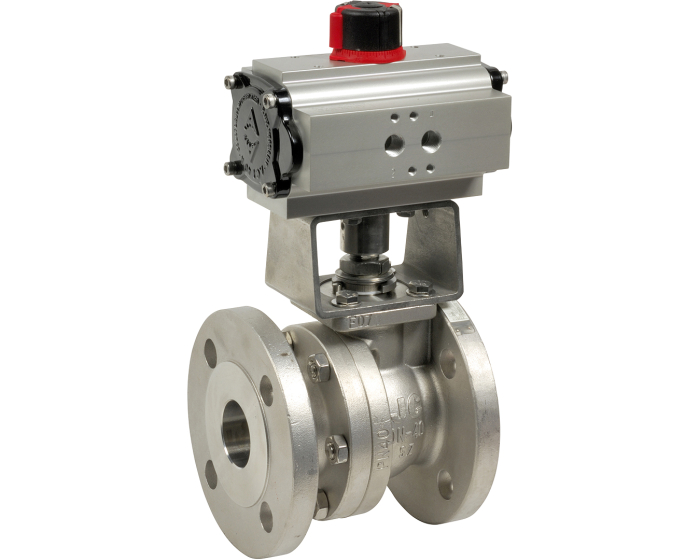
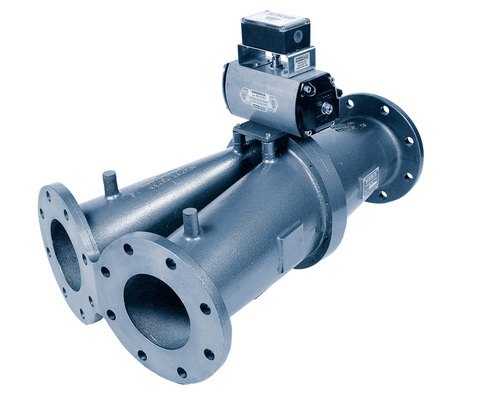
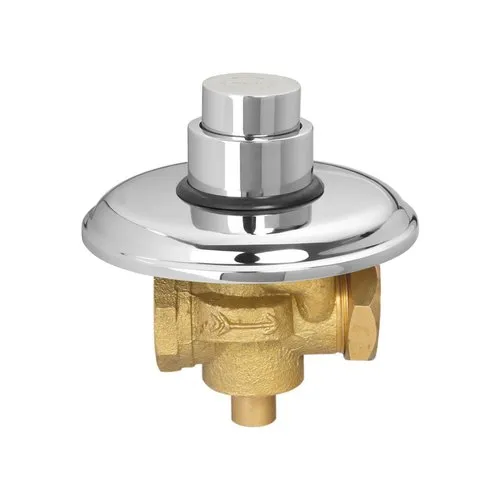
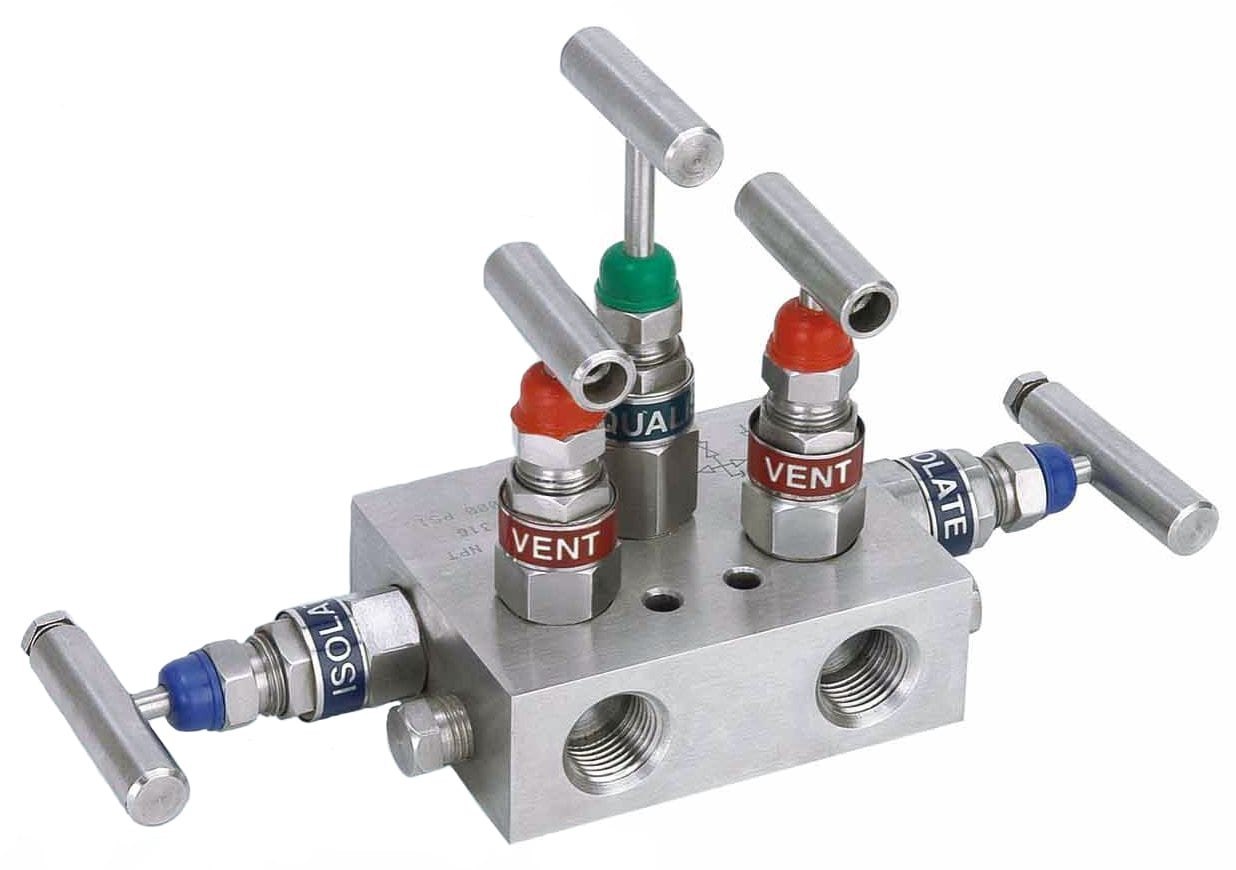
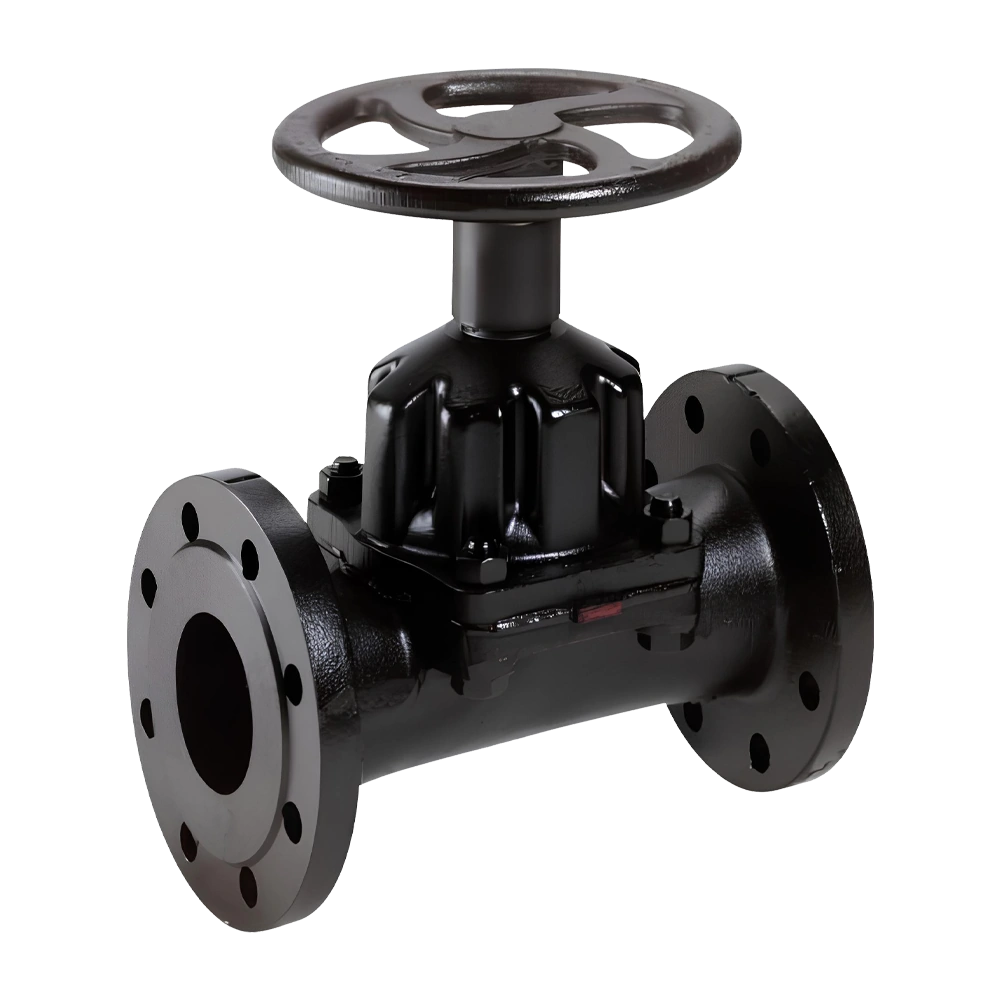
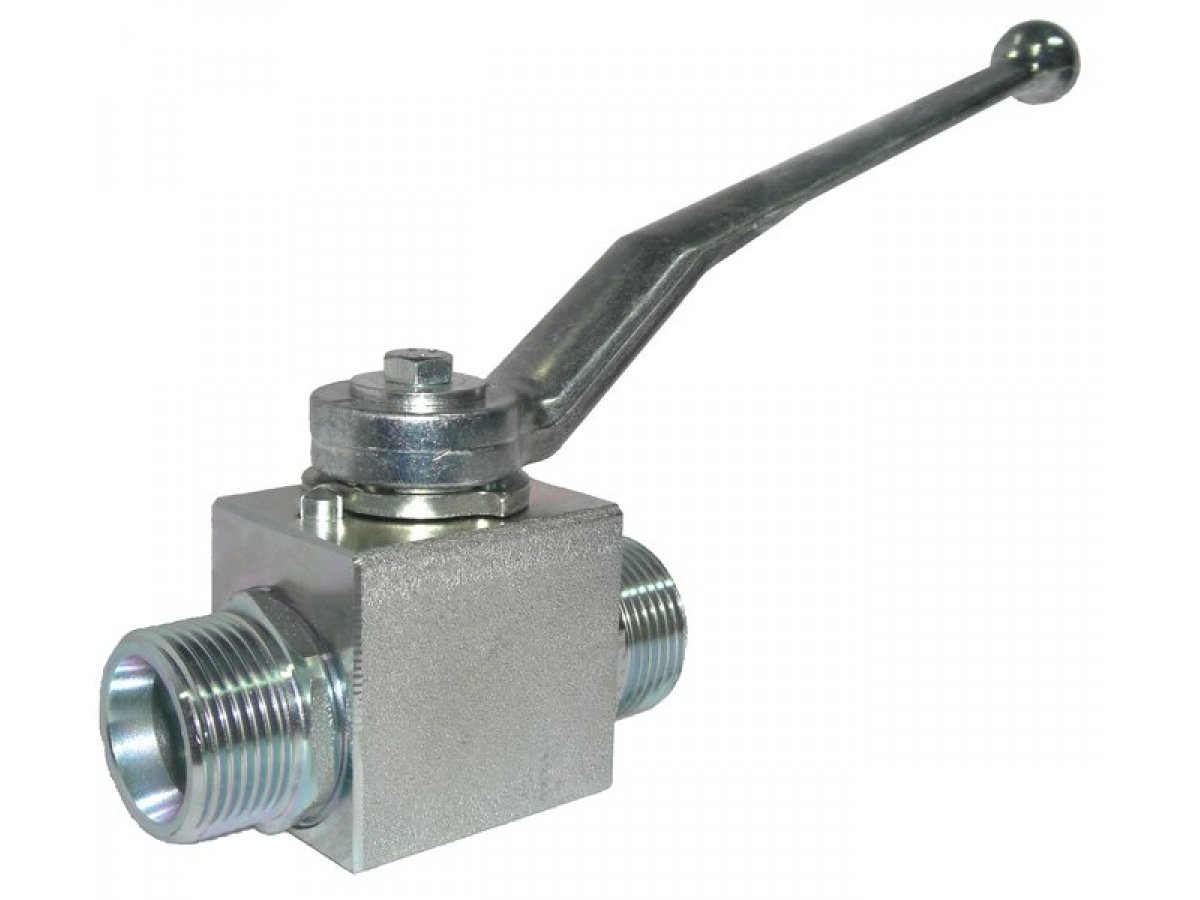
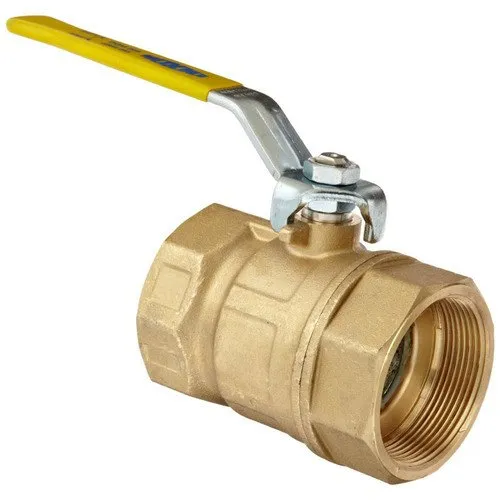
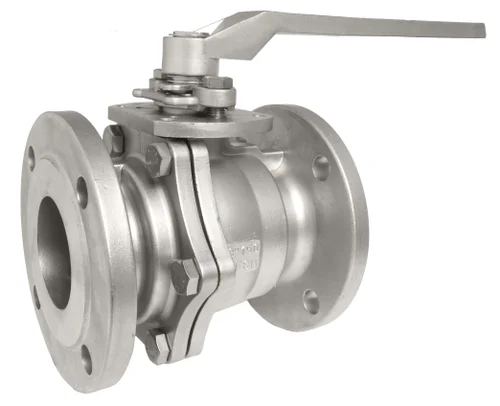
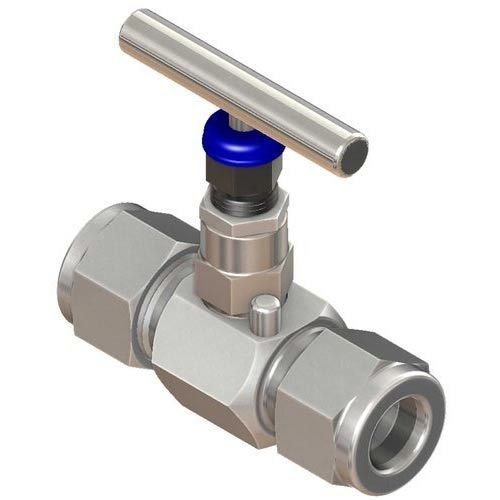
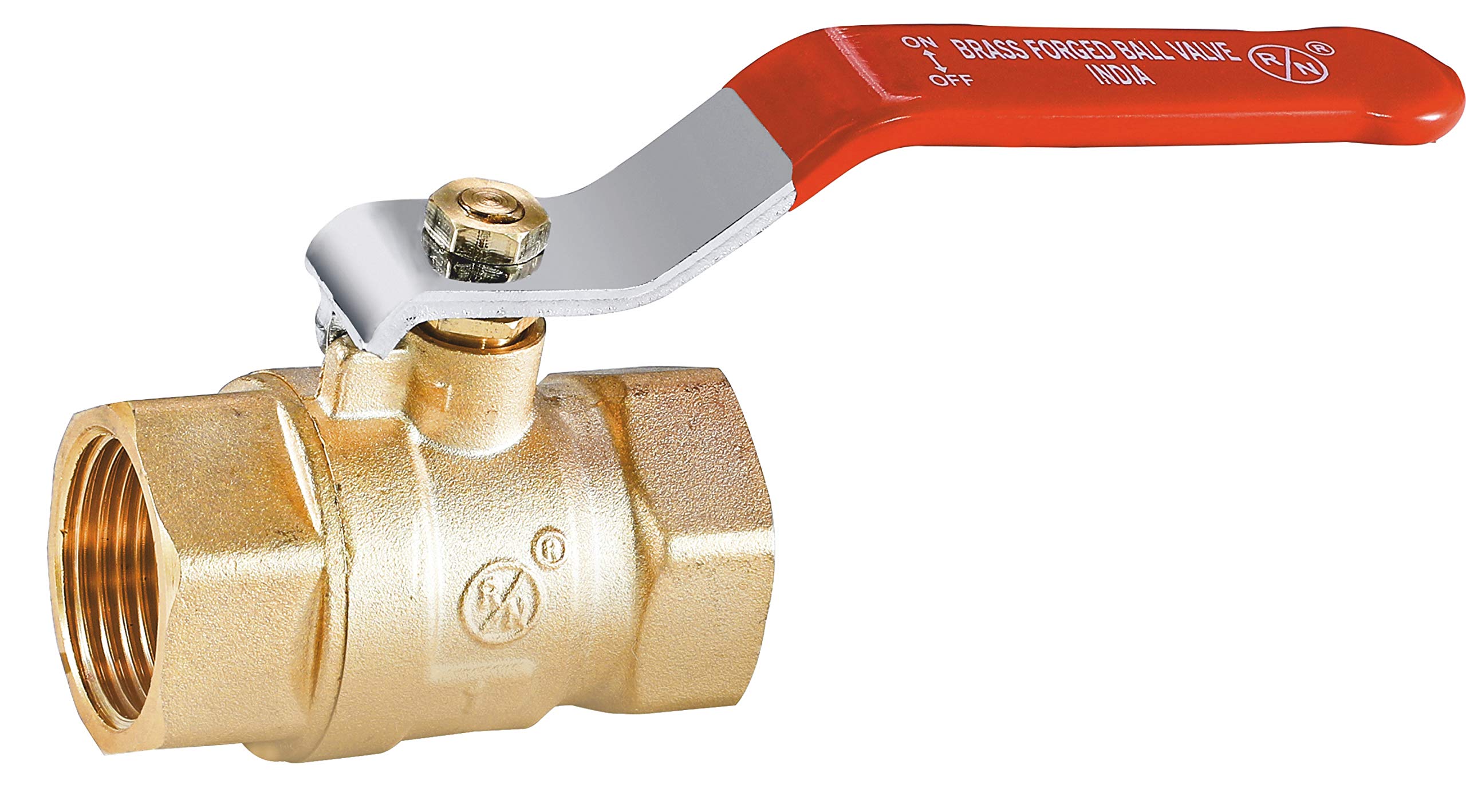
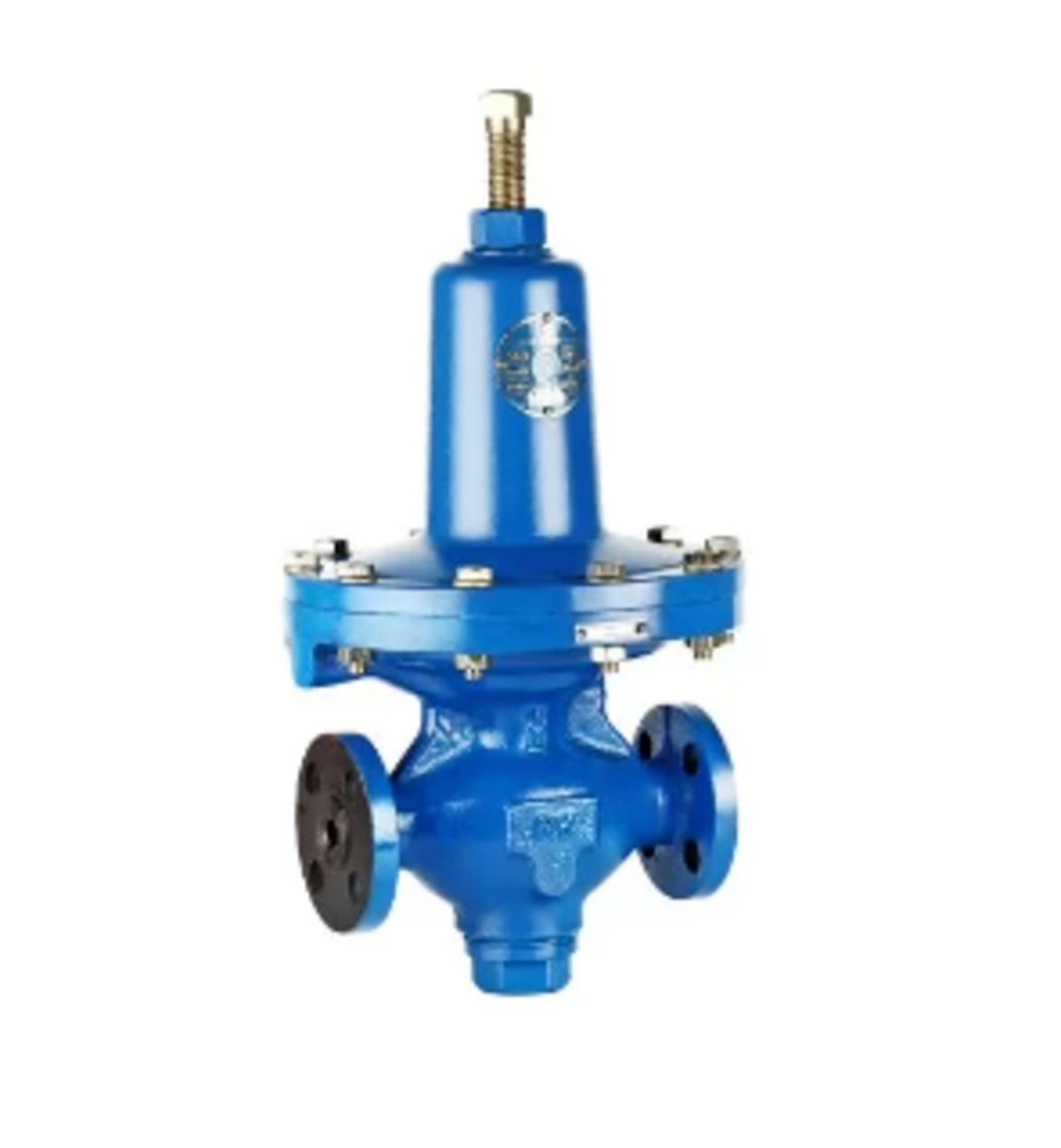
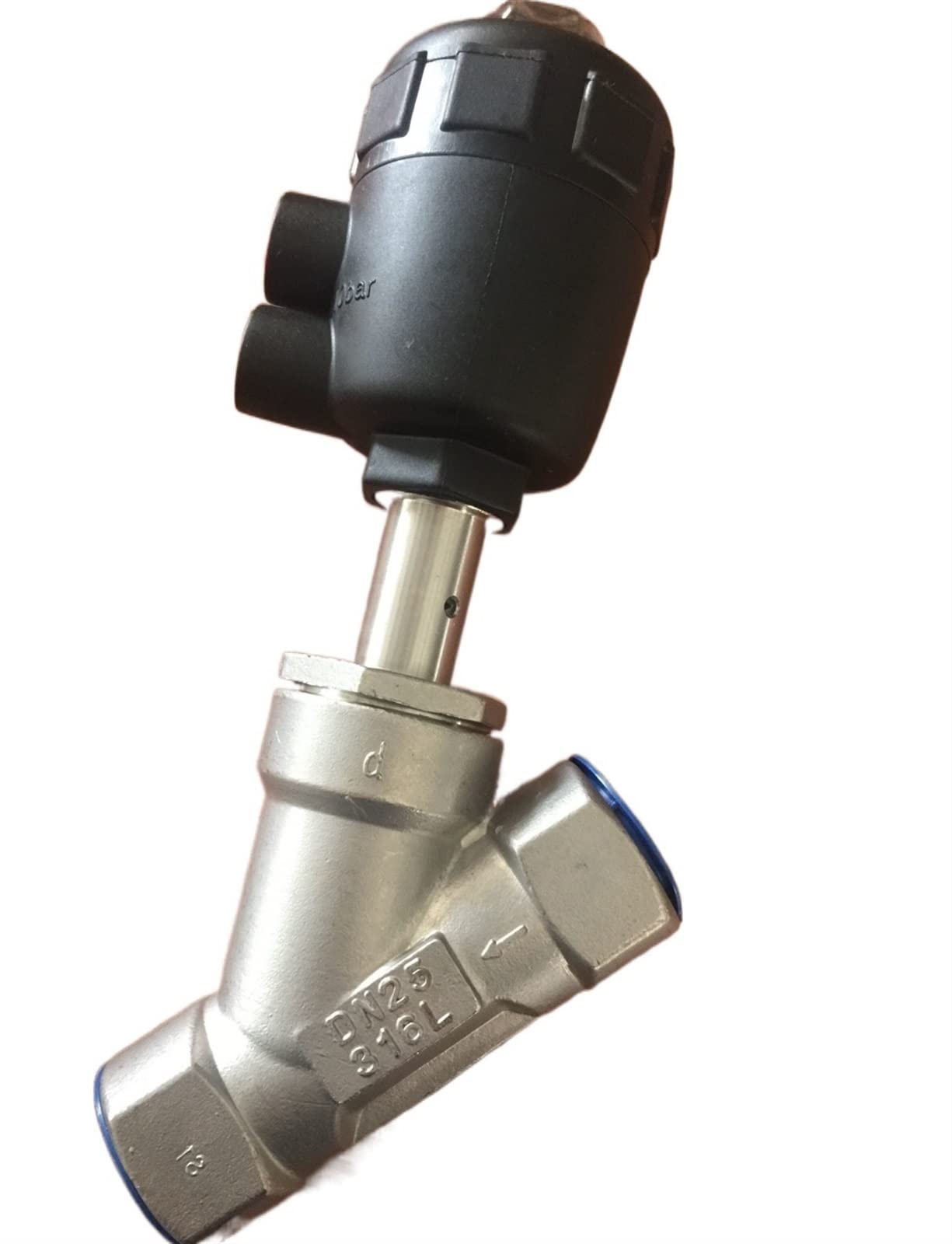
Every valve places a movable element, called the obturator, in the flow path and presses it against a seat to stop flow. The families differ in what that element is (ball, disc, wedge, plug, membrane) and how it moves (a quarter turn about an axis, multiple turns along a threaded stem, or free movement under the fluid itself). Those two choices decide almost everything about behaviour in service.
Quarter-turn mechanics
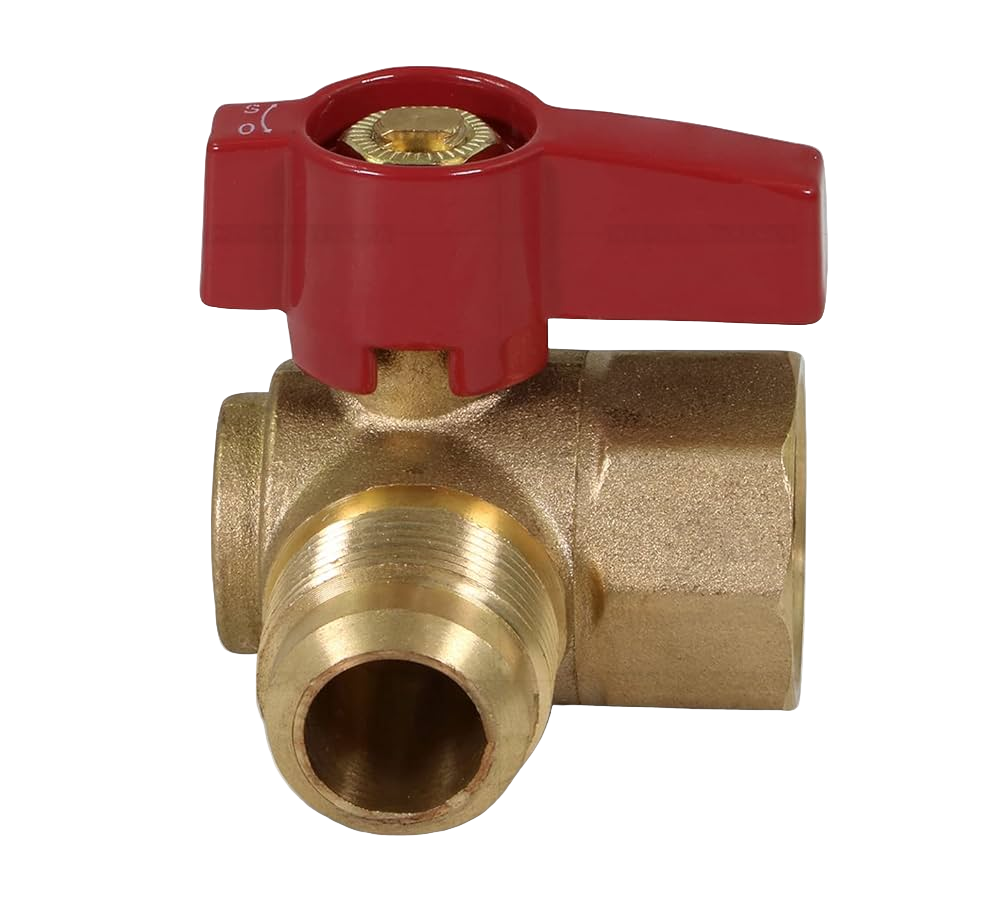
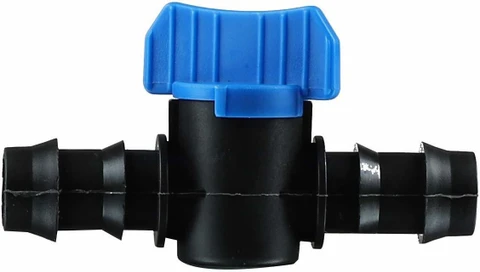
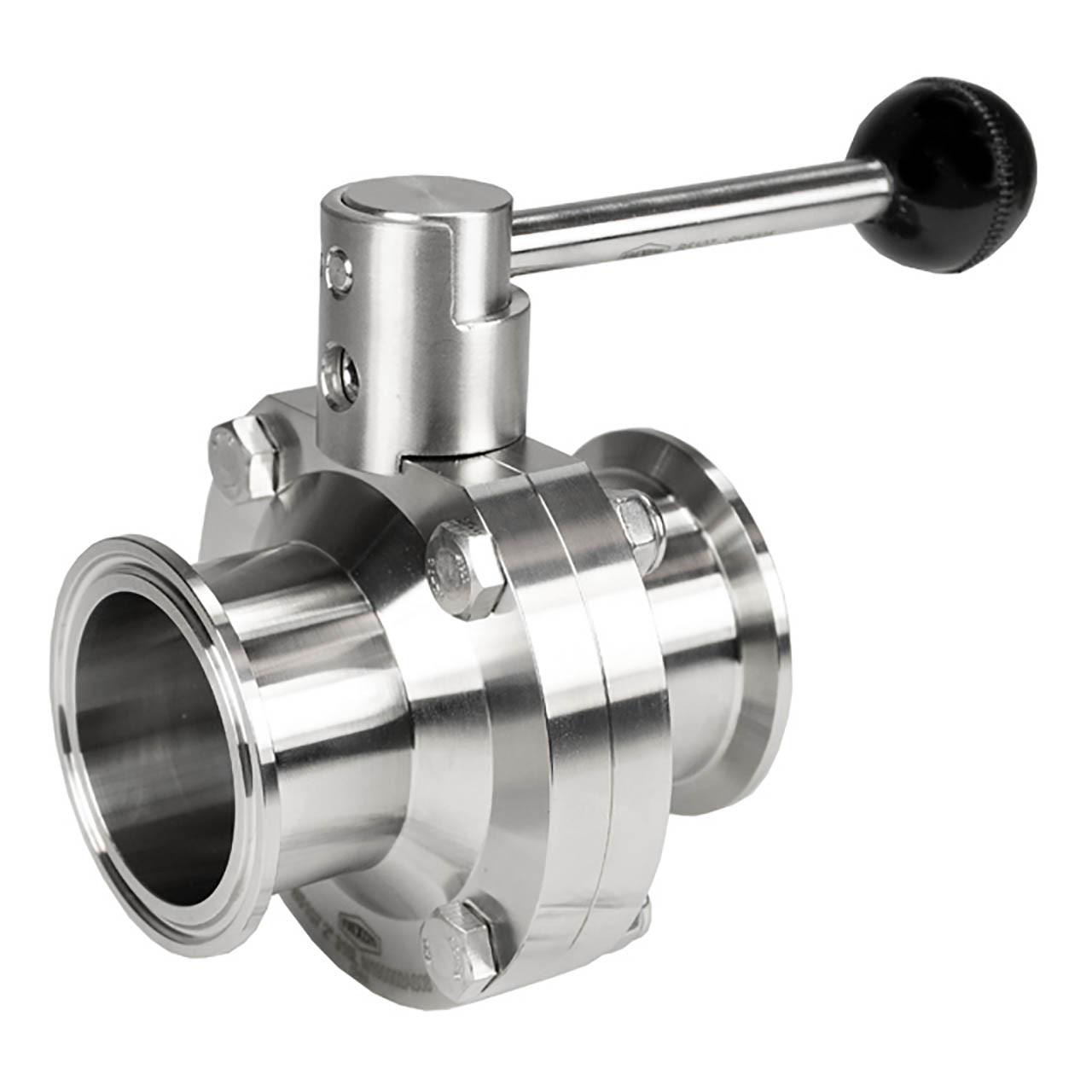
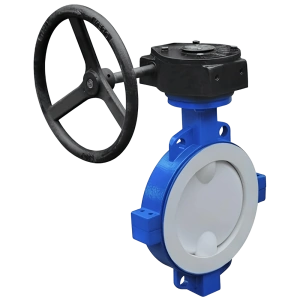
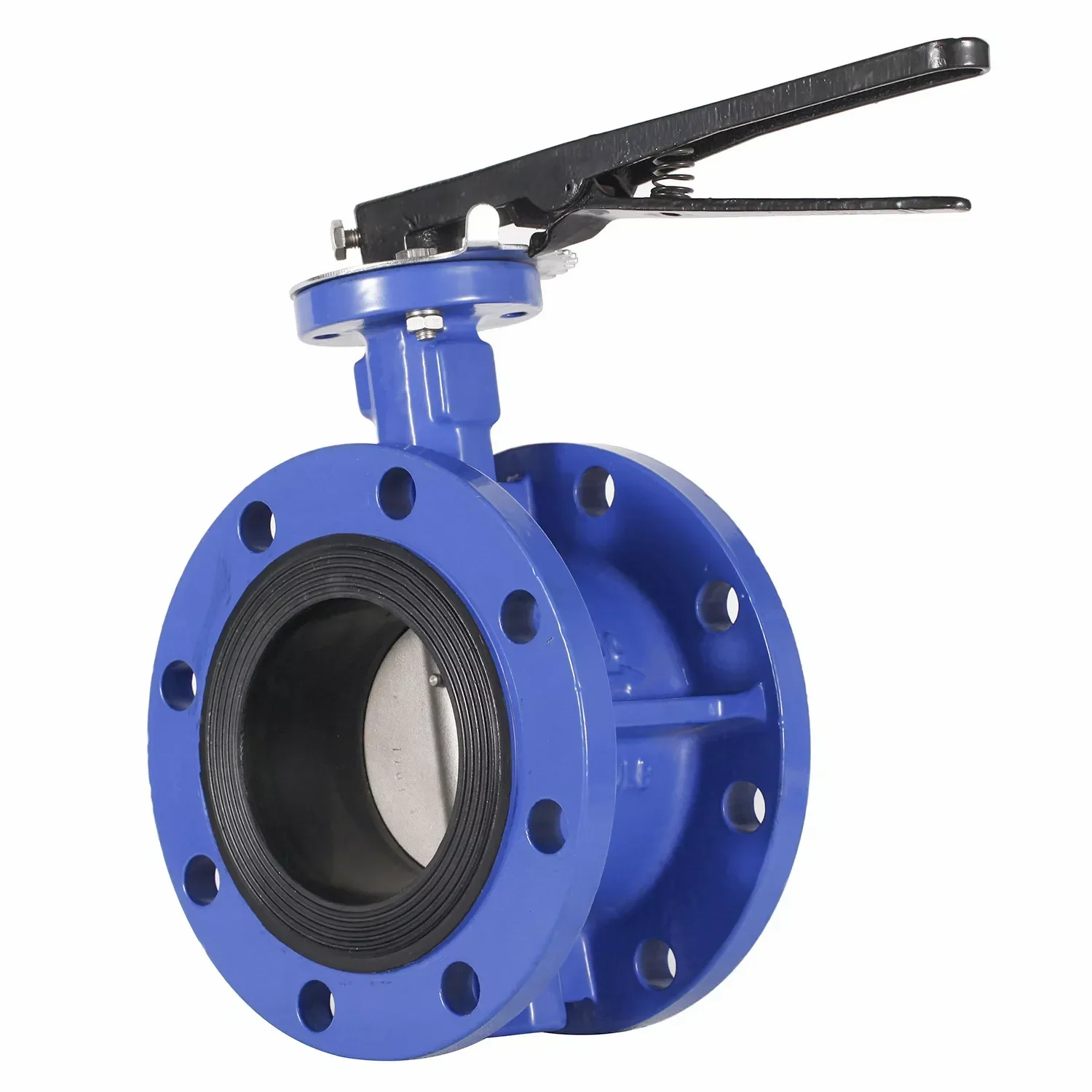
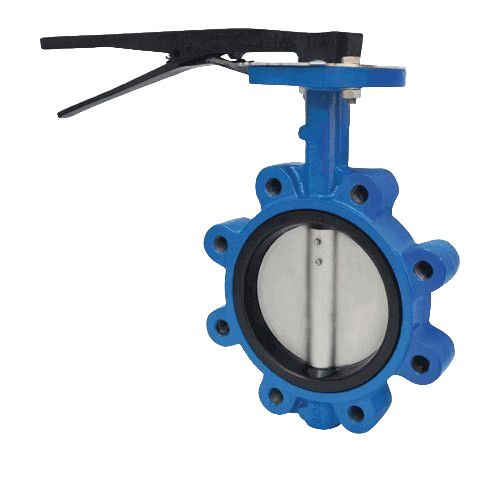
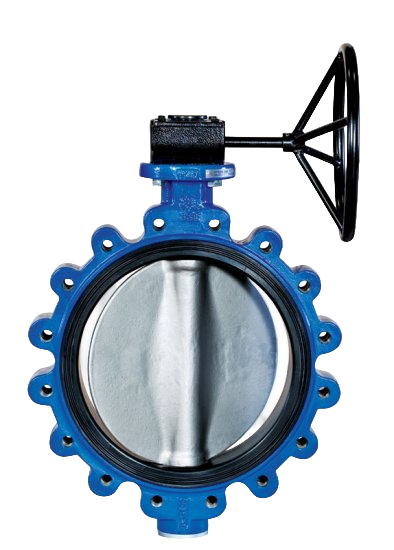
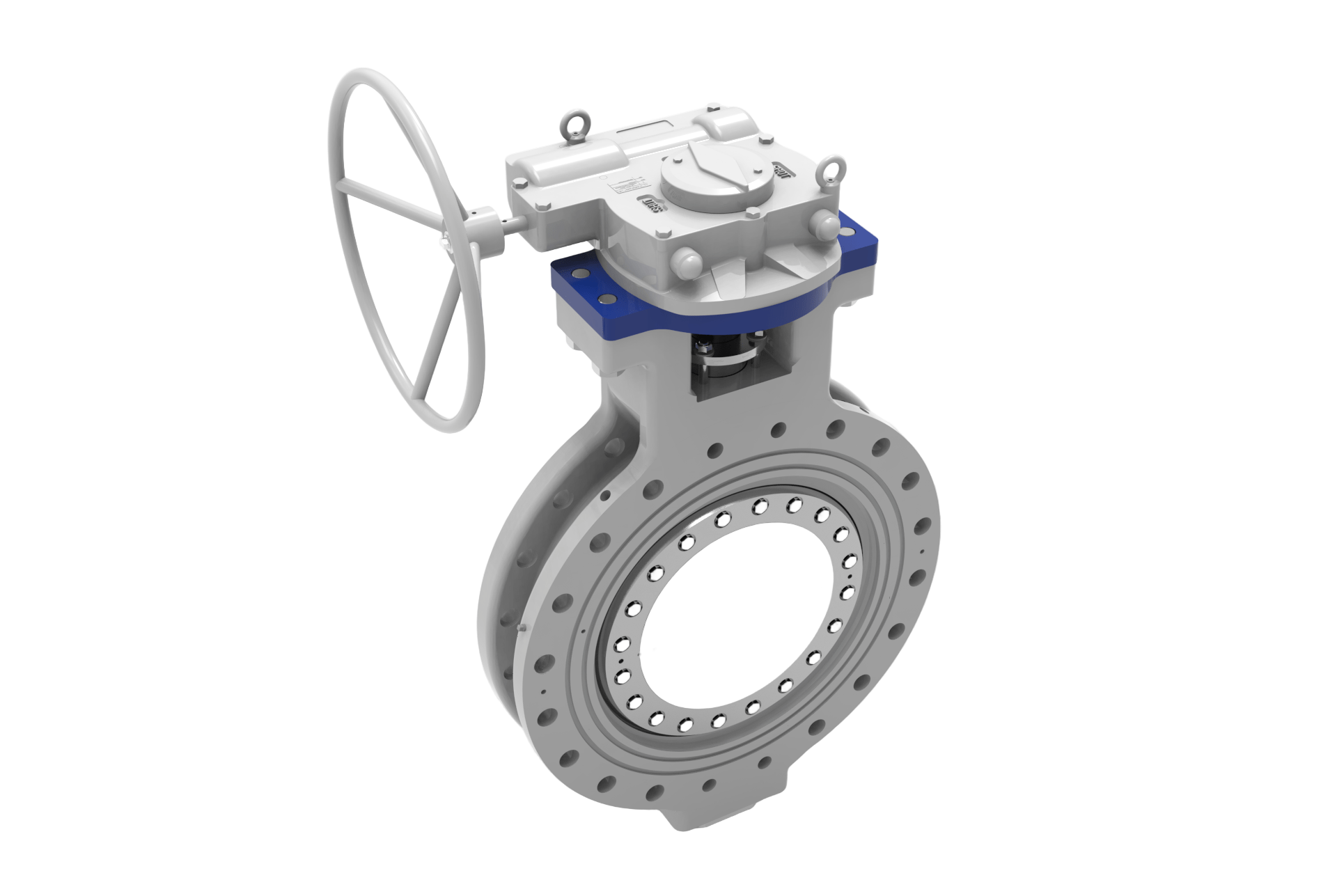
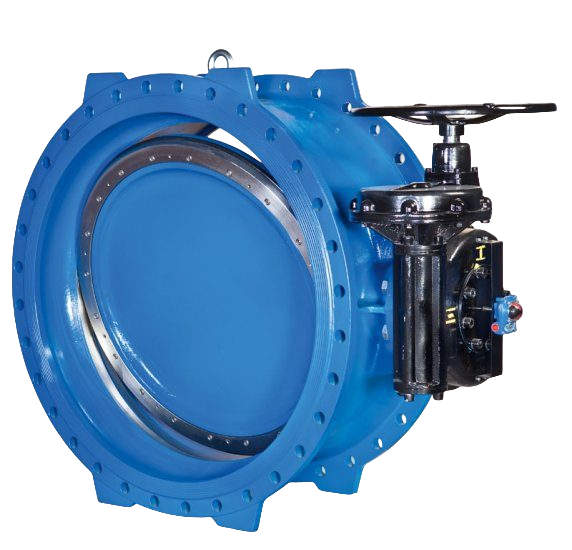
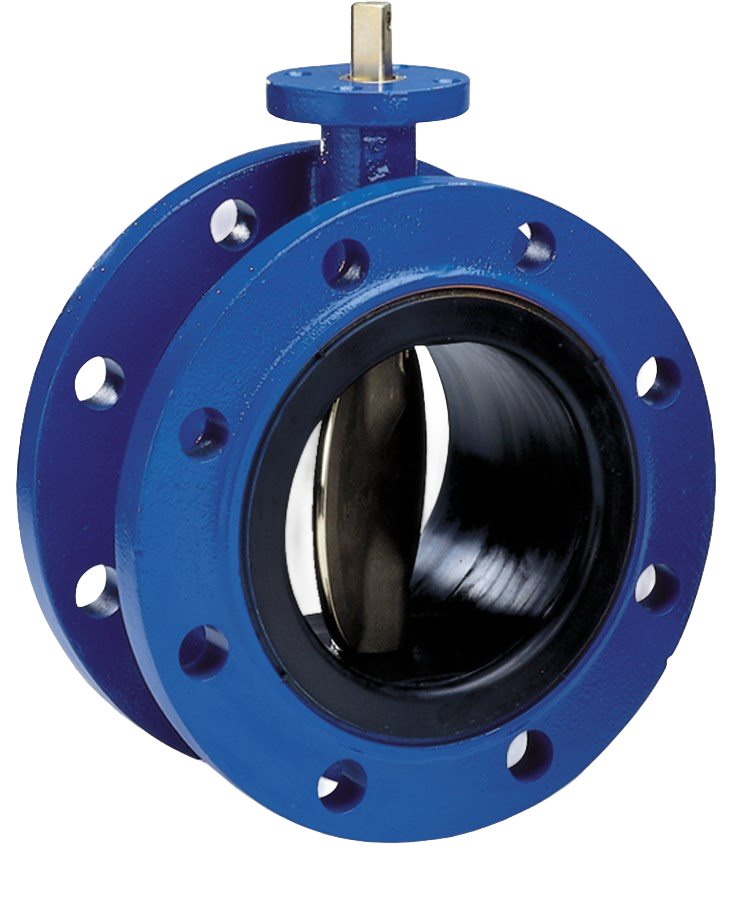
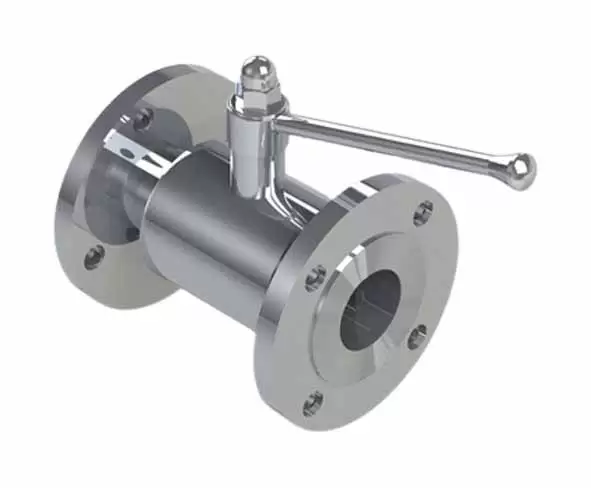
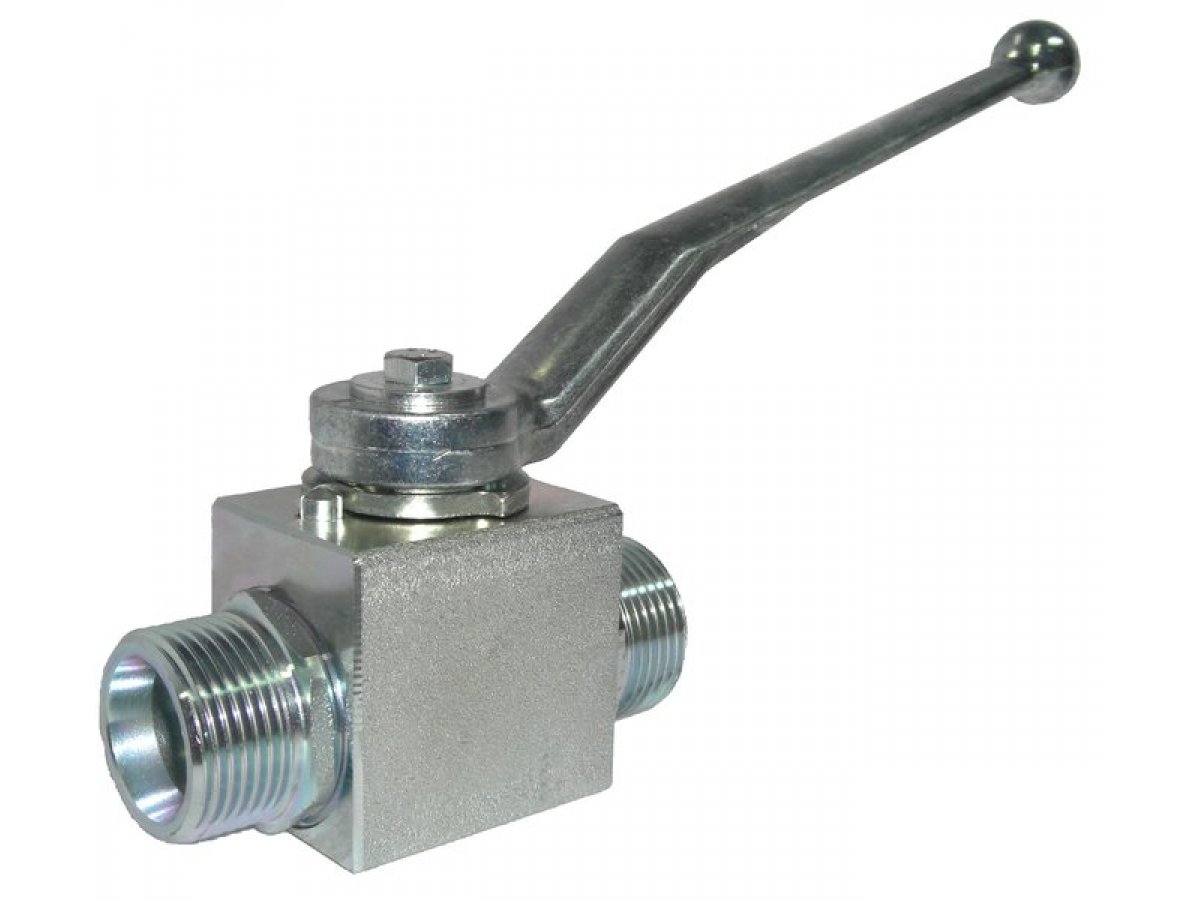
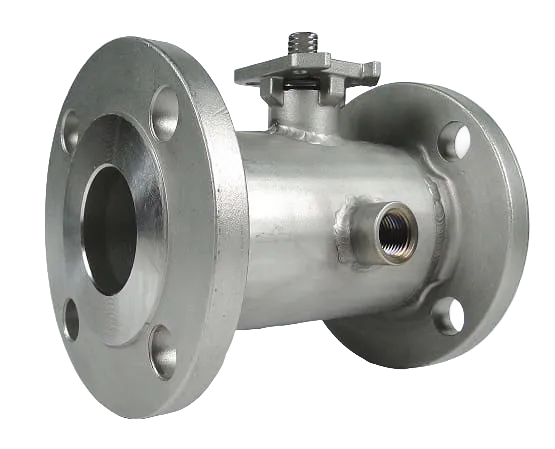
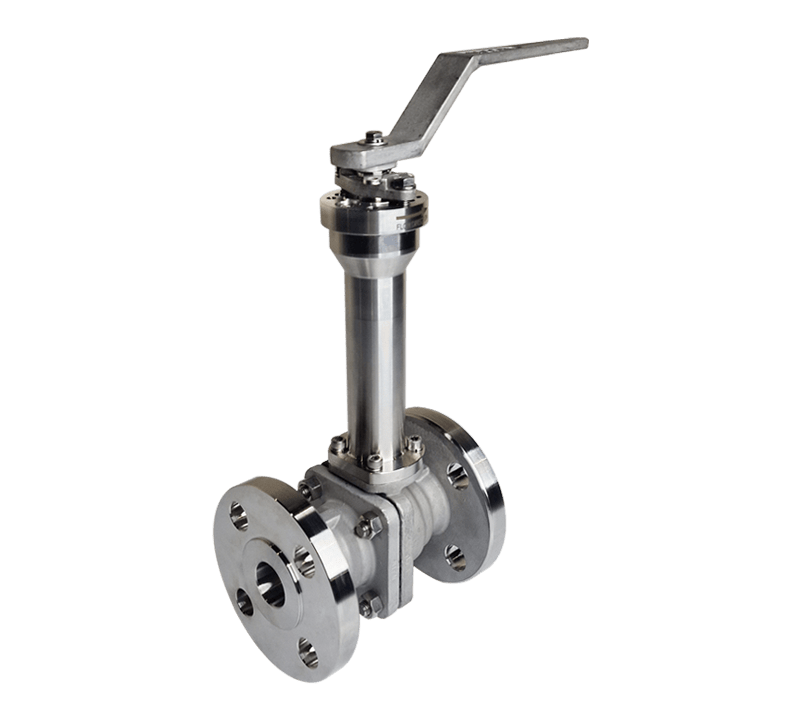
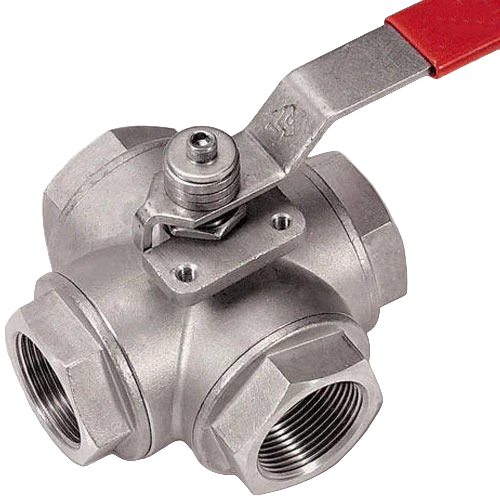
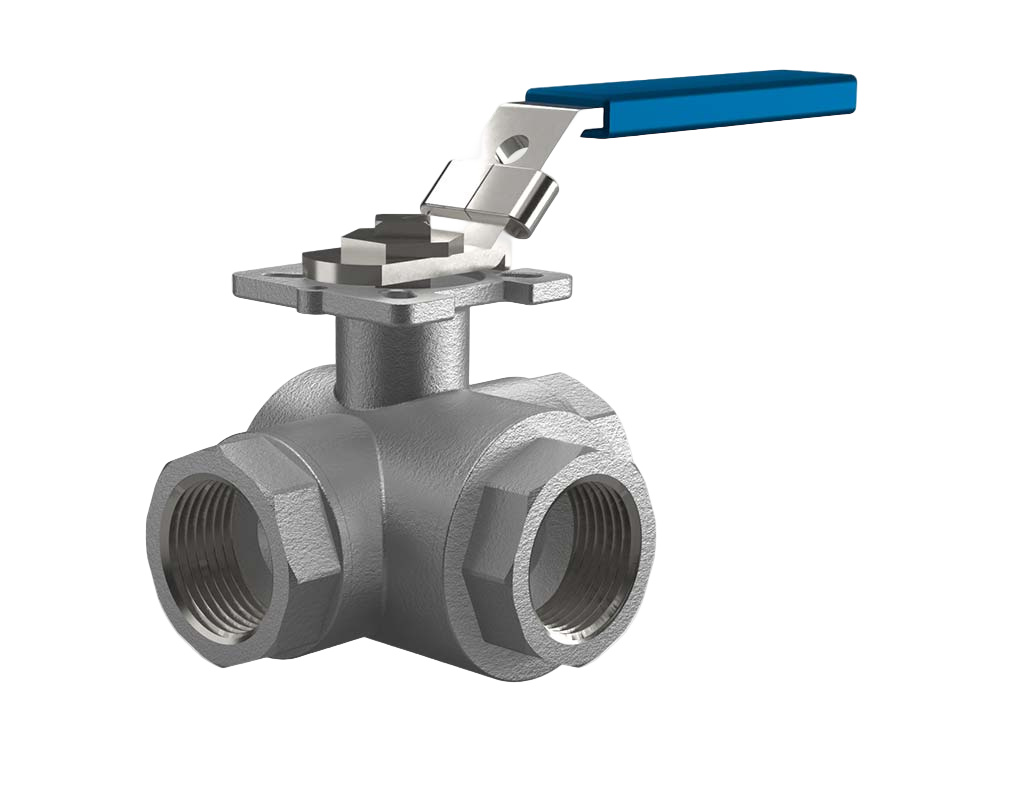
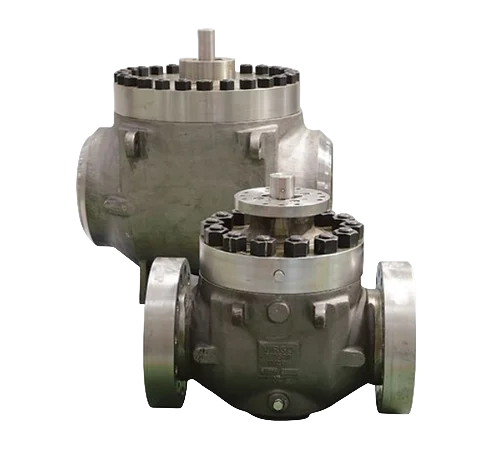
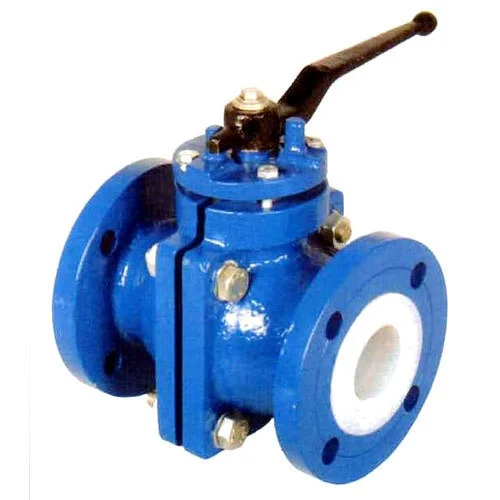
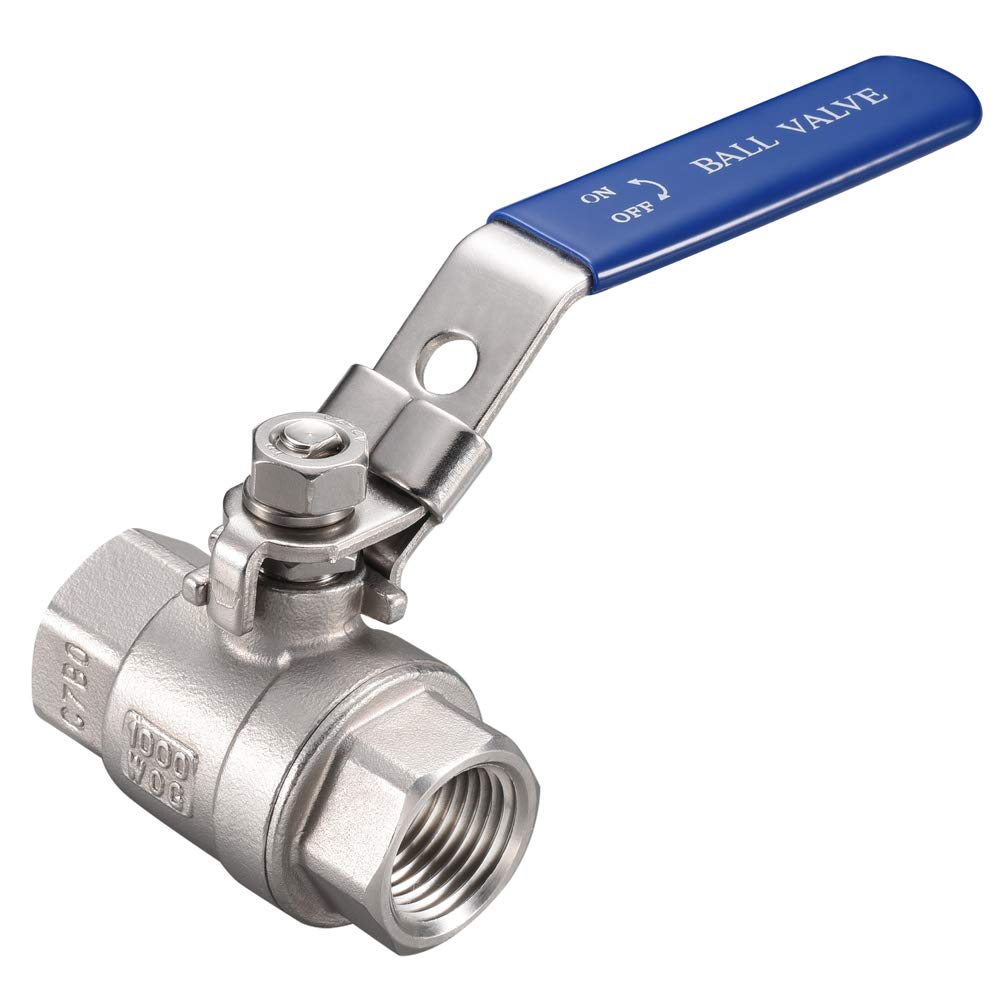
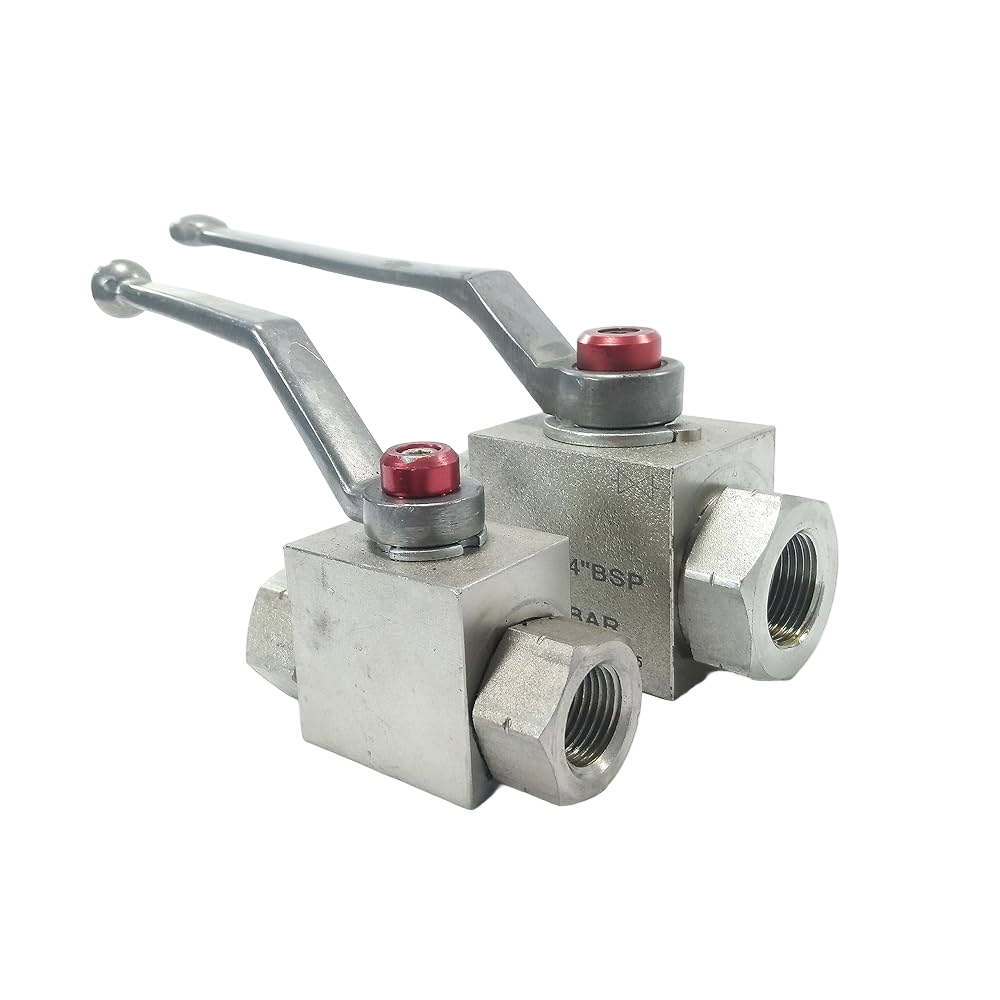
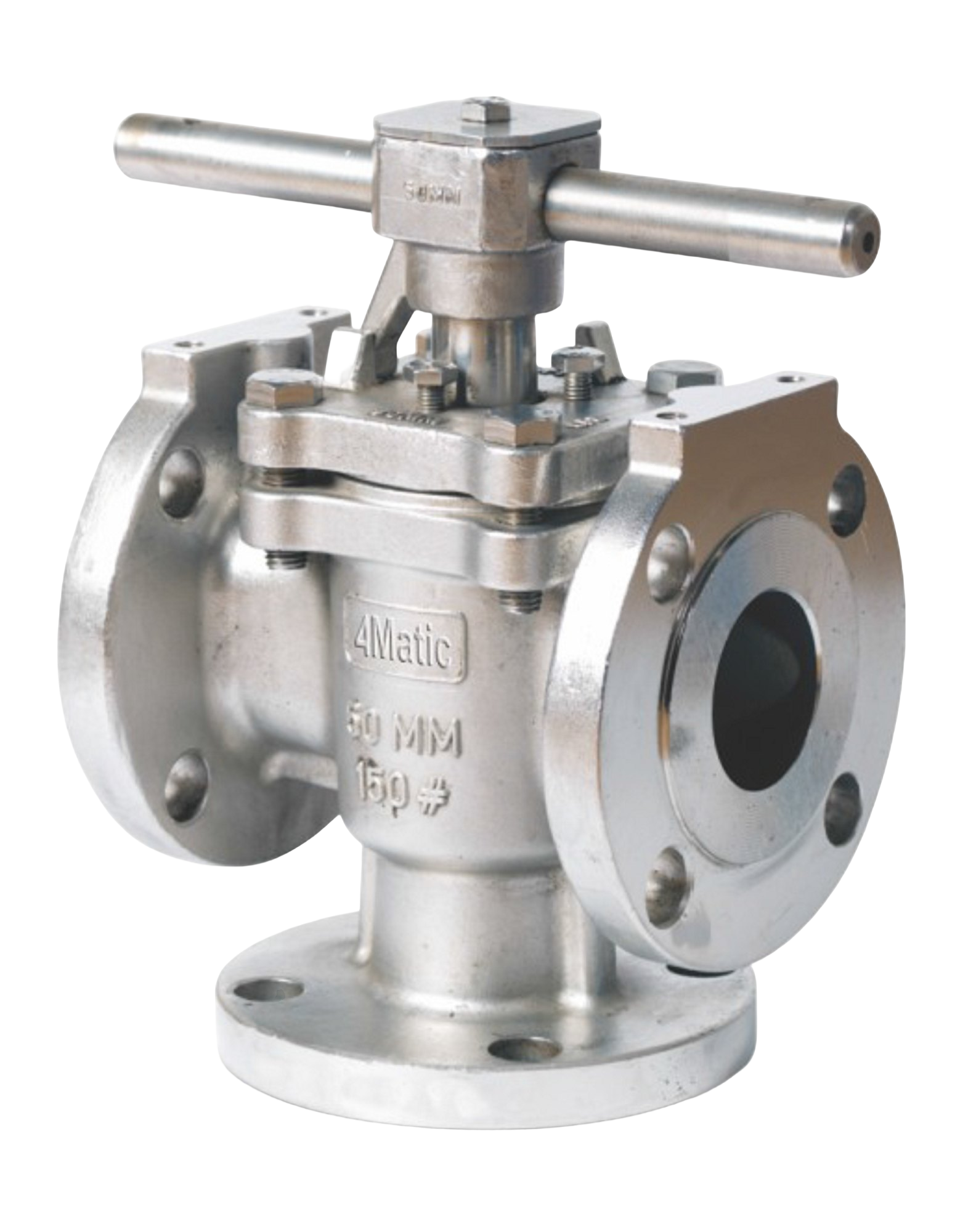
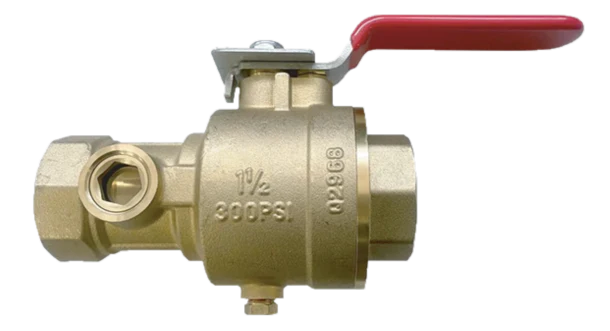
In ball, butterfly and plug valves the obturator rotates 90 degrees between open and shut. Operation is fast and position is visible from the lever, but all the sealing work is done by preloaded contact: a resilient seat gripping a polished ball, or a rubber liner compressed by a disc edge. Sealing quality therefore depends on seat material and surface finish, and degrades with abrasive media, high temperature or long part-open operation that wears one arc of the seat.
Multi-turn mechanics
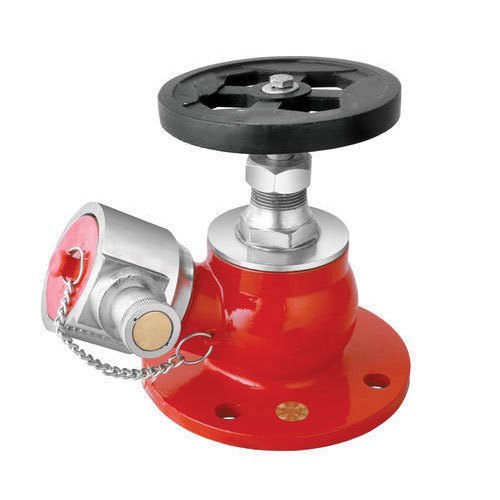
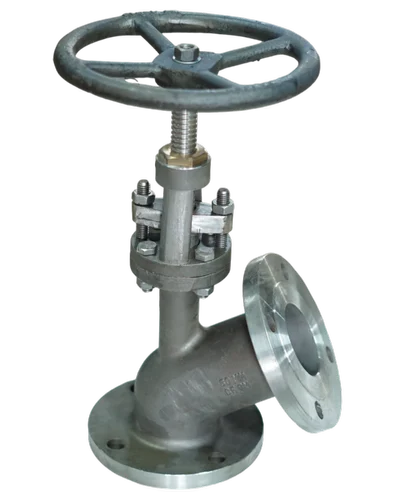
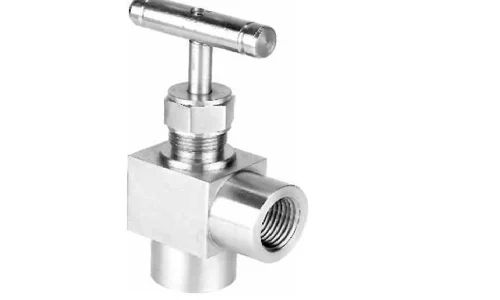
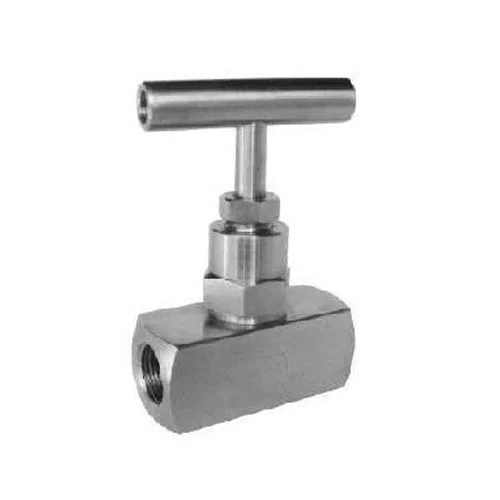
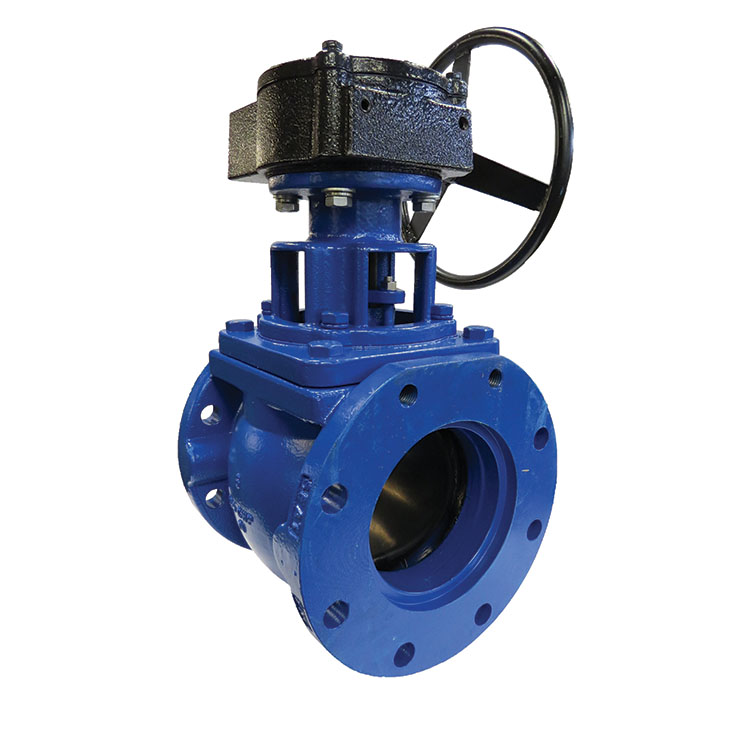
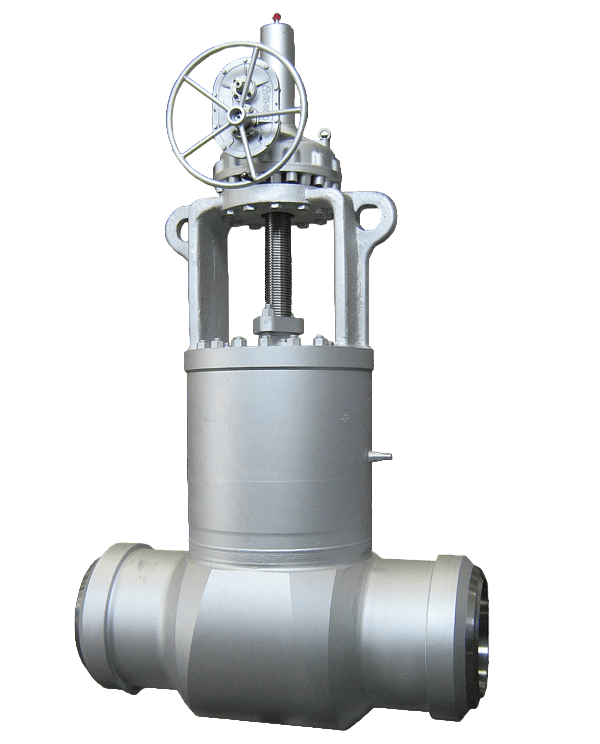
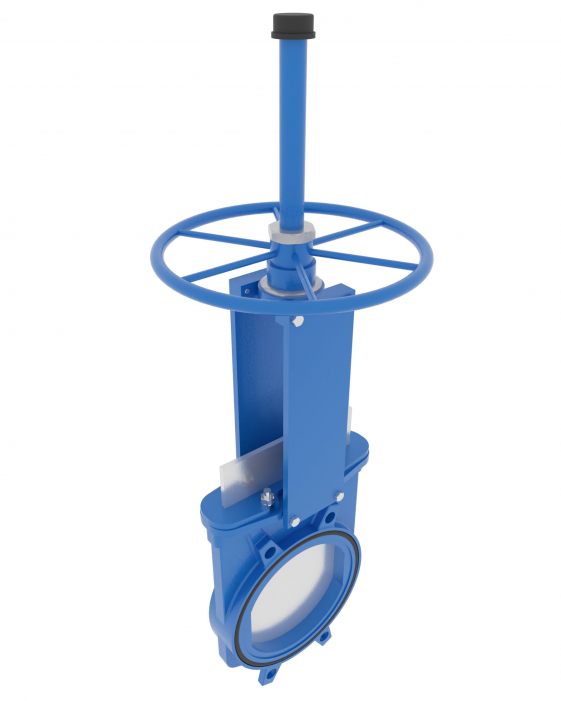
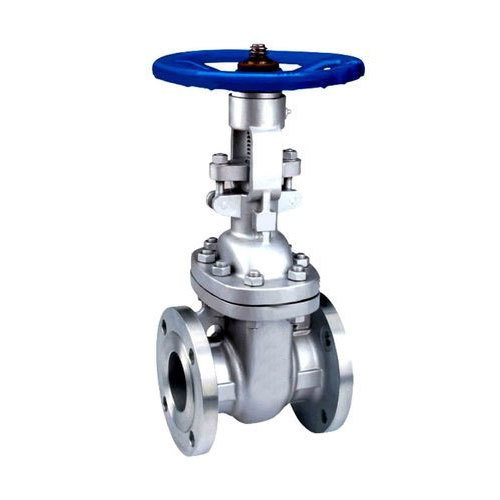
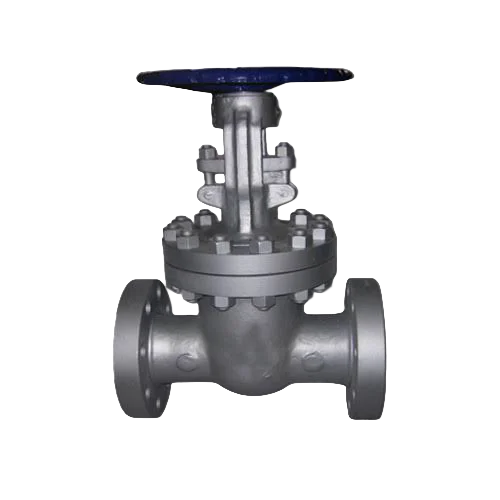
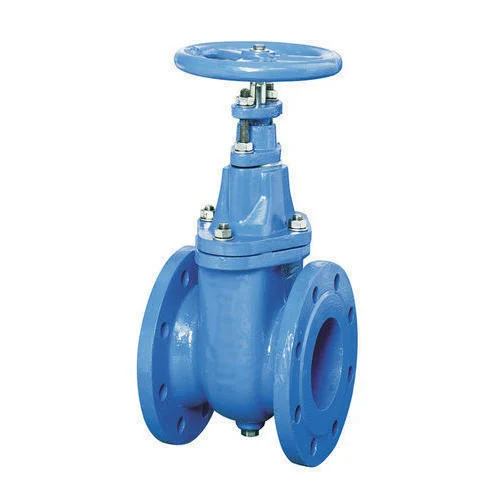
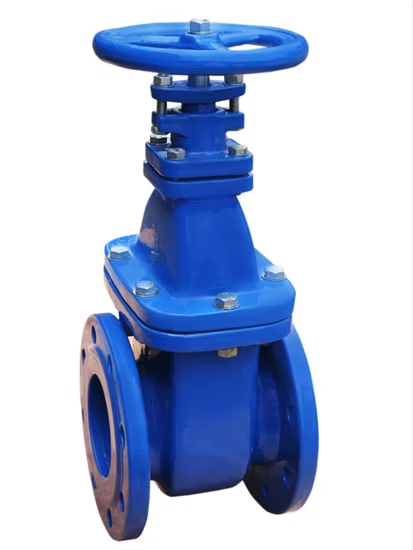
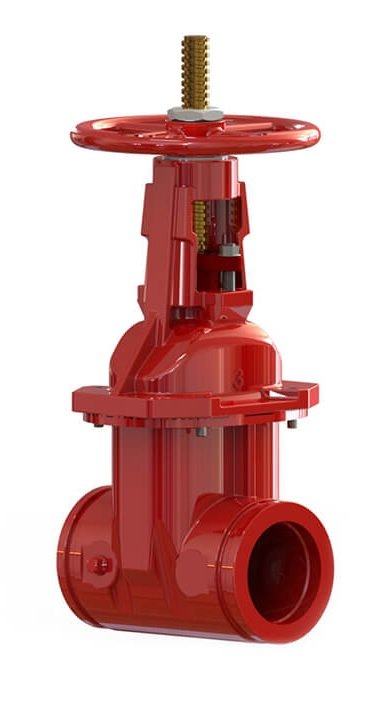
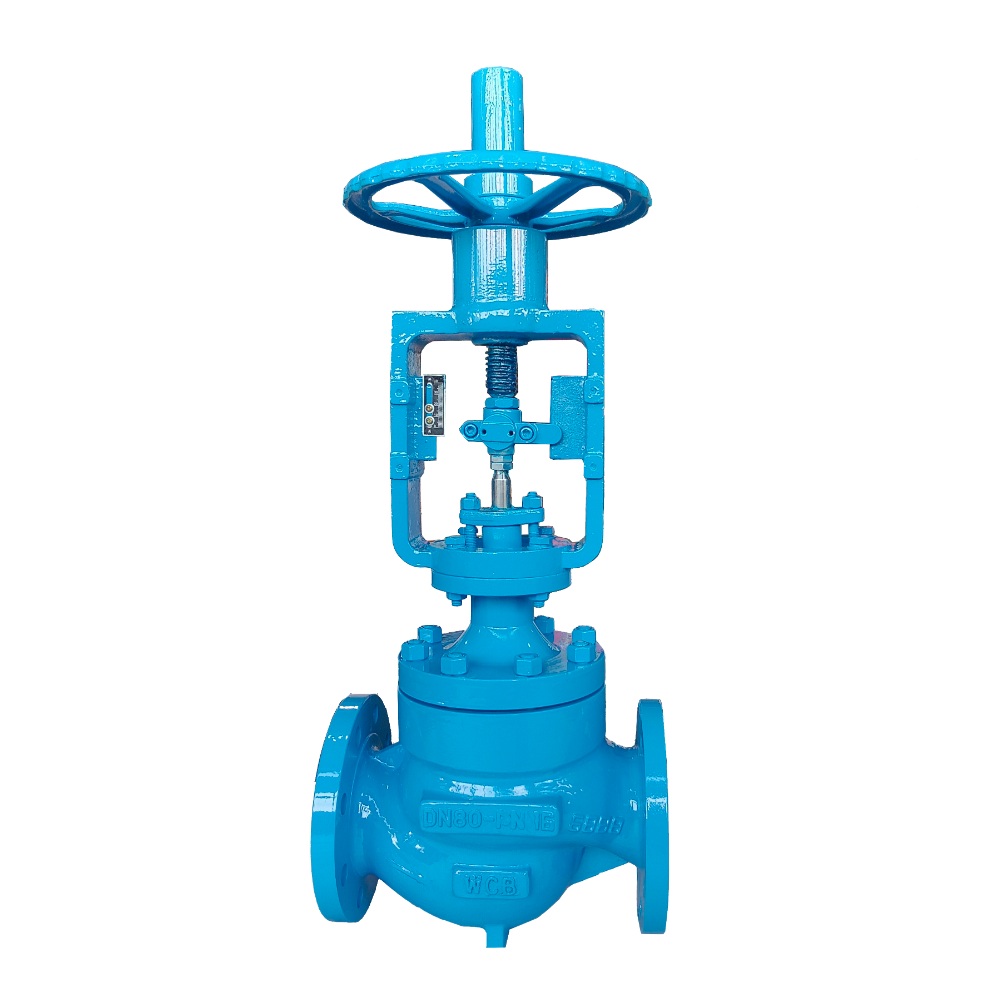
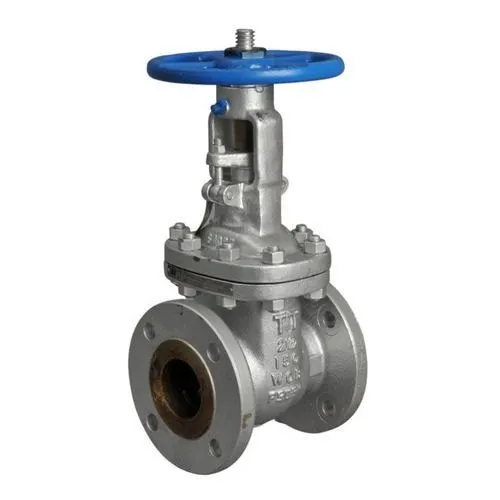
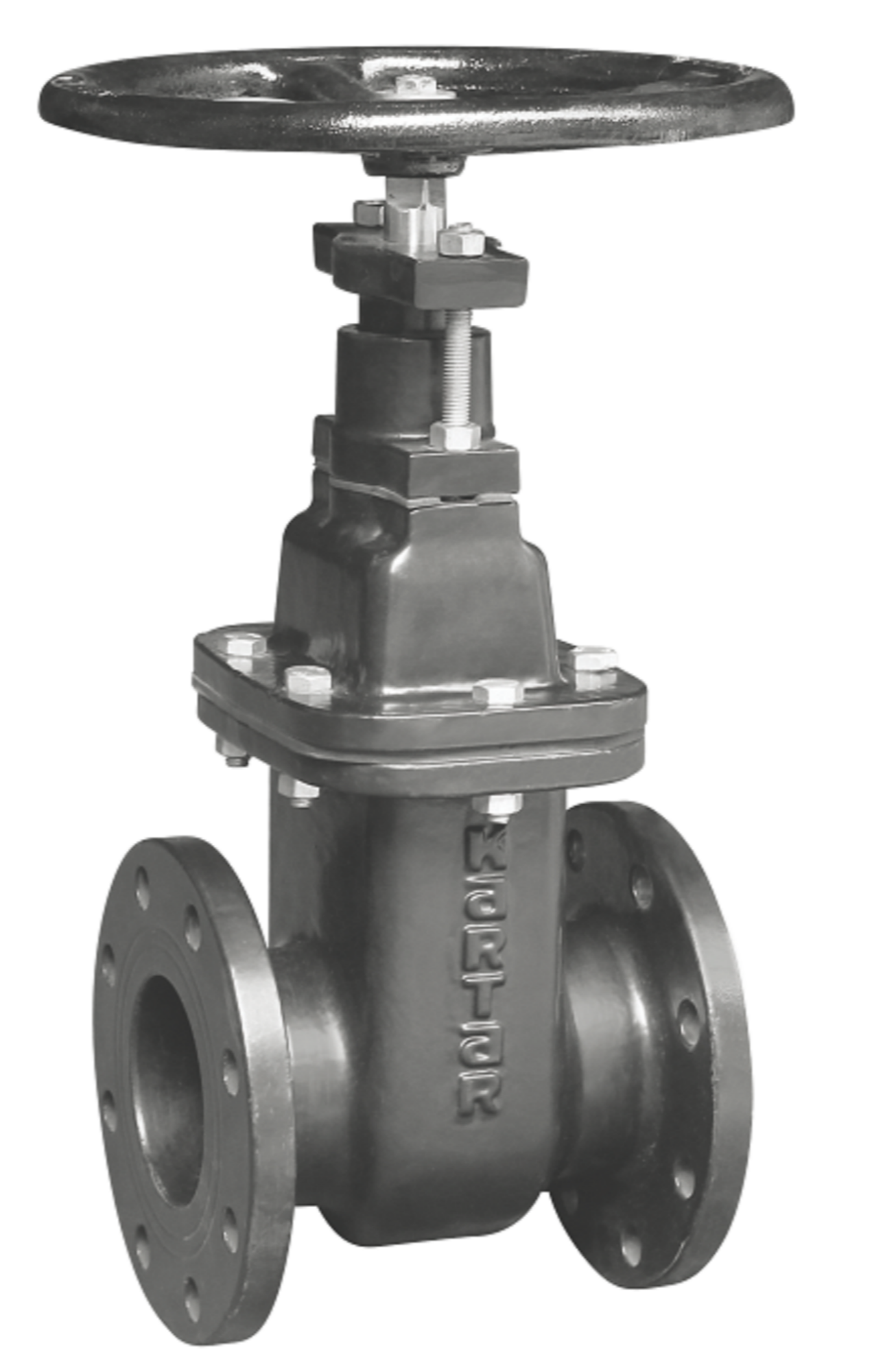
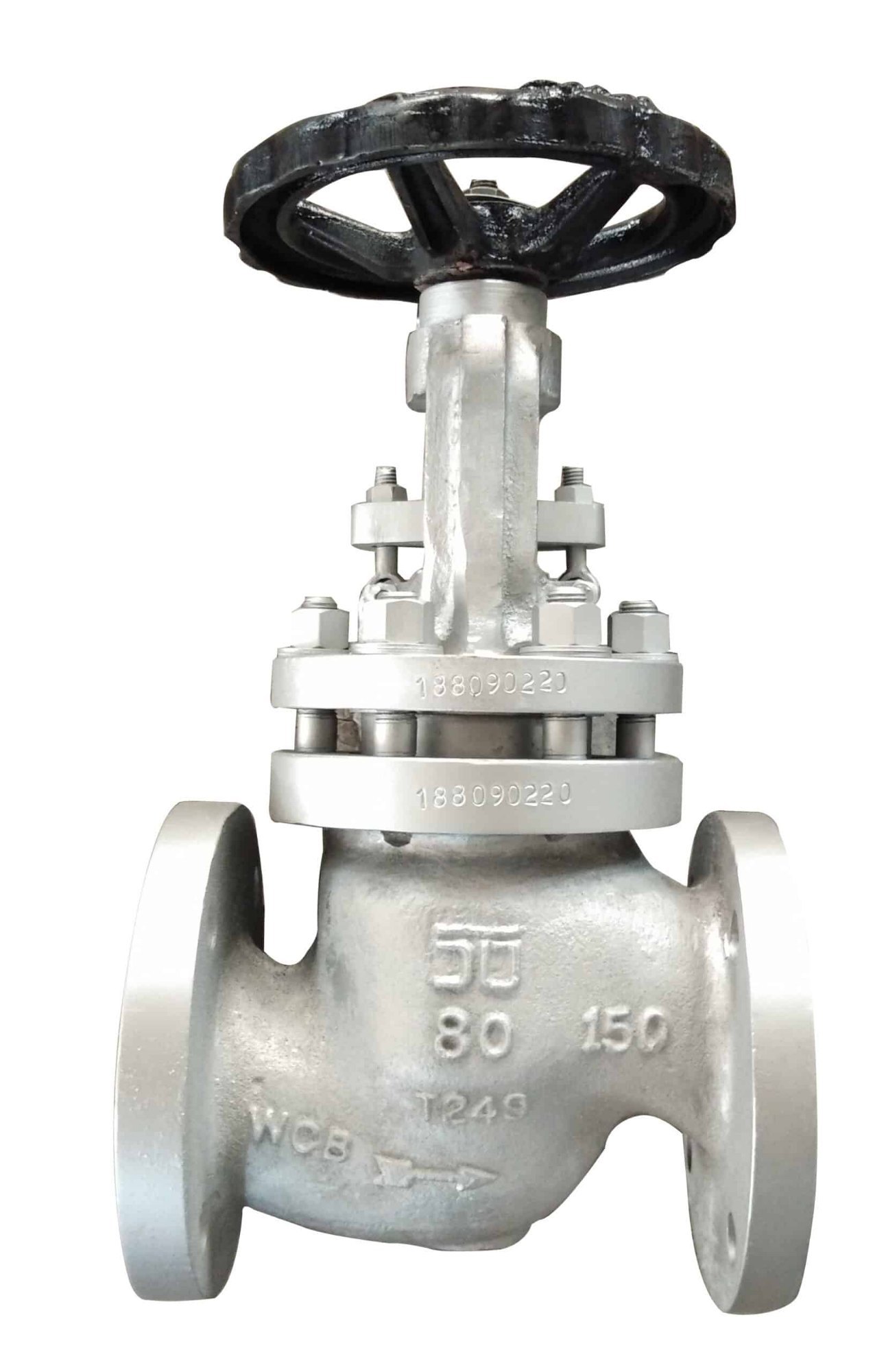
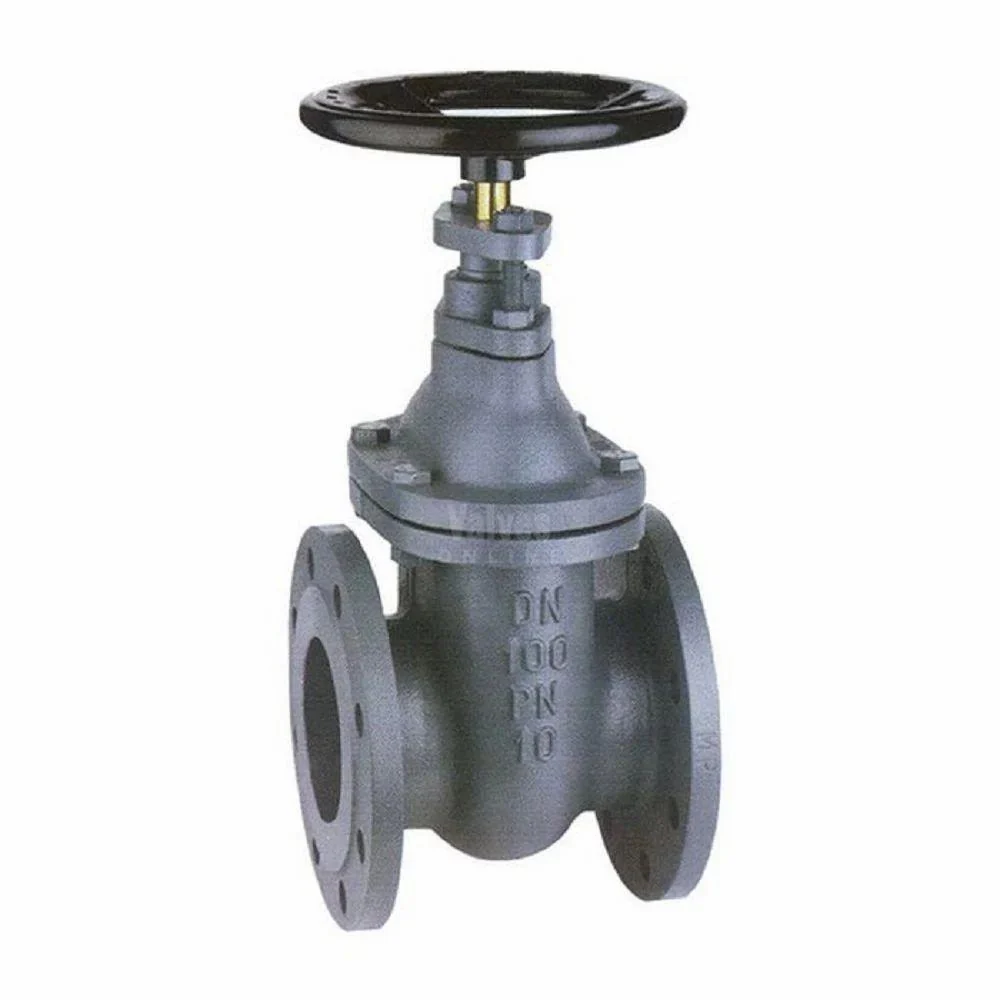
In gate and globe valves a threaded stem drives the closure member onto the seat over several turns. Closing force is high and controllable, which is why globe valves can shut against large differential pressures and why gate seating survives years of service, but operation is slow and the stem thread and packing become the maintenance points.
Why throttling destroys the wrong valve
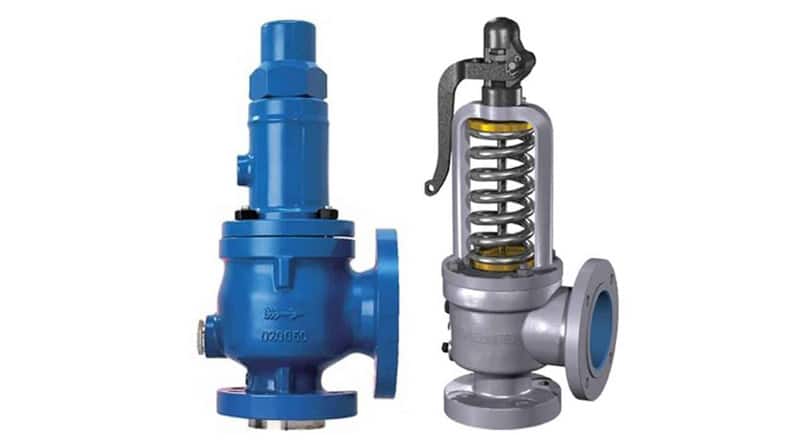
A part-open valve accelerates fluid through a crescent-shaped gap. In designs meant only for isolation, that jet impinges on seat and body surfaces, causing vibration, erosion and, with liquids near their vapour pressure, cavitation that eats metal. Globe and control valves survive because the jet is directed through a renewable trim engineered for the duty; gate and ball valves do not.
Non-return behaviour
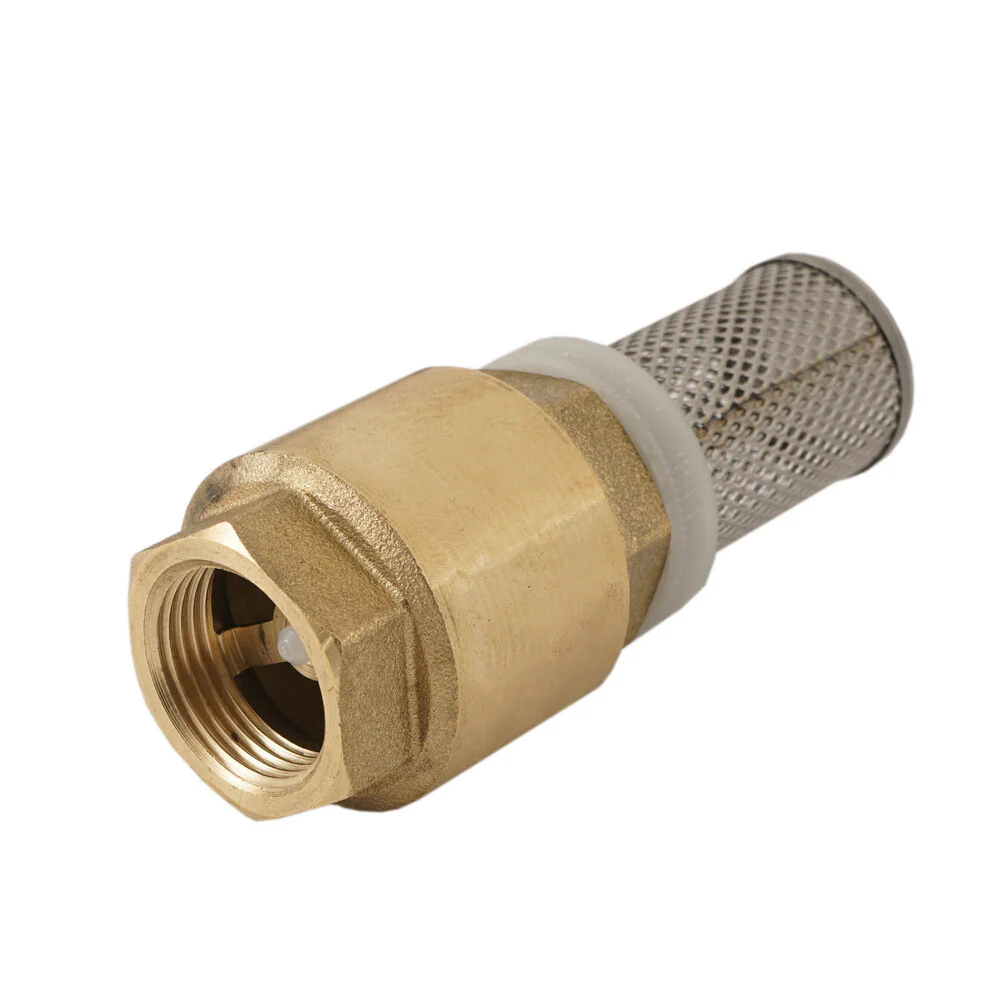
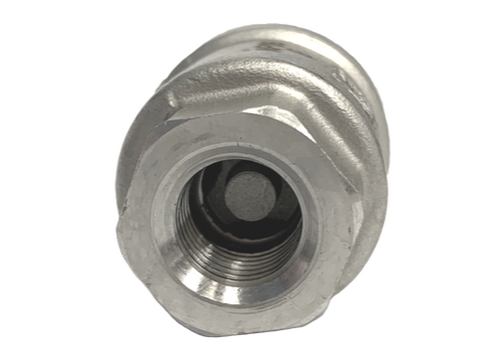
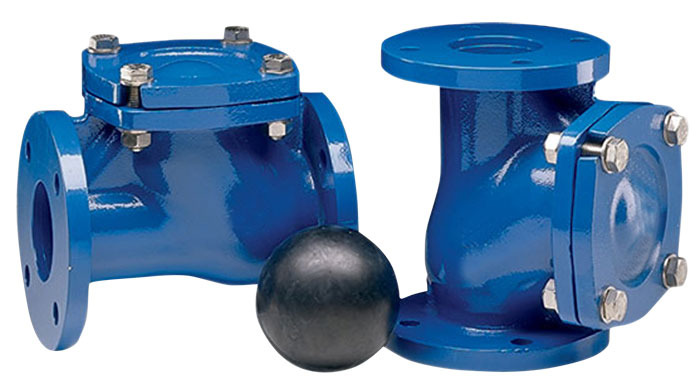
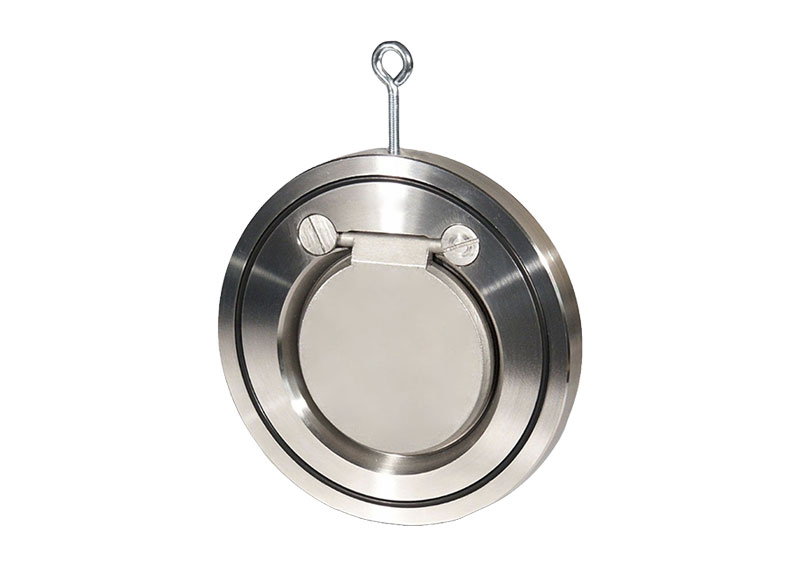
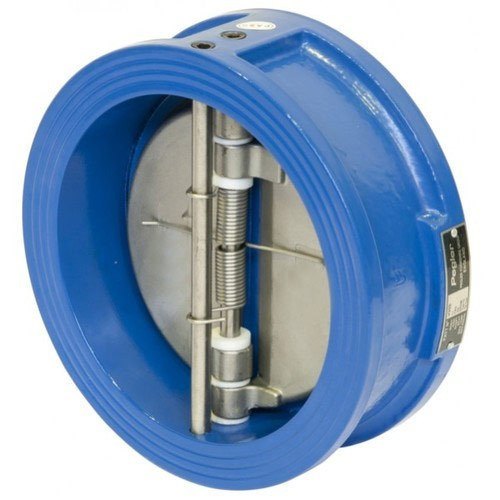
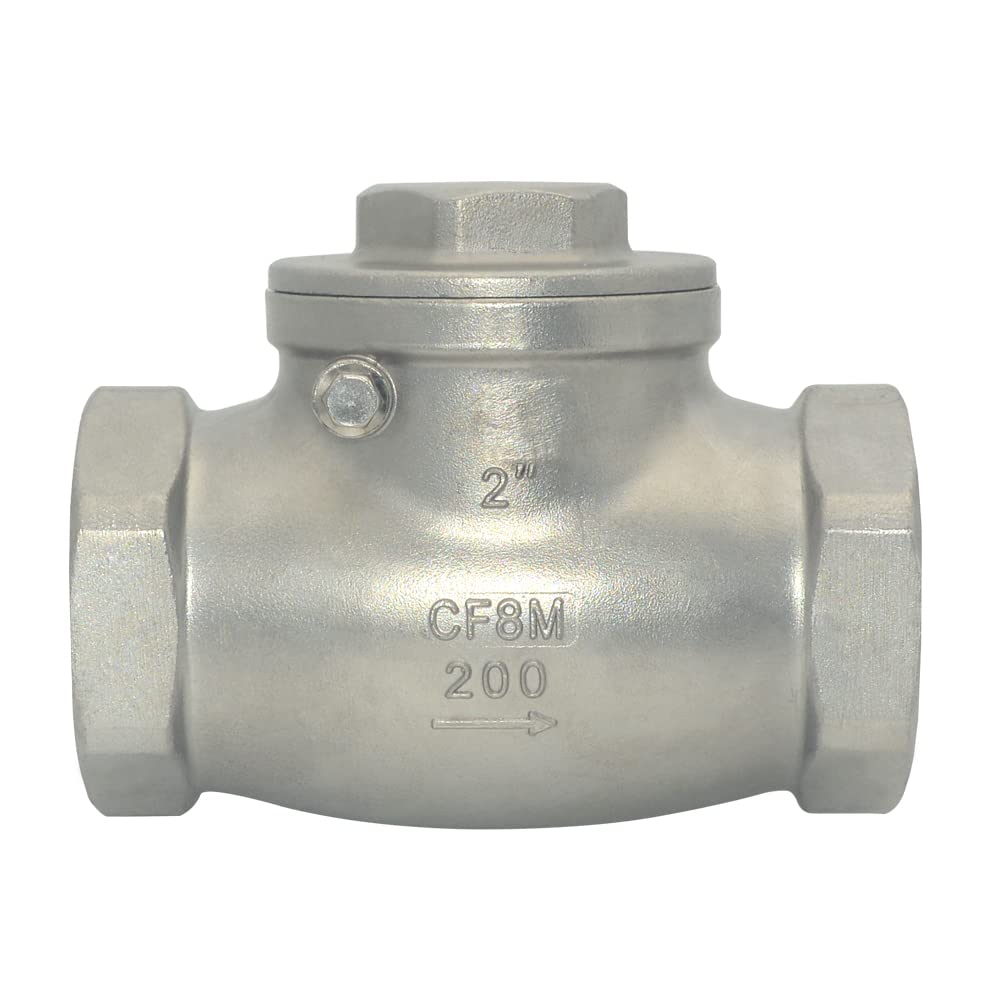
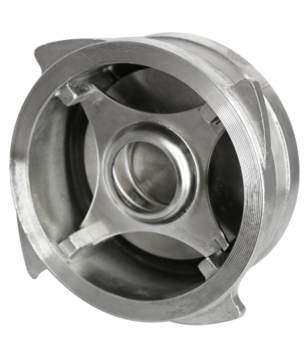
Check valves have no operator: forward flow lifts or swings the obturator open and reverse flow plus springs or gravity closes it. The critical property is closing speed relative to flow deceleration. A slow-closing swing check on a fast-stopping pump slams, hammering the line; a spring-assisted dual plate or nozzle check closes before reverse velocity builds.
Where valves fail
The recurring failure sites are the same across families: seat leakage from wear or trapped debris, stem or shaft leakage past packing or O-rings, body-bonnet joint weepage, and corrosion where body material was chosen for the nominal fluid but not for cleaning chemicals, chlorides or trace acids. Most are specification failures, not manufacturing failures.
Why ratings are stated the way they are
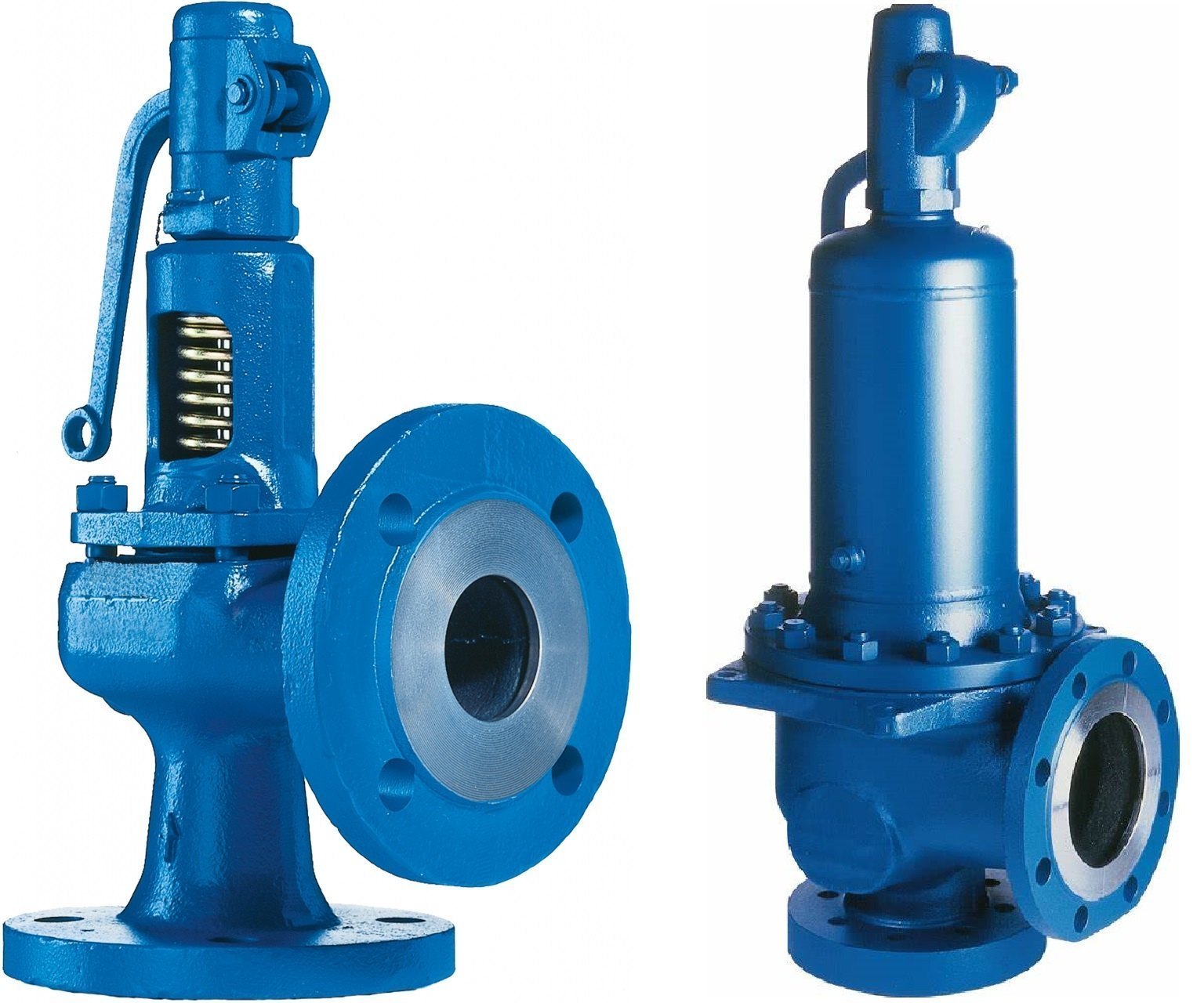
A PN or ASME class number is not a working pressure; allowable pressure falls with temperature along curves defined in ASME B16.34 for each material group. A Class 150 WCB valve good for about 19 bar cold is limited to far less at 300 degrees C. Always state both pressure and temperature in an enquiry so the manufacturer can confirm the rating point, and ask for API 598 testing so shell and seat tightness are demonstrated before despatch.