• Home
  • Gate Valves
  • Gate Valves

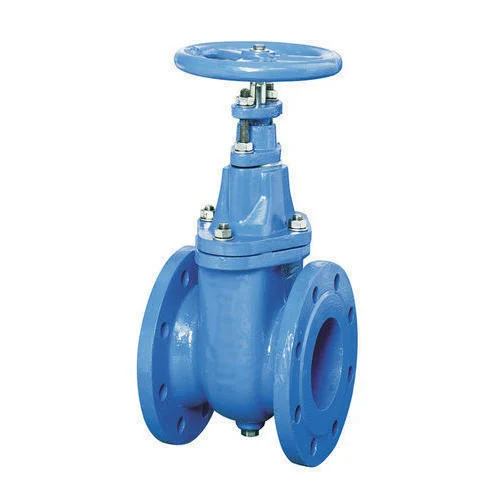
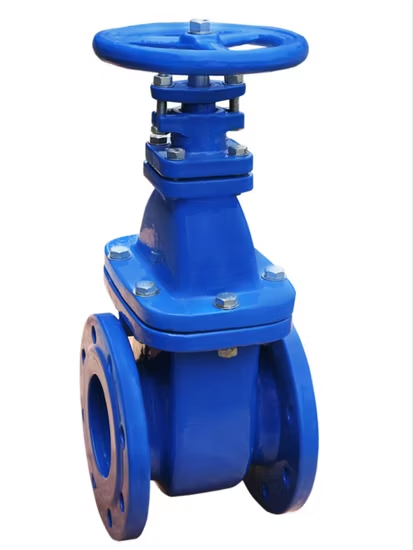
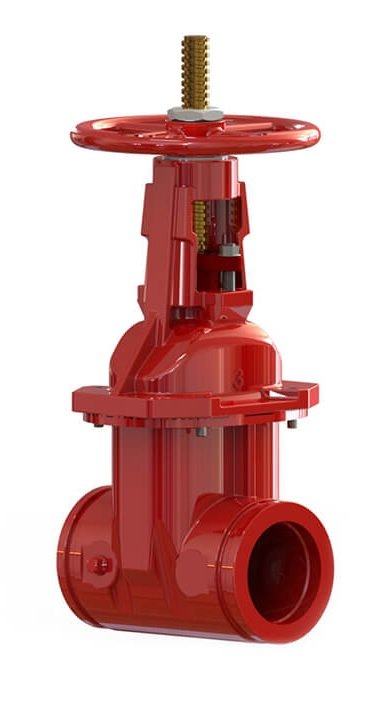
    Source gate valves from India's verified manufacturers and exporters on Himalay. Browse industrial gate valves, material gate valves and specialty gate valves for industrial and export applications.

    Showing 7 items
    7 items
    Subcategories
    Industrial Gate Valves
    Material Gate Valves
    Specialty Gate Valves
    operation type
    Handwheel
    body material
    Cast Iron
    Cast Iron FG260
    Cast Steel
    SS304
    SS316
    end connection
    Flanged
    Threaded
    seat material
    Metal Seated
    Metal/PTFE
    trim material
    SS304
    SS316
    Gate Valves sourcing

    About Gate Valves

    Gate valves across 44,145 listed configurations — solid and flexible wedge, parallel slide, resilient-seated and cryogenic — DN15–DN600, ASME 150–2500. Compare options and submit an RFQ on Himalay.

    Gate valves are linear-motion isolation valves in which a wedge or parallel gate is raised out of the flow path to open the line and lowered to close it. They are designed for fully open or fully closed duty — not throttling — and in the open position leave a full, unobstructed bore with minimal pressure drop, which is why they remain the default block valve in petroleum, water and general process piping. Himalay lists gate valves in five design families: solid wedge for general isolation, flexible wedge for thermal-cycling service, parallel slide for high-pressure steam duty, resilient-seated for water and utility lines, and cryogenic extended-bonnet valves for low-temperature service. The catalogue spans 44,145 configurations from DN15 to DN600. Pressure coverage runs from PN6 utility ratings through ASME 2500 for parallel-slide and flexible-wedge process valves; resilient-seated valves carry ASME 125/150-pattern ratings. Body materials span twenty grades: carbon steels (A216 WCB/WCC), low-temperature grades (A352 LCB/LCC), stainless (CF8, CF8M, CF3M, CF8C), duplex 2205, chrome-moly for high temperature (A217 WC6, WC9 and C12A/P91), cast and ductile iron for waterworks, and corrosion alloys including aluminium bronze, Alloy 20, Monel 400, Hastelloy C276, titanium Gr 2 and 6Mo. Trim options include 13Cr (Trim 1), SS316 (Trim 10/12), stellite-hardfaced seats (Trim 5) and EPDM-encapsulated wedges for resilient-seated designs. End connections are flanged, butt-weld, grooved to AWWA C606, and mechanical joint; operation is handwheel, gear, bare stem or electric actuation. Steel process valves follow API 600 and ASME B16.34; waterworks valves follow IS 14846/EN 1171 and AWWA C509/C515; cryogenic valves reference BS 6364/ISO 28921. State medium, size, class, body grade, trim and end connection in your enquiry.

    Buyer guide

    Specifying Gate Valves: Wedge Type, Trim, Class and Stem

    01

    Where gate valves fit

    A gate valve isolates; it does not throttle. Partially open, the gate vibrates against the flow and erodes — so specify a globe valve for regulation and a gate valve where the line is either open or shut. In the open position the full-bore path gives very low pressure drop — comparable to a full-bore ball valve and far below globe or check designs — which is why transmission lines, plant block valves and utility isolation default to gates.

    02

    The five catalogue families

    Solid wedge covers general isolation across the widest class span, PN6 through ASME 2500. Flexible wedge — ASME 300–2500 — prevents thermal binding where lines cycle. Parallel slide — ASME 600–2500 — is the high-pressure steam design, sealing by line pressure against the downstream seat rather than by wedging. Resilient-seated valves serve water and utility duty at ASME 125/150 patterns. Cryogenic extended-bonnet valves, ASME 150–600, keep the stem packing away from the cold zone.

    03

    Specification checklist

    Seven hard points: service medium; nominal size; pressure class; face-to-face standard; end connection; body material grade; trim. Add stem arrangement (rising OS&Y or non-rising), operation (handwheel, gear, bare stem, electric — listed options) and, for automated valves, fail-safe mode and torque.

    04

    Size and class coverage

    DN15–DN600 across 44,145 configurations. Class ceilings differ by family — the full ASME 900–2500 range is carried by solid wedge, flexible wedge and parallel slide types; resilient-seated stops at ASME 125/150.

    05

    Materials against service

    WCB/WCC carbon steel is the process default. Low-temperature lines below −29 °C take A352 LCB/LCC — that figure is the conventional Charpy threshold. High-temperature steam and refinery services step up through A217 WC6 and WC9 above roughly 425 °C, and C12A (P91) above roughly 550 °C. Corrosive services select across CF8M/CF3M stainless, duplex 2205, Alloy 20, Monel 400, Hastelloy C276, titanium Gr 2, aluminium bronze and 6Mo — all listed grades. Waterworks lines run cast or ductile iron with EPDM-encapsulated wedges.

    06

    Trim selection

    Trim decides sealing life: 13Cr (Trim 1) is the economical steel-service default; SS316 (Trim 10/12) covers corrosive duty; stellite-hardfaced seats (Trim 5) handle temperature and wear; bronze/SS410 seat rings serve iron-bodied water valves. Trim and body must be chosen together against medium and temperature — state both in the enquiry.

    07

    Standards map

    API 600 governs heavy-duty bolted-bonnet steel gate valves for petroleum service — full port, heavy wall sections, large stem diameters — across NPS 1–42 and Classes 150–2500, flanged or butt-weld ends. ASME B16.34 supplies the pressure-temperature ratings behind every class figure. Waterworks valves follow IS 14846/EN 1171 (Indian/European water gate valves) and AWWA C509/C515 (resilient-seated, standard and reduced-wall). Cryogenic valves reference BS 6364/ISO 28921 for low-temperature testing. EN 1984 covers European steel gate valves generally.

    08

    Import conformity

    EU: PED 2014/68/EU category and module, CE marking, EN 10204 3.1 certificates. Saudi Arabia: SABER. UAE: ECAS. Sour service: NACE MR0175 on all wetted parts. Pressure and seat testing follows API 598 test pressures — a failed hydrostatic test is an automatic rejection.

    From spec to RFQ

    A complete gate-valve enquiry states: medium, DN/NPS, class, face-to-face, ends, body grade, trim, stem arrangement, operation, destination market, and any low-temperature, high-temperature or sour-service condition. Share the line spec or datasheet with your RFQ and the configuration is matched against the catalogue directly.

    Submit an enquiry →
    Technical guide

    How Gate Valves Work

    Mechanism: a gate lifted clear of the bore, not throttled across it

    A gate valve differs from quarter-turn designs "in that the closure element, called the disc, gate, or obturator, rises on the base of a stem or spindle out of the waterway and into the valve top, called the bonnet, by means of multiple turns of the spindle or stem." Because the gate lifts clear rather than rotating into the flow, "an open gate valve offers about the same amount of resistance to flow as a section of pipe of the same port size" — which is also why "gate valves are generally bad choices for regulating flow or operating in any orientation other than fully open or fully closed." The catalogue's solid- and flexible-wedge families close on the classic wedge principle: "the slightly angled disc mating with the same angled valve body seats" affects "a tight closure," seated "by applying torque to push the disc firmly into the seats." Stem arrangement is the other mechanical choice — "the motion of a gate valve's disc upon the stem dictates whether the stem rises during opening or threads into the disc," defining rising-stem and non-rising-stem (NRS) styles, with the outside-screw-and-yoke (OS&Y) rising-stem version "preferred for corrosive environments because the threads are outside the fluid containment area."

    Industries served: petroleum pipelines and refining, where full bore and toughness outweigh cost

    Gate valves remain standard on many crude and product pipelines: one US pipeline maintenance specialist reports "we use slab gate valves for most of our main line valves" on lines carrying "gasoline, distillates, diesel fuel and other finished petroleum products," with "expanding gate valves for station isolation valves and pig launchers" chosen specifically because "pig launcher and receiver service is harder on valves... so we choose expanding gates because of their toughness." The same source distinguishes those pipeline-pattern gates from "the wedge-type gate valves common in the downstream petrochemical and refining industries" — the catalogue's own solid- and flexible-wedge families. Quarter-turn ball valves have since taken most gas-pipeline share on cost and delivery grounds — "in many natural gas pipeline operations, quarter-turn has taken over 100%," per one pipeline-industry sales engineer quoted in the same piece — but gate valves persist wherever full-bore isolation and robustness outweigh price.

    Standards landscape: a heavy-duty petroleum-refinery specification, and the pressure-temperature tables behind every class figure

    API 600 "specifies the requirements for a heavy-duty series of bolted bonnet steel gate valves for petroleum refinery and related applications," aimed at services "where corrosion, erosion, and other service conditions would indicate a need for full port openings, heavy wall sections, and large stem diameters," across sizes DN 25 to DN 1050 and Classes 150 to 2500. ASME B16.34 supplies the ratings behind those class numbers: "the pressure class is a guideline and dimensionless number to define the pressure and temperature values at which valves of any type of valve can operate," and because "the operating pressure should be reduced as the operating temperature increases," a Class 150 valve is rated between −29 °C and 270 °C while Class 300 and above extends to 454 °C. These are the same class figures already listed against catalogue SKUs. Sources: [Valve Magazine — The Fundamentals of Gate Valves](https://valvemagazine.com/articles/the-fundamentals-of-gate-valves/); [Valve Magazine — Pipeline Valves—Always Ready](https://valvemagazine.com/articles/where-valves-are-used-pipeline-valvesalways-ready/); [ReliaValves — API 600](https://www.reliavalves.com/api-standard/api-600); [wermac.org — ASME B16.34 Valve Pressure Classes](https://www.wermac.org/valves/valves_B16_34.html)

    Popular searches in Gate Valves

    Frequently Asked Questions

    What does OS&Y mean, and do I need a rising-stem gate valve?
    Solid wedge, flexible wedge or parallel slide — which should I specify?
    When is a resilient-seated gate valve the right choice?
    What body and trim do I need for high-temperature service?
    Are cryogenic gate valves available?
    What conformity documentation applies for EU, Saudi and UAE imports?