• Home›
  • Industrial valves
  • Home›
  • Categories›
  • Valves›
  • Industrial valves
  • Industrial valves

    Source industrial valves from India's verified manufacturers and exporters on Himalay. Browse the full range for industrial and export applications.

    Showing 39 items
    39 items
    product type
    2-Valve Manifold
    2-Way
    2-Way HP Ball
    2/2
    3-Valve Manifold
    3-Way
    3-Way Ball
    3-Way HP Ball
    See all
    size (inch · dn)
    1.25" (DN32)
    1.5" (DN40)
    1" (DN25)
    1/2" (DN15)
    1/2" SAE
    1/4" (DN8)
    1/4" SAE
    1/8" (DN6)
    See all
    operation type
    Actuated
    Air Pilot
    Electric Actuated
    Gear
    Gear Operated
    Handwheel
    Handwheel Operated
    Handwheel/Knob
    See all
    body material
    ABS
    Alloy Steel
    Aluminium
    Brass
    Bronze
    Carbon Steel
    Carbon Steel (CS)
    Carbon Steel (WCB)
    See all
    end connection
    Autoclave (HP)
    Brazed Socket
    Butt Weld
    Cartridge
    Flanged
    Flanged (HP)
    Flanged RF
    Flanged RF/RTJ
    See all
    seat material
    Bronze Ring
    Ceramic
    Elastomer Seals
    Elastomer/Diaphragm
    EPDM
    Hardened Metal
    HNBR
    Metal
    See all
    Actuator Valves
    Actuator Valves$100 - $500
    Diverter Valves
    Diverter Valves$40 - $300
    AC Valves
    AC Valves$100 - $500
    Lined Valves
    Lined Valves$100 - $500
    Screwed Valves
    Screwed Valves$100 - $500
    Concealed Valves
    Concealed Valves$100 - $500
    Steam Valves
    Steam Valves$100 - $500
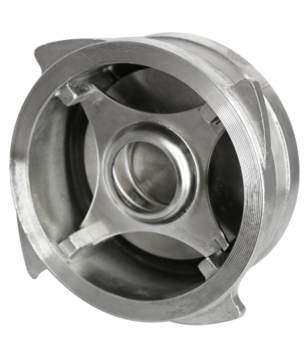
    Disc Valves
    Disc Valves$100 - $500
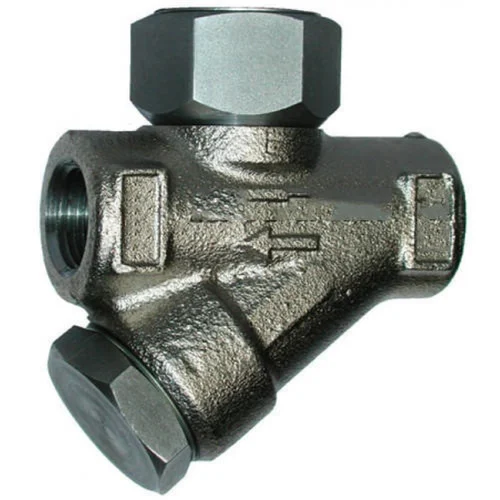
    Steam Traps
    Steam Traps$100 - $500
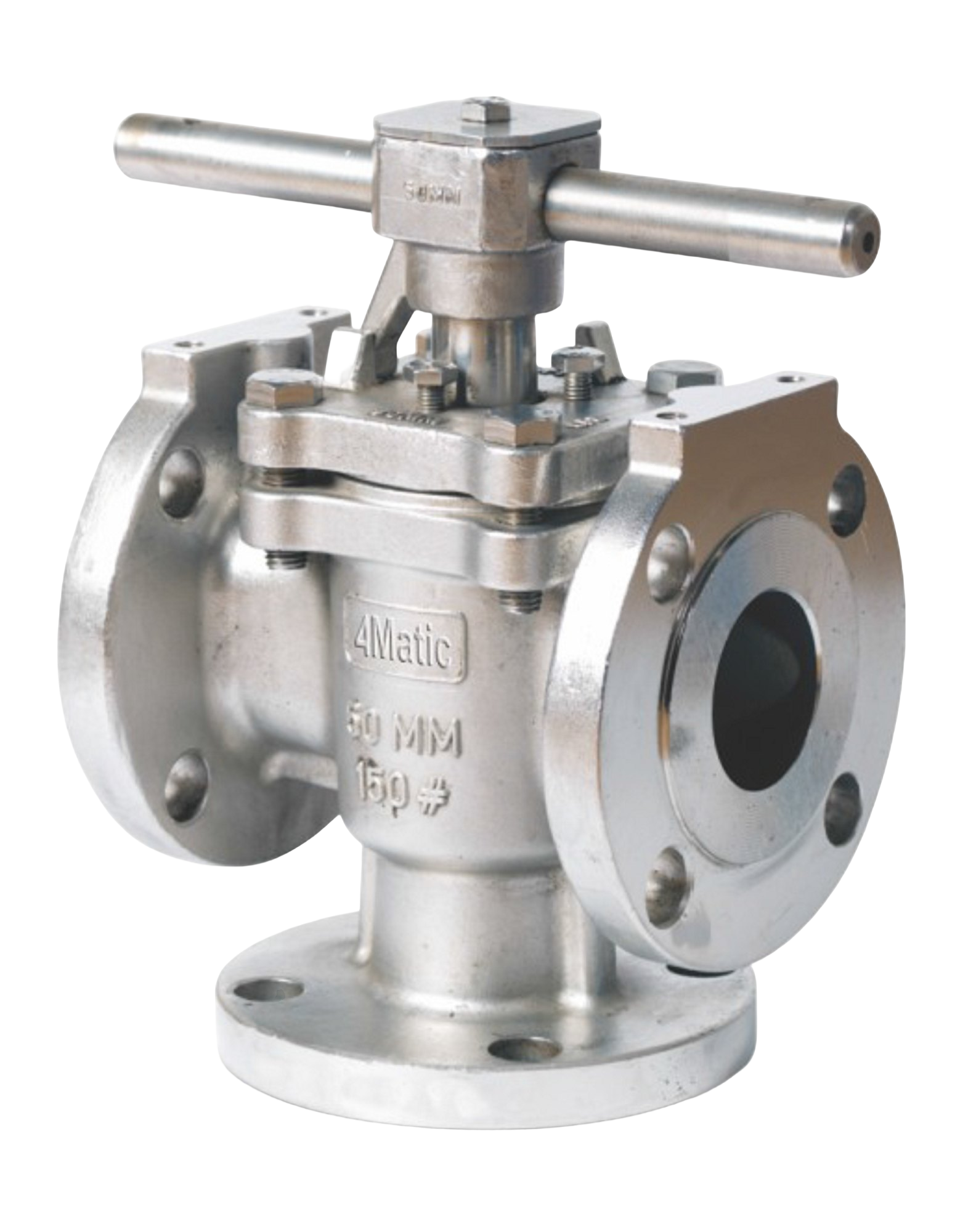
    Plug Valves
    Plug Valves$100 - $500
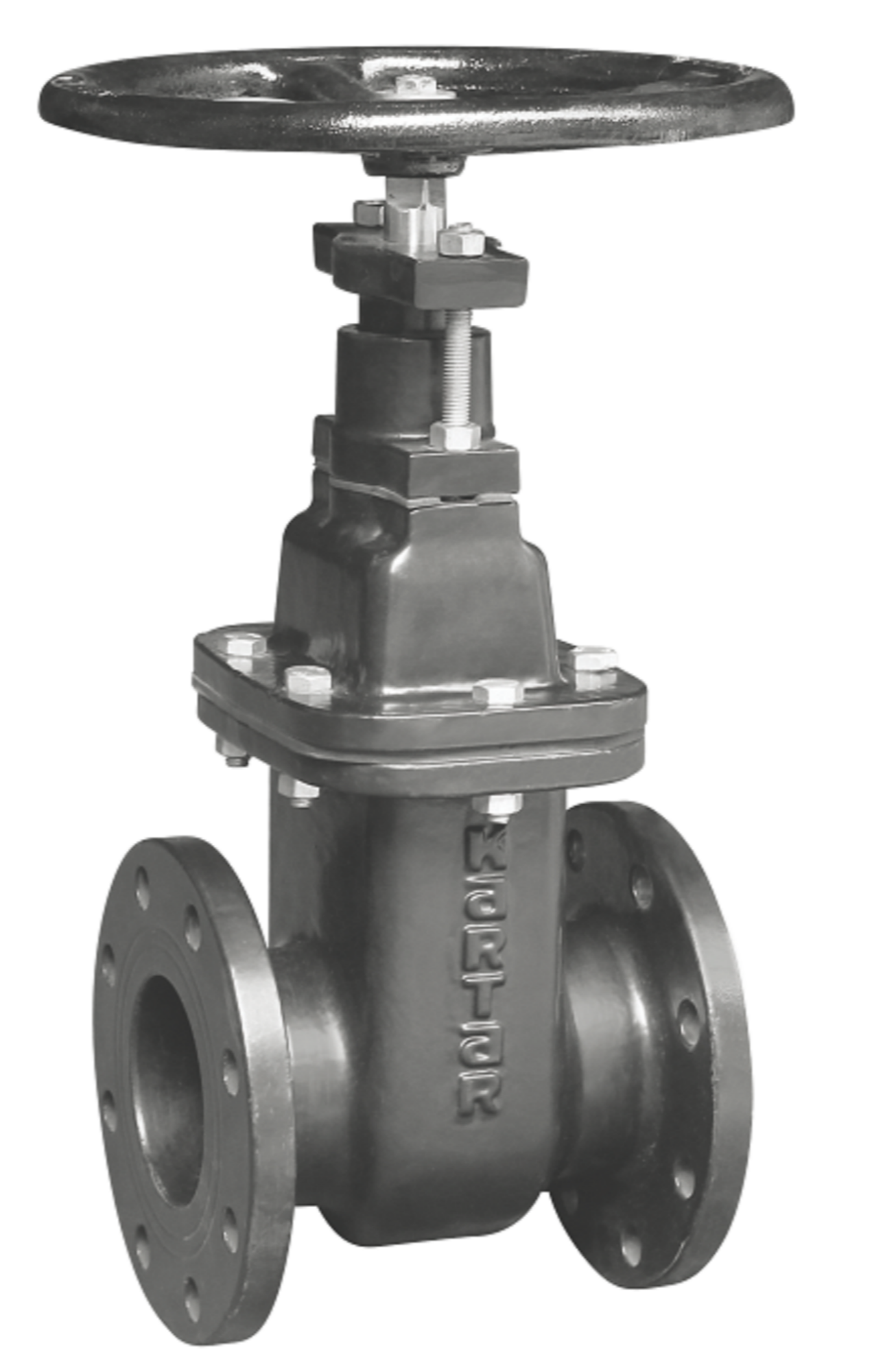
    Sluice Valves
    Sluice Valves$100 - $500
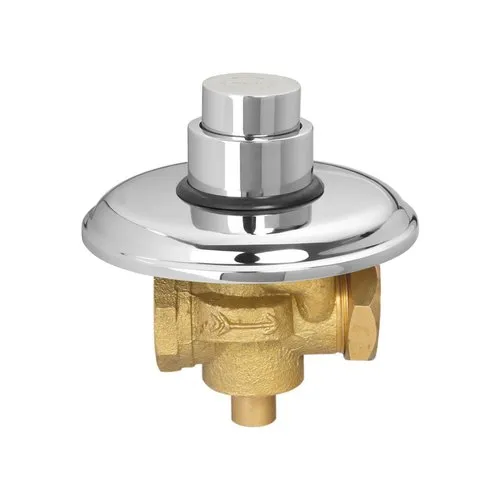
    Flush Valves
    Flush Valves$100 - $500
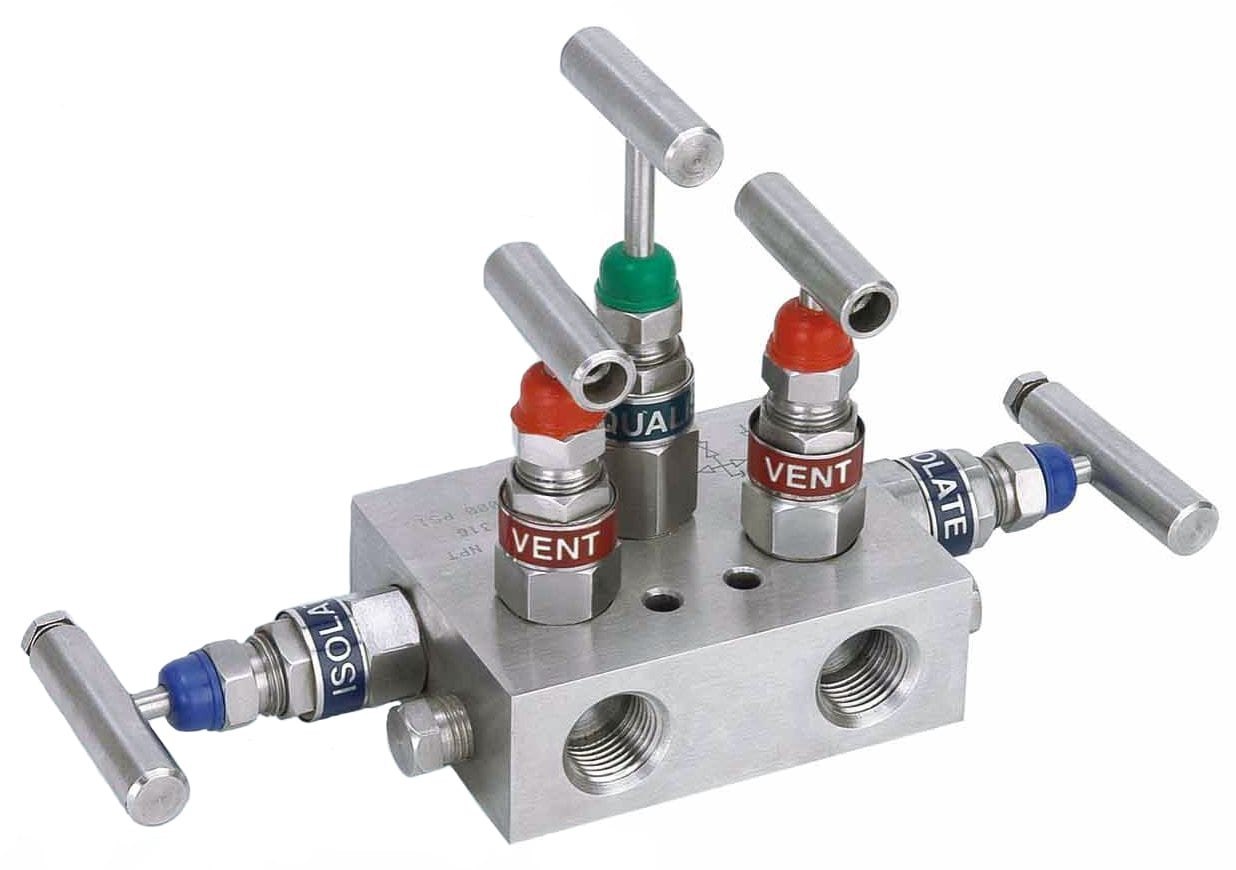
    Manifold Valves
    Manifold Valves$100 - $500
    Diaphragm Valves
    Diaphragm Valves$100 - $500
    Water Valves
    Water Valves$100 - $500
    Drain Valves
    Drain Valves$100 - $500
    Multiport Valves
    Multiport Valves$100 - $500
    Cast Iron Valves
    Cast Iron Valves$100 - $500
    Air Valves
    Air Valves$100 - $500
    Needle Valves
    Needle Valves$100 - $500
    Brass Valves
    Brass Valves$100 - $500
    Angle Valves
    Angle Valves$100 - $500
    Gas Valves
    Gas Valves$3 - $30
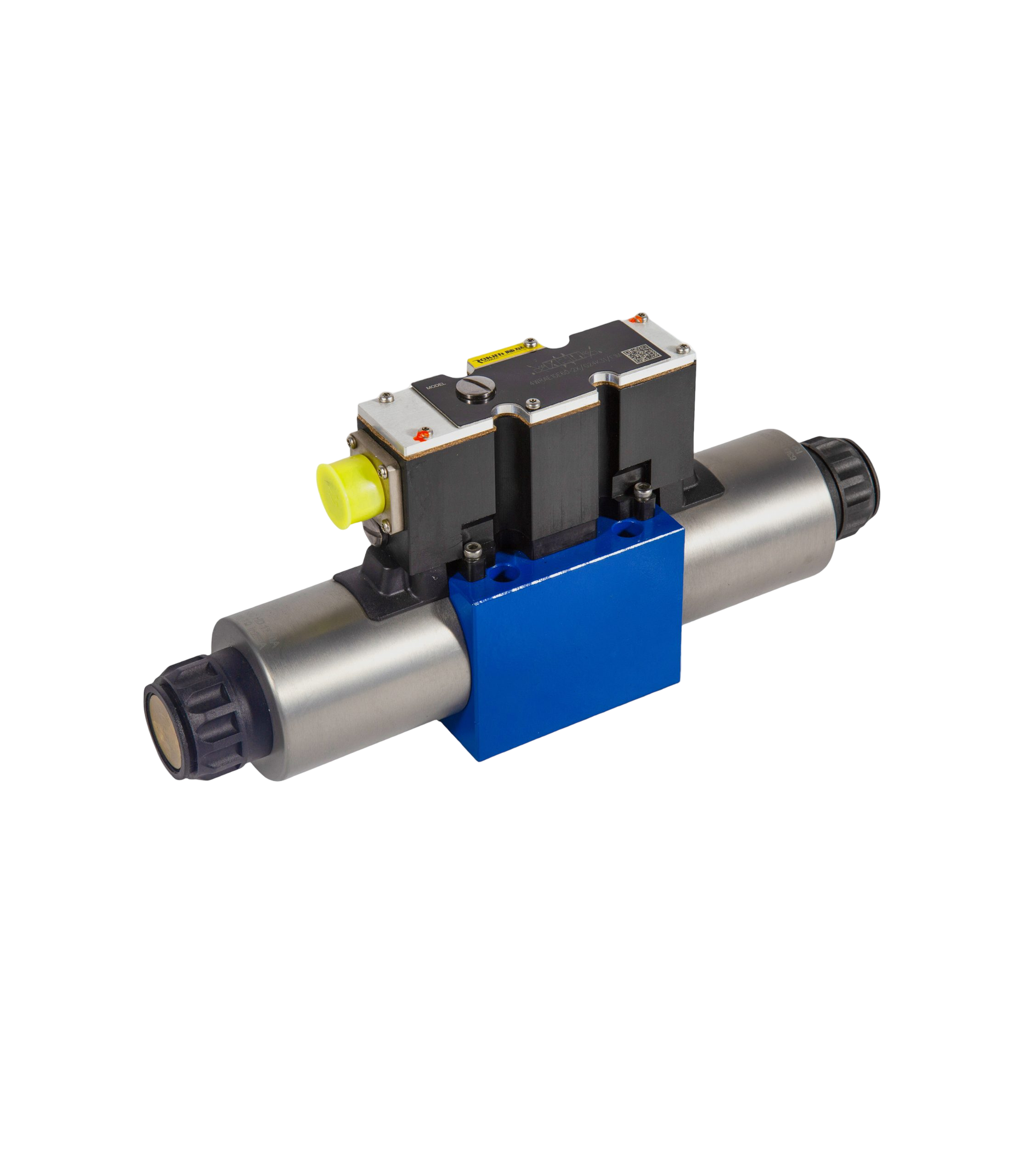
    Hydraulic Valves
    Hydraulic Valves$100 - $500
    Solenoid Valves
    Solenoid Valves$100 - $500
    Industrial valves sourcing

    About Industrial valves

    Process valves for chemical, power, water and general industry from Indian manufacturers: isolation, throttling, non-return and protection duties in iron, carbon steel and stainless.

    This hub gathers general-purpose process valves for industrial plants: the isolation, throttling, non-return and protection hardware that chemical works, power stations, water treatment plants, sugar and paper mills and general factories buy in volume. The families beneath it, ball, butterfly, gate, globe, check and related designs, are covered in their own subcategories; this page helps a buyer decide which family fits which line before drilling down. Indian manufacturers serve this segment with cast iron and ductile iron for water and low-pressure utility duty, WCB carbon steel for steam, condensate and general process, CF8 and CF8M stainless for corrosive media, and bronze or brass in small bores, across DN15 to DN1200 with PN10 to PN64 and ASME Class 150 to 600 ratings. Steel valves are rated per ASME B16.34 and shop-tested to API 598 as the industry baseline, with material test certificates and third-party inspection available for export orders. Selection turns on four questions: what duty the valve performs, what medium and temperature it sees, what pressure class the line carries, and how it will be operated. State those, with size, end connection and quantity, in an enquiry and vetted manufacturers will quote against it.

    Buyer guide

    Specifying Industrial Valves: Duty, Material, Class and Ends

    01

    Four questions settle the specification

    Every industrial valve enquiry reduces to duty, medium, rating and operation. Answer those four and the family, material and class largely choose themselves; leave them vague and quotations scatter.

    02

    Duty first

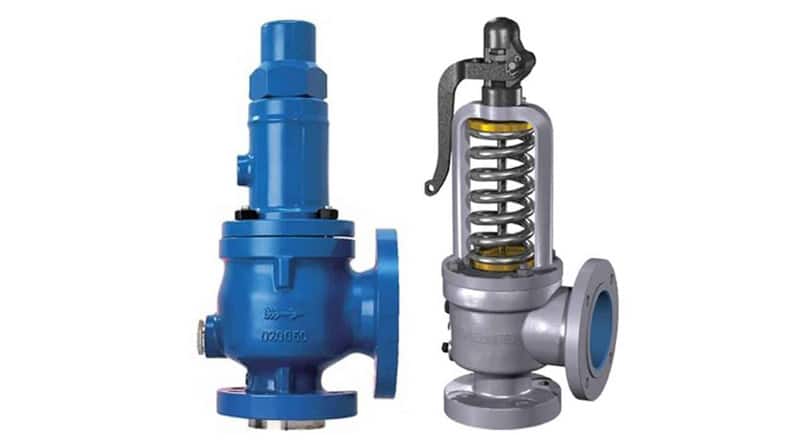
    Isolation valves live fully open or fully shut: ball valves for tight shutoff on clean fluids to about DN300, butterfly valves for economy on larger water and air lines, gate valves for long pipelines where pressure drop must be minimal and operation is rare. Throttling valves regulate: globe valves for accurate manual control and high differential pressures, butterfly for coarse trimming at size. Non-return valves protect pumps and keep lines primed, chosen by closing speed and mounting orientation. Protection valves, safety and relief, are sized to the equipment they protect, never by pipe bore. Automated shut-off is covered under the actuated valves hub.

    03

    Medium and temperature drive material

    Cast iron and ductile iron carry water, air and utility duty economically. WCB carbon steel is the default for steam, condensate and general process to around 425 degrees C. CF8 and CF8M stainless answer corrosive media, with CF8M preferred where chlorides threaten pitting. Bronze and gunmetal serve small-bore water and marine-influenced duty. Trim materials, seats, stems, discs, commonly run a grade harder or nobler than the body: SS410 or SS316 trim in carbon steel bodies, stellited seats for steam. State the medium honestly, including cleaning chemicals and trace contaminants, because most corrosion failures trace to a fluid the enquiry never mentioned.

    04

    Rating and ends

    Choose PN or ASME class from line design pressure at design temperature using the material's pressure-temperature curve per ASME B16.34, not the cold rating. Then fix the end connection: flanged to your project's drilling standard, threaded or socket-weld in small bores, wafer or lug pattern for butterfly economy, butt-weld where the line is fully welded. Mismatched flange drilling is the most avoidable site problem in imported orders; state the standard explicitly.

    05

    Operation

    Lever or handwheel for accessible valves, gearbox above the sizes a person can swing (typically DN200 and up for butterfly, DN300 for ball), chainwheel for high mounting, actuation where remote or automatic operation is needed.

    06

    Testing and export practice

    Specify API 598 shop testing with certificates, material traceability, and third-party inspection where the order value justifies it. Indian manufacturers export globally and provide seaworthy packing, fumigation certificates and documentation against letters of credit as standard practice.

    What to state in the enquiry

    Duty; medium, concentration and temperature; size; PN or class; body and trim material; end connection and drilling standard; operation; quantity per size; testing and inspection requirements; destination port. That one paragraph is the difference between a quotation in days and a week of clarifying emails.

    Submit an enquiry →
    Technical guide

    How Industrial Process Valves Work

    The pressure envelope and the moving part

    Every industrial valve is two machines in one casting: a pressure vessel, body, bonnet, joints, that must contain line pressure with the same integrity as the pipe, and a mechanism, stem, obturator, seat, that controls flow through it. The envelope is qualified by rating standards and shell testing; the mechanism by seat testing and, ultimately, by service. Understanding failures means knowing which machine failed.

    How shutoff actually happens

    Sealing is always the same physics: a closure member pressed against a seat hard enough that the contact stress exceeds what the differential pressure can leak past. Soft seats, PTFE, rubber, nylon, conform to small imperfections and give bubble-tight shutoff at modest force, but limit temperature and abrade with dirty media. Metal seats survive heat and grit but demand fine machining, and even then accept a small standard leakage rate, which is why test standards such as API 598 define different acceptance criteria for resilient and metal seated valves. A buyer choosing between them is really choosing between shutoff class and service robustness.

    Flow behaviour open and part-open

    Fully open, families differ mainly in pressure drop: full-bore ball and gate valves approximate a length of pipe, globe valves force two right-angle turns and cost several velocity heads, butterfly discs sit in the stream and cost something in between. Part-open, the picture changes: flow accelerates through a crescent gap, pressure falls locally, and with liquids near vapour pressure, bubbles form and collapse against metal, cavitation, which sounds like gravel and machines pits into seats. Families engineered for throttling direct that energy through renewable trim; isolation families take the damage on their sealing faces. This is the mechanical reason the duty question opens every specification.

    Dynamic behaviour on shutdown

    Valves also interact with the momentum of the fluid column. Slam a valve on a long liquid line and the column's kinetic energy converts to a pressure spike, water hammer, that can burst joints far from the valve. Slow-closing multi-turn valves soften this; quick quarter-turn closures on liquid lines may need controlled closing speeds. Check valves add their own dynamics: a slow swing check on a tripping pump lets reverse flow build before slamming shut, while spring-assisted designs close before the column reverses.

    Where the envelope leaks

    Stem passages are sealed by packing or O-rings that wear with cycles and temperature swings; body-bonnet joints rely on gaskets that relax; and castings can harbour porosity that only pressure testing exposes. Hence the shop regime: hydrostatic shell test above rating, seat test at specified pressure, per API 598, before any valve ships. Ratings themselves come from ASME B16.34 pressure-temperature curves for the body material group, which is why the same valve carries different allowable pressures cold and hot, and why an enquiry must state temperature alongside pressure.

    Why specification is most of reliability

    Surveyed failure causes in industrial valves repeat: wrong family for the duty, trim material below the medium's abrasion or corrosion demand, rating read at ambient instead of operating temperature, and operation habits the design never assumed. The manufacturing questions, casting soundness, machining, testing, are answered by standards and inspection; the specification questions are answered only by the enquiry you write. State duty, medium, temperature, rating, material, ends, operation and quantity, and the valve that arrives will be the valve the line needed.
    Popular searches in Industrial valves

    Frequently Asked Questions

    How do I decide which valve family my line needs?
    Which body material should I specify for industrial service?
    What do PN ratings and ASME classes mean when I compare quotes?
    What testing should I require on an industrial valve order from India?