• Home
  • Butterfly Valves
  • Butterfly Valves

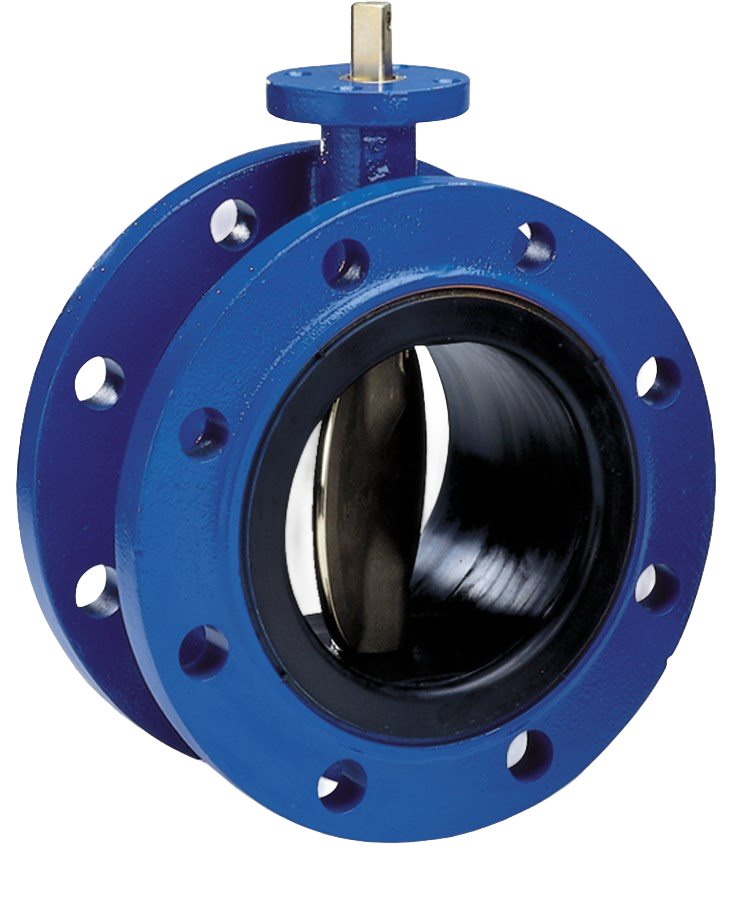
    Source butterfly valves from India's verified manufacturers and exporters on Himalay. Browse concentric butterfly valves, double eccentric butterfly valves, triple offset butterfly valves and connection type butterfly valves for industrial and export applications.

    Showing 7 items
    7 items
    Subcategories
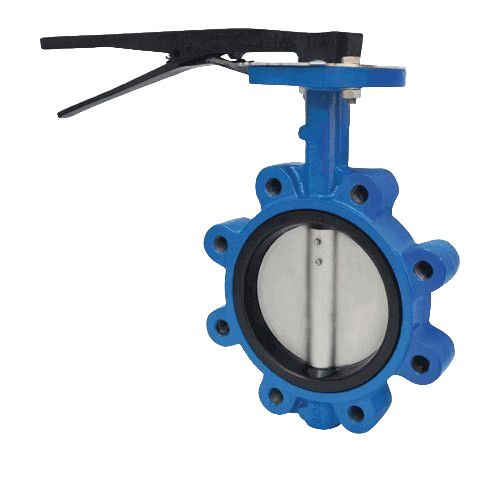
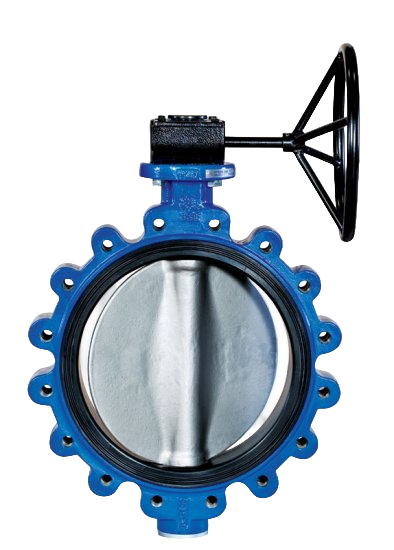
    Concentric Butterfly Valves
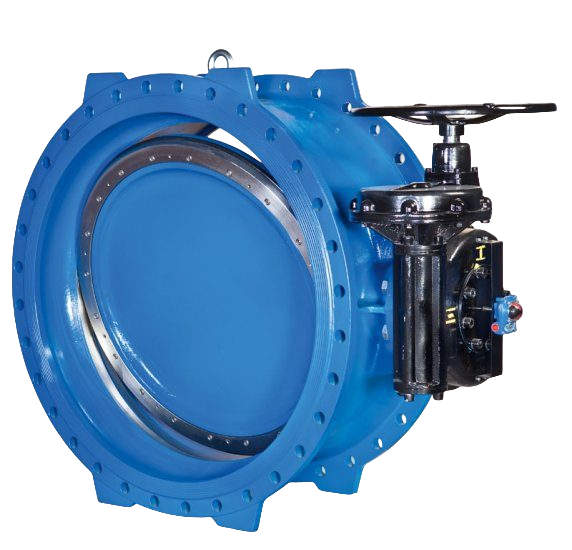
    Double Eccentric Butterfly Valves
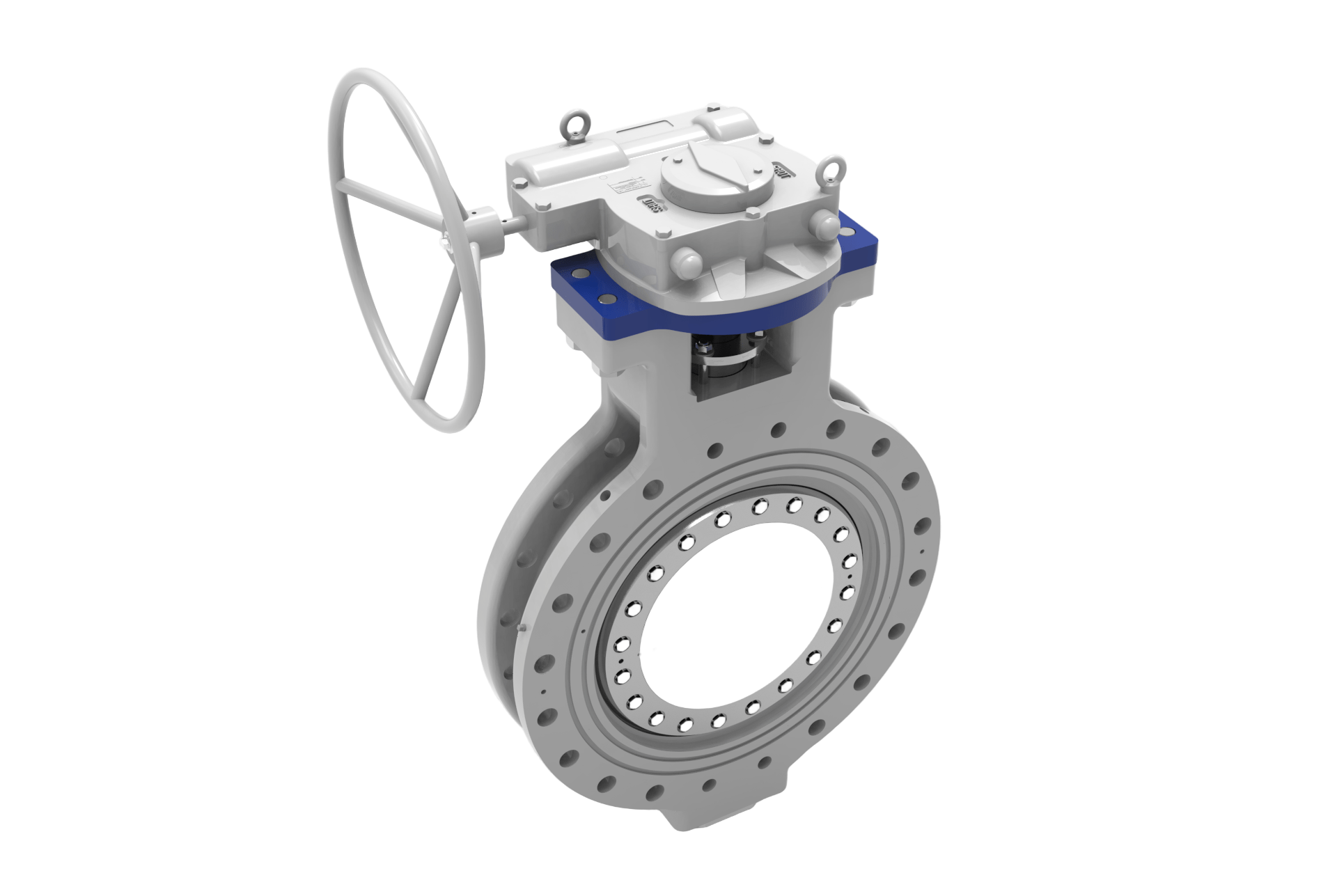
    Triple Offset Butterfly Valves
    Connection Type Butterfly Valves
    operation type
    Gear
    Lever
    body material
    DI
    SS316
    WCB
    end connection
    Flanged
    Wafer
    seat material
    PTFE
    trim material
    SS316
    Butterfly Valves sourcing

    About Butterfly Valves

    Butterfly valves across 50,113 listed configurations — wafer, lug and flanged bodies, DN40–DN1200, PN6 to ASME 300 — for water, HVAC, process and hydrocarbon service. Compare options and submit an RFQ.

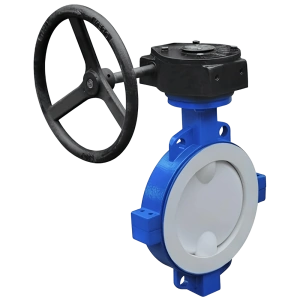
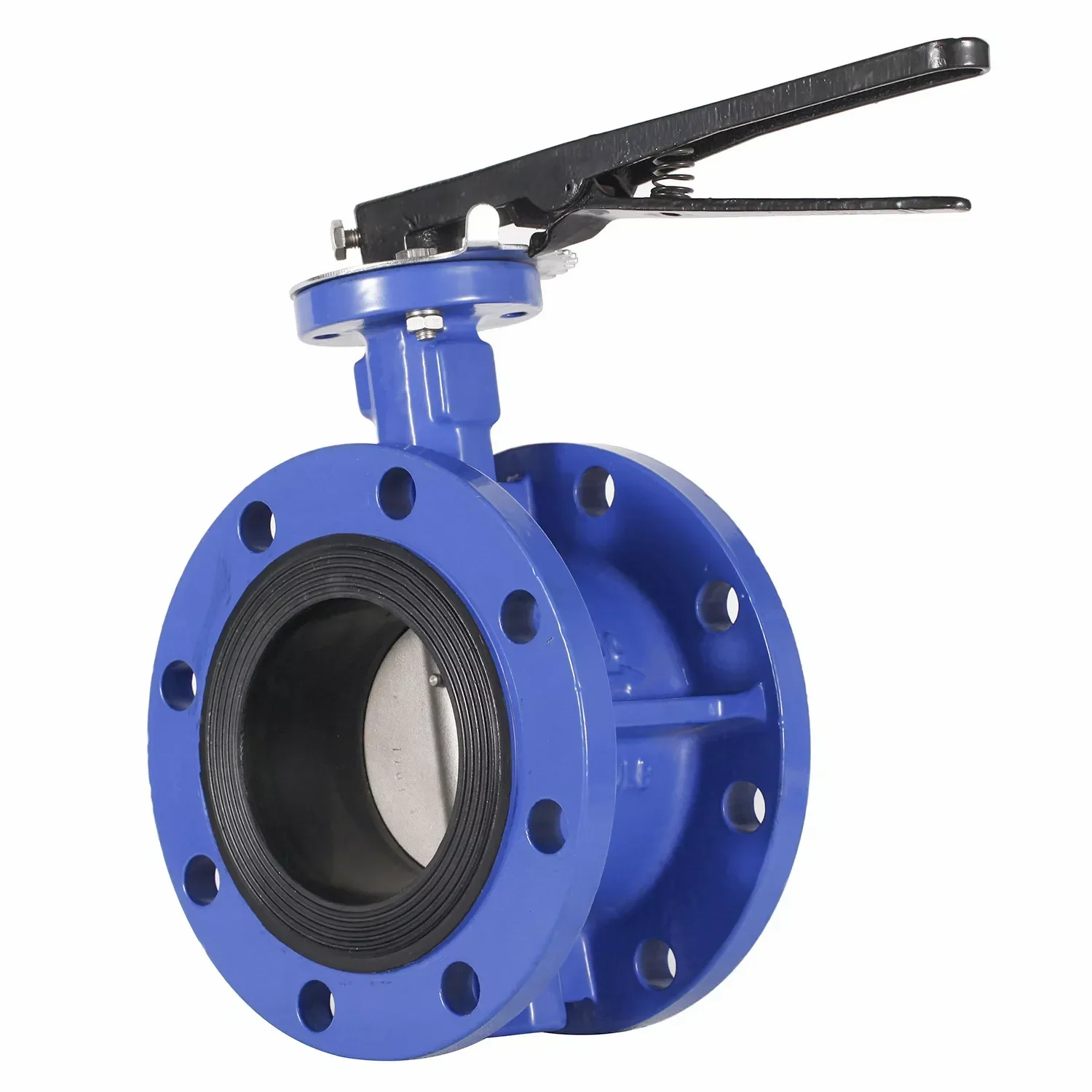
    Butterfly valves are quarter-turn valves in which a disc rotates about a shaft to open, throttle or close the flow path. Their short face-to-face, low weight and simple actuation make them the usual economic choice for isolation and control in larger bores, where ball or gate valves become disproportionately heavy and expensive. Himalay lists butterfly valves in three design families: concentric resilient-seated valves for water, HVAC and general utility duty; high-performance double-offset valves for process service at higher pressures and temperatures; and AWWA rubber-seated valves for waterworks duty. Across these families the catalogue spans 50,113 configurations from DN40 to DN1200. Body materials cover ductile iron (GGG40/A536), cast iron (IS 210/A126), carbon steel (A216 WCB), stainless steel CF8M, duplex 2205 (A995 4A), aluminium bronze (B148 C95800) and 6Mo/254 SMO for severe chloride service, plus PVC-U and CPVC thermoplastic bodies. Seats and liners are EPDM, NBR, PTFE (RTFE), FKM or metal-seated. End styles are wafer, lug, flanged, double-flange and mechanical joint; operation is lever, gear, bare stem to ISO 5211, or pneumatic and electric actuation. Pressure classes run PN6 through PN40, ASME 150 and 300, and AWWA 150B/250B. Metal-bodied valves follow API 609 (Category A concentric and Category B offset designs) and EN 593; waterworks valves follow AWWA C504; thermoplastic valves follow EN ISO 16136. For export orders, conformity requirements such as PED 2014/68/EU categorisation and CE marking for the EU, SABER for Saudi Arabia, ECAS for the UAE, and NACE MR0175 for sour service are specification points confirmed at RFQ stage. State the service medium, size, pressure class, face-to-face standard, body and seat materials, and operation type in your enquiry — these determine selection and price.
    Buyer guide

    Specifying Butterfly Valves: Body Style, Offset, Seat and Class

    01

    How to choose between the three design families

    Concentric resilient-seated valves place the stem on the disc centreline with an elastomer liner forming the seal; they are the lowest-cost family and the default for water, HVAC and utility isolation at moderate pressure and temperature. High-performance double-offset valves displace the stem from both the seat plane and the bore centreline, so the disc cams away from the seat on opening — reducing wear and enabling higher ratings, up to ASME 300 in the Himalay catalogue. AWWA rubber-seated valves are purpose-designed for waterworks service to AWWA C504. A note on triple-offset designs: these serve metal-seated high-temperature and hydrocarbon duty and are specified under API 609 Category B; they are not currently part of the Himalay butterfly catalogue.

    02

    The specification checklist

    Seven points decide most butterfly valve selections, and all seven are hard requirements in a complete enquiry: service medium; nominal size (DN or NPS); pressure class; face-to-face standard; end connection; body material grade; and seat material with its temperature window. Add operation type — lever, gear, or actuation — and, for automated valves, the fail-safe mode and required actuator torque.

    03

    Size and class coverage

    The catalogue spans DN40 to DN1200 across 50,113 configurations. Pressure classes by family: concentric resilient-seated valves run PN6–PN25 and ASME 150; high-performance double-offset valves run PN25–PN40 and ASME 150–300; AWWA rubber-seated valves carry Class 150B and 250B. In AWWA designations the class number is the maximum steady-state working pressure in psig, and the "B" suffix denotes a 16 ft/s maximum line velocity rating.

    04

    Materials against service

    Ductile iron (GGG40/A536) with an EPDM liner is the workhorse for water and HVAC. Carbon steel (A216 WCB) and CF8M stainless cover general process duty; duplex 2205 serves seawater and high-chloride streams; aluminium bronze (B148 C95800) is the marine-service alternative; 6Mo/254 SMO addresses severe chloride and brine service. PVC-U and CPVC bodies to EN ISO 16136 suit corrosive water-treatment chemicals; catalogue thermoplastic valves are PN10-rated, with material temperature limits of roughly 55 °C for PVC-U and 95 °C for CPVC per published maker data — well inside the standard's overall −40 °C to +120 °C thermoplastics scope. On seats: EPDM for water, NBR for oils, FKM for hydrocarbons at temperature, PTFE for chemical breadth (working limit roughly 200 °C), metal seats beyond that. For low-temperature duty, −29 °C is the conventional Charpy impact threshold below which low-temperature grades (A352) are specified.

    05

    Standards map

    API 609 governs double-flanged, lug- and wafer-type butterfly valves in two categories: Category A concentric valves rated by manufacturer's cold working pressure, NPS 2–60 with Class 125/150 bolting patterns; Category B offset-seat, pressure-temperature-rated valves in Classes 150–600. EN 593 is the European general-purpose metallic butterfly valve standard, covering wafer, lug, flanged and butt-weld ends from DN20 to DN4000 and ratings PN2.5 through Class 900. AWWA C504 covers rubber-seated waterworks valves 3"–72" for fresh water between 0.6 °C and 52 °C. EN ISO 16136 covers thermoplastic butterfly valves DN15–DN600 with a 25-year design life. Design verification on ASME-pattern valves references ASME B16.34 pressure-temperature ratings.

    06

    Import conformity by destination

    EU: PED 2014/68/EU categorisation (Article 4.3/SEP through Category IV) with the matching conformity module and CE marking; EN 10204 3.1 material certificates are the standard procurement baseline. Saudi Arabia: SABER platform conformity is mandatory for imports. UAE: ECAS conformity applies. Sour hydrocarbon service additionally invokes NACE MR0175 material limits on all wetted parts. Fire-safe certification to API 607 or API 6FA applies where hydrocarbon isolation demands it — state it explicitly; it changes seat and body verification.

    From spec to RFQ

    A complete butterfly-valve enquiry states: medium, DN/NPS, class, face-to-face, ends, body grade, seat, operation, destination market and any fire-safe, NACE, potable or hygiene requirement. With those ten points, quotations are comparable line-for-line across makers — and anything not stated becomes an assumption a supplier must guess at. Share the line spec or datasheet with your RFQ and the configuration is matched against the catalogue directly.

    Submit an enquiry →
    Technical guide

    How Butterfly Valves Work

    Mechanism: a disc on a shaft that stays in the flow path at every position

    A butterfly valve's "valve configuration consists of a stem and disc that rotate 90° from open to close." Because the disc never leaves the bore, its angle at any point between the two stops sets the open area directly: "when the disc aligns itself parallel with the flow, it allows maximum fluid passage. Conversely, when it is set perpendicularly, the fluid can be fully restricted." The catalogue's high-performance double-offset family displaces the shaft from both the disc and seat centrelines, which produces "camming action, moving the disc away from the seat rather than across it, reducing rubbing between the disc and seat" on opening. That reduced-rubbing geometry — rather than a thicker liner — is what lets an offset design carry the higher pressure classes and longer seat life a concentric resilient-seated disc cannot reach.

    Industries served: wherever a large bore needs light, fast isolation rather than a heavy gate

    Resilient-seated butterfly valves see the widest spread of duty: "isolation and control applications including HVAC, chemical and petrochemical, food and beverage, power generation, water and wastewater, oil and gas, mining and dry bulk handling." A second source narrows this to everyday installed base: butterfly valves "are commonly used in HVAC systems, water treatment, wastewater processing, chemical processing, food and beverage lines, and other industrial piping applications where dependable flow regulation is required." The same source notes that municipal water, wastewater and major process lines "often utilise double-flanged valves due to their stability" over the lighter wafer or lug styles — a distinction the catalogue's own end-connection range reflects directly.

    Standards landscape: a metallic-valve code, a European general-purpose code, a waterworks code and a thermoplastics code — not one universal spec

    API 609 governs double-flanged, lug- and wafer-type butterfly valves in two categories — Category A concentric valves rated by manufacturer's cold working pressure, and Category B offset-seat, pressure-temperature-rated valves — both listed on this catalogue. EN 593 is the equivalent general-purpose European standard for metallic butterfly valves, covering wafer, lug, flanged and butt-weld ends from DN20 to DN4000 across PN2.5 through Class 900. The catalogue's AWWA rubber-seated family instead follows AWWA C504, which covers rubber-seated valves 3"–72" for fresh water up to 250 psig working pressure. Thermoplastic-bodied valves follow EN ISO 16136, covering DN15–DN600 with a stated 25-year design life. Sources: [Valve Magazine — An Overview of Butterfly Valves](https://www.valvemagazine.com/articles/an-overview-of-butterfly-valves); [IQS Directory — Types, Materials, Functions and Benefits of Butterfly Valves](https://www.iqsdirectory.com/articles/butterfly-valve.html) ---

    Popular searches in Butterfly Valves

    Frequently Asked Questions

    Wafer, lug or double-flanged — which body style should I specify?
    Can a wafer butterfly valve be used for end-of-line service?
    When do I need a double-offset (high-performance) butterfly valve instead of a concentric one?
    Which seat material should I choose for my medium and temperature?
    Are potable-water approved butterfly valves available?
    What conformity documentation applies for EU, Saudi and UAE imports?
    Do you list hygienic or sanitary butterfly valves?