Plastic Resins & Polymer Granules
Source plastic resins & polymer granules from India's verified manufacturers and exporters on Himalay. Browse low density polyethylene, linear low density polyethylene, high density polyethylene, homopolymer polypropylene and copolymer polypropylene for industrial and export applications.
Browse Plastic Resins & Polymer Granules by Type
About Plastic Resins & Polymer Granules
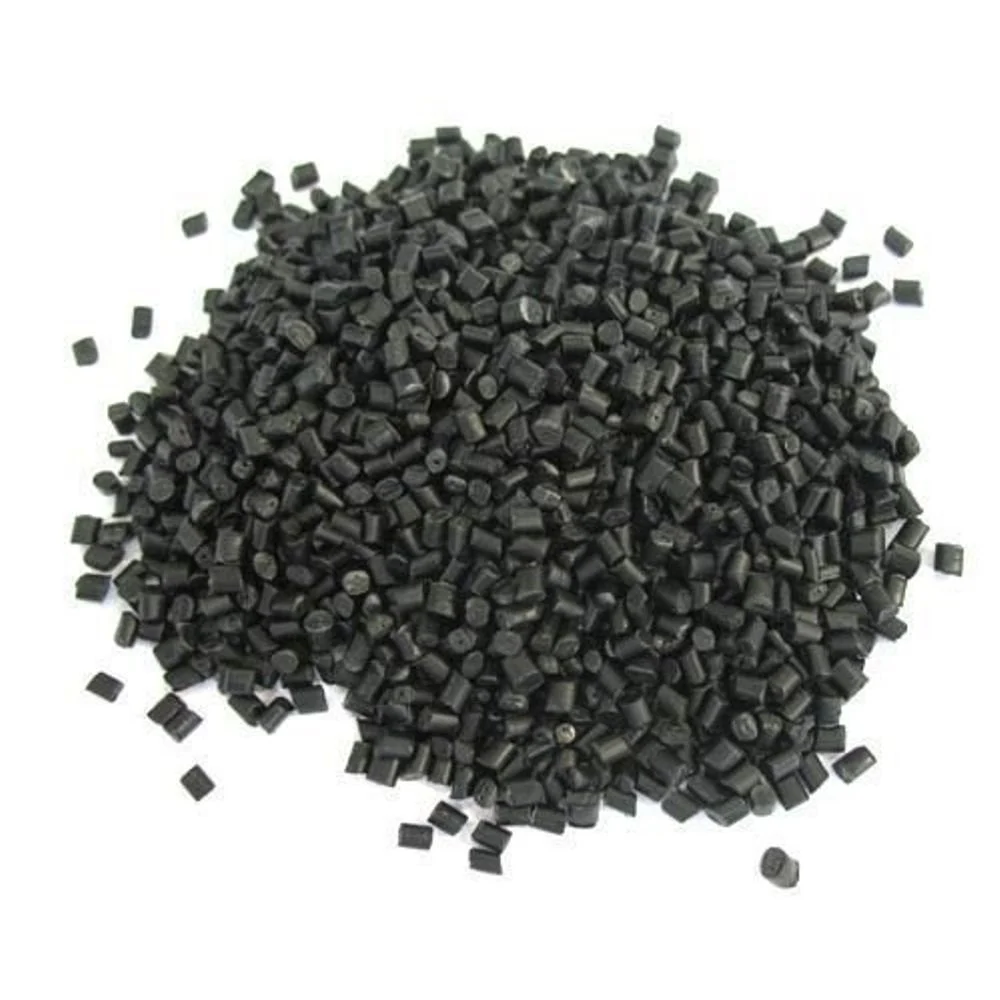
Polymers and plastics cover the synthetic organic materials — thermoplastics, thermosets, elastomers — used as feedstock across manufacturing: injection moulding, extrusion, blow moulding, film, fibre, compounding, and specialty applications. India is a growing player in commodity polymer production (PE, PP, PVC, PS, PET) with anchor producers Reliance, IOC, GAIL, and Haldia, and has rapidly growing capacity in engineering thermoplastics and specialty polymers.
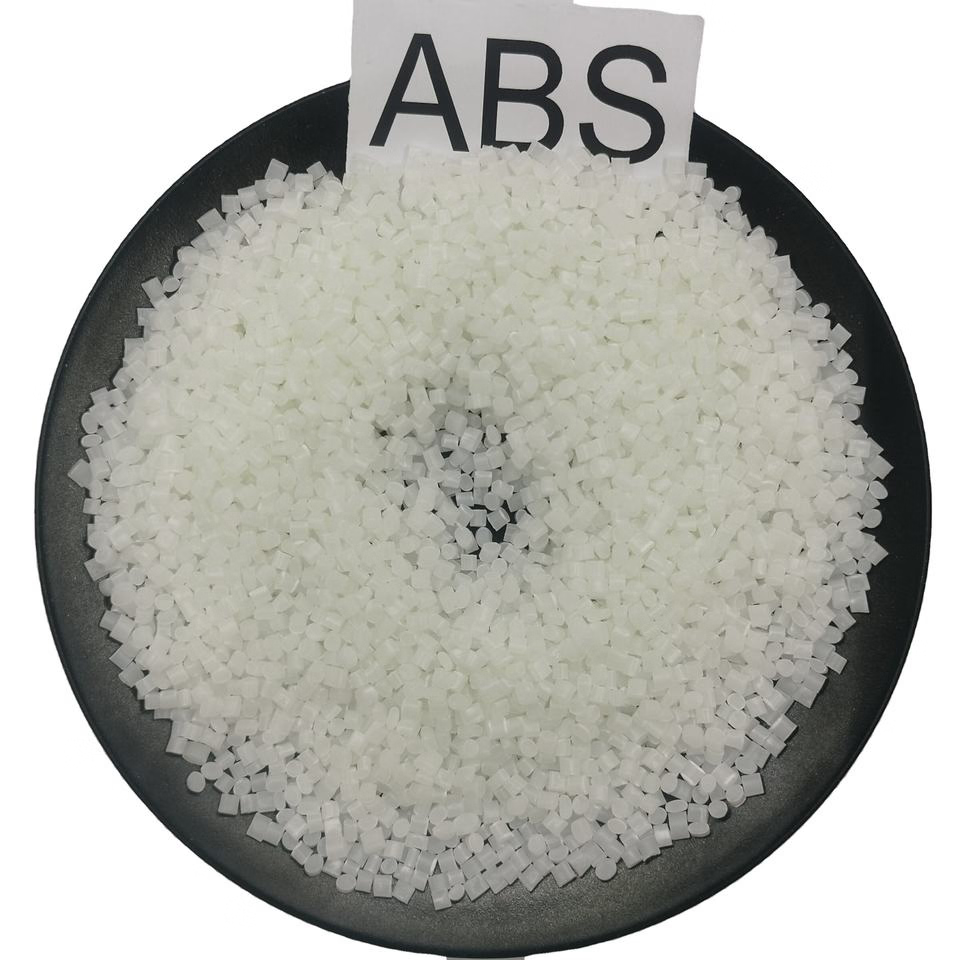
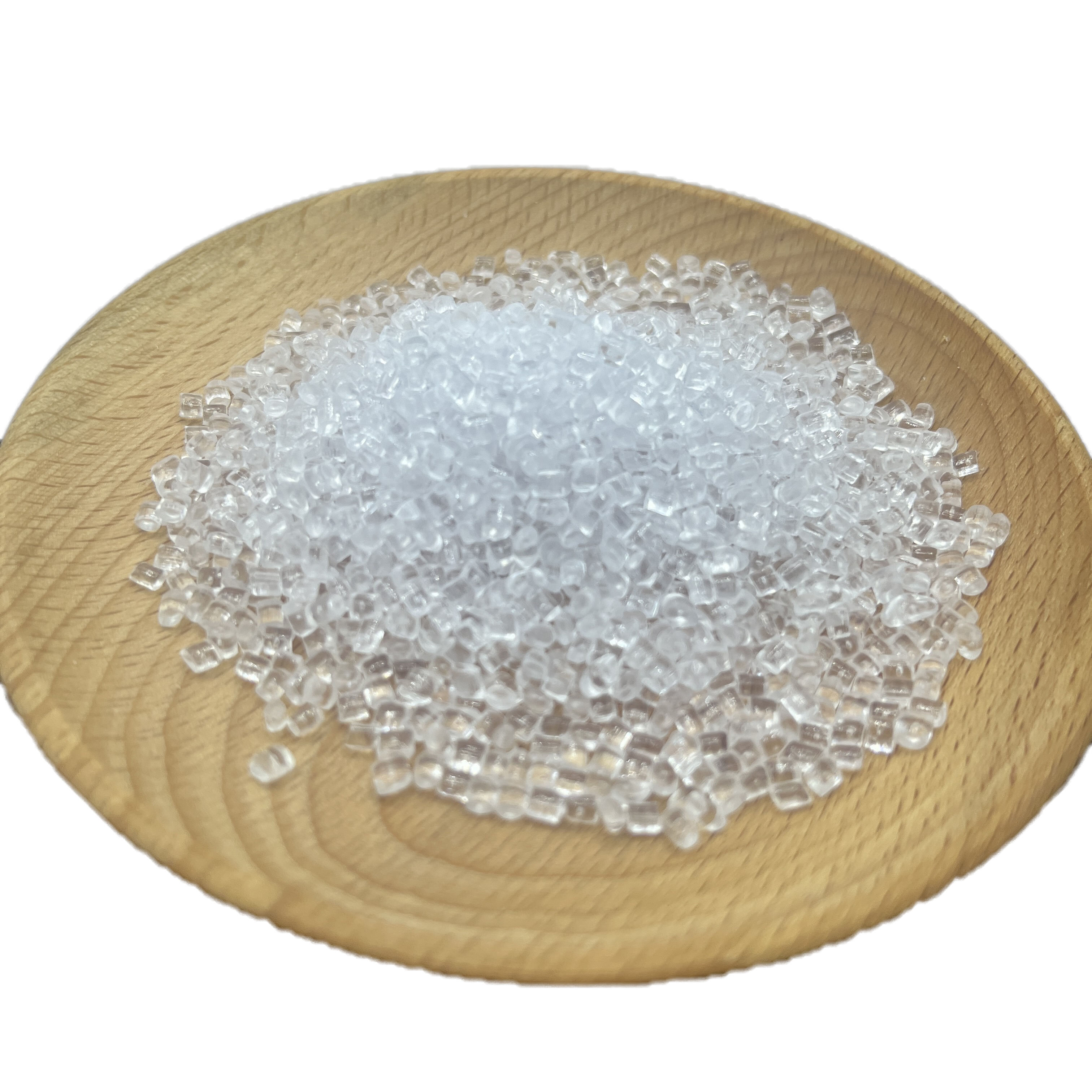
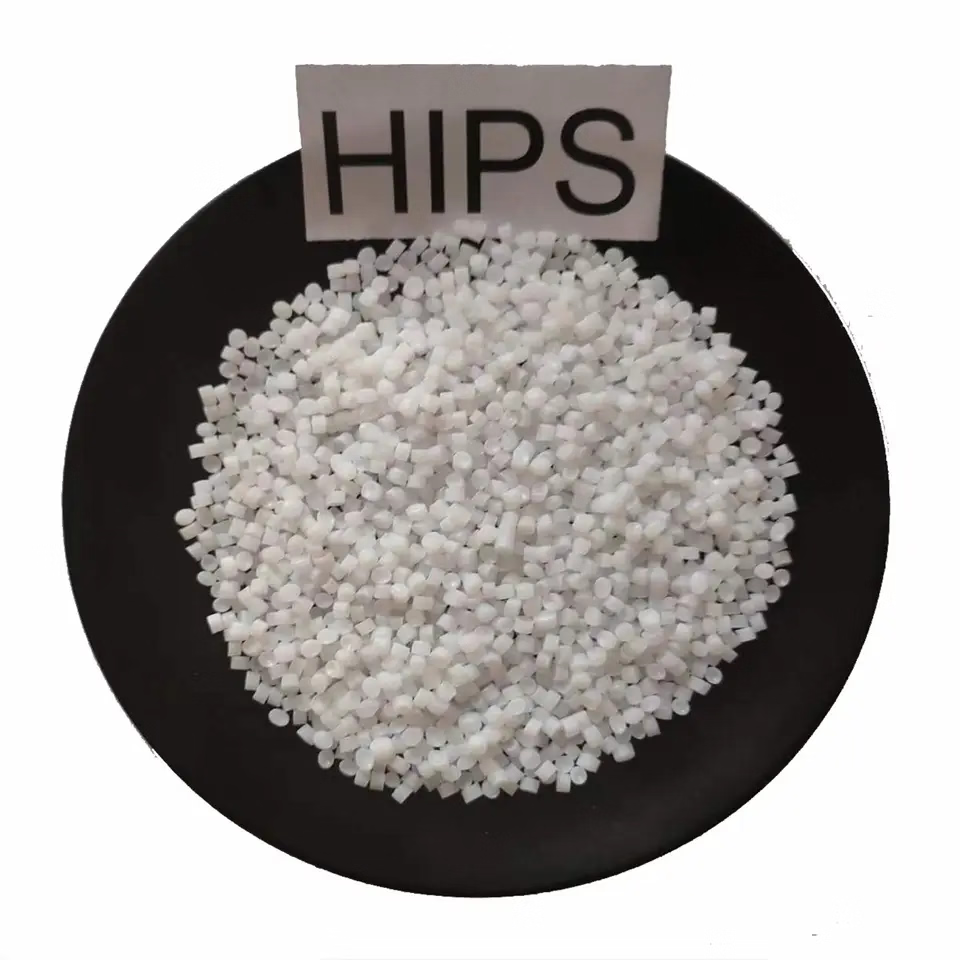
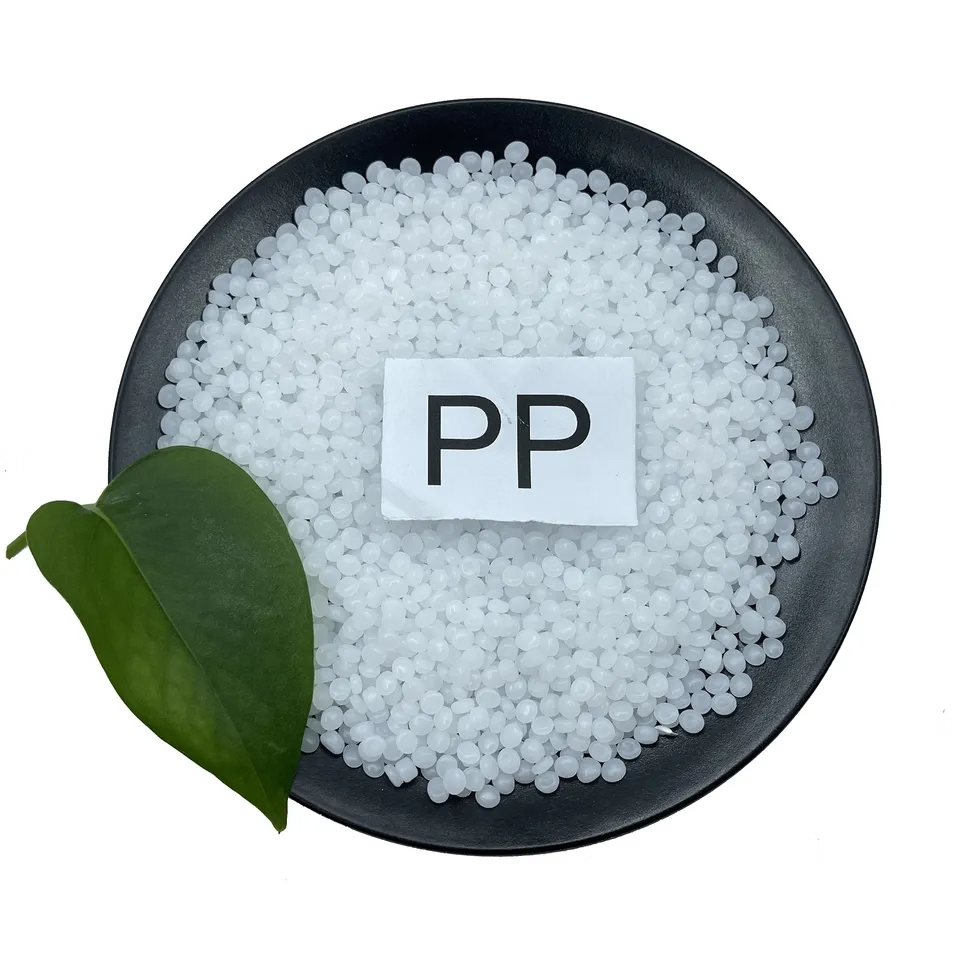
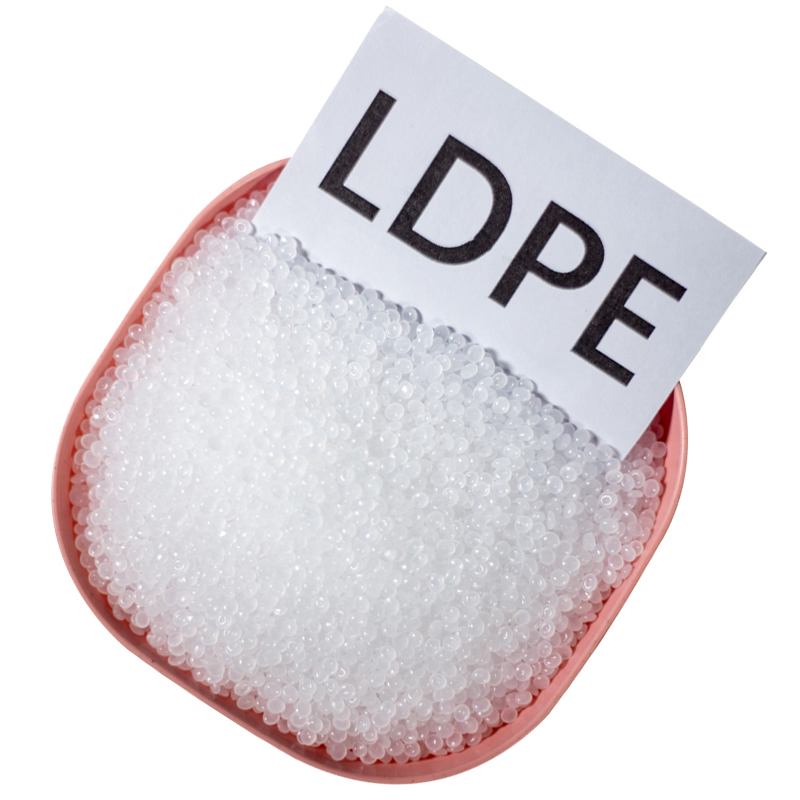
Commodity polymer families: polyethylene — HDPE (high-density, rigid packaging, pipes, drums), LDPE (low-density, films, flexible packaging), LLDPE (linear low-density, stretch film and thin-gauge film); polypropylene — homopolymer (rigid packaging, caps, automotive interiors), random copolymer (transparency, food packaging), impact copolymer (automotive, appliances); PVC — suspension PVC (rigid pipe, window profiles), emulsion PVC (flexible compounds, synthetic leather); polystyrene — general purpose (disposable items), high-impact (refrigerators, consumer durables), expandable (insulation); PET — bottle grade, fibre grade, film grade; and acrylonitrile butadiene styrene (ABS) — toy-grade through engineering grade.
Engineering thermoplastics (higher performance, higher cost): polyamide (PA6, PA66 — nylon — bearings, gears, automotive components); polycarbonate (PC — optical clarity, electronics, automotive lighting); polybutylene terephthalate (PBT — electrical and automotive connectors); polyoxymethylene (POM — acetal — precision mechanical parts, fuel-system components); polyphenylene sulphide (PPS — high-temperature, chemical resistance); modified polyphenylene oxide (mPPO, Noryl — electrical and automotive); liquid-crystal polymer (LCP — high-temperature, precision electronics). High-performance polymers (specialty, premium cost): polyether ether ketone (PEEK — aerospace, medical, extreme-temperature), polyphenylsulfone (PPSU, Radel R — steam-sterilisable medical, plumbing), polyetherimide (PEI, Ultem — aerospace, electronics), polytetrafluoroethylene (PTFE — chemical, high-temperature), polyvinylidene fluoride (PVDF — chemical, electrical cable jacket), ethylene chlorotrifluoro-ethylene (ECTFE, Halar).
Key specifications: melt flow index (MFI, g/10 min at standard test conditions — defines processability and downstream part properties); density (for PE grades especially); tensile, flexural, and impact properties; heat-deflection temperature; flammability rating (UL 94 V-0, V-1, V-2 for electronics applications); food-contact compliance (FDA CFR 21, EU 10/2011); and application-specific approvals (automotive OEM specs, medical USP Class VI, drinking-water WRAS/ACS).
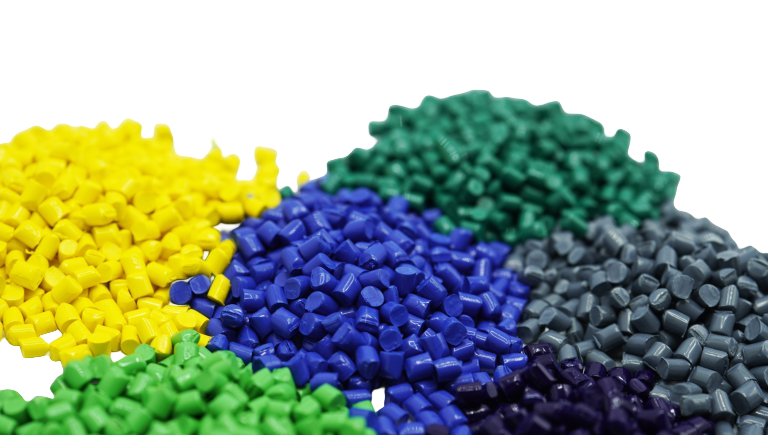
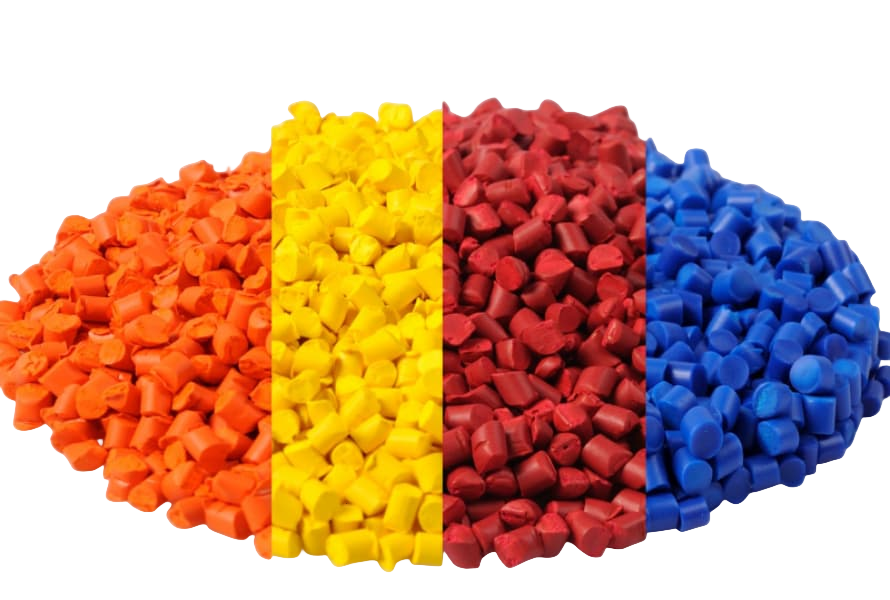
Compounding and masterbatches: base polymer resin is often compounded with additives — colourants (masterbatch pellets carrying 30–70% pigment in a resin carrier), flame retardants, UV stabilisers, impact modifiers, antistatic agents, reinforcements (glass fibre, carbon fibre, mineral fillers). Himalay sources both virgin resin and custom compounds per buyer specification.
Packaging: 25 kg bags (most common for free-flowing pellets), 1 MT jumbo bags (FIBC, cost-effective for bulk), octabins (25–400 kg cardboard bulk packages), and rail or tanker-truck bulk for very large domestic volumes. Export is primarily 20 ft container (18–22 MT) or 40 ft (28–30 MT) bagged or jumbo-bagged. Food-contact and pharmaceutical grades ship in sealed bags with inert atmosphere where specified.