Springs
Source springs from India's verified manufacturers and exporters on Himalay. Browse helical springs, flat & spiral springs, disc springs, leaf springs and specialty springs for industrial and export applications.
Browse Springs by Type
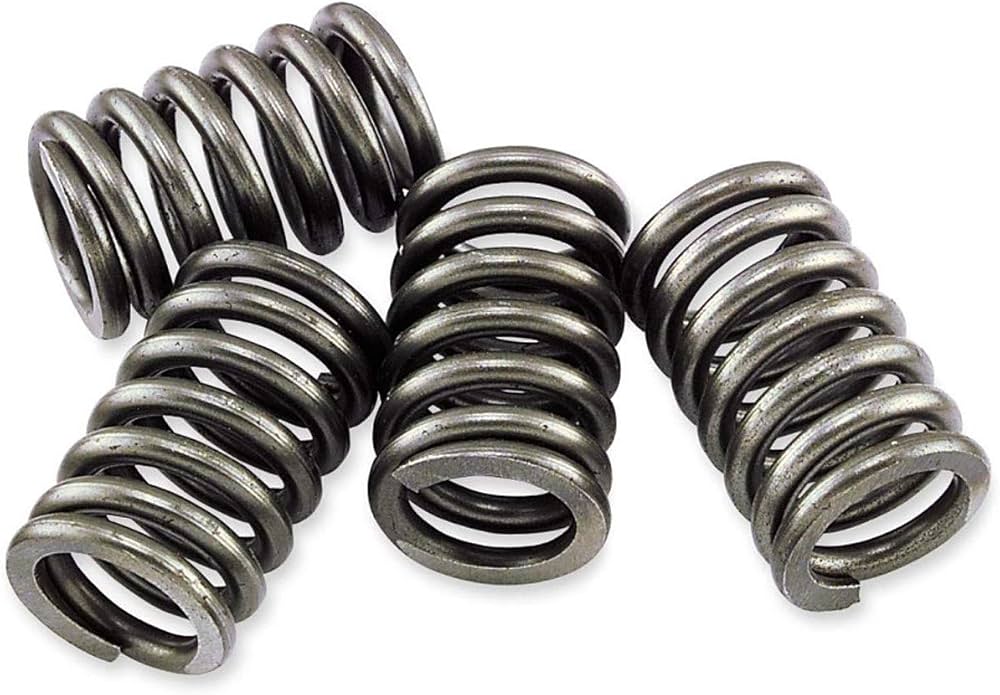
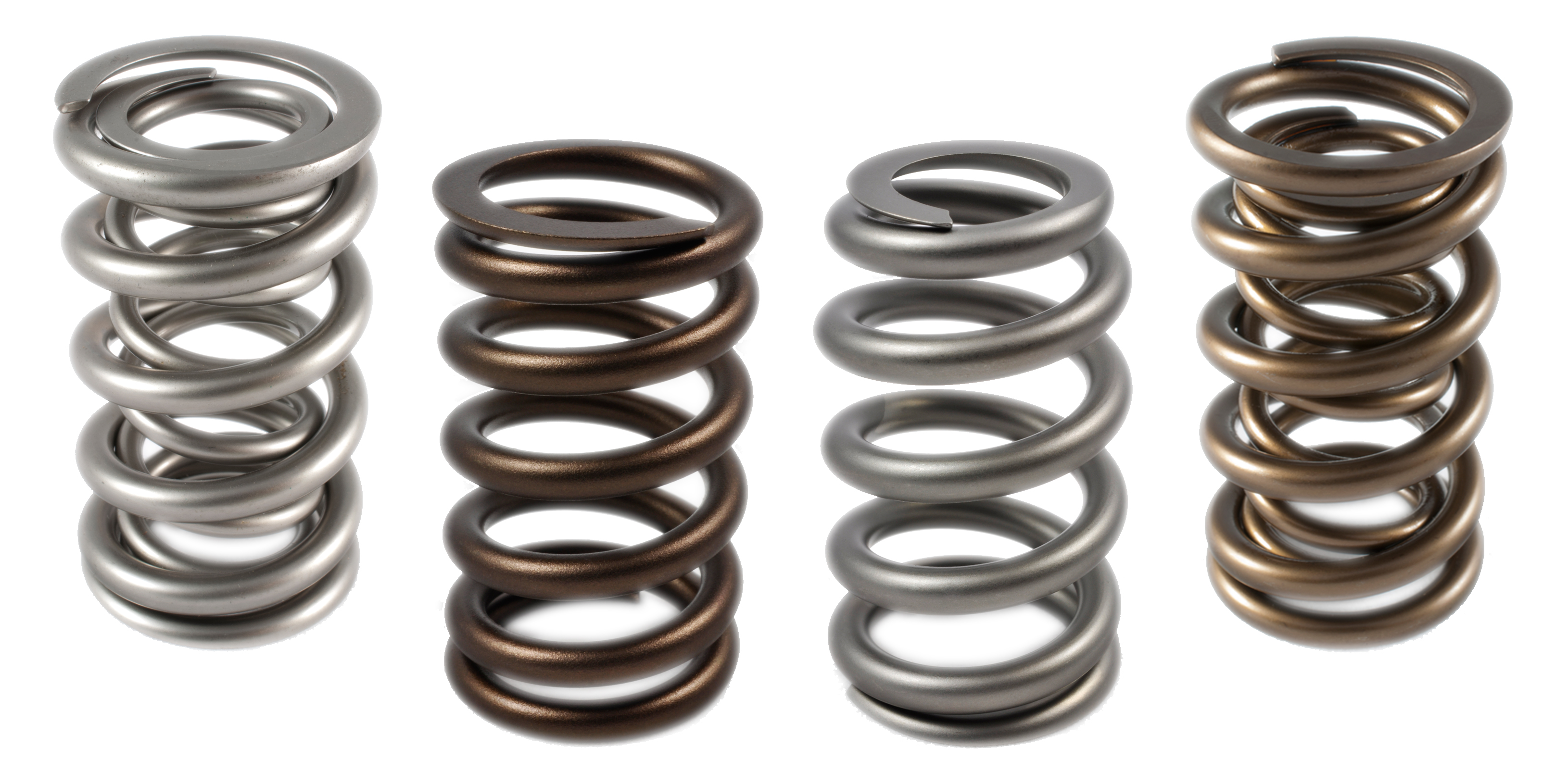
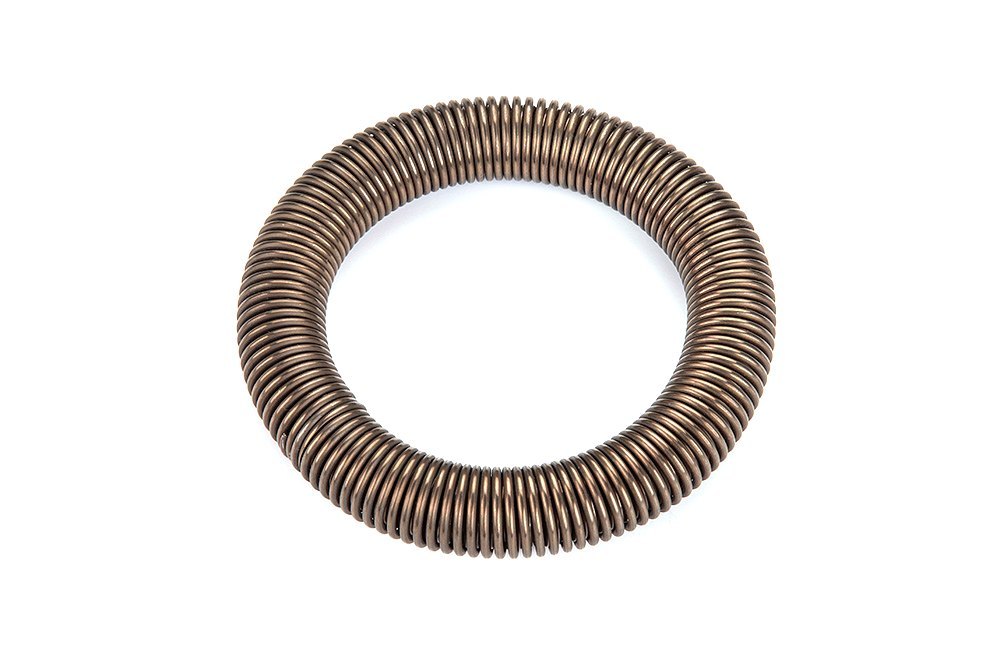
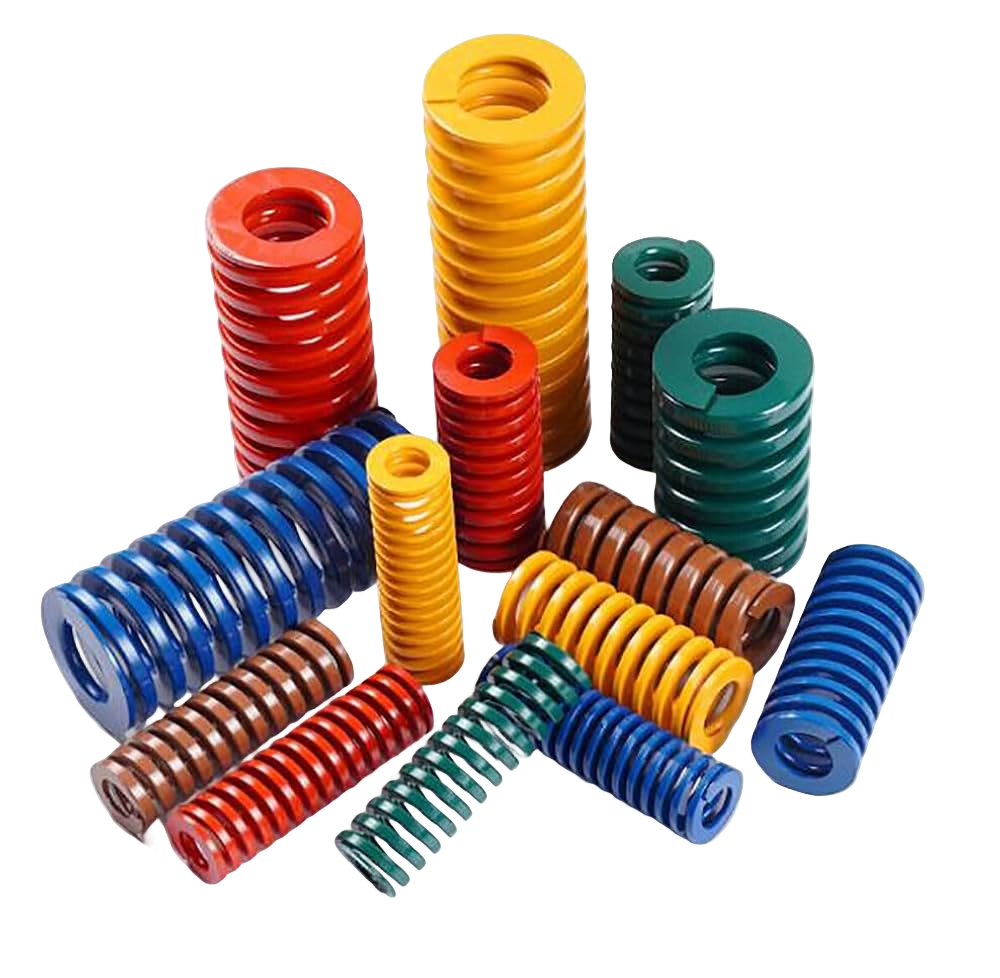
.png-1769412086933-179513286.png)
About Springs
Springs are mechanical energy-storage components that apply controlled force through elastic deformation. They are ubiquitous in industrial equipment — valve actuation, vibration isolation, suspension systems, mechanical clutches, pressure relief, return mechanisms, and thousands of OEM and maintenance applications. Correct spring specification requires understanding of force, deflection, cycle life, environmental conditions, and geometric constraints — a seemingly simple component that rewards careful engineering.
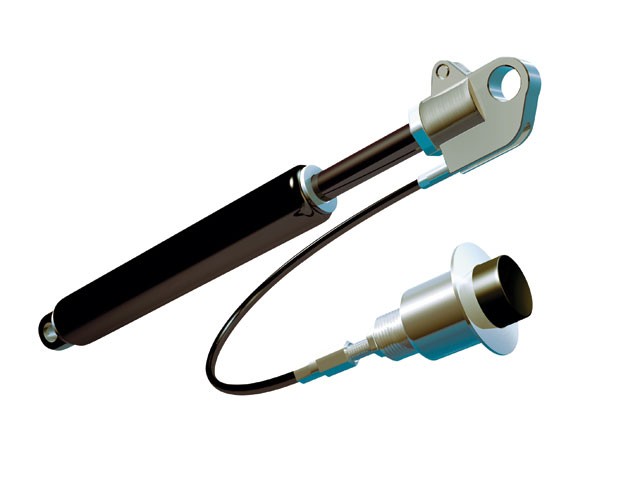
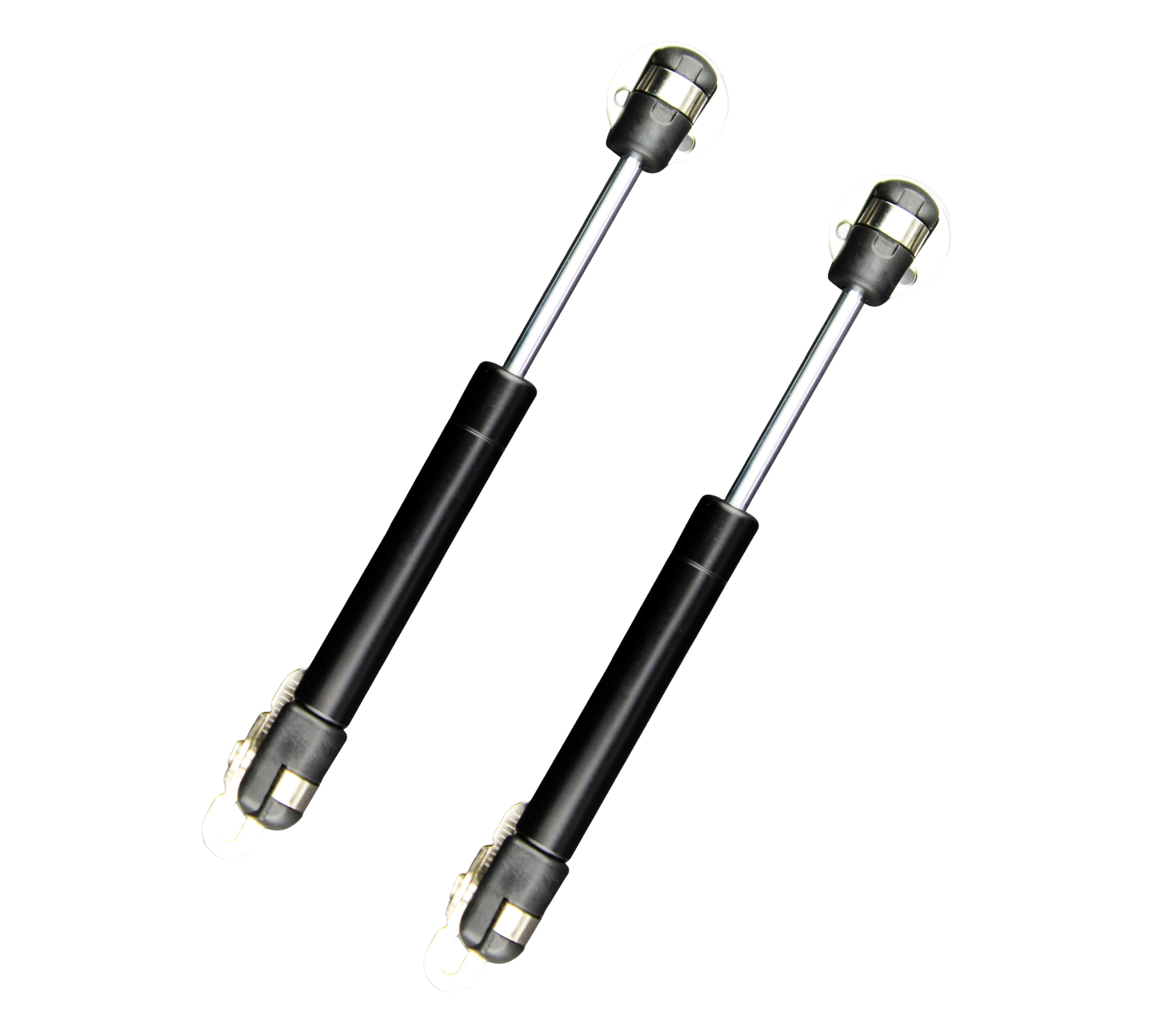
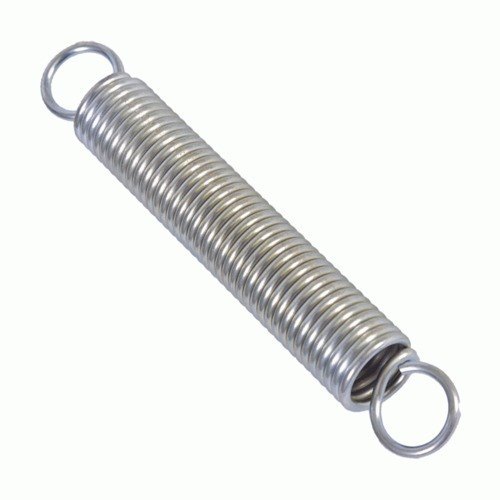
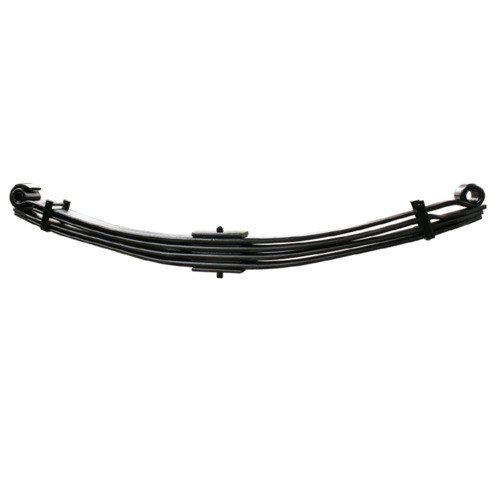
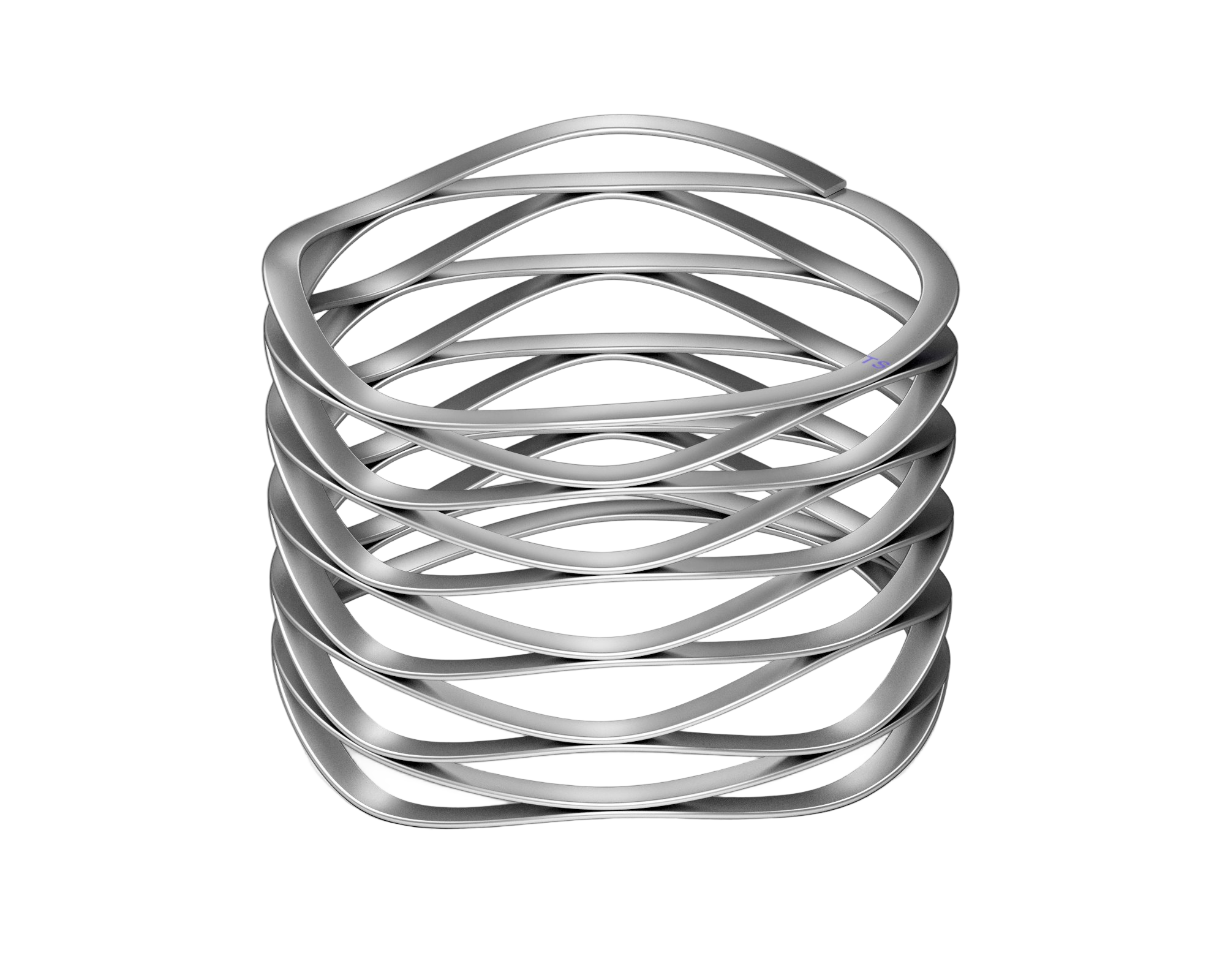
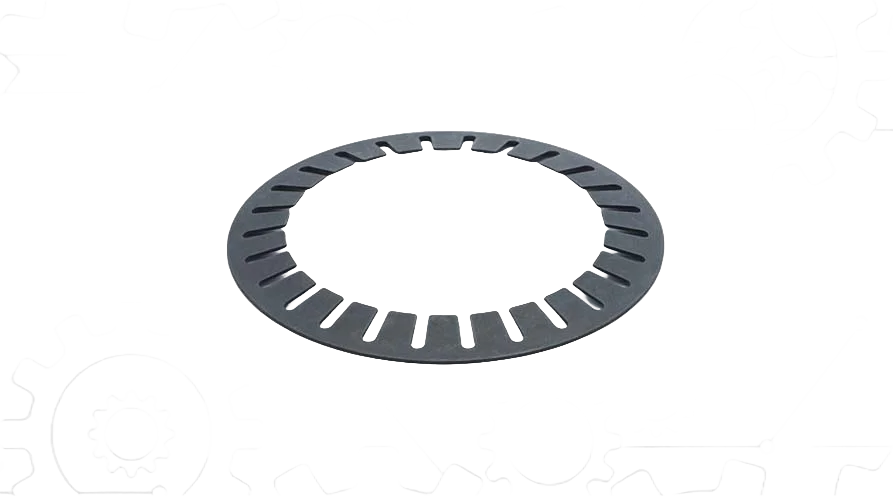
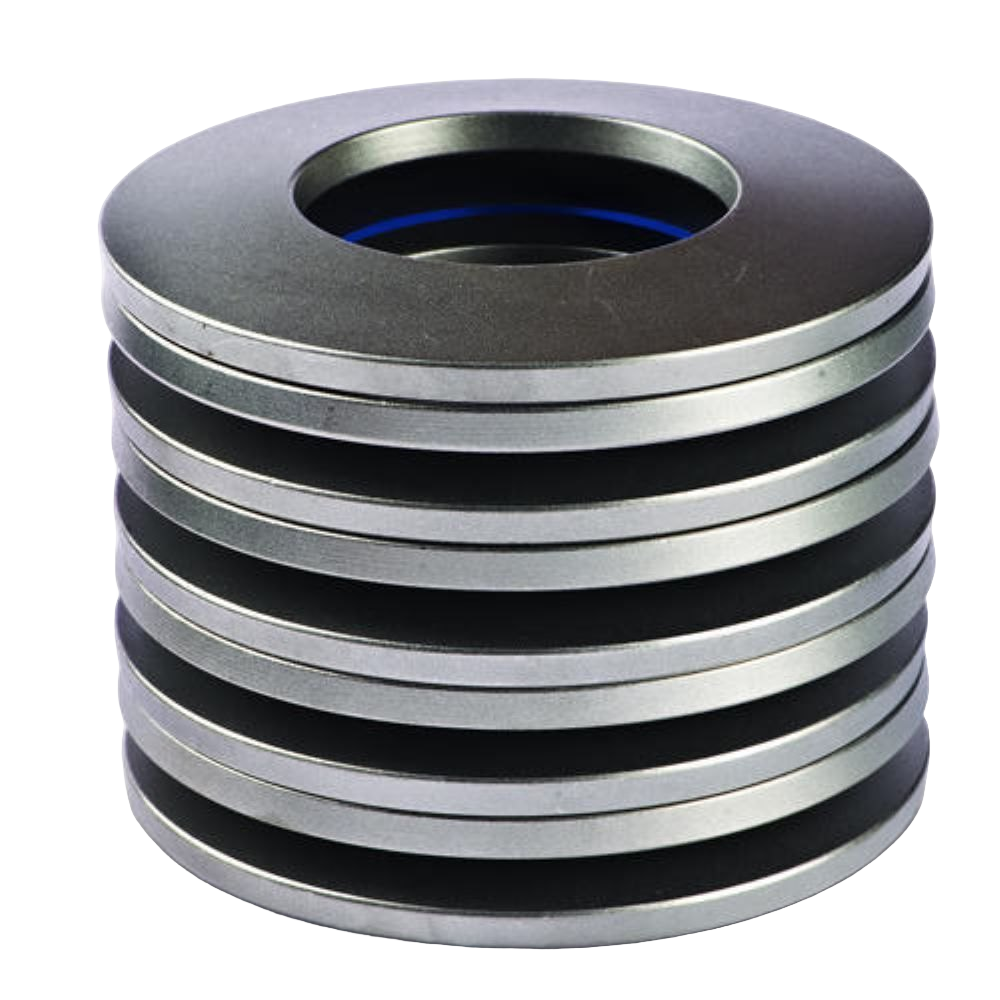
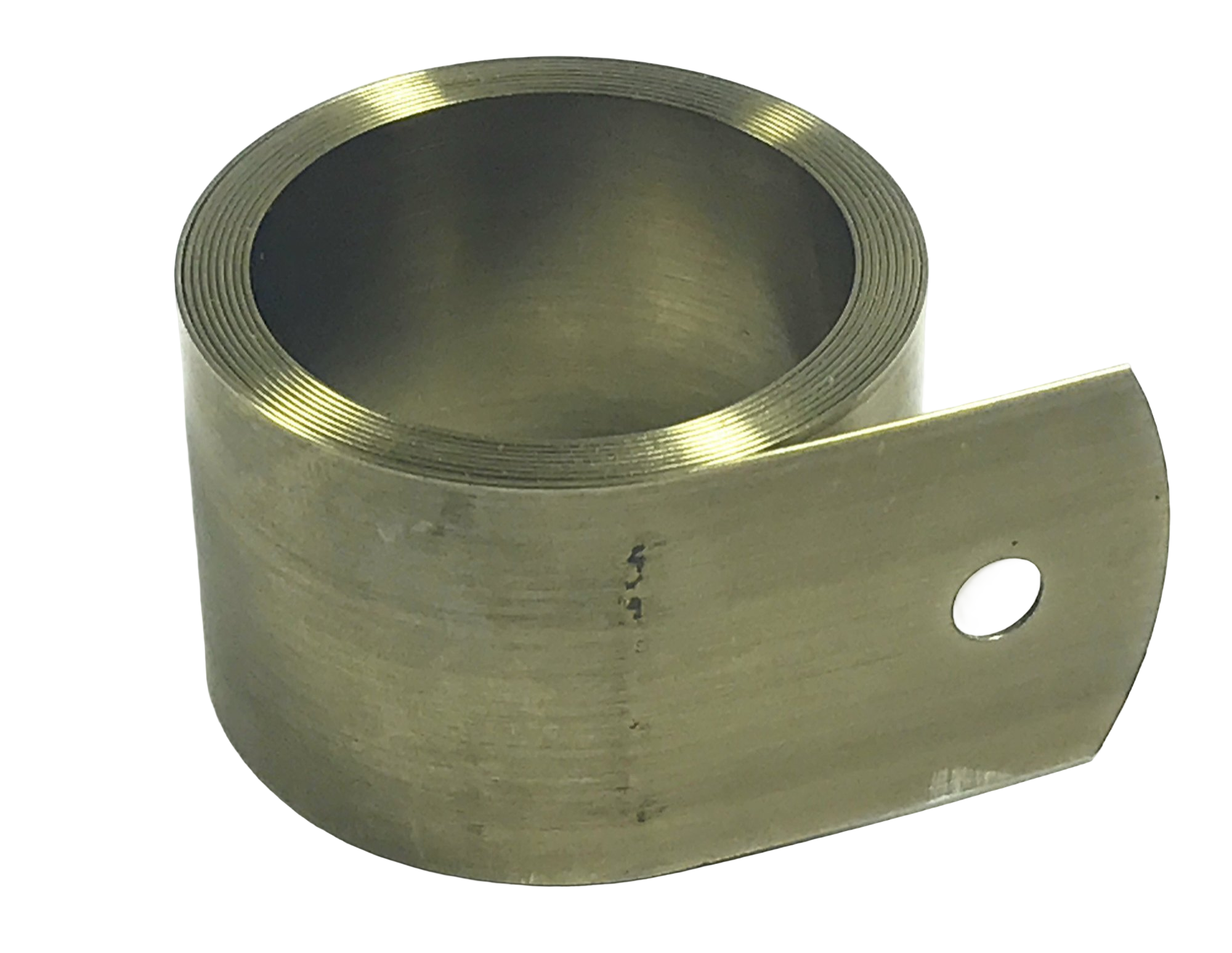
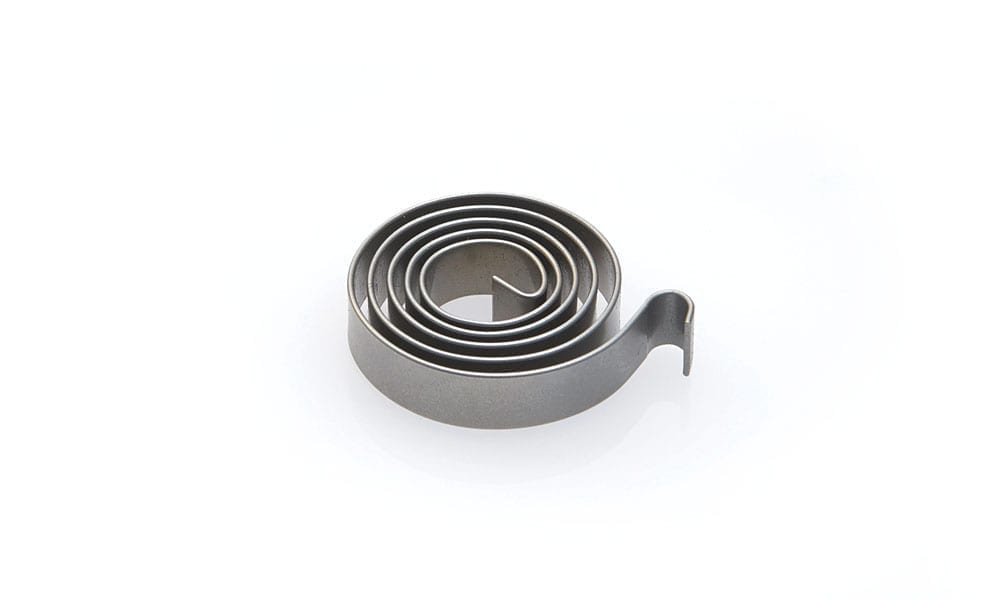
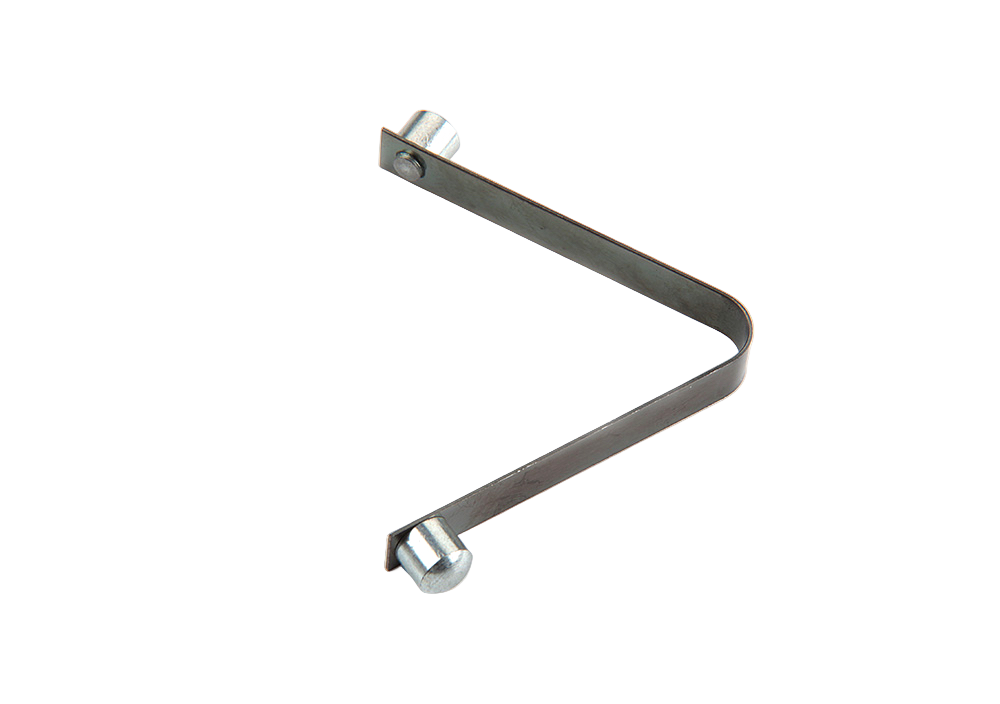
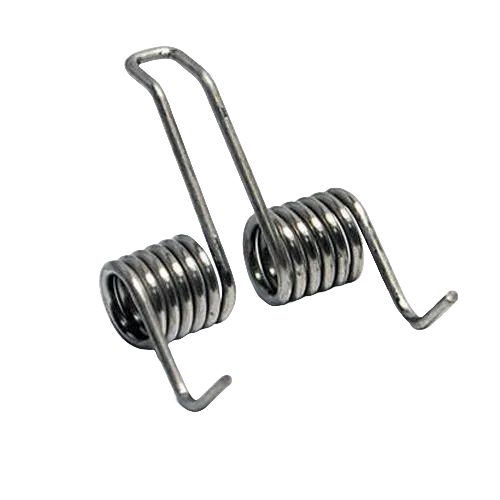
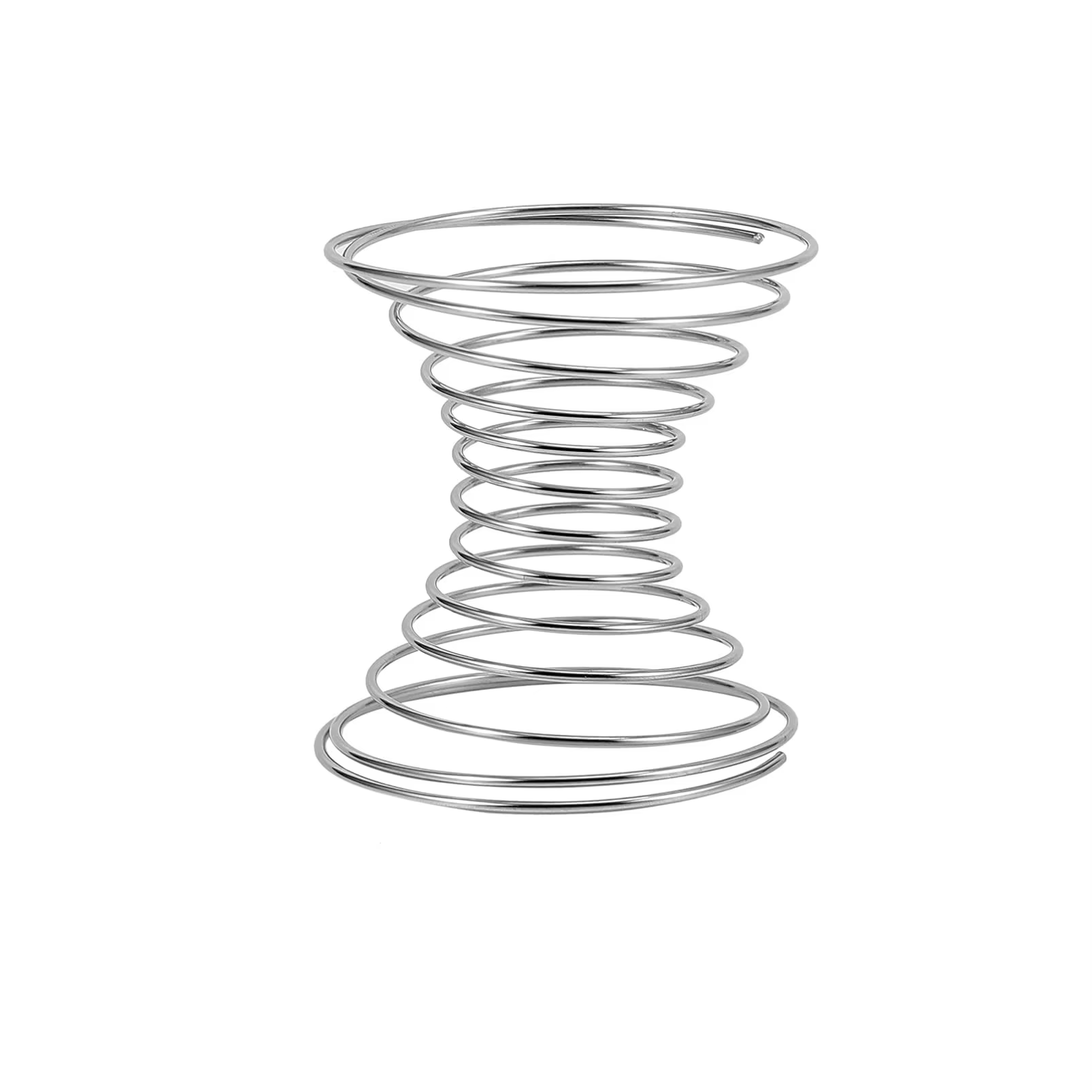
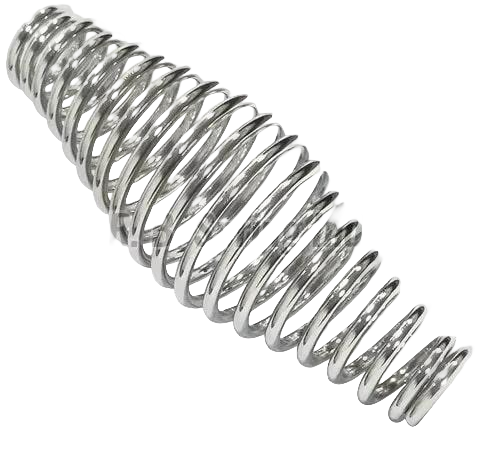
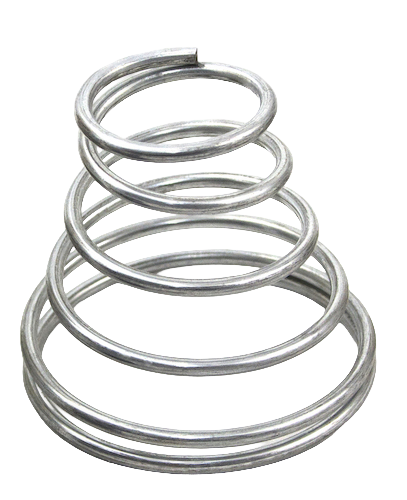
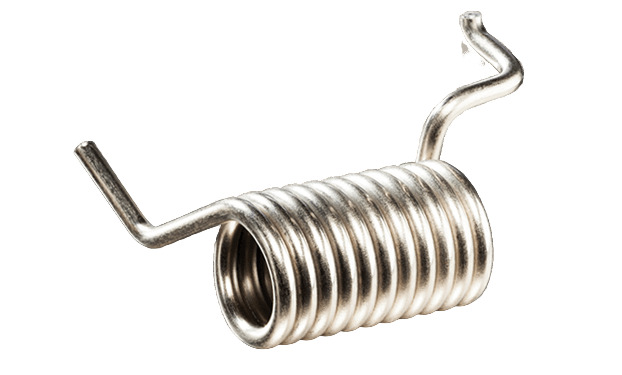
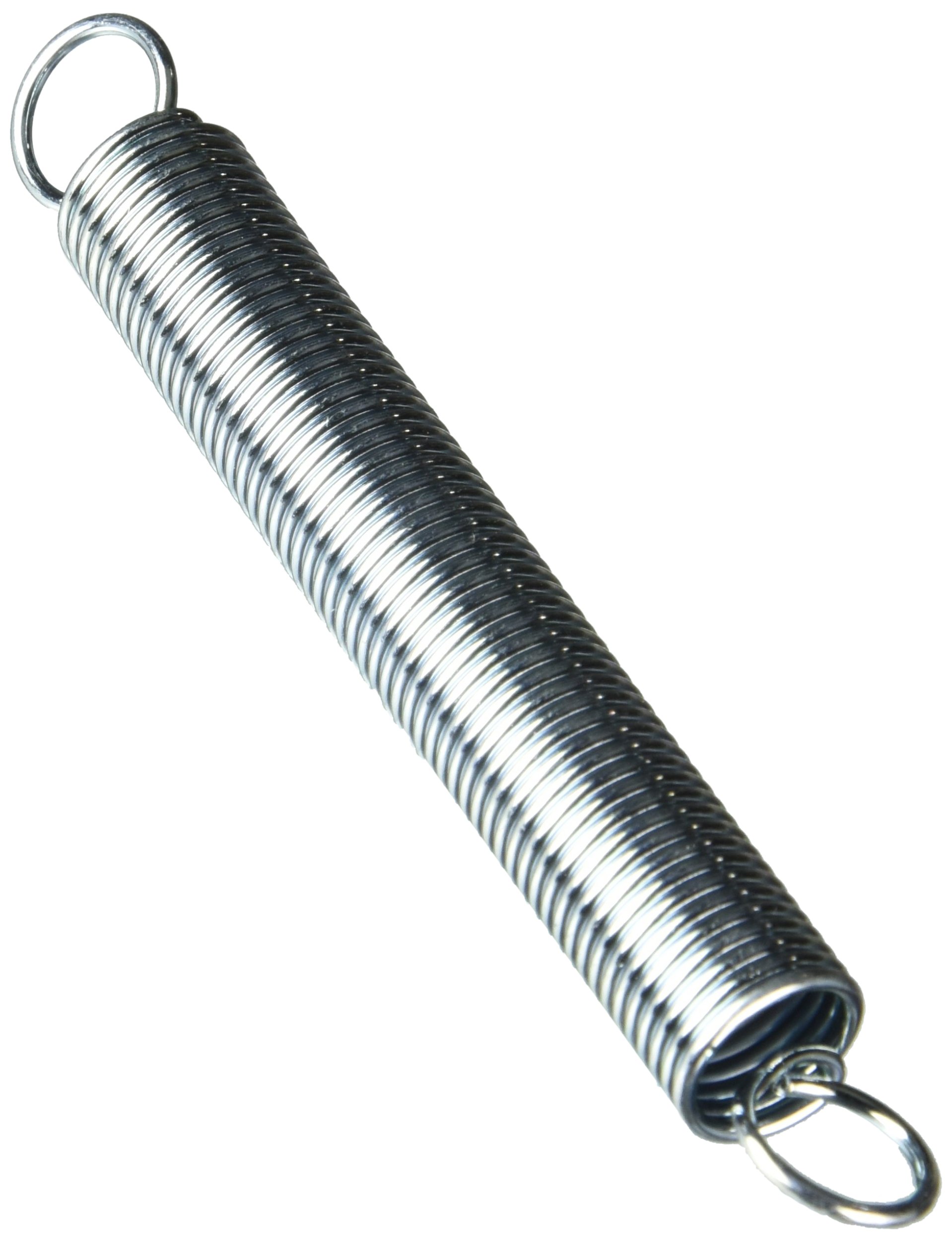
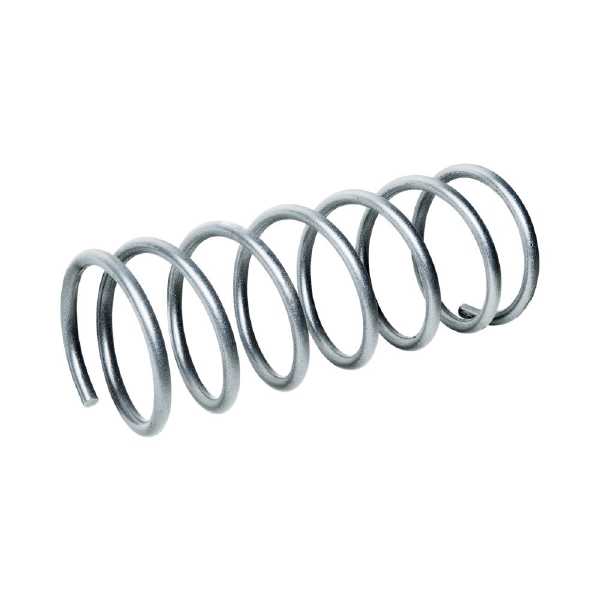
Primary families: compression springs (helical, the most common — resist axial compressive load, relax on release); extension springs (helical with end hooks or loops, resist axial tensile load); torsion springs (helical with tangential legs, resist angular displacement about the coil axis — door hinges, clothes-pegs, ratchets, garage door spring systems); disc springs (also called Belleville washers, DIN 2093 — conical annular plates, stacked in series or parallel for controlled force-deflection characteristics and thermal cycling compensation); leaf springs (stacked flat or tapered blades, automotive and rail suspension); gas springs (sealed cylinders with pressurised gas and piston — controlled extension, used for hatch lifting, office chairs, industrial covers); wave springs (CNC-machined or coiled flat-wire, compact form factor, compression function in tight axial space); and constant-force springs (pre-stressed strip material, produces near-constant force across deflection range — retractable cables, window counter-balances).
Materials define service conditions more than anything else. Music wire (ASTM A228) is the default for small-to-medium compression and extension springs in general industrial service — high tensile strength, good fatigue life, limited to ~120°C and moderate corrosive environment. Oil-tempered spring wire (ASTM A229) handles slightly higher stress and is the workhorse for automotive suspensions. Chrome-silicon (ASTM A401) for higher-temperature service (up to ~220°C) and heavy-duty cycle life. Chrome-vanadium (ASTM A232) for similar profile at lower cost. Stainless 302 (ASTM A313) for corrosion resistance in general environment; stainless 316 and 17-7PH for marine, pharmaceutical, and more aggressive service. Inconel X-750 and Elgiloy for extreme temperature (above 400°C) and corrosive service.
Quality attributes beyond geometry: cycle life (S-N curve design, typically specified as cycles to failure at a defined stress amplitude — 10⁴ to 10⁸ depending on service), shot-peening (surface compressive-stress treatment that extends fatigue life 2–5× in cyclic service — standard on automotive valve springs, clutch springs, and most high-cycle-life applications), pre-setting (yielding springs to stabilise dimensions before installation), heat-treatment (for spring-steel wire: stress-relief anneal after winding; for stainless: solution anneal plus age for 17-7PH), and coating (epoxy, powder coat, zinc-plate for commercial corrosion).
Himalay's spring-supply partners include Coimbatore-based, Delhi-NCR-based, and Chennai-based spring manufacturers with capability across wire diameter ranges from 0.15 mm (precision/medical) to 75 mm (heavy industrial leaf). Common certifications: ISO 9001, IATF 16949 (automotive), ISO 13485 (medical), and customer-specific approvals for automotive, rail, and appliance OEMs. Standard inspection includes load-deflection testing (single-point or full curve), dimensional verification, end-coil geometry, coating-thickness verification, and material chemistry via PMI.