Industrial Chemicals & Compounds
Source industrial chemicals & compounds from India's verified manufacturers and exporters on Himalay. Browse industrial acids, industrial alkalis, metal treatment chemicals, surface treatment chemicals and catalysts for industrial and export applications.
Browse Industrial Chemicals & Compounds by Type
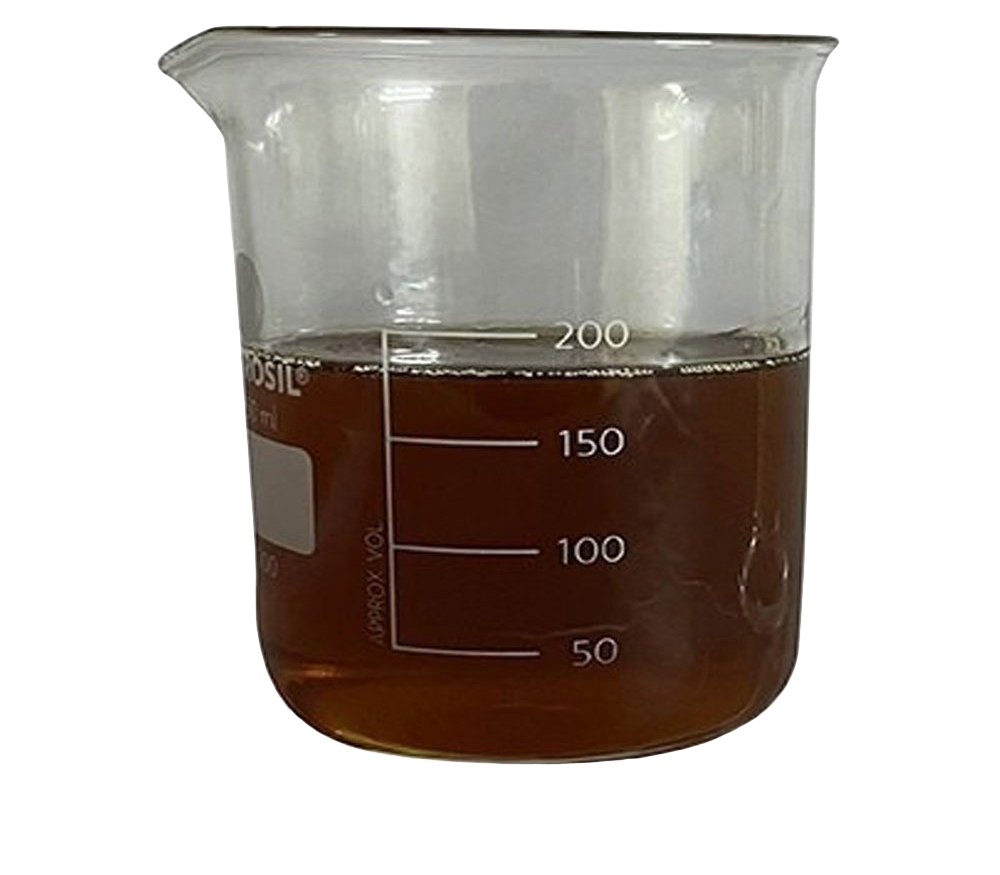
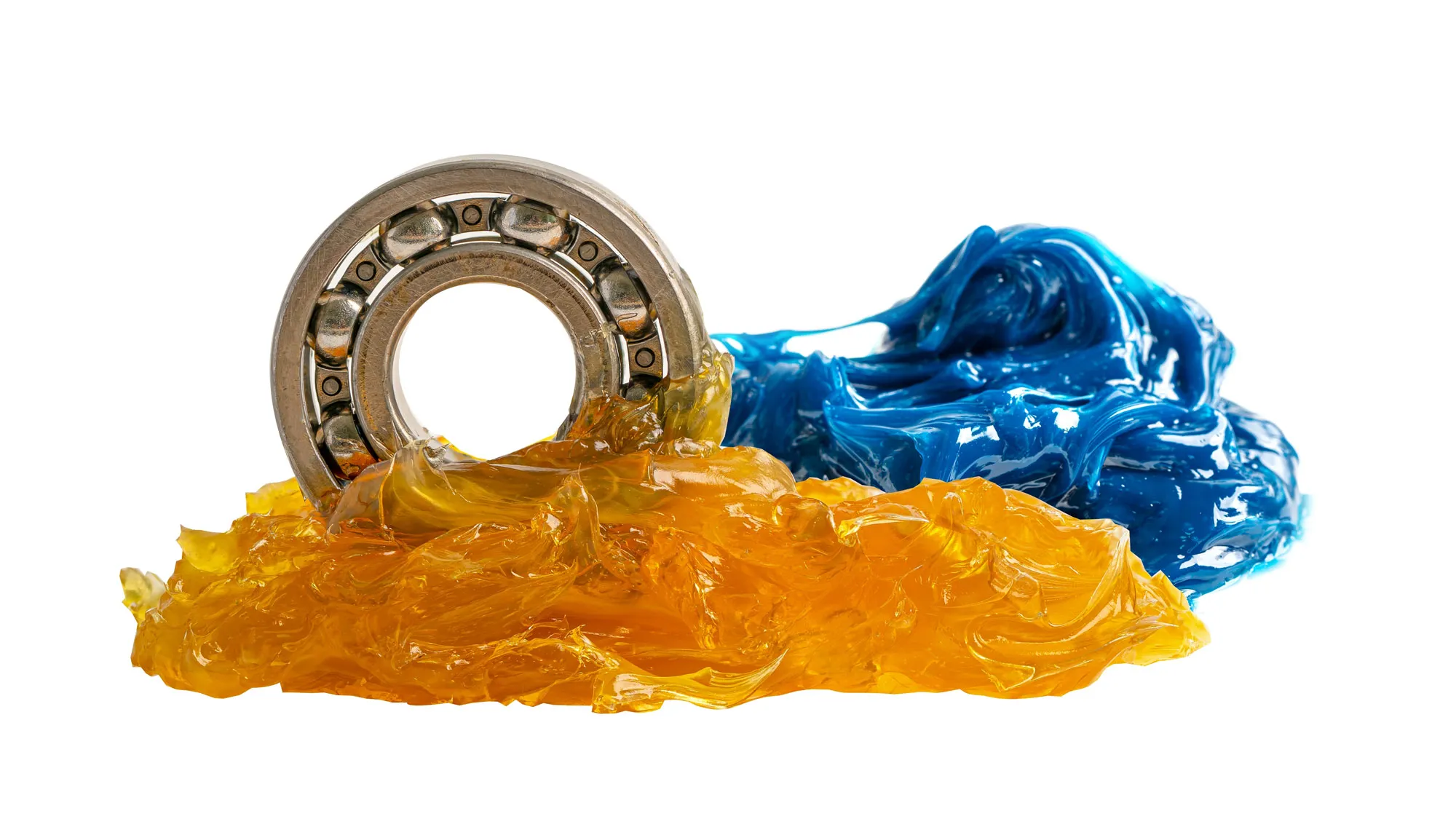
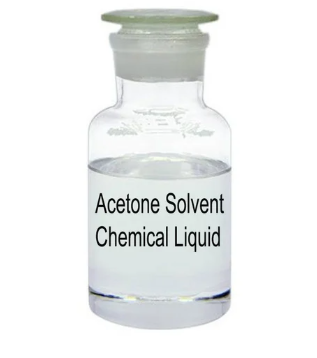
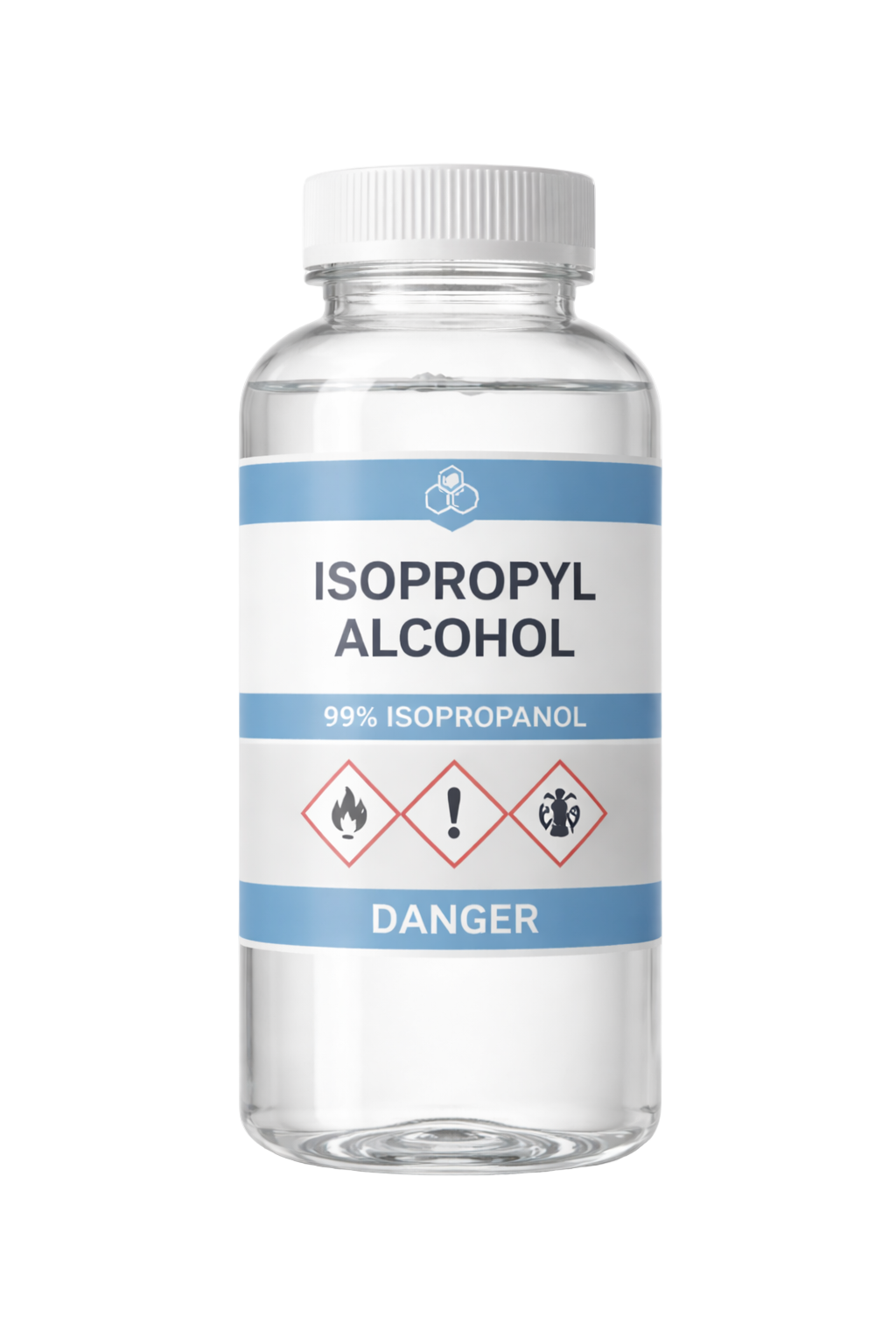
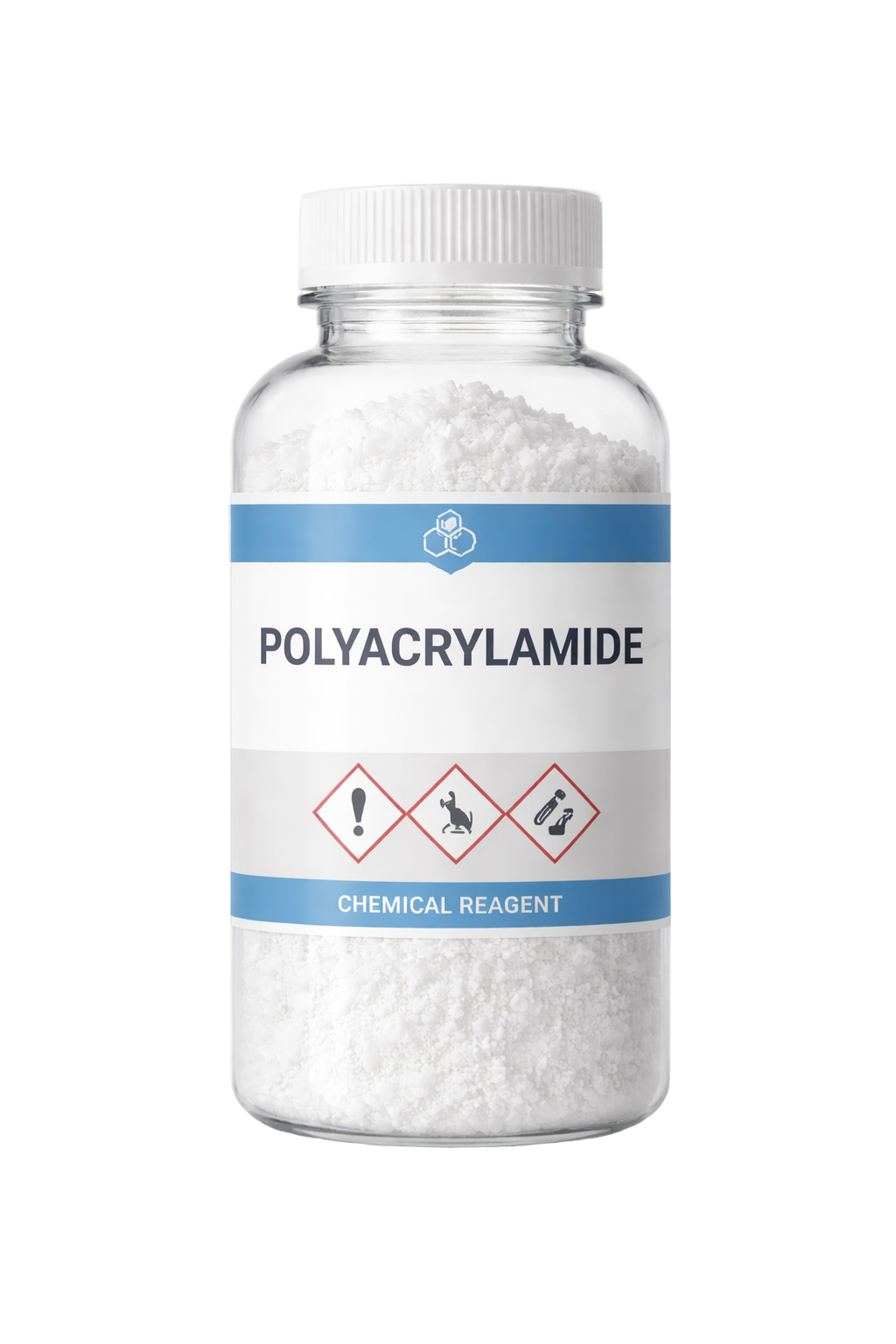
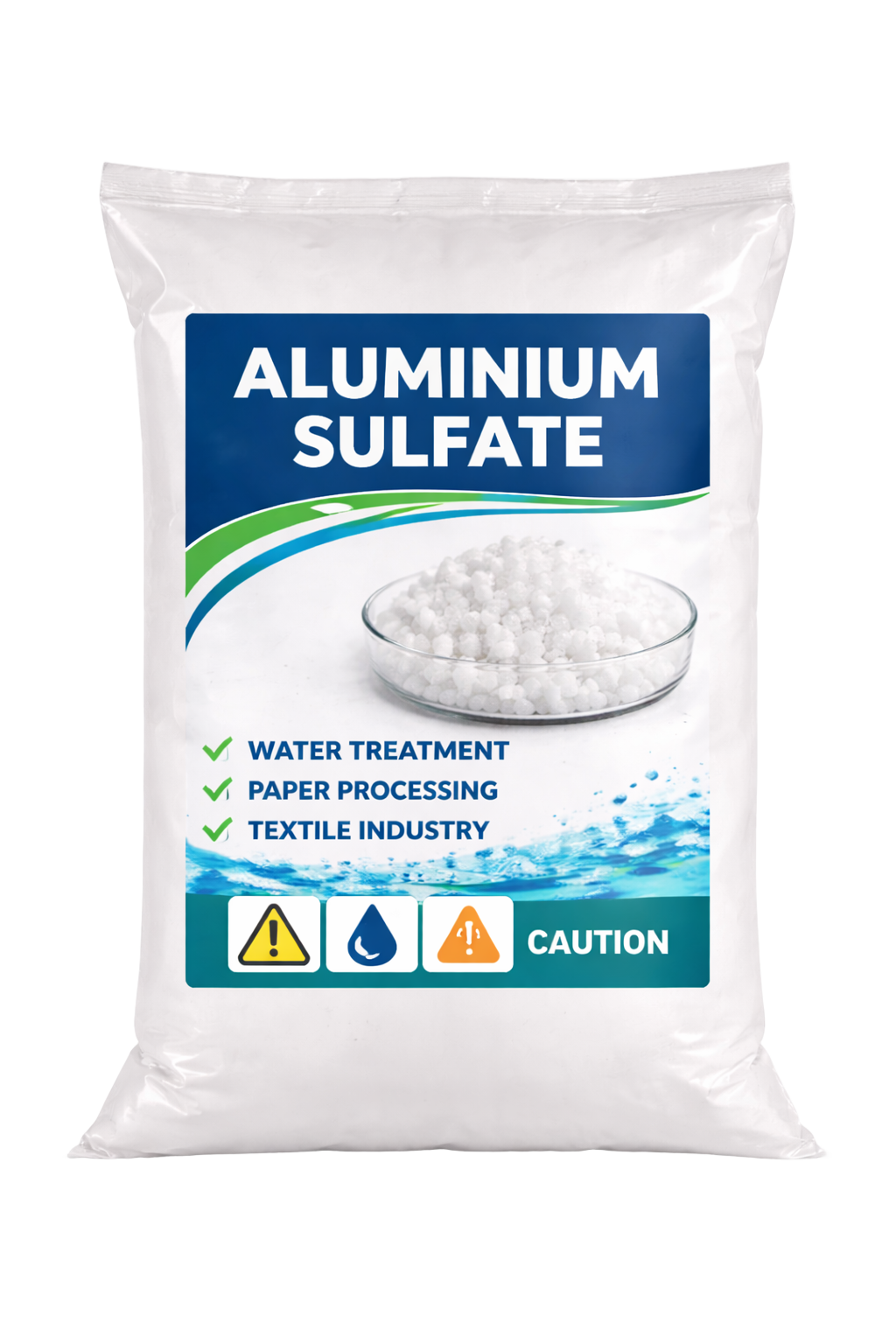
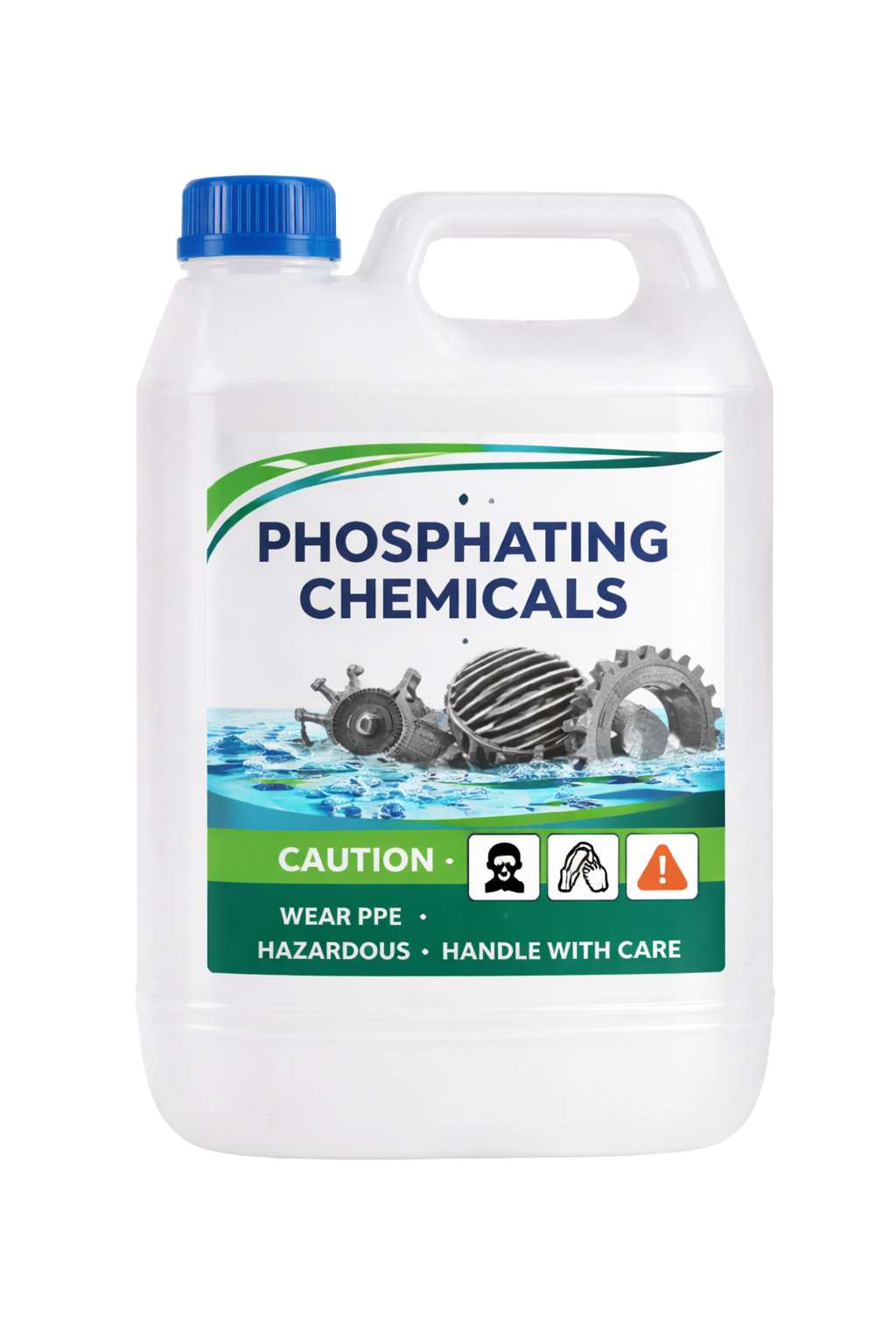
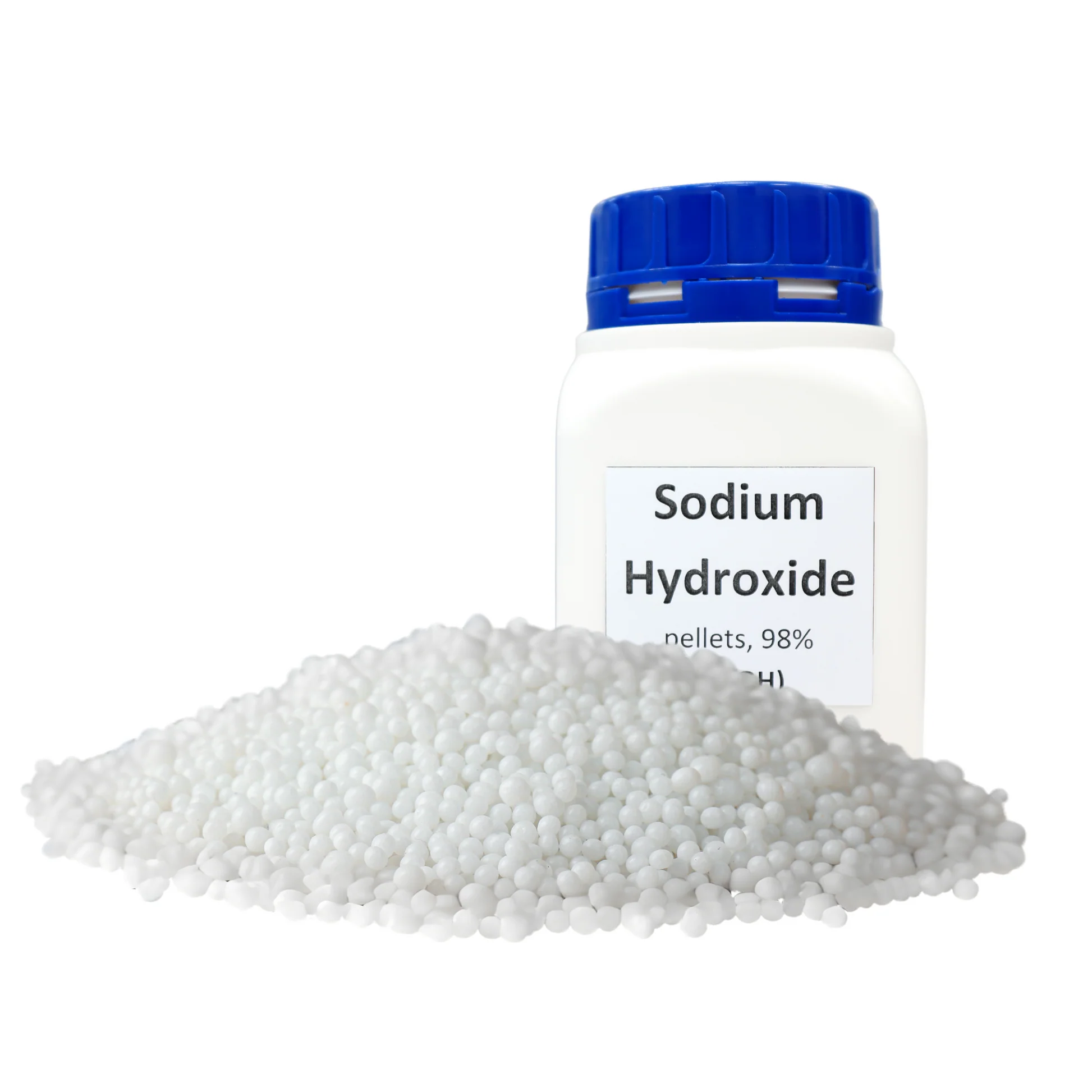
About Industrial Chemicals & Compounds
Industrial chemicals and compounds cover the bulk commodity and specialty chemicals used as process inputs across manufacturing, construction, water treatment, agrochemical, and general industry. India is among the world's top five chemical producers by volume, with globally competitive capacity in basic inorganics (chlor-alkali derivatives, acids, alkalis), petrochemical derivatives, and an expanding specialty chemicals sector supplying global pharmaceutical, agrochemical, and electronic value chains.
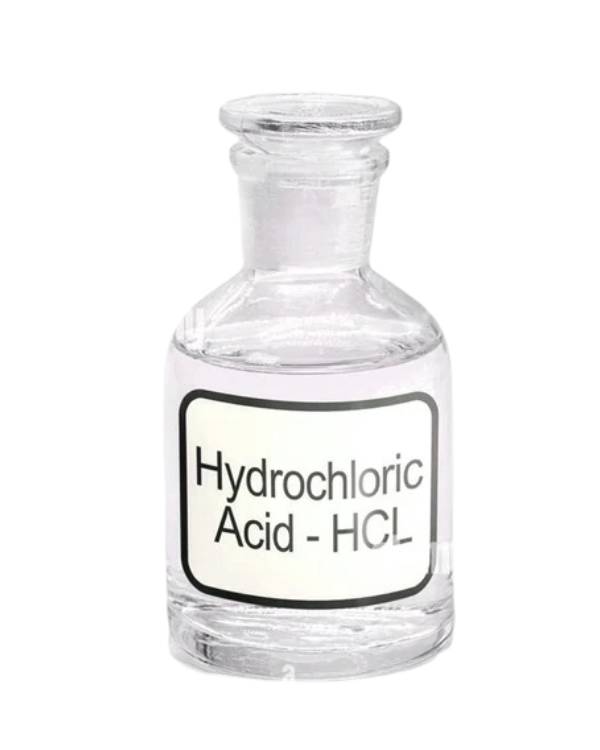
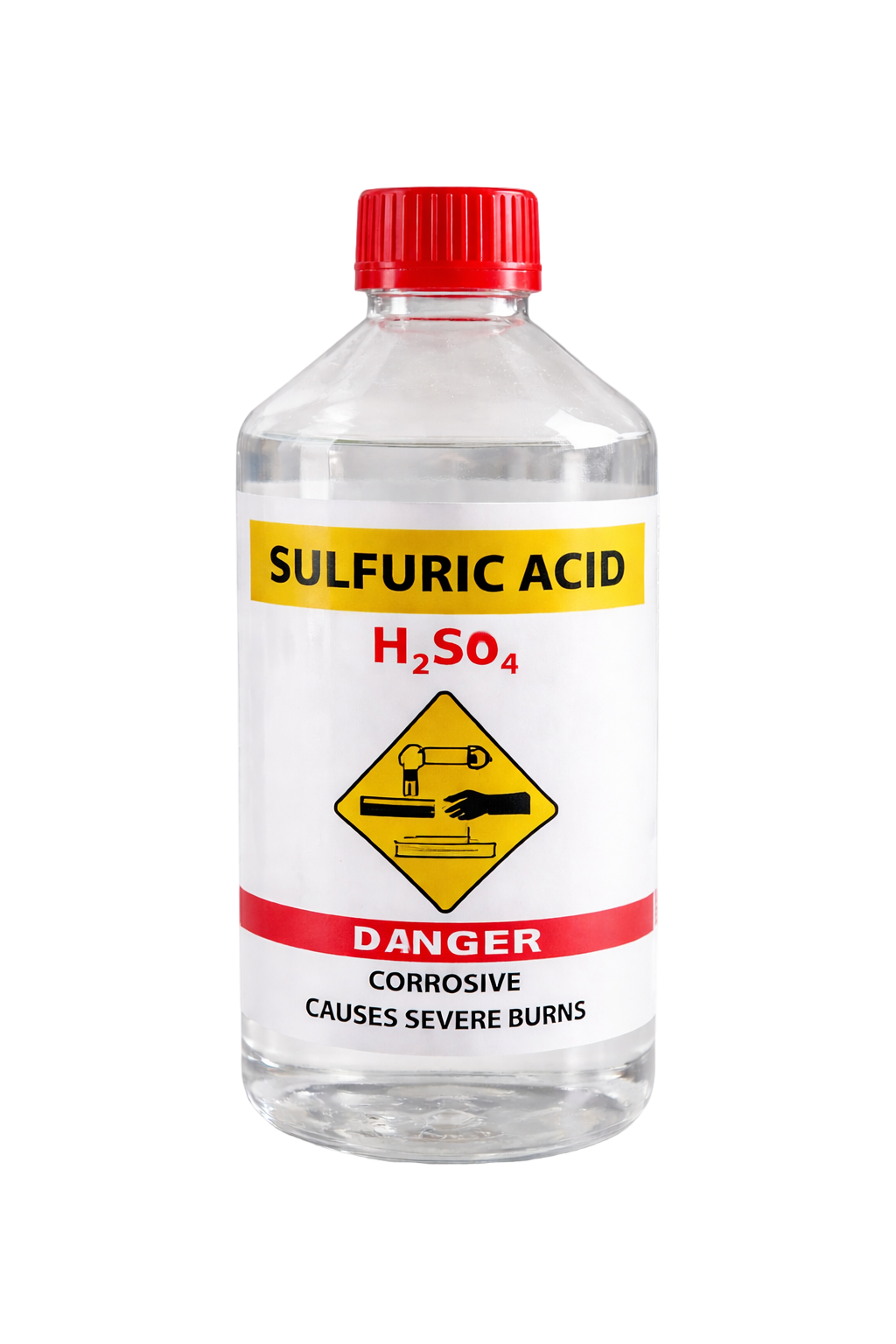
Typical product families Himalay sources in this category: mineral acids (sulphuric, hydrochloric, nitric, phosphoric in various concentrations and grades); alkalis and caustic chemicals (caustic soda flakes/pearls/lye, potassium hydroxide, soda ash dense and light); chlor-alkali derivatives (bleaching powder, calcium hypochlorite, sodium hypochlorite, chlorine); inorganic salts (sodium chloride, sodium sulphate, sodium carbonate, calcium chloride, magnesium sulphate, aluminium sulphate — water treatment and process chemistry); ammonia and derivatives (ammonia aqueous, ammonium salts, urea); water-treatment chemicals (polyaluminium chloride PAC, ferric chloride, polymers for flocculation, scale-and-corrosion inhibitors); general inorganic chemicals for glass, ceramics, construction, and textile industries.
Export compliance is a defining complexity. For EU imports, REACH registration is mandatory for substances above 1 tonne per year per importer — Indian manufacturers typically appoint an Only Representative inside the EU to handle the registration. ECHA has increased dossier compliance-check rates through 2025–2026, so dossier quality and currency matter. CLP classification, labelling, and GHS-compliant Safety Data Sheets in the destination country's language are required with every shipment. For GCC imports, SASO SABER registration applies via PCoC (product certificate, 1-year validity) and SCoC (shipment certificate, per-consignment). For hazardous materials, UN-classified packaging, IMDG Code for sea freight or IATA DGR for air, and shipper's DG declaration are mandatory.
Packaging options matched to volume and hazard class: drums (HDPE 25L, 50L, 210L; steel 210L); IBC totes (1,000L); bags (25 kg, 50 kg, 1 MT jumbo bags); flexitanks (for bulk non-hazardous liquids); ISO tanks (20 ft ≈ 20 MT, 40 ft ≈ 40 MT — bulk liquid, including food-grade and corrosive variants); bulk dry containers; and tanker trucks for short-haul domestic delivery before export packing. Each container is UN-numbered, labelled, and placarded appropriate to the UN Class (Class 3 flammable liquids, Class 8 corrosives, Class 9 miscellaneous hazardous, Class 4.1/4.2/4.3 flammable solids, etc.).
Pricing is highly feedstock-linked (crude oil, natural gas, brine for chlor-alkali, sulphur for sulphuric) and subject to weekly volatility. Himalay quotations for commodity chemicals are typically valid 7–14 days; longer validity is available on contract-pricing structures for repeat buyers.