The pressure envelope and the moving part
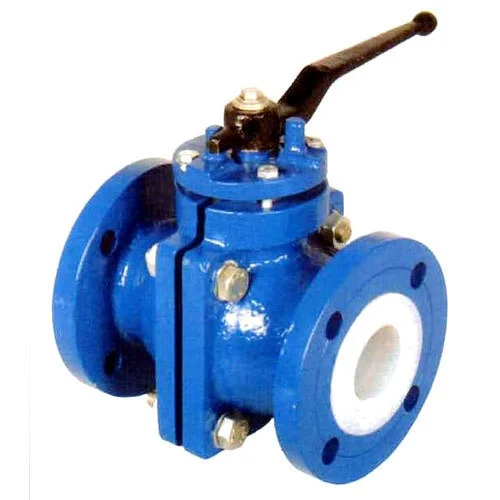
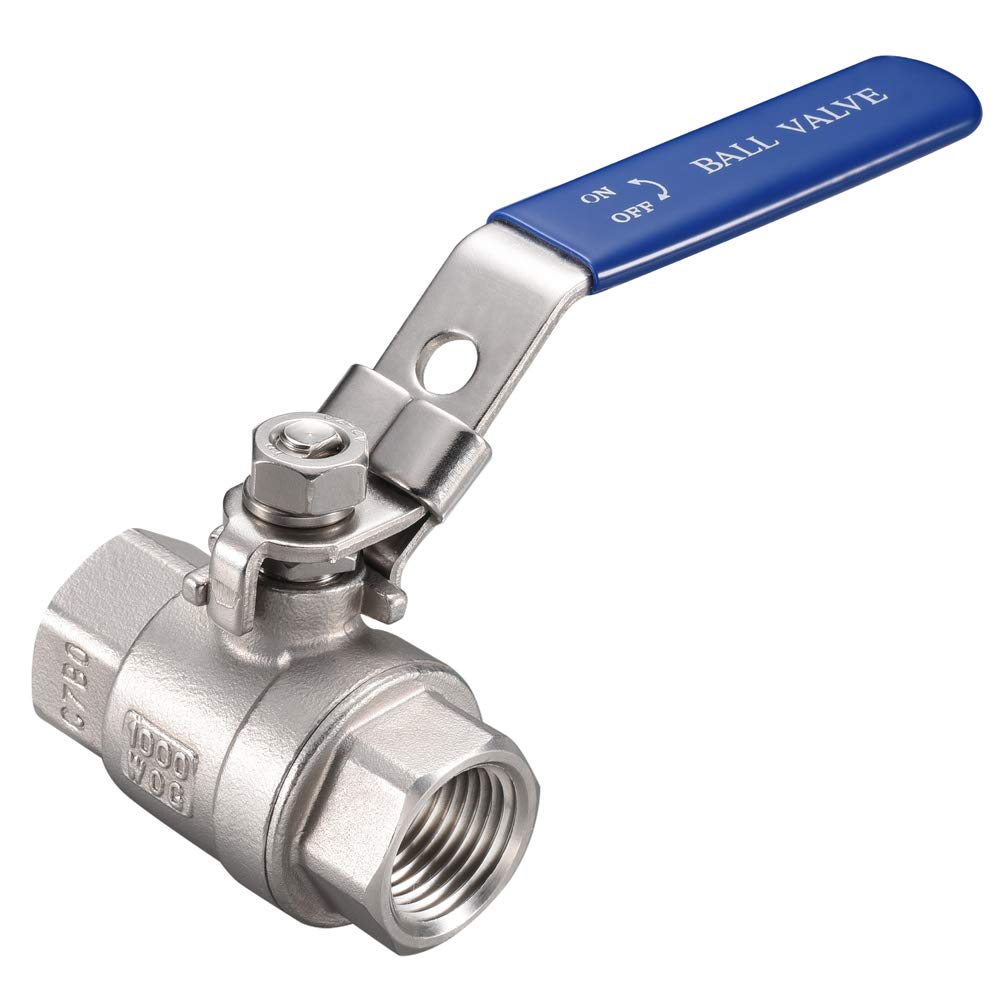
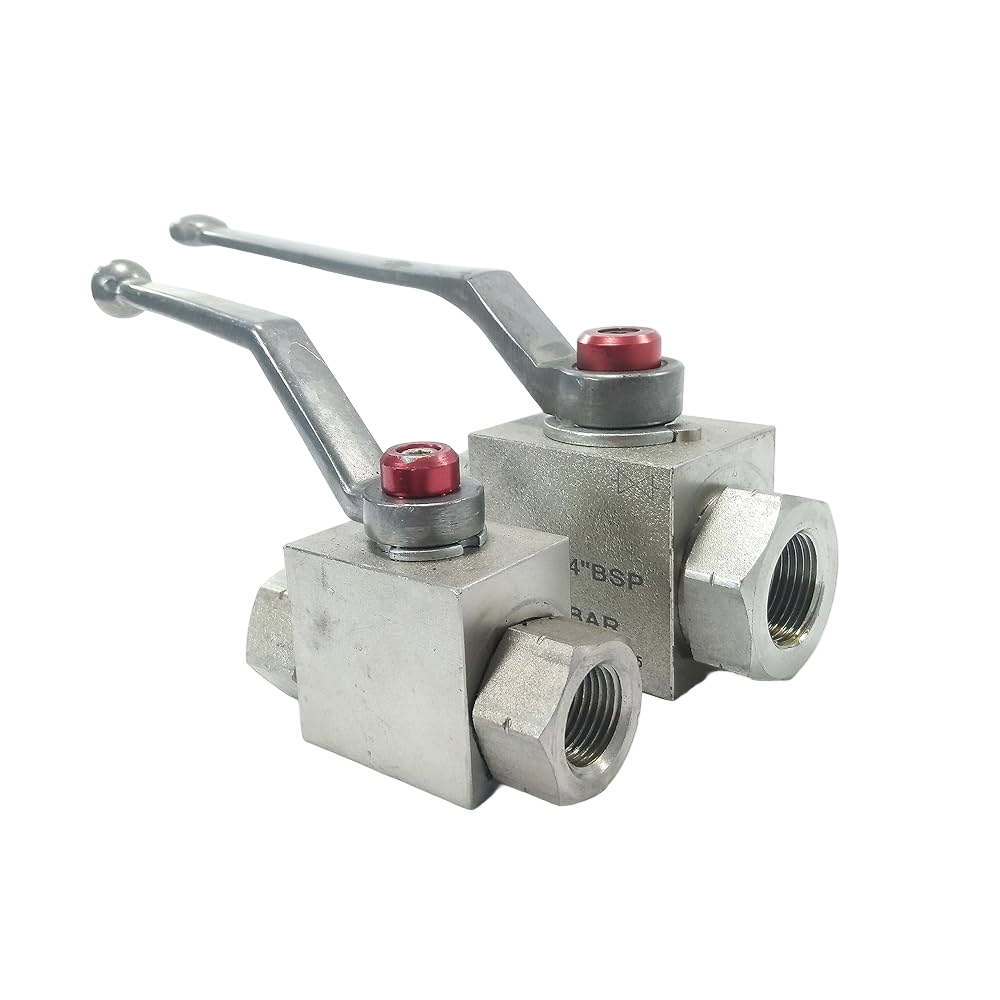
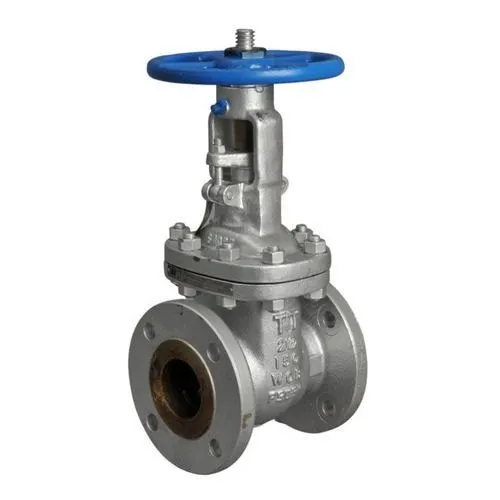
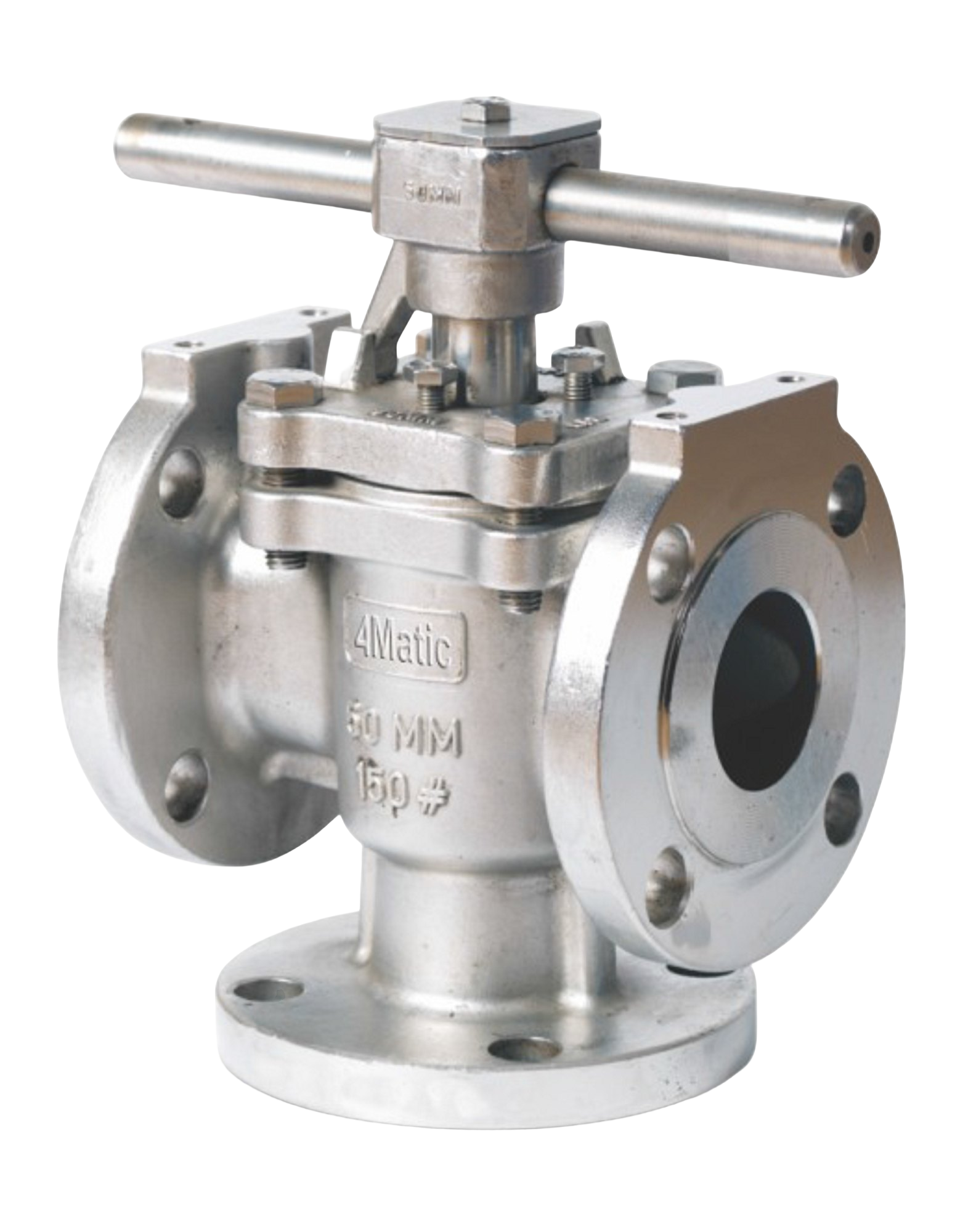
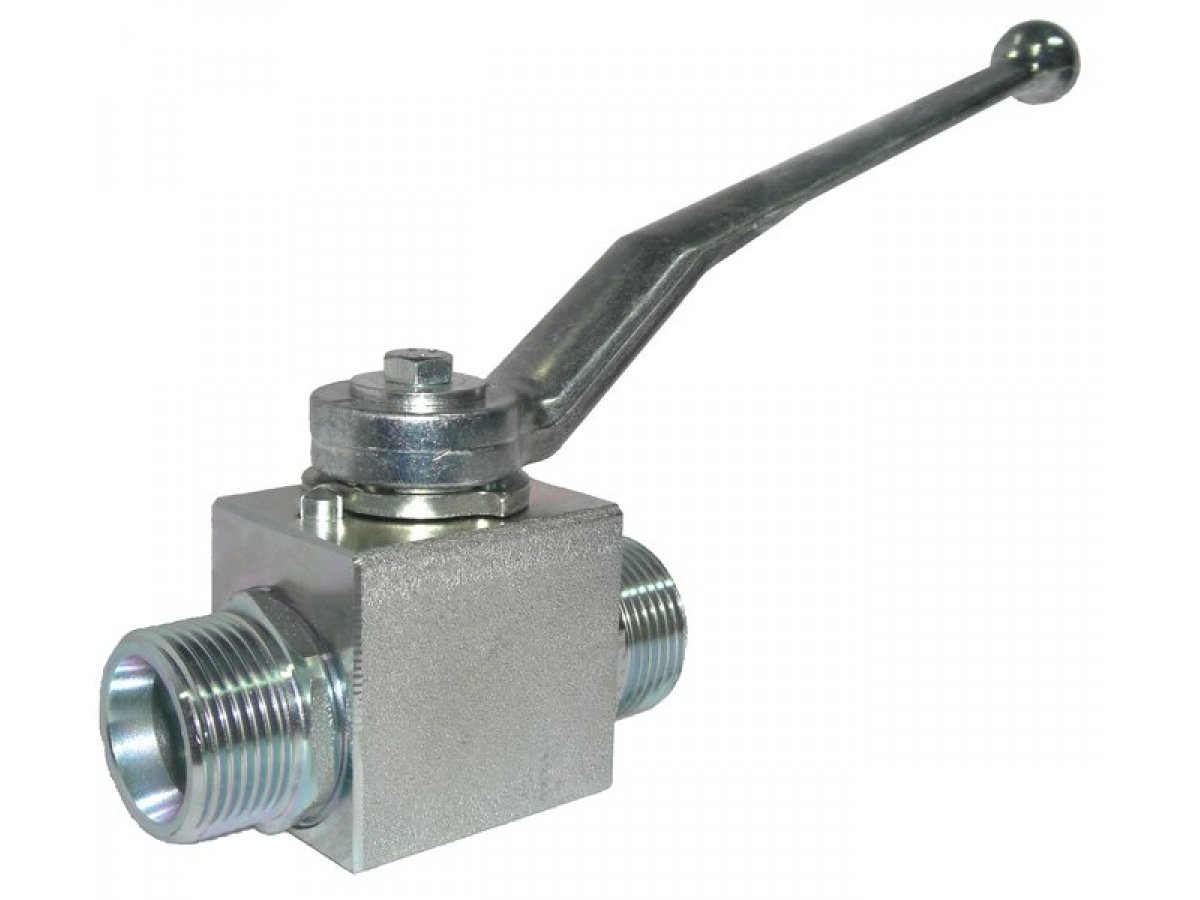
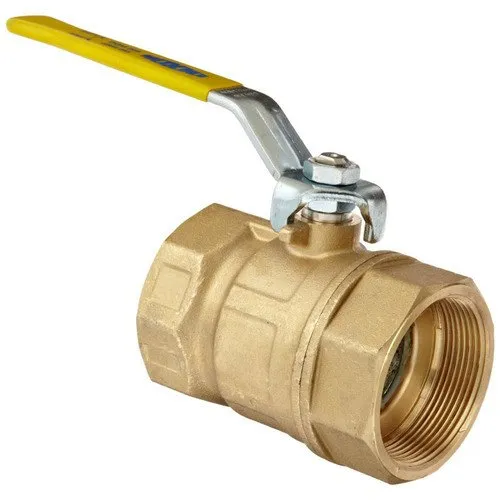
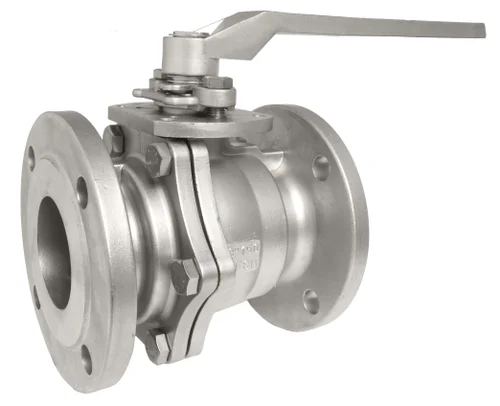
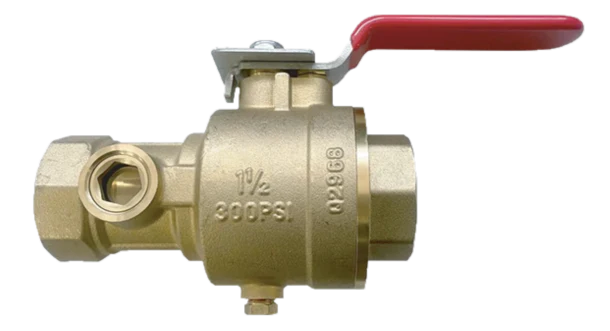
Every industrial valve is two machines in one casting: a pressure vessel, body, bonnet, joints, that must contain line pressure with the same integrity as the pipe, and a mechanism, stem, obturator, seat, that controls flow through it. The envelope is qualified by rating standards and shell testing; the mechanism by seat testing and, ultimately, by service. Understanding failures means knowing which machine failed.
How shutoff actually happens
Sealing is always the same physics: a closure member pressed against a seat hard enough that the contact stress exceeds what the differential pressure can leak past. Soft seats, PTFE, rubber, nylon, conform to small imperfections and give bubble-tight shutoff at modest force, but limit temperature and abrade with dirty media. Metal seats survive heat and grit but demand fine machining, and even then accept a small standard leakage rate, which is why test standards such as API 598 define different acceptance criteria for resilient and metal seated valves. A buyer choosing between them is really choosing between shutoff class and service robustness.
Flow behaviour open and part-open
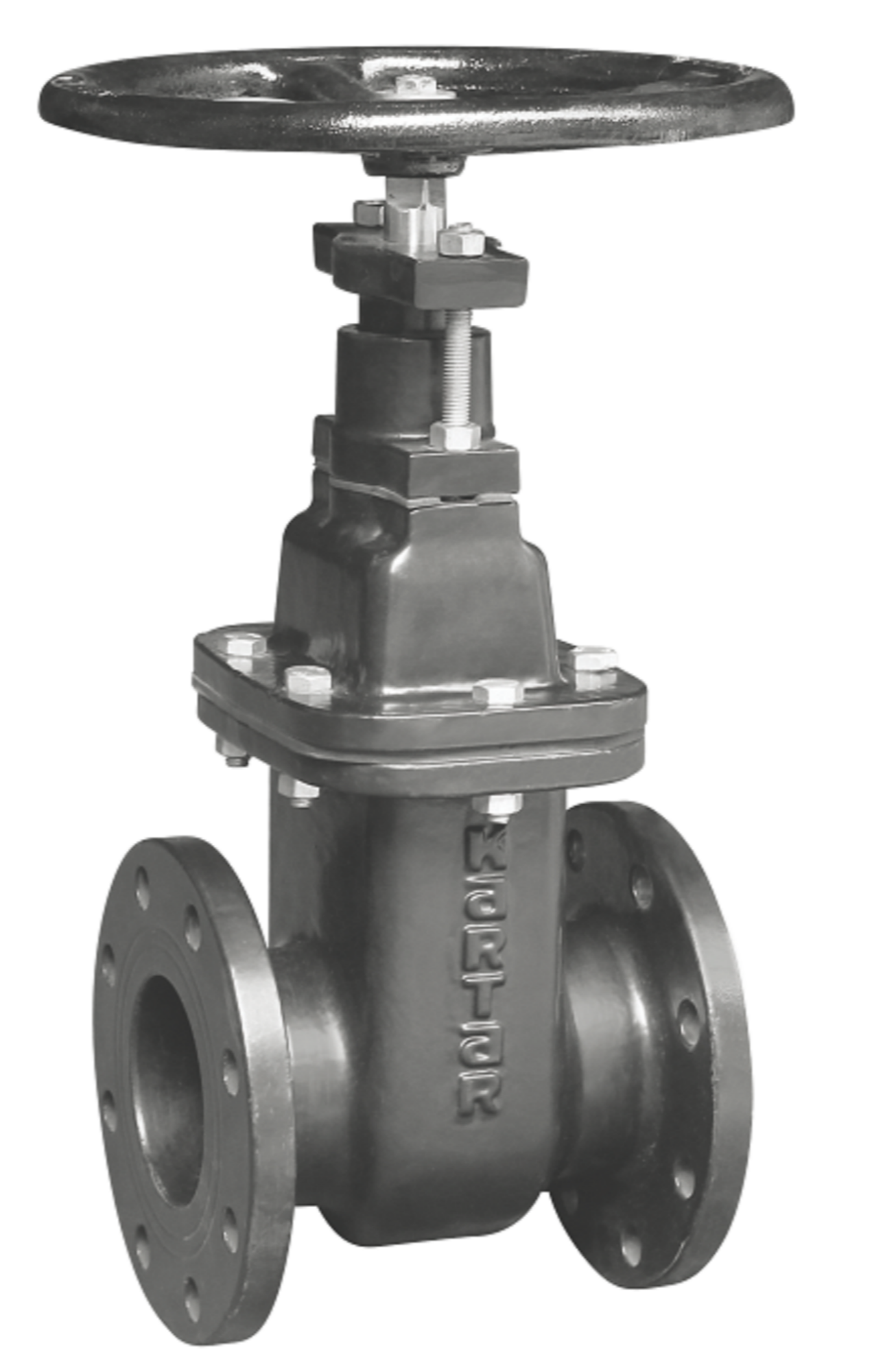
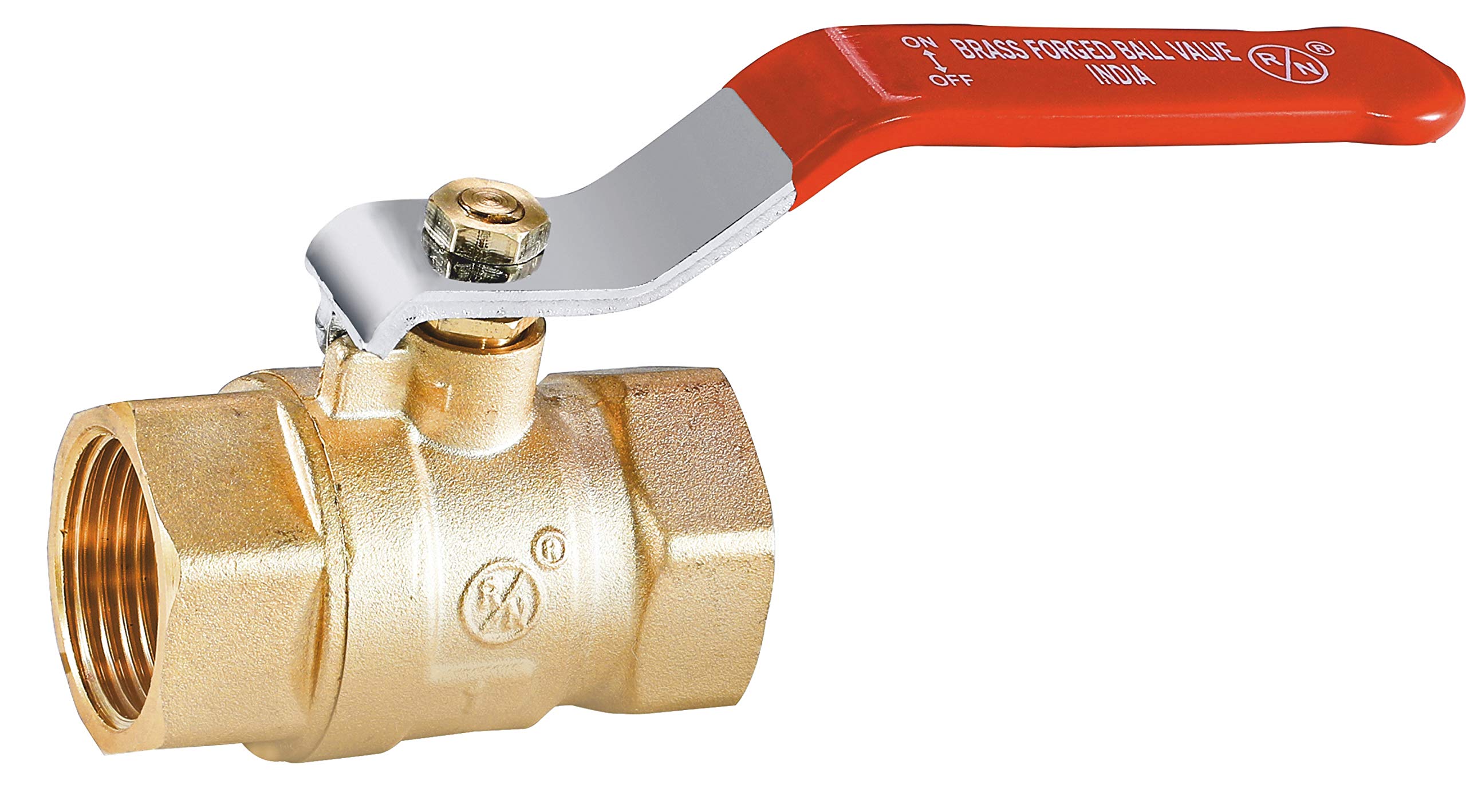
Fully open, families differ mainly in pressure drop: full-bore ball and gate valves approximate a length of pipe, globe valves force two right-angle turns and cost several velocity heads, butterfly discs sit in the stream and cost something in between. Part-open, the picture changes: flow accelerates through a crescent gap, pressure falls locally, and with liquids near vapour pressure, bubbles form and collapse against metal, cavitation, which sounds like gravel and machines pits into seats. Families engineered for throttling direct that energy through renewable trim; isolation families take the damage on their sealing faces. This is the mechanical reason the duty question opens every specification.
Dynamic behaviour on shutdown
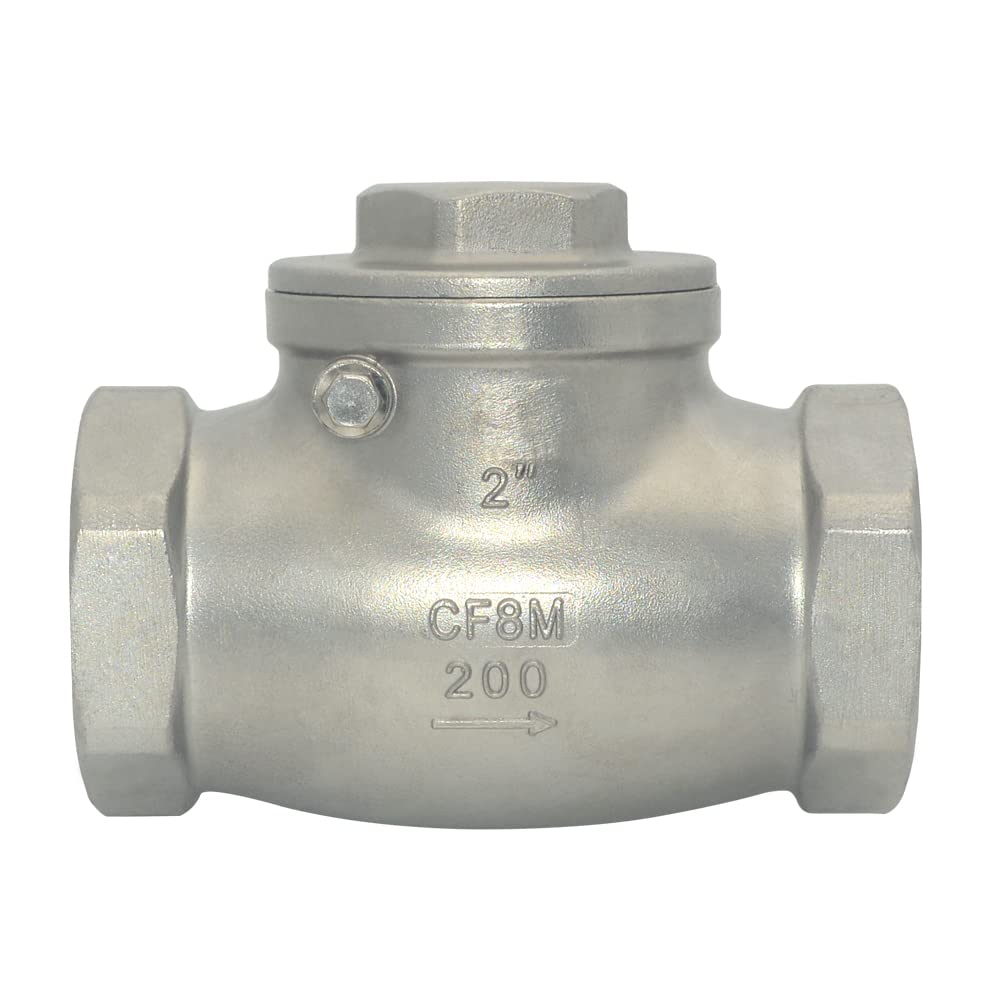
Valves also interact with the momentum of the fluid column. Slam a valve on a long liquid line and the column's kinetic energy converts to a pressure spike, water hammer, that can burst joints far from the valve. Slow-closing multi-turn valves soften this; quick quarter-turn closures on liquid lines may need controlled closing speeds. Check valves add their own dynamics: a slow swing check on a tripping pump lets reverse flow build before slamming shut, while spring-assisted designs close before the column reverses.
Where the envelope leaks
Stem passages are sealed by packing or O-rings that wear with cycles and temperature swings; body-bonnet joints rely on gaskets that relax; and castings can harbour porosity that only pressure testing exposes. Hence the shop regime: hydrostatic shell test above rating, seat test at specified pressure, per API 598, before any valve ships. Ratings themselves come from ASME B16.34 pressure-temperature curves for the body material group, which is why the same valve carries different allowable pressures cold and hot, and why an enquiry must state temperature alongside pressure.
Why specification is most of reliability
Surveyed failure causes in industrial valves repeat: wrong family for the duty, trim material below the medium's abrasion or corrosion demand, rating read at ambient instead of operating temperature, and operation habits the design never assumed. The manufacturing questions, casting soundness, machining, testing, are answered by standards and inspection; the specification questions are answered only by the enquiry you write. State duty, medium, temperature, rating, material, ends, operation and quantity, and the valve that arrives will be the valve the line needed.