Petroleum Chemicals & Biofuels sourcingAbout Petroleum Chemicals & Biofuels
Gasoline FuelsRefined petroleum fuels used in spark-ignition engines for automotive and light transportation applications, offering high volatility and controlled octane ratings.
Diesel FuelsMiddle-distillate petroleum fuels used in compression-ignition engines for transportation, power generation, and industrial machinery operations.
Aviation FuelsSpecialized fuels formulated for aircraft engines including turbine and piston engines, designed to meet strict performance and safety standards.
Industrial FuelsHeavy petroleum fuels used in boilers, furnaces, and industrial heating systems for energy generation and manufacturing processes.
OlefinsUnsaturated hydrocarbons such as ethylene and propylene used as key feedstocks for producing plastics, chemicals, and synthetic materials.
AromaticsAromatic hydrocarbons like benzene, toluene, and xylene widely used as chemical feedstocks and industrial solvents.
Aliphatic HydrocarbonsStraight-chain or branched hydrocarbons used as solvents, extraction agents, and feedstocks in chemical and petrochemical processing.
ParaffinsSaturated hydrocarbon compounds used in lubricants, waxes, solvents, and chemical manufacturing applications.
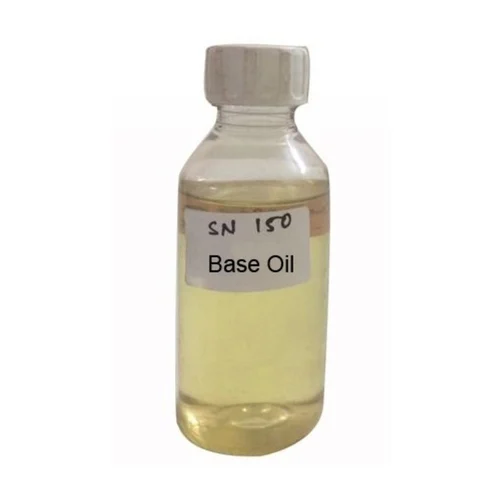
Base Oil GroupsRefined petroleum base oils classified into groups used as primary raw materials in the formulation of lubricants and industrial oils.
Synthetic Base OilsEngineered base oils such as PAO and ester oils offering superior thermal stability, lubrication performance, and extended service life.
Octane ImproversFuel additives used to increase gasoline octane rating and improve engine performance while preventing premature combustion.
Cetane ImproversAdditives used in diesel fuels to enhance ignition quality, improving combustion efficiency and engine starting performance.
Anti-Knock AgentsFuel additives designed to reduce engine knocking by controlling combustion characteristics in gasoline engines.
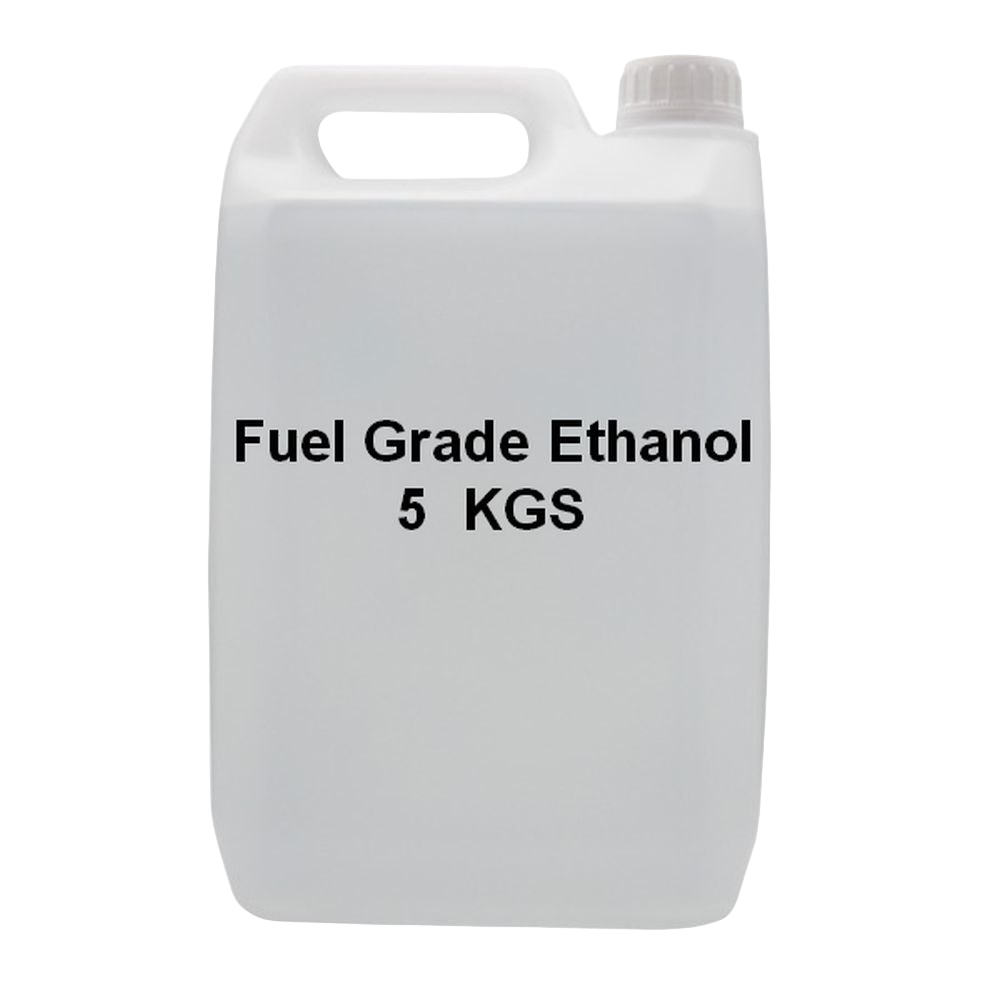
BioethanolRenewable alcohol fuel produced from biomass sources such as sugarcane or corn and used as a blending component in gasoline.
BiodieselRenewable diesel alternative produced from vegetable oils or animal fats through transesterification for use in diesel engines.
Vegetable Oil FeedstocksPlant-derived oils such as soybean, palm, or rapeseed oils used as raw materials for biodiesel and biofuel production.
WaxesPetroleum-derived solid hydrocarbons used in candles, coatings, packaging, cosmetics, and industrial applications.
Petroleum JellySemi-solid petroleum product used as a protective lubricant and moisture barrier in pharmaceutical, cosmetic, and industrial uses.
Petroleum chemicals and biofuels cover the family of refinery-derived and bio-derived liquid and solid commodities used as transport fuels, industrial energy carriers, lubricant base stocks, solvents and petrochemical building blocks. The category spans finished fuels (gasoline, diesel, aviation turbine fuel), base oil groups, olefins and aromatics, paraffin and microcrystalline waxes, and renewable fuels such as biodiesel and bioethanol. For EU and GCC buyers, these are mostly bulk-traded commodities specified against recognised standards rather than catalogue parts, so a clear specification sheet drives the inquiry.
Grades are defined by internationally recognised specifications: ASTM and EN methods for fuels (for example ASTM D4814 for gasoline, ASTM D975 for diesel, ASTM D1655 for Jet A-1), API base oil group classifications (I-V) for lubricant stocks, and EN 14214 / ASTM D6751 for biodiesel. Typical spec parameters include density, sulfur content, flash point, cetane or octane rating, viscosity index, cloud and pour point, oil content and congealing point depending on the product. HS codes are provided on documentation.
Forms range widely: ISO tanks and flexitanks for bulk liquids, steel and plastic drums (200-210 L), IBCs (1,000 L), and 25/50 kg bags or slabs and cartons for waxes. Bulk vessel parcels are arranged for large fuel and base-oil orders.
Compliance is product-specific and typically includes REACH registration or Only Representative pathways for EU entry, CLP/GHS labelling, SDS provision, ADR/IMDG classification for flammable cargoes, and SABER/SASO registration for Saudi Arabia, coordinated where required. Many fuels are dangerous goods and ship under defined UN numbers.
Himalay's verified manufacturer and exporter partners supply petroleum chemicals and biofuels with CoA per batch, SDS, REACH/CLP compliance coordinated for EU, GHS labelling, and SABER for Saudi Arabia handled as part of the standard order flow.