Seals
Source seals from India's verified manufacturers and exporters on Himalay. Browse rotary shaft seals, o-rings & static rings, hydraulic & pneumatic seals, mechanical seals and packing & gland seals for industrial and export applications.
Browse Seals by Type
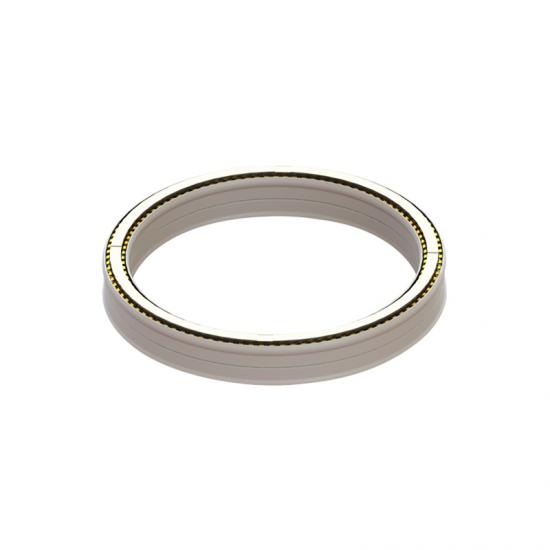
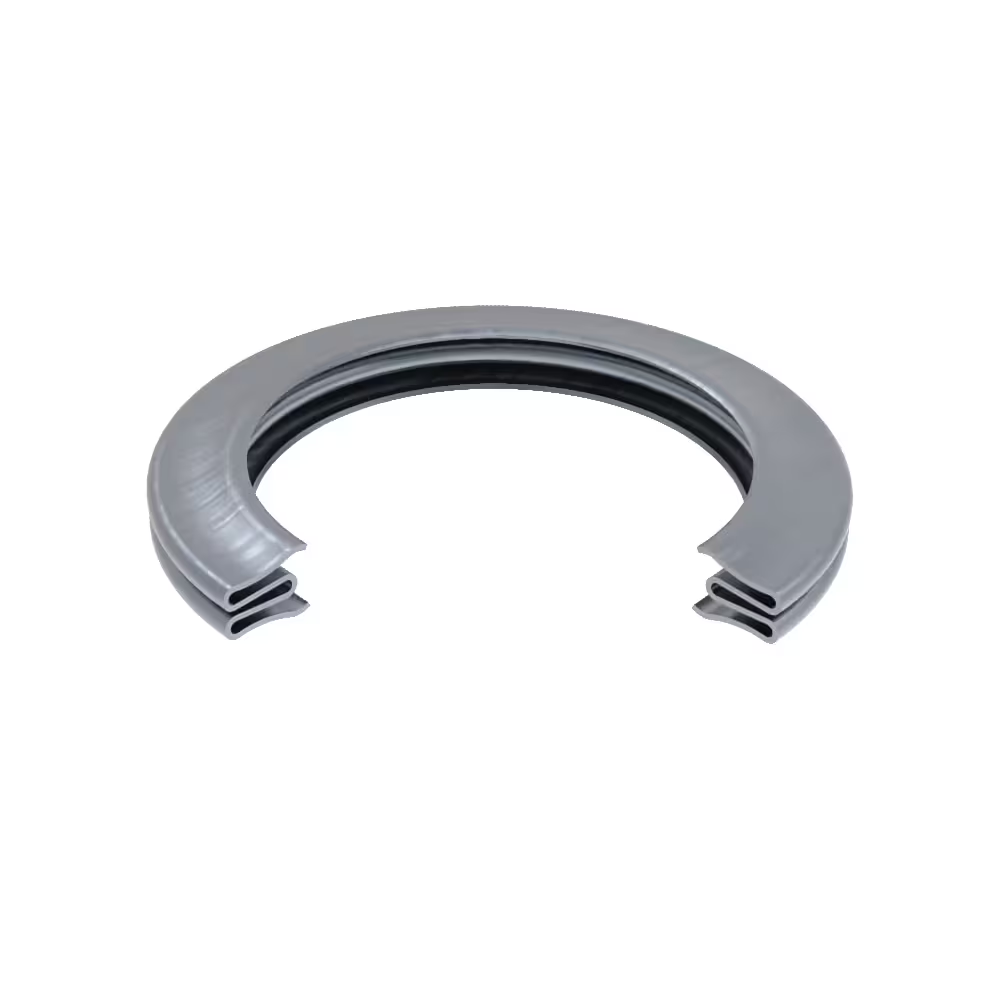
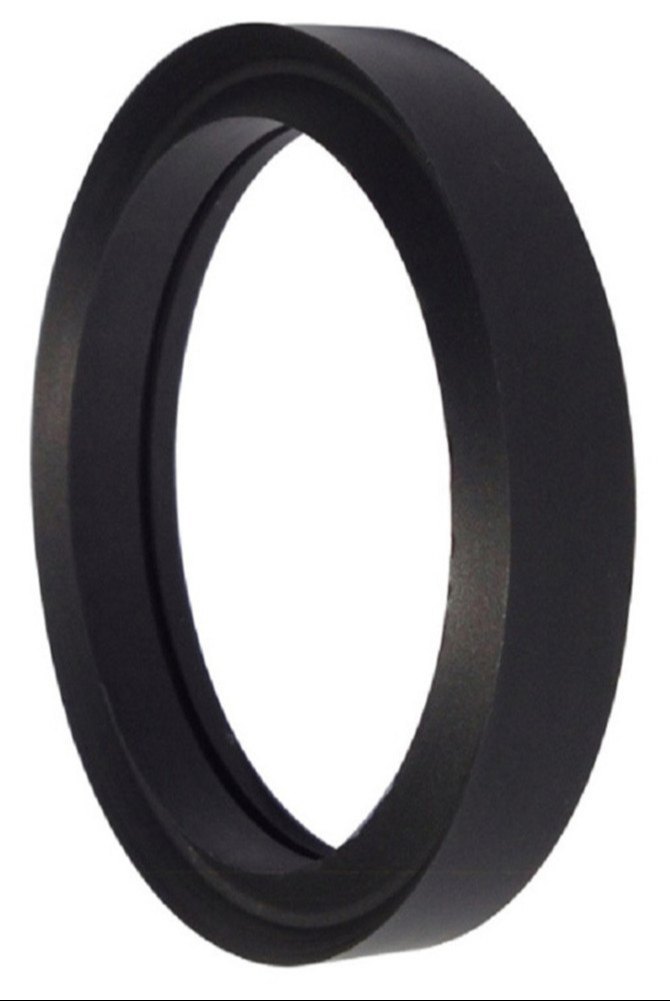
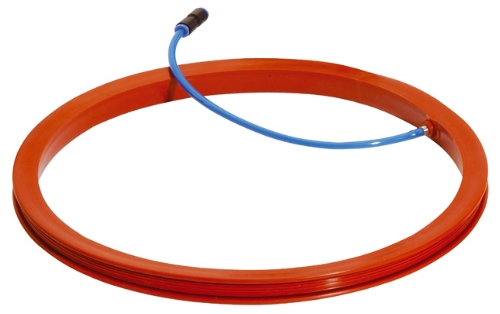
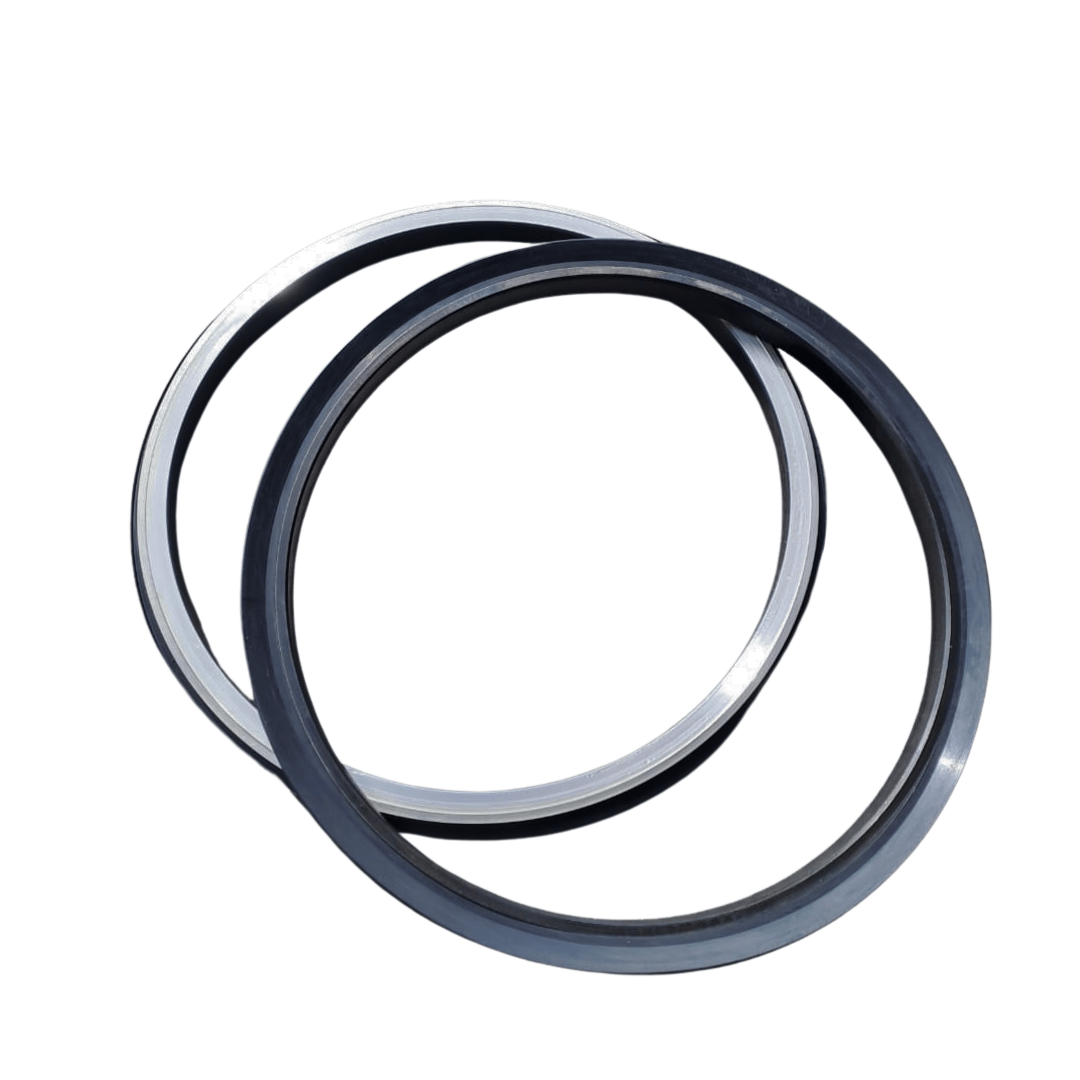
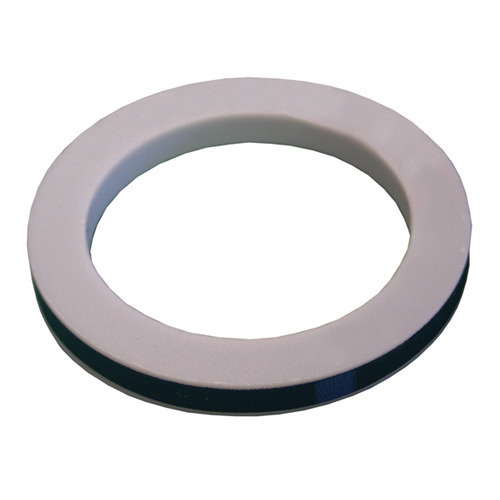
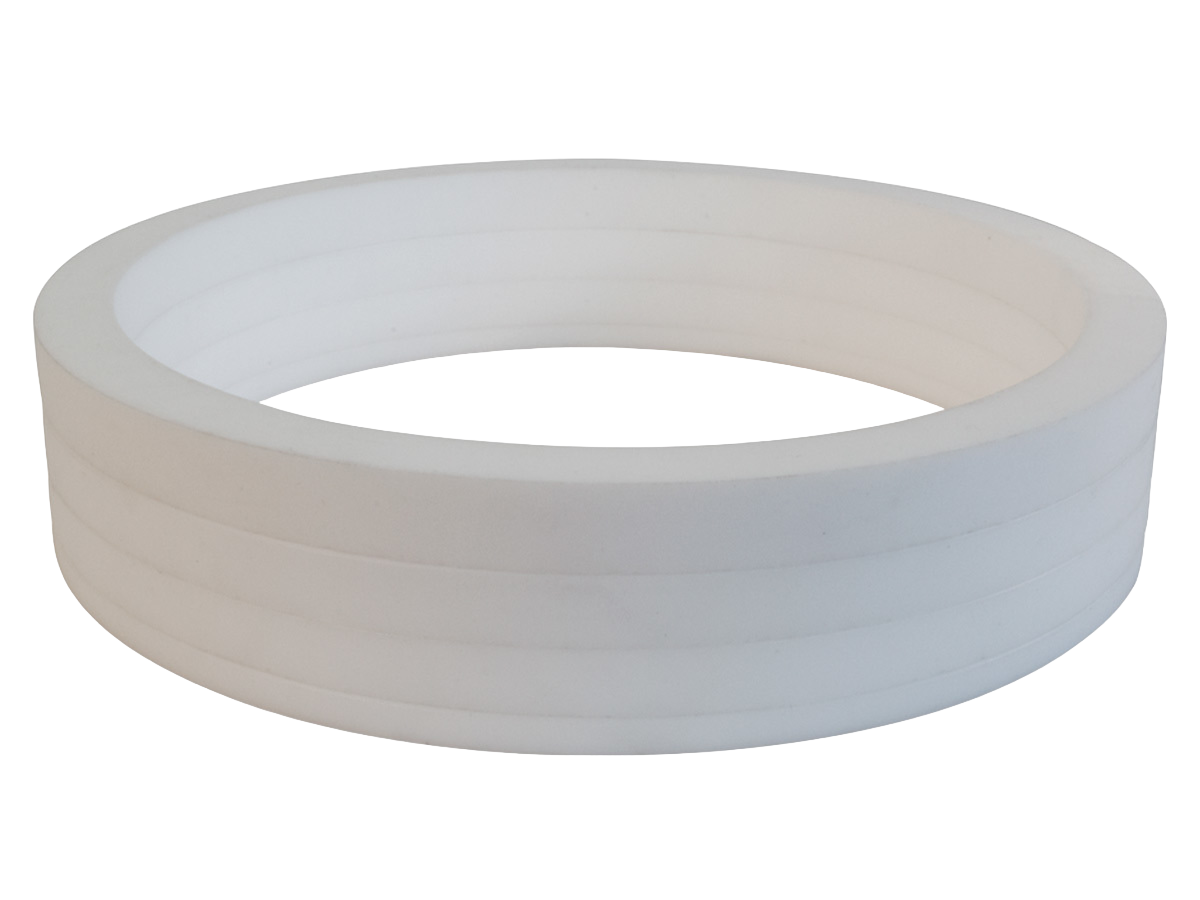
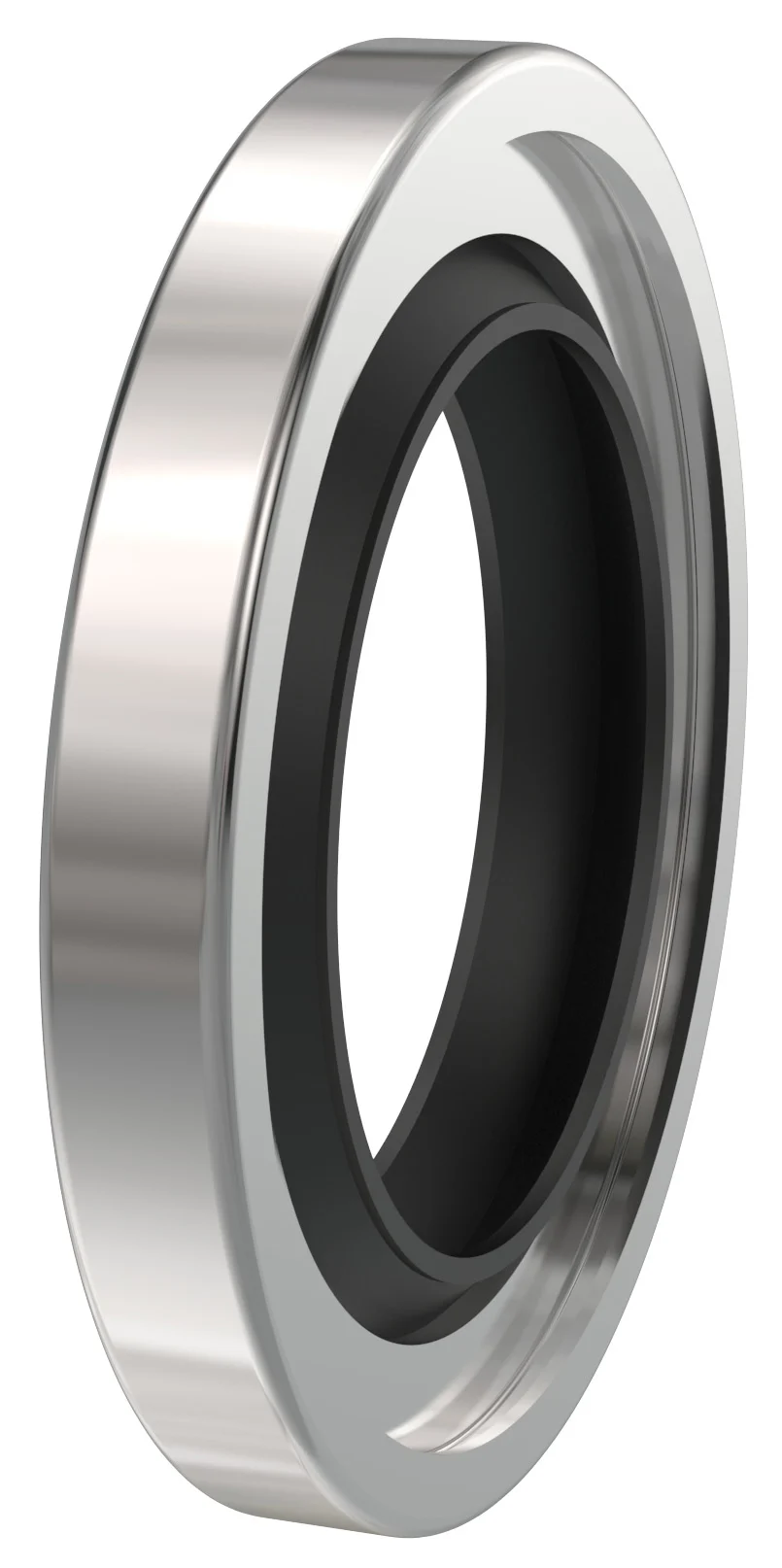
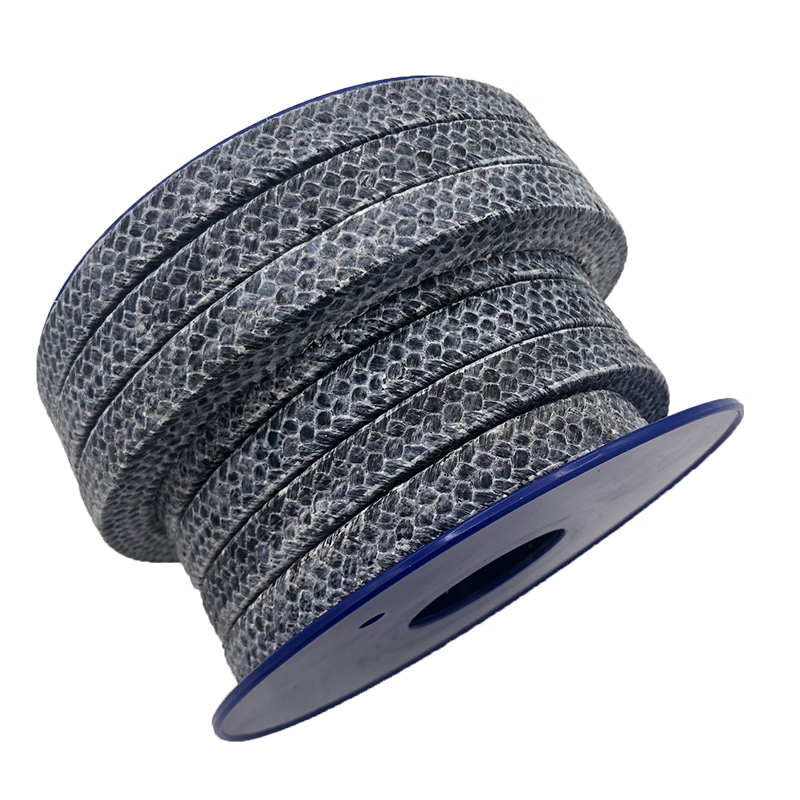
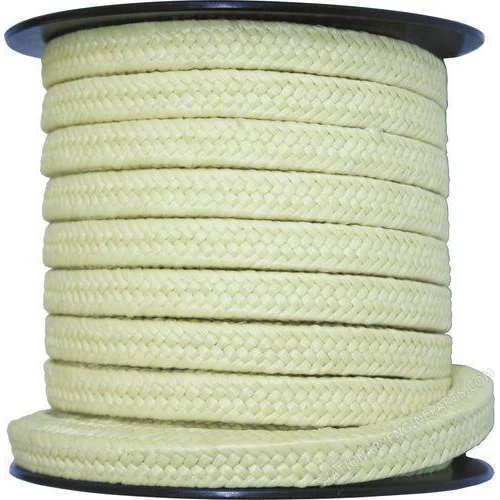
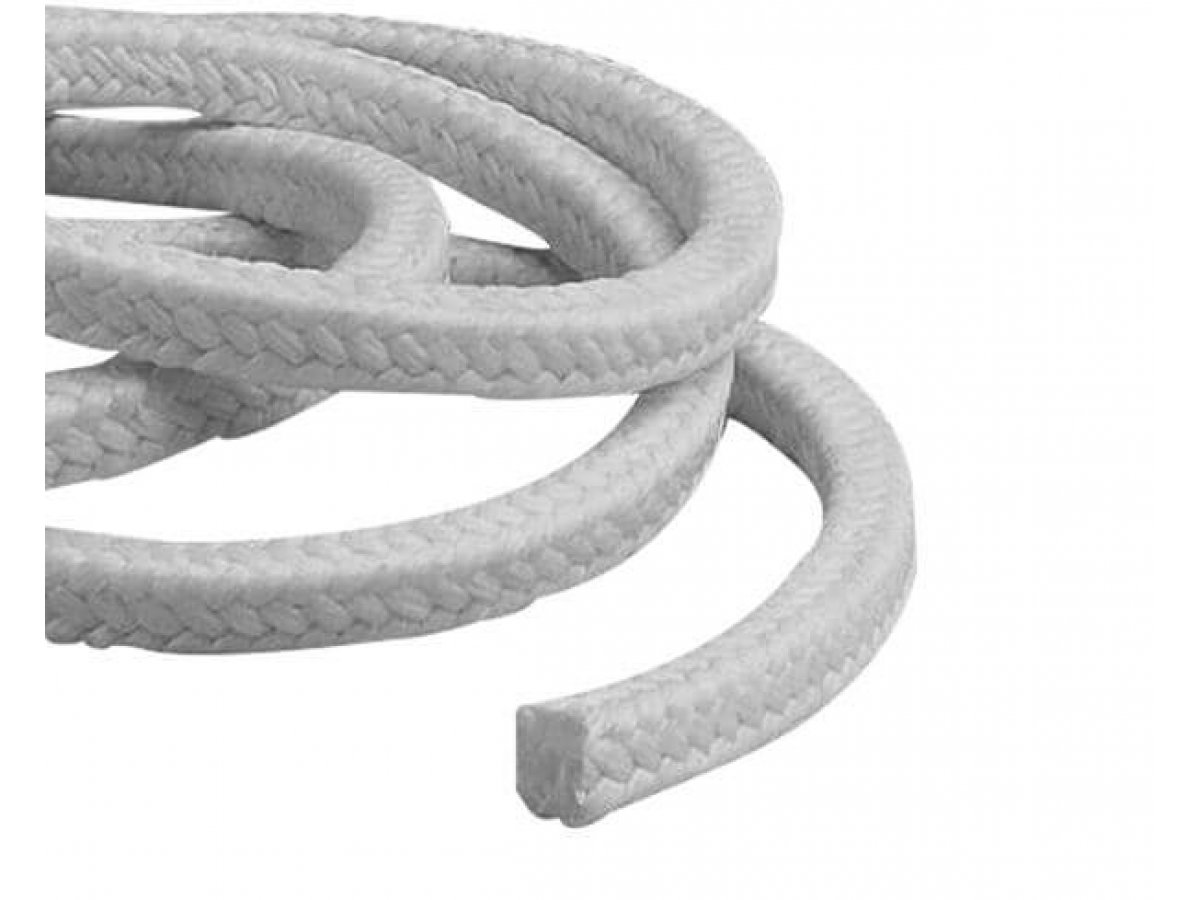
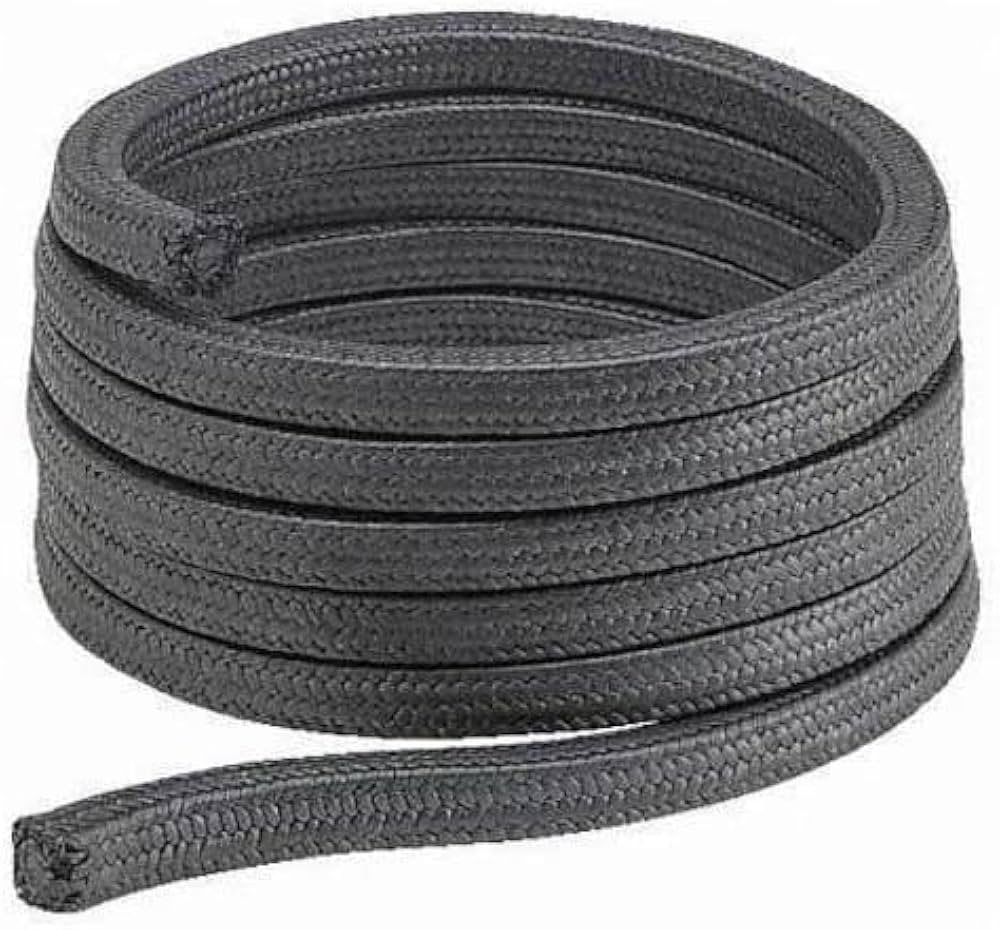
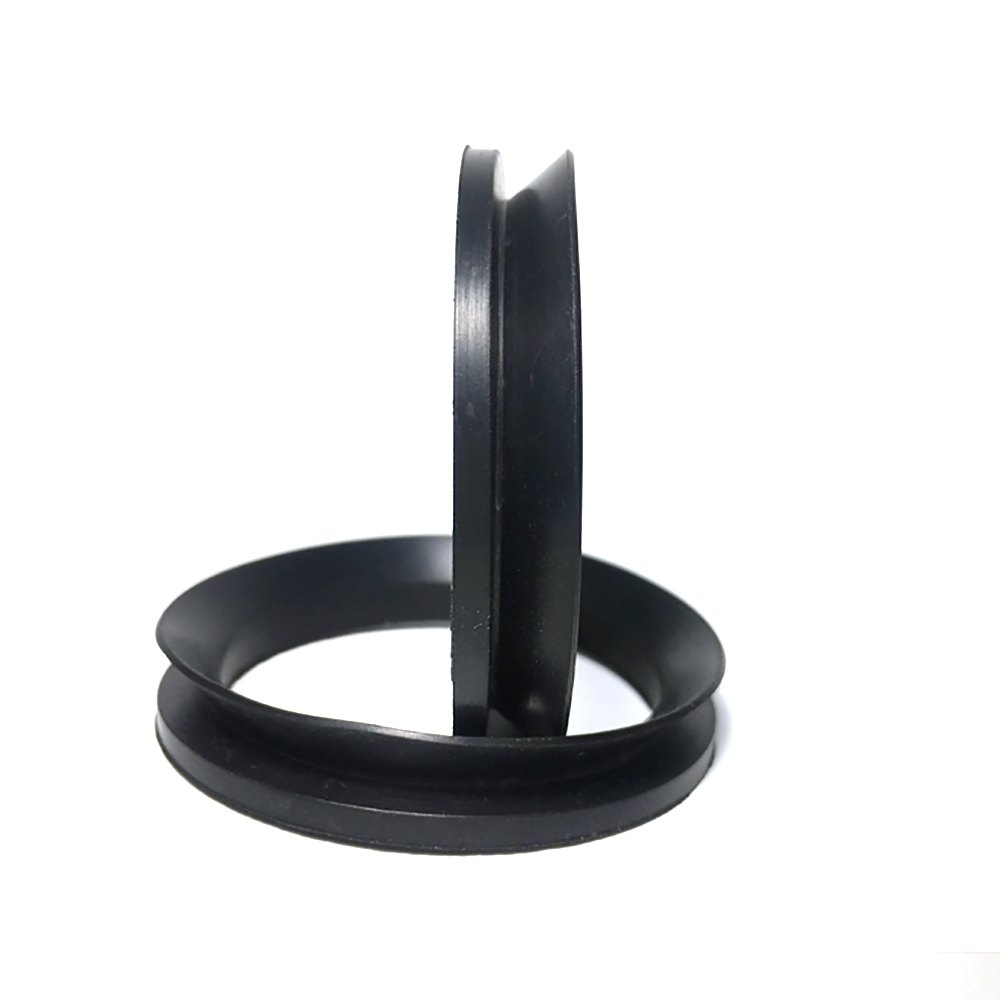
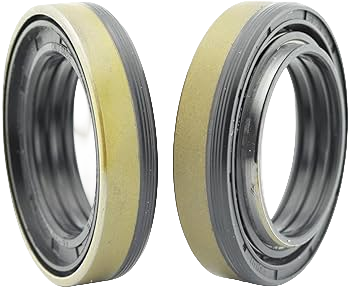
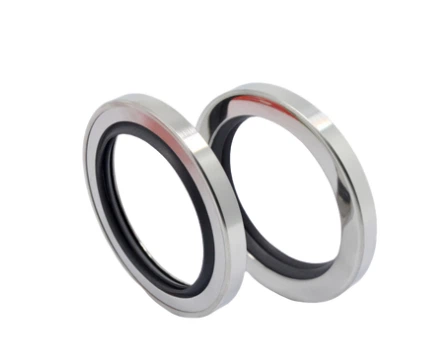
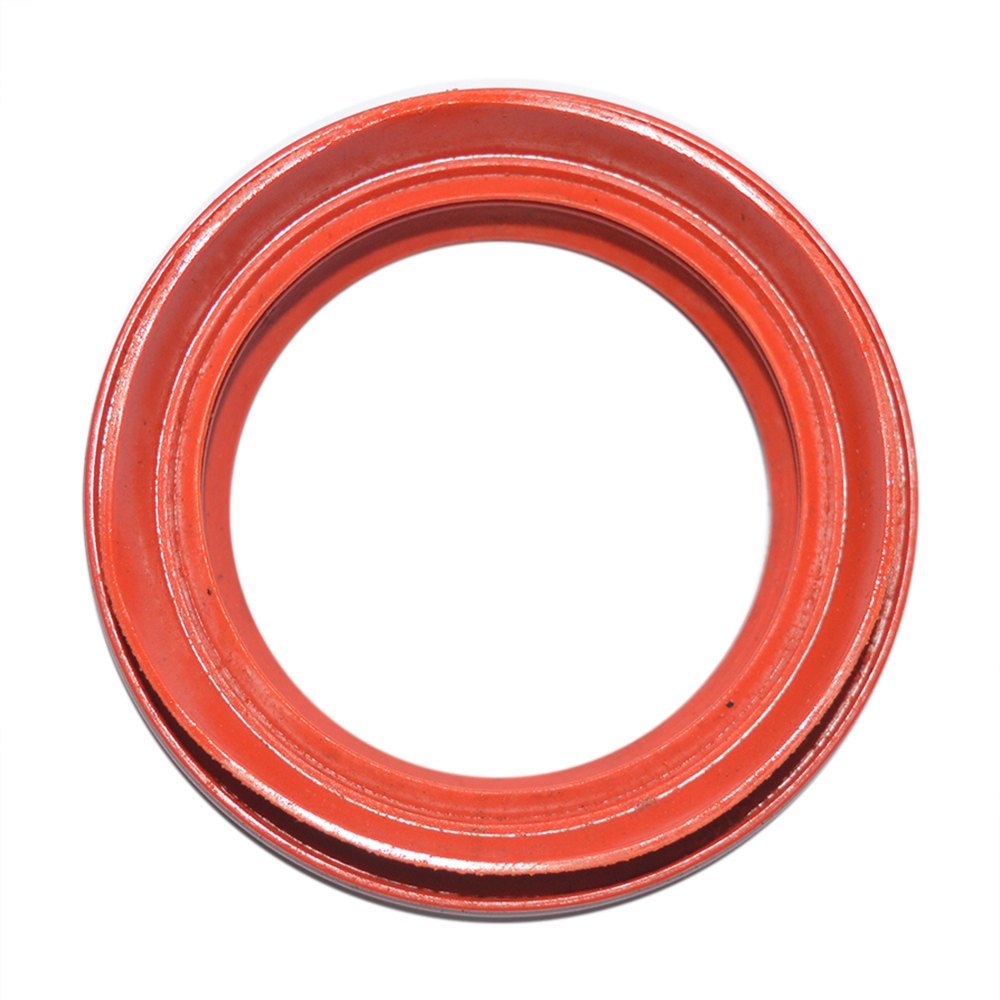
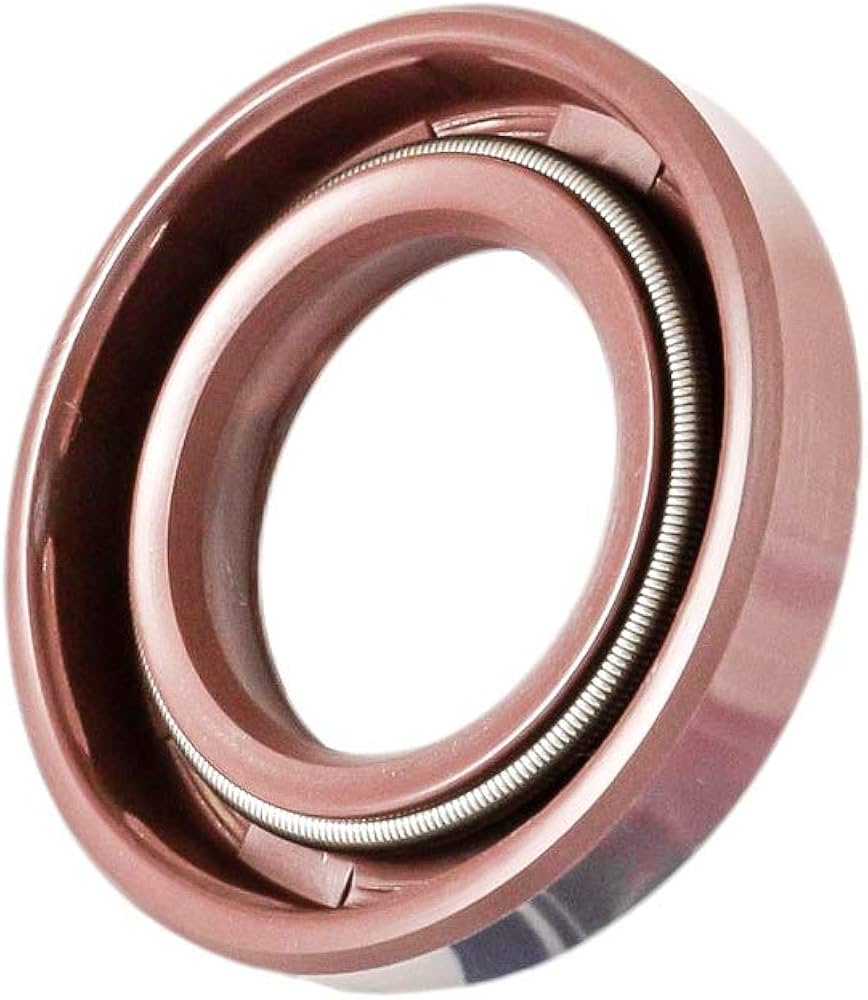
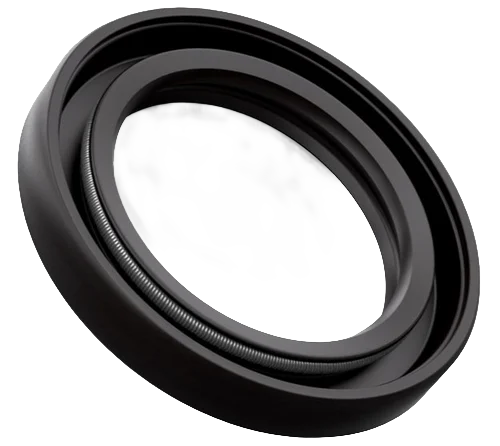
About Seals
Seals prevent leakage of fluids or gases across a joint, closure, or dynamic interface. The category encompasses static seals (O-rings, gaskets, sealing washers, closure seals) and dynamic seals (lip seals, mechanical seals, piston and rod seals, rotary unions). Correct seal selection is arguably the single most consequential specification decision in many mechanical systems — the seal usually costs less than 1% of the assembly but its failure stops operation entirely.
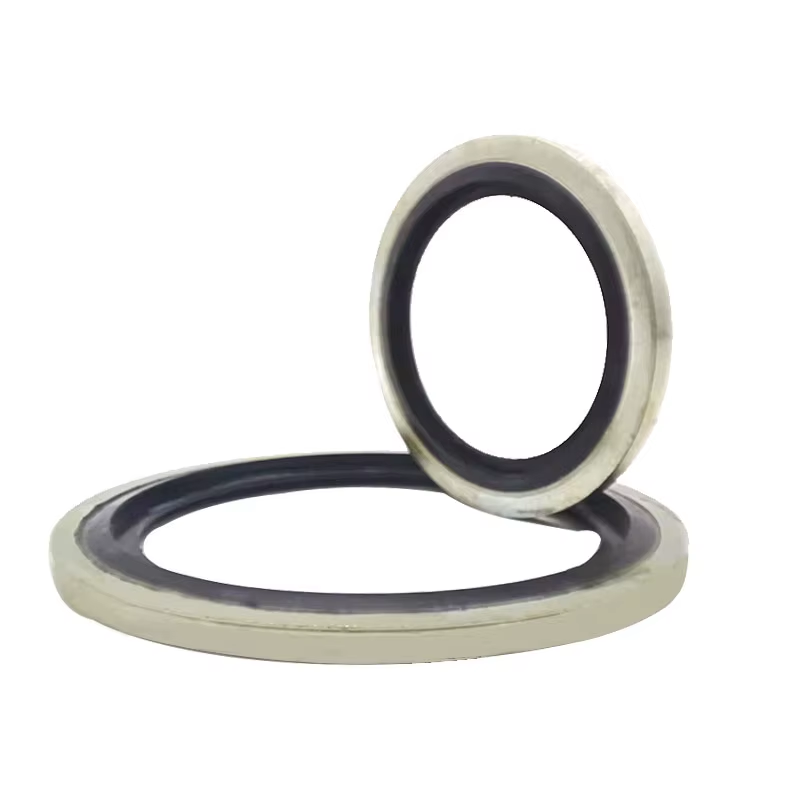
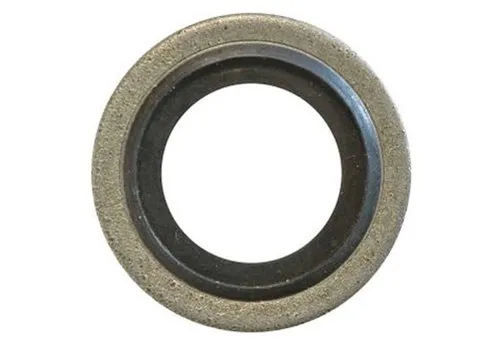
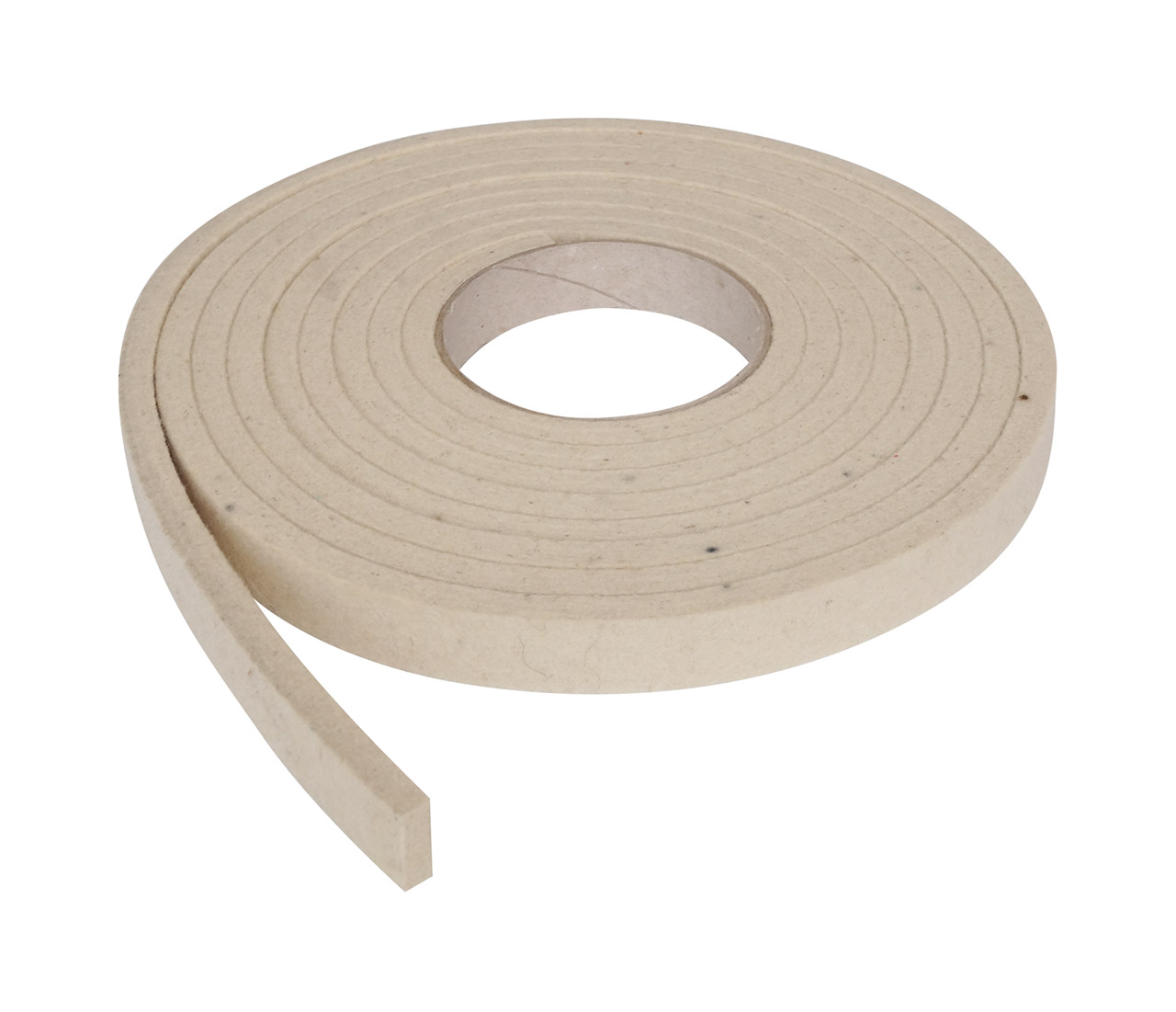
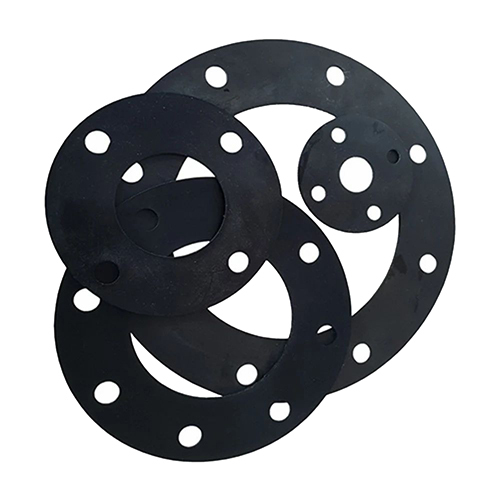
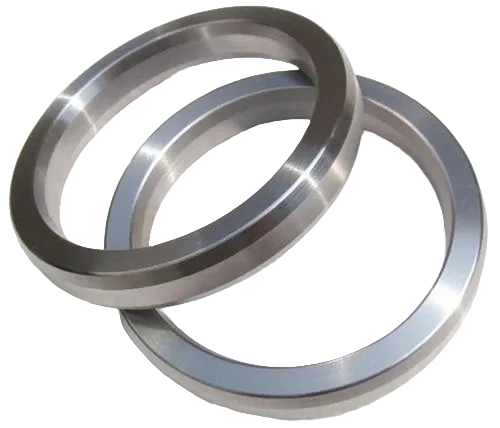
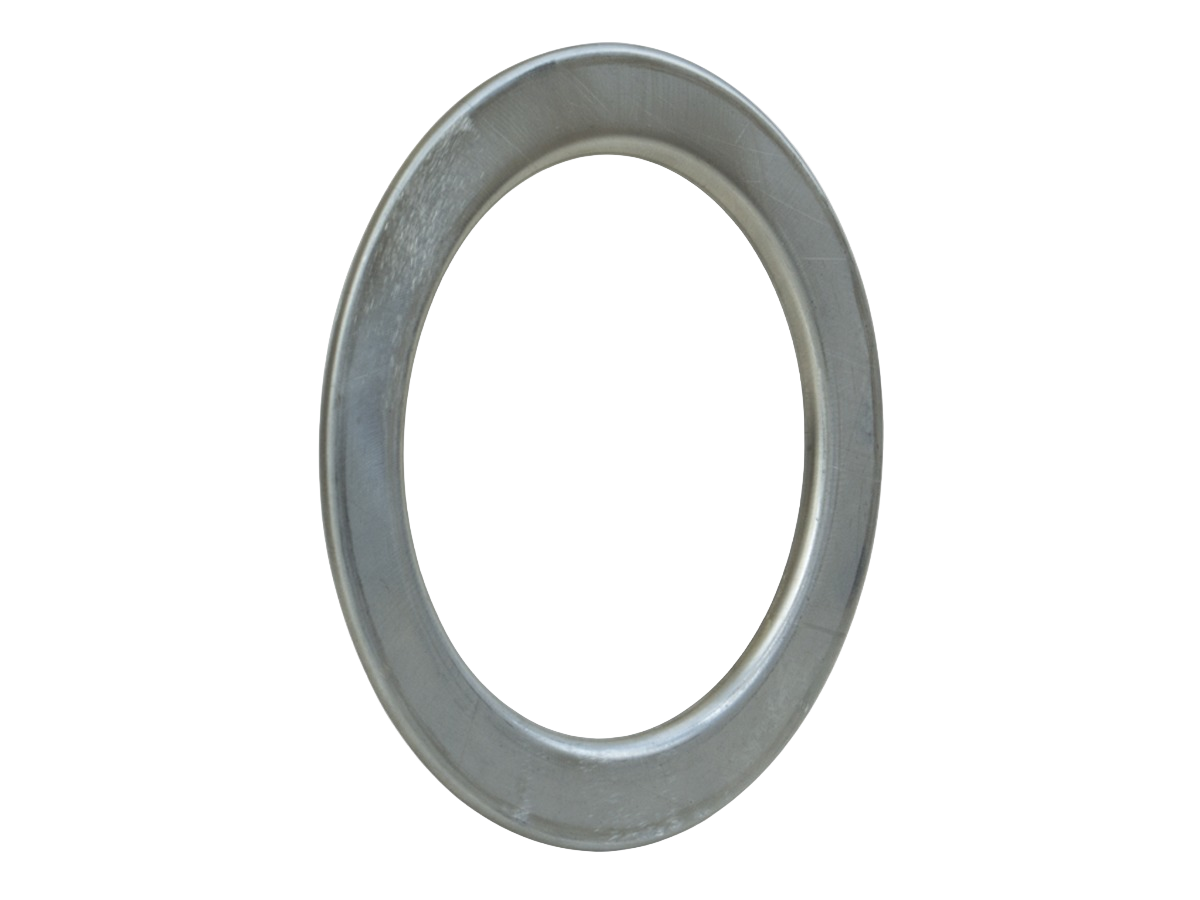
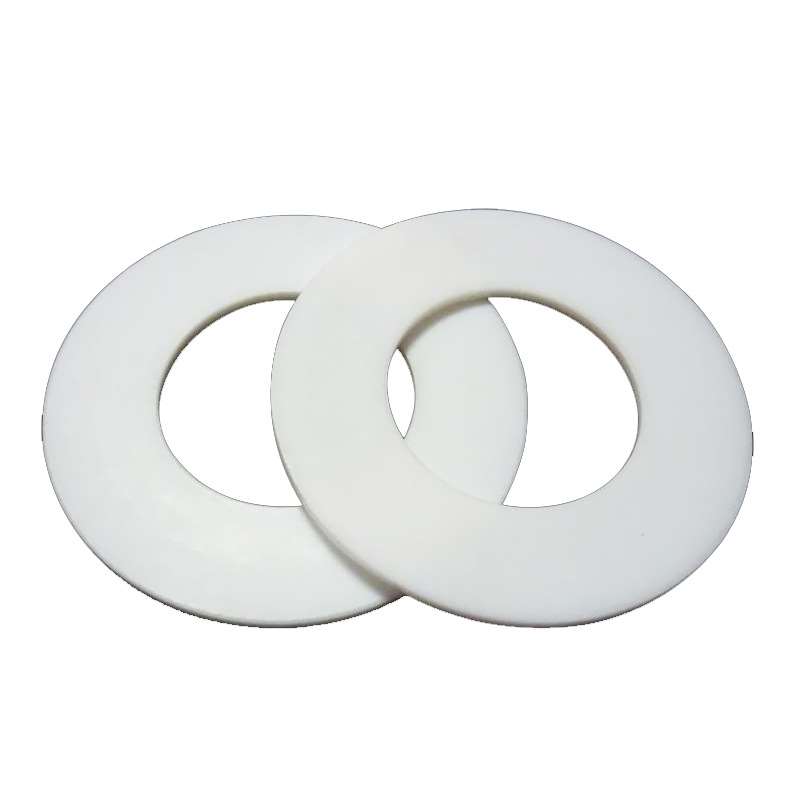
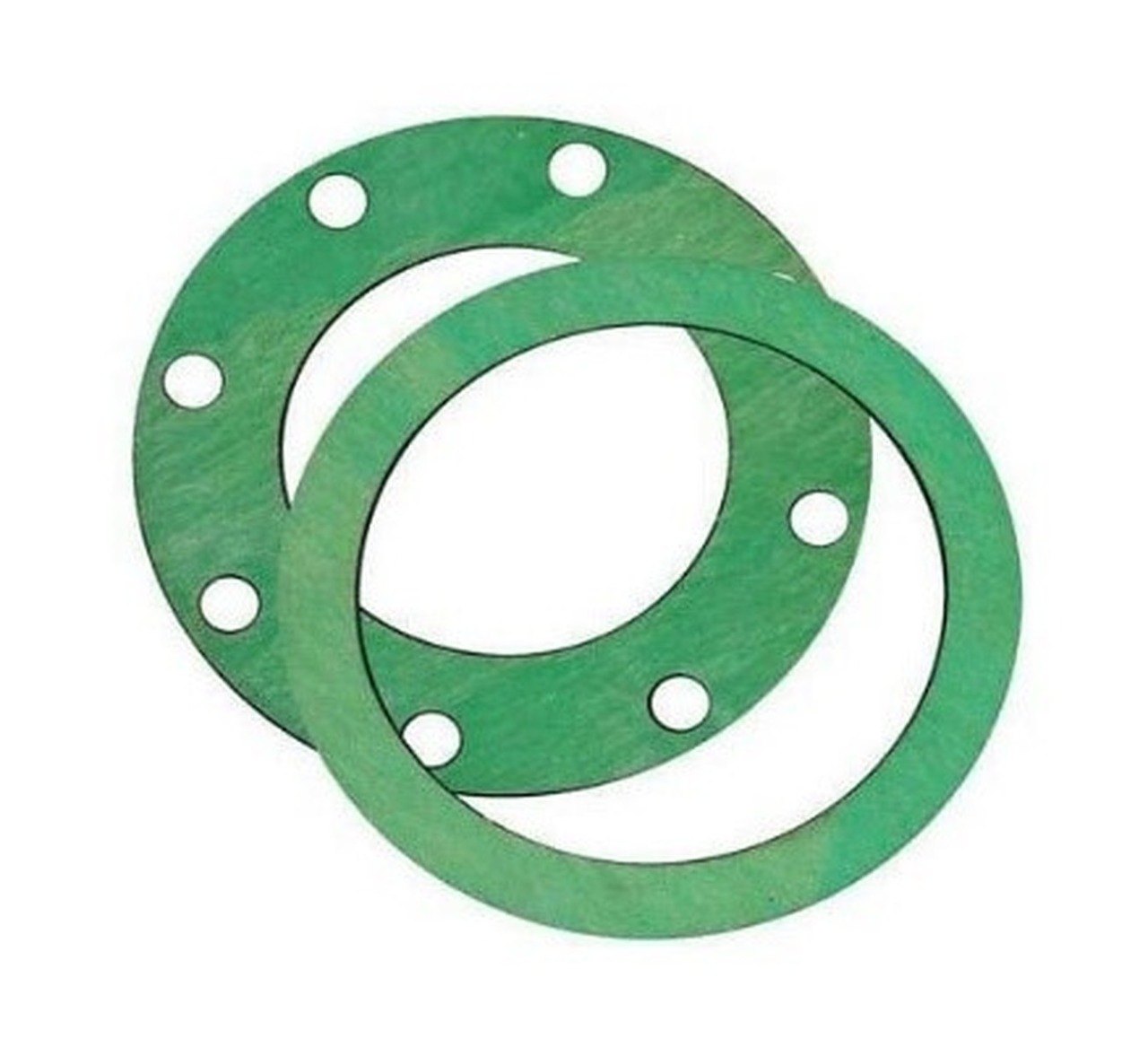
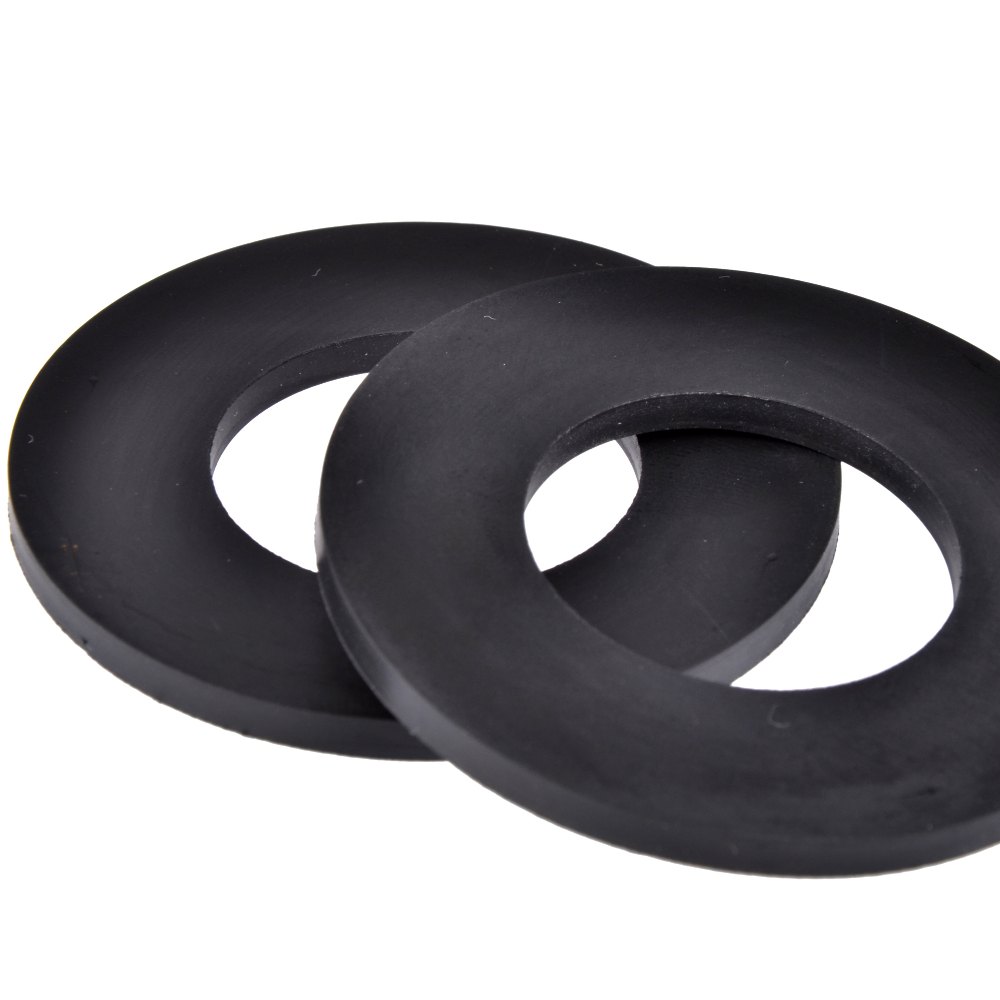
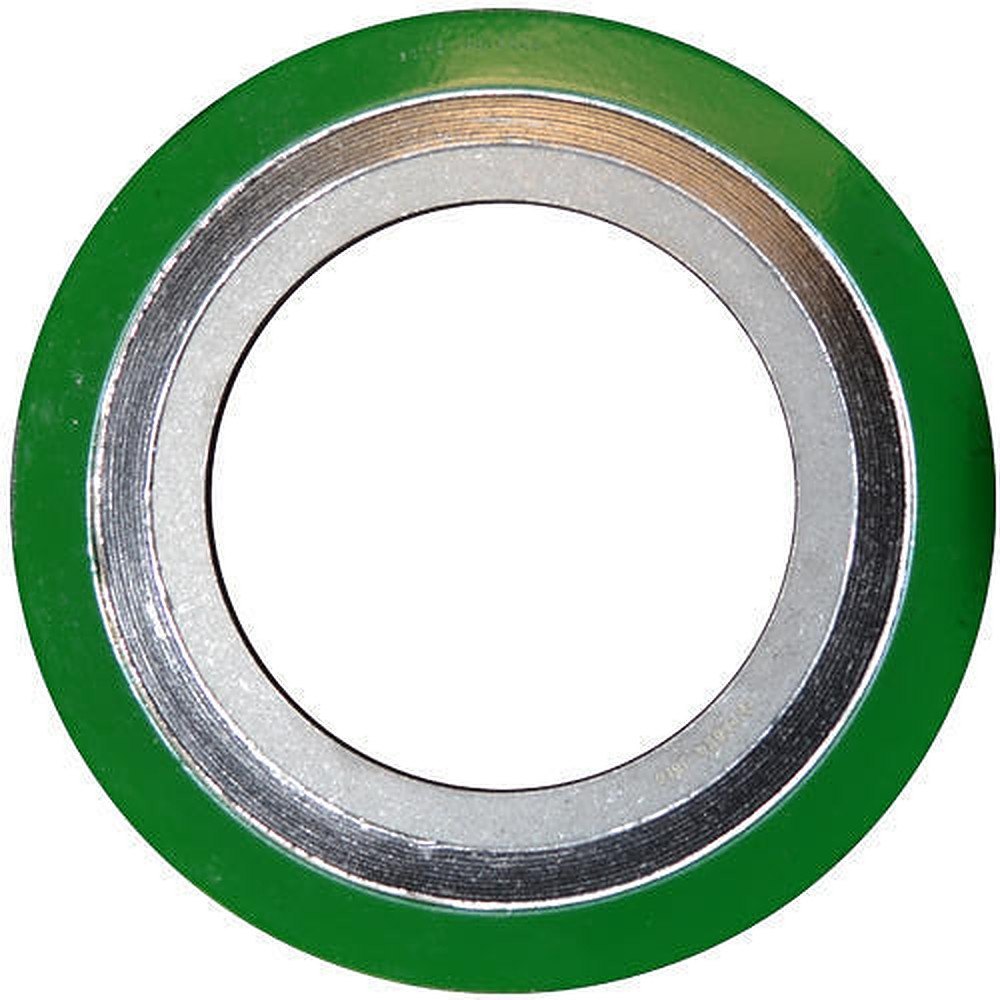
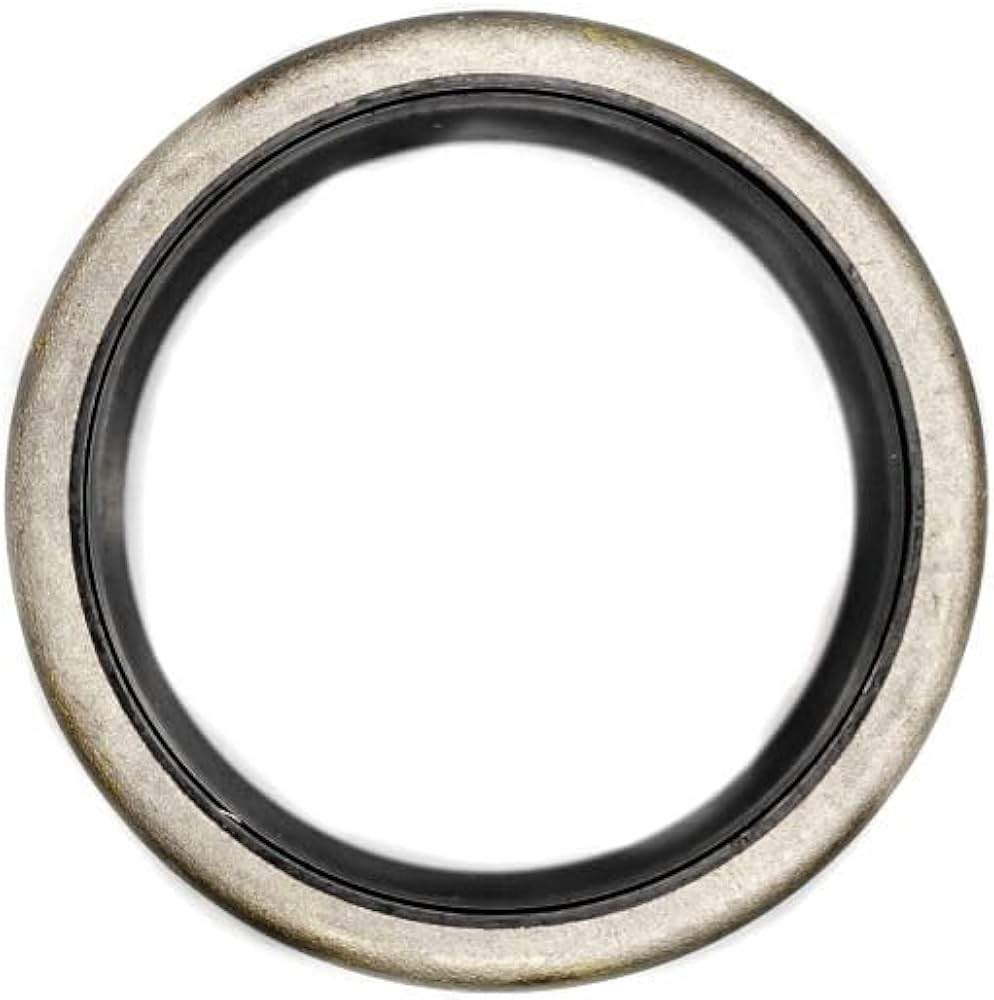
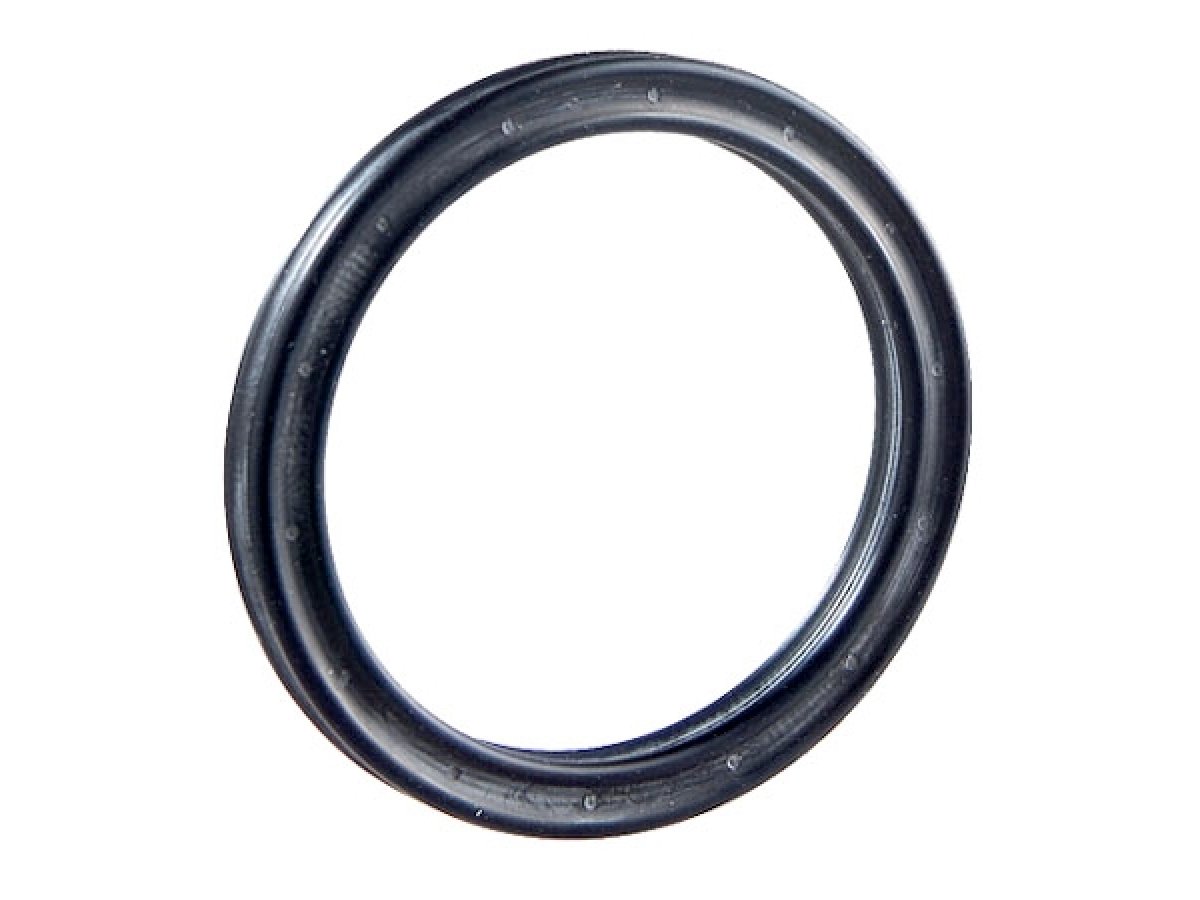
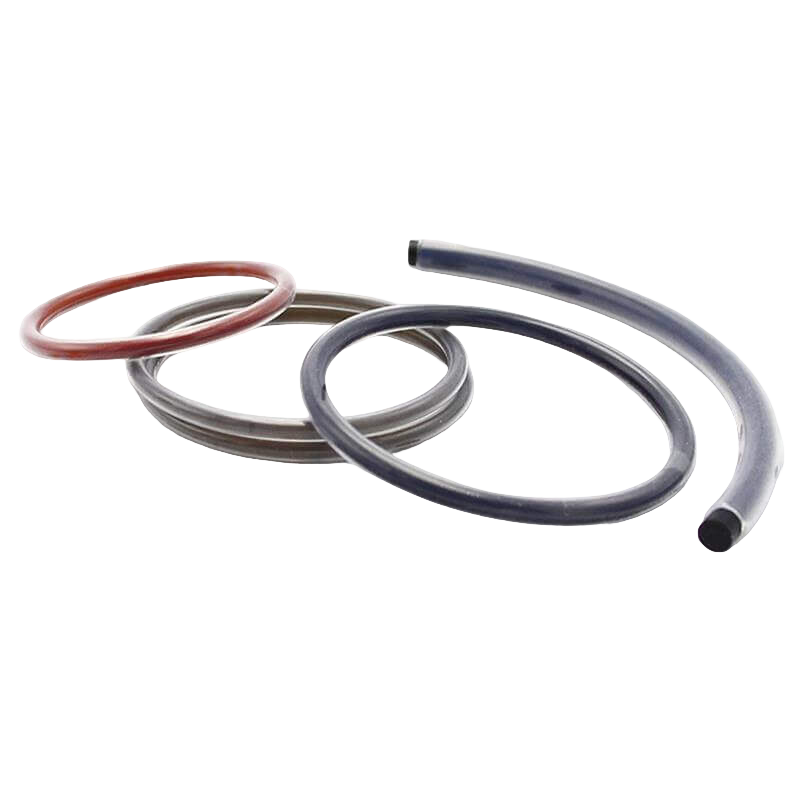
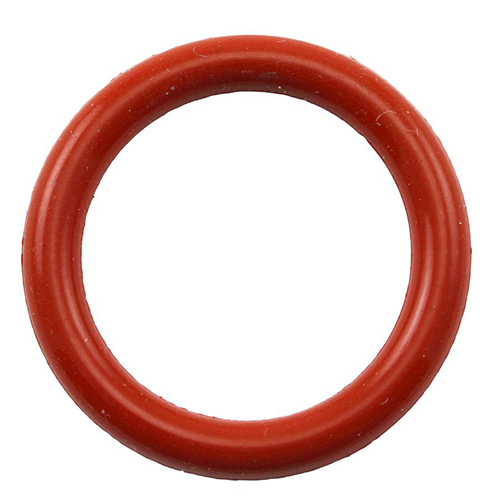
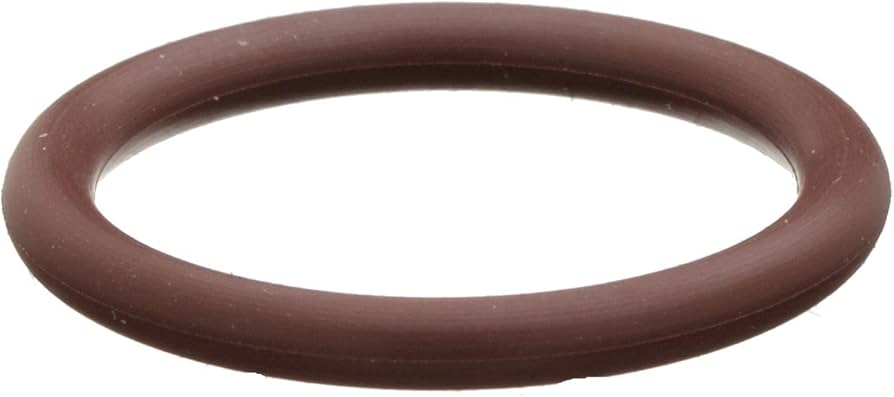
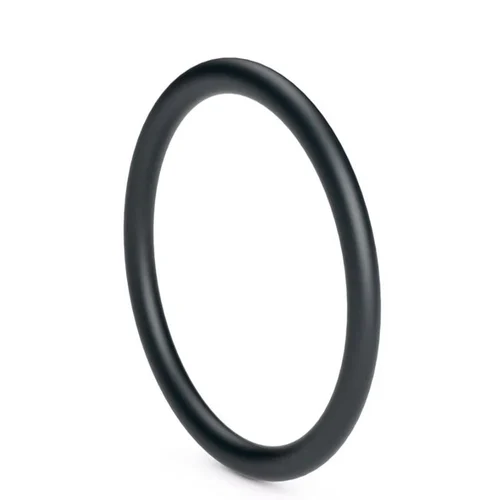
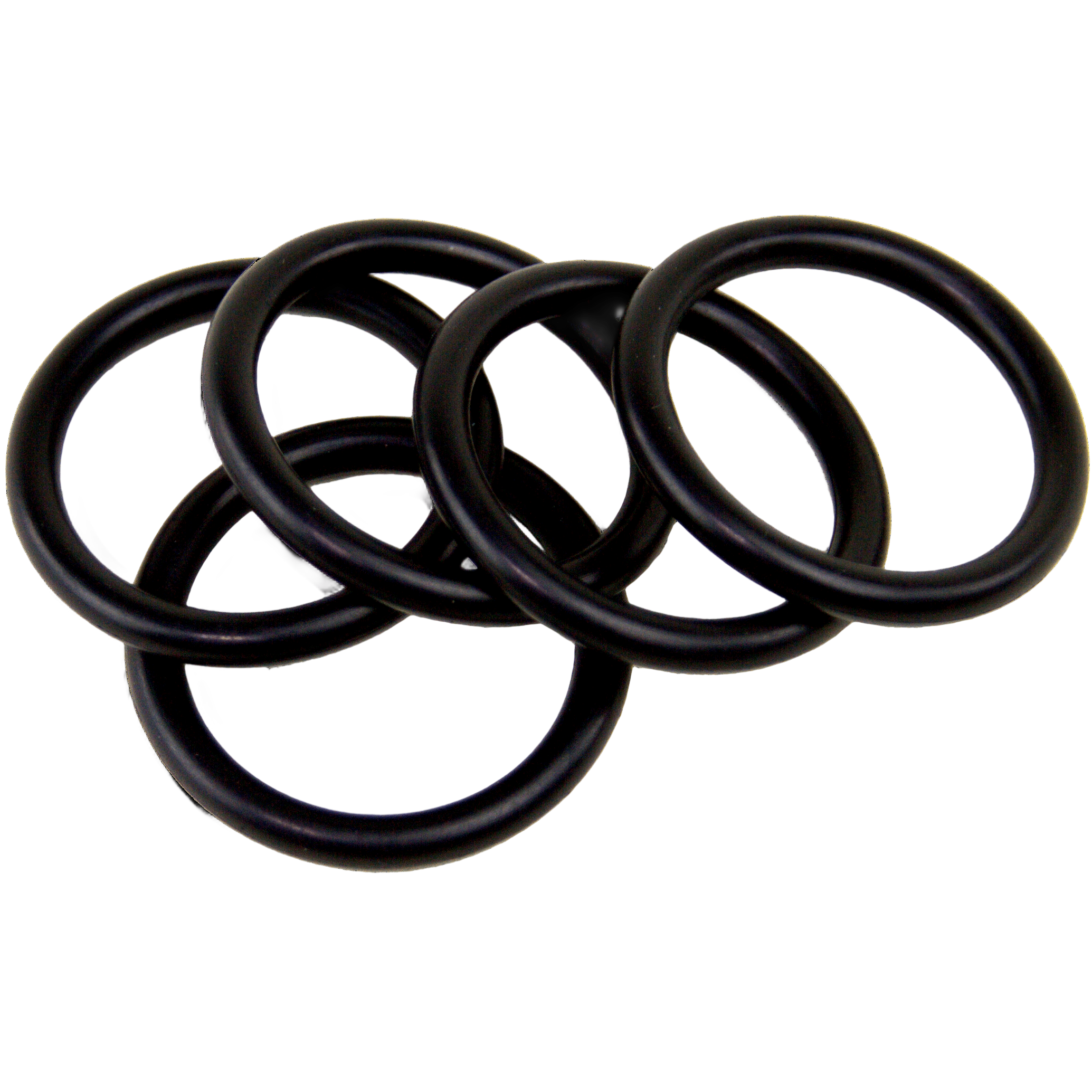
Static seal families: O-rings (the most ubiquitous — round-cross-section rubber or elastomer rings, standard AS568 inch or ISO 3601 metric sizes, used wherever a simple axial or radial static seal is needed); gaskets (flat sheet material compressed between mating surfaces — rubber, cork, fiber, PTFE, graphite, spiral-wound metal-and-filler, kammprofile, ring-joint metal); sealing washers (copper, Dowty, bonded); closure seals (lids, covers, instrument enclosures, weatherproof IP-rated housings).
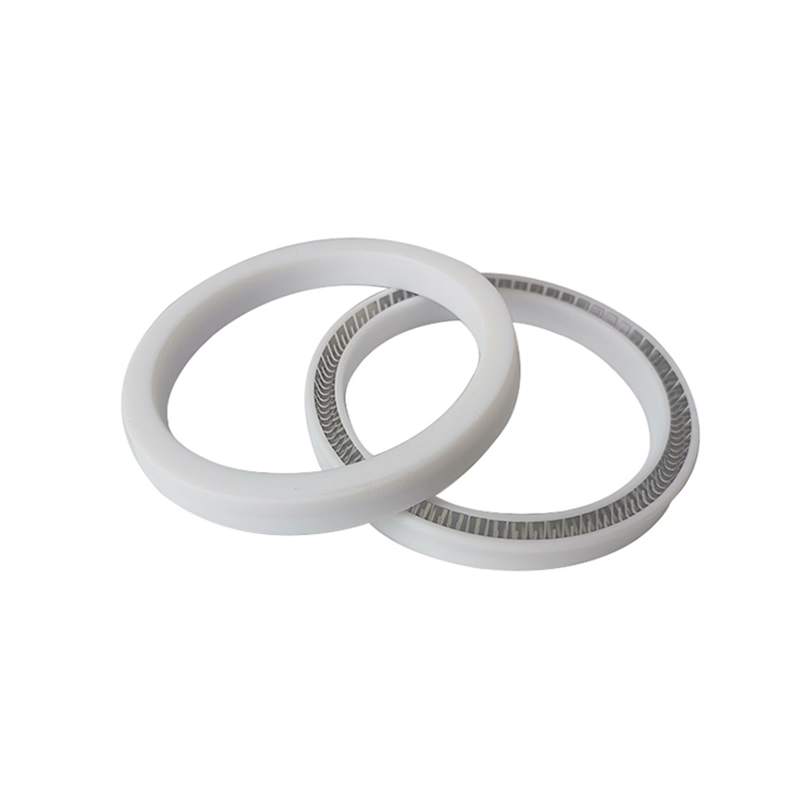
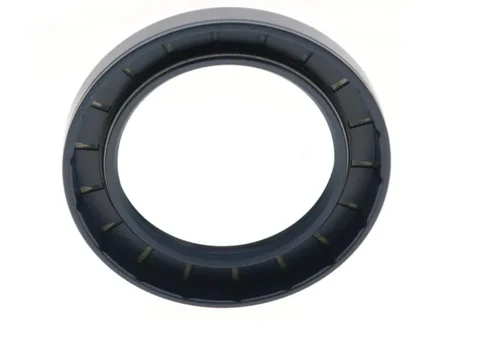
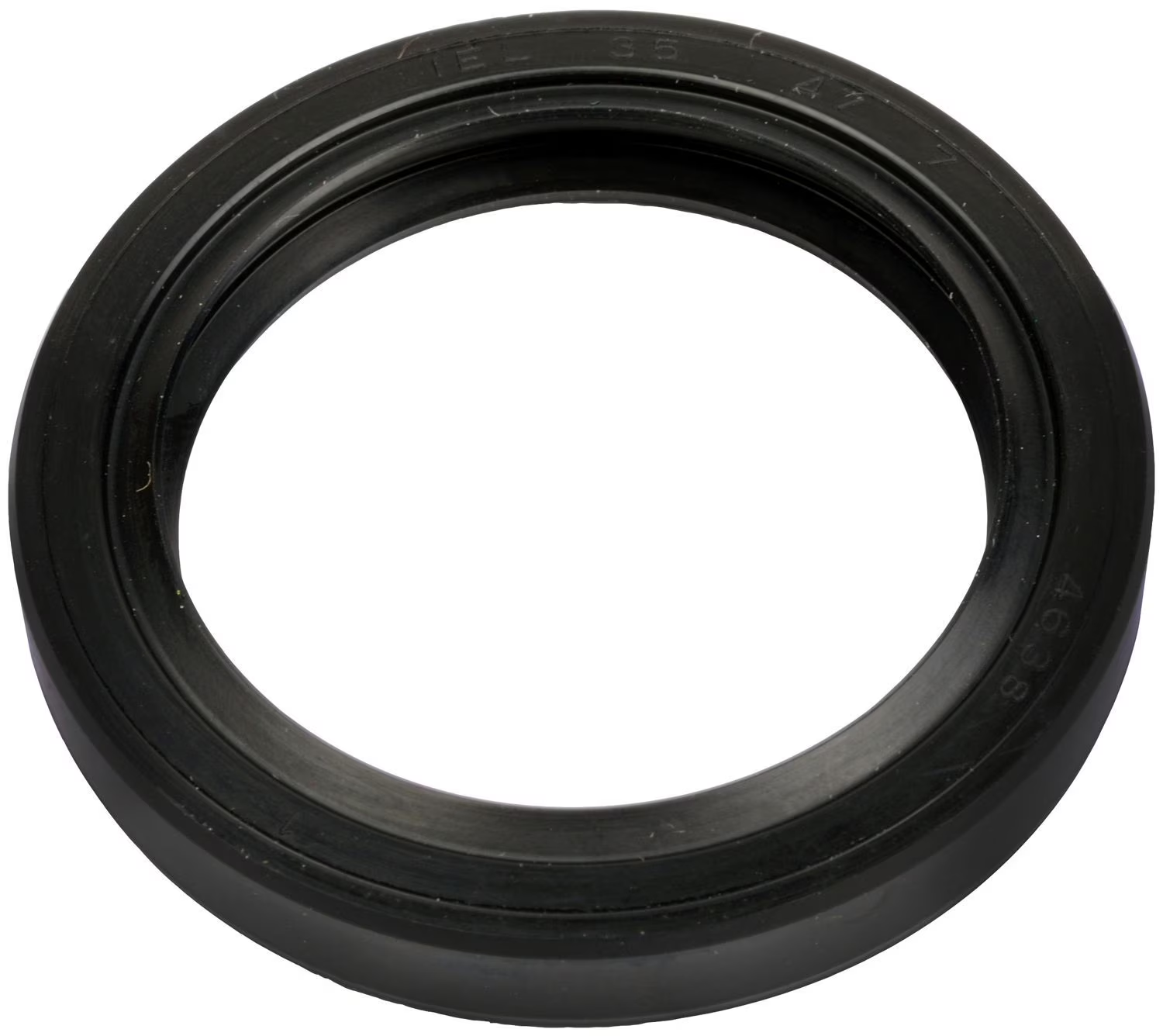
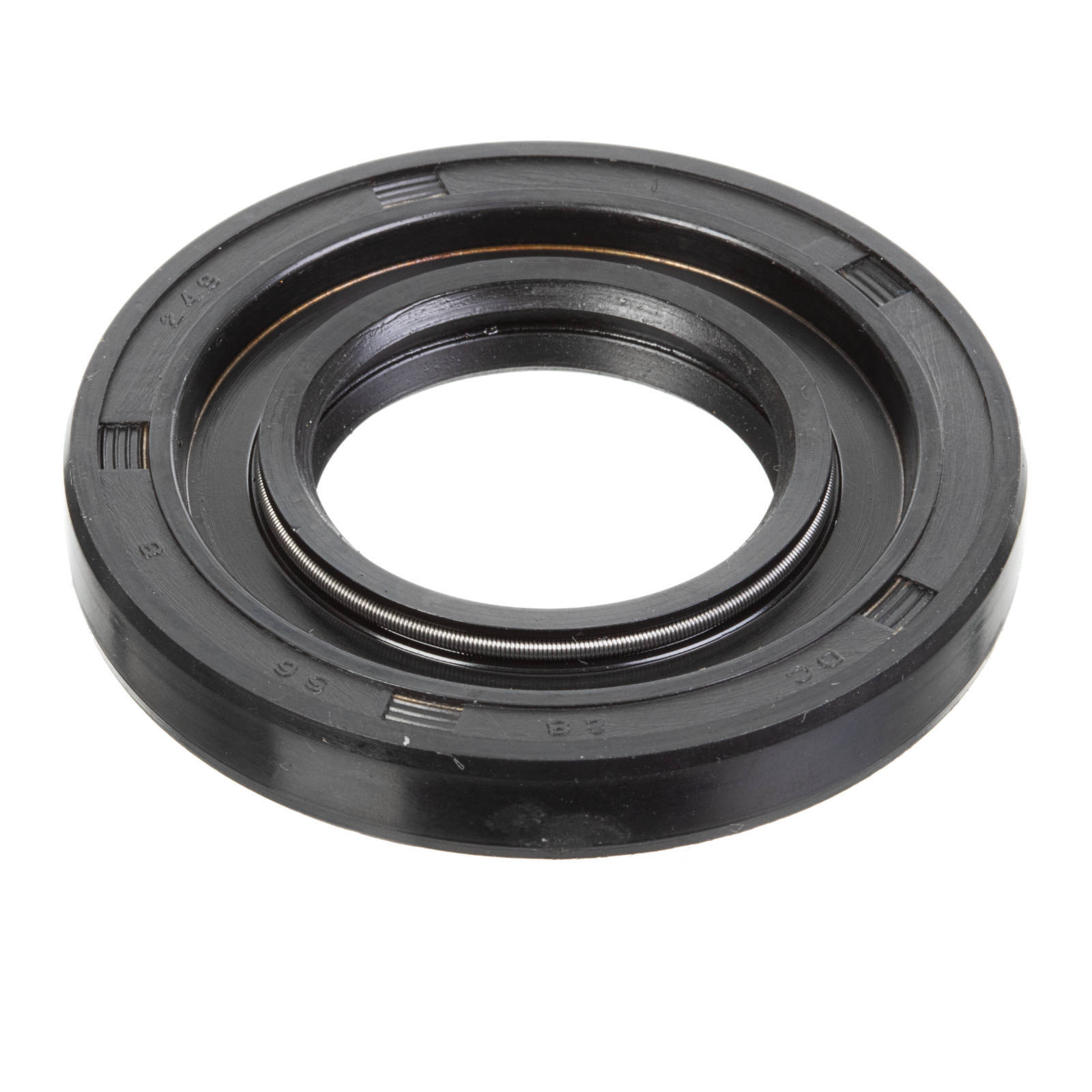
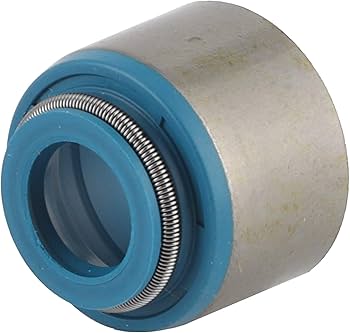
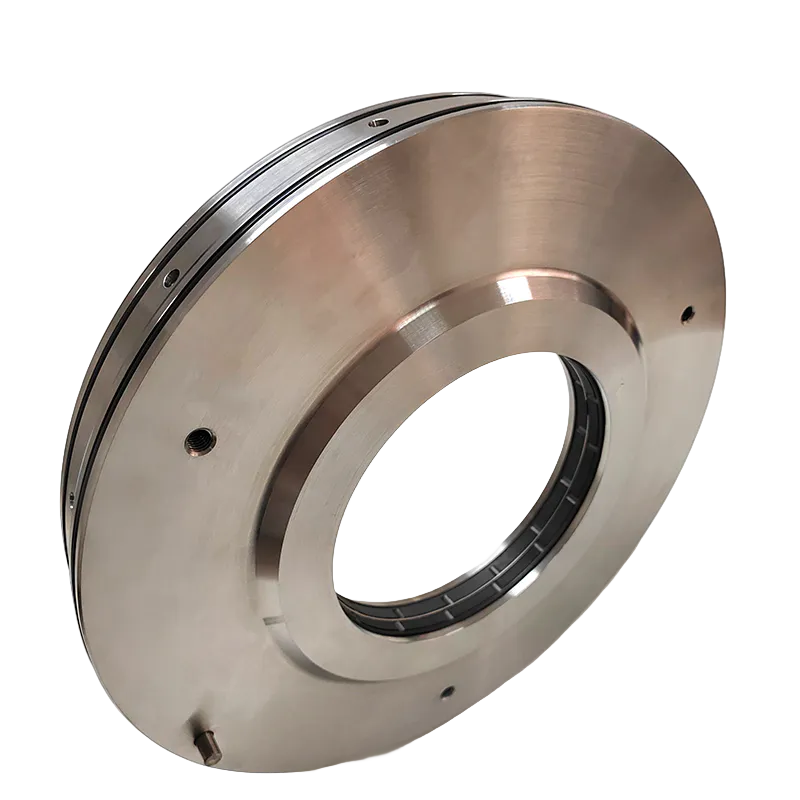
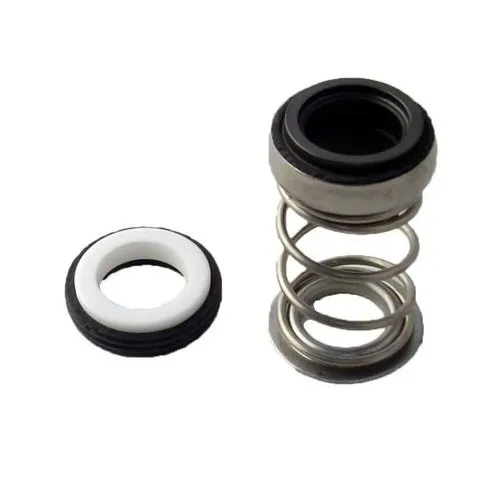
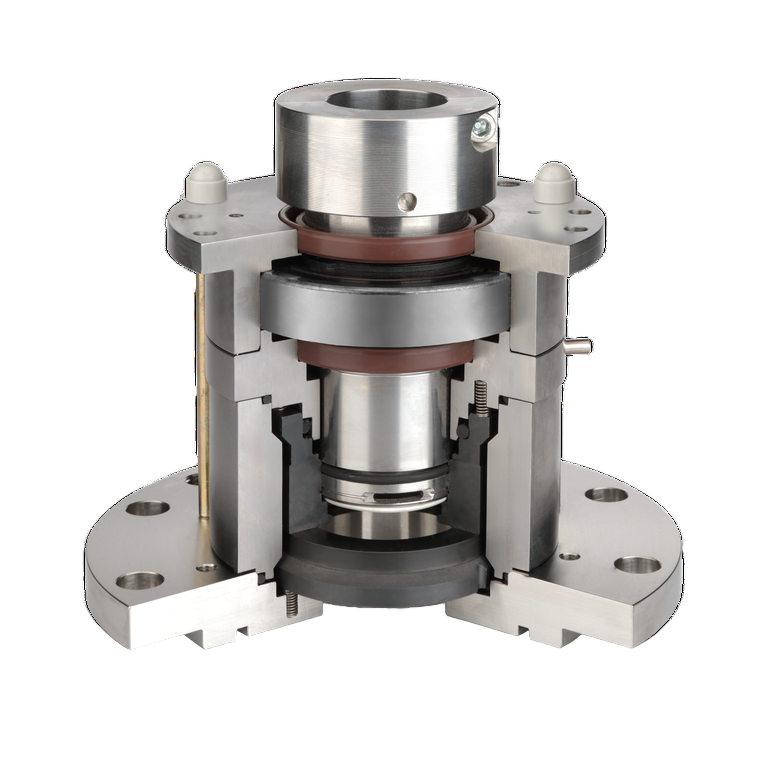
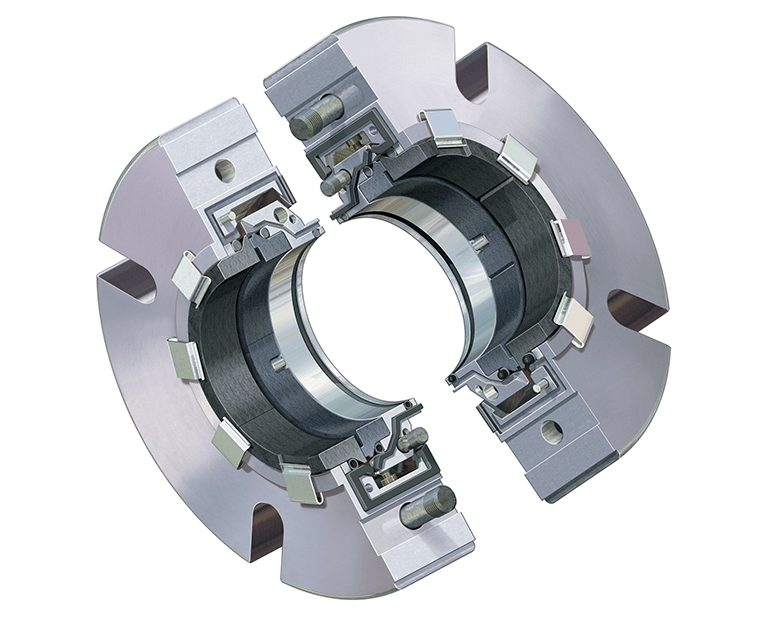
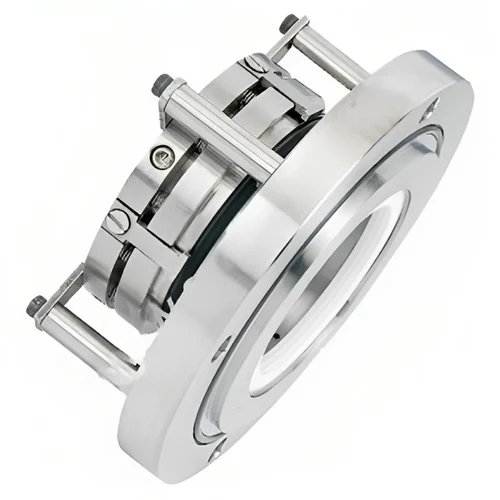
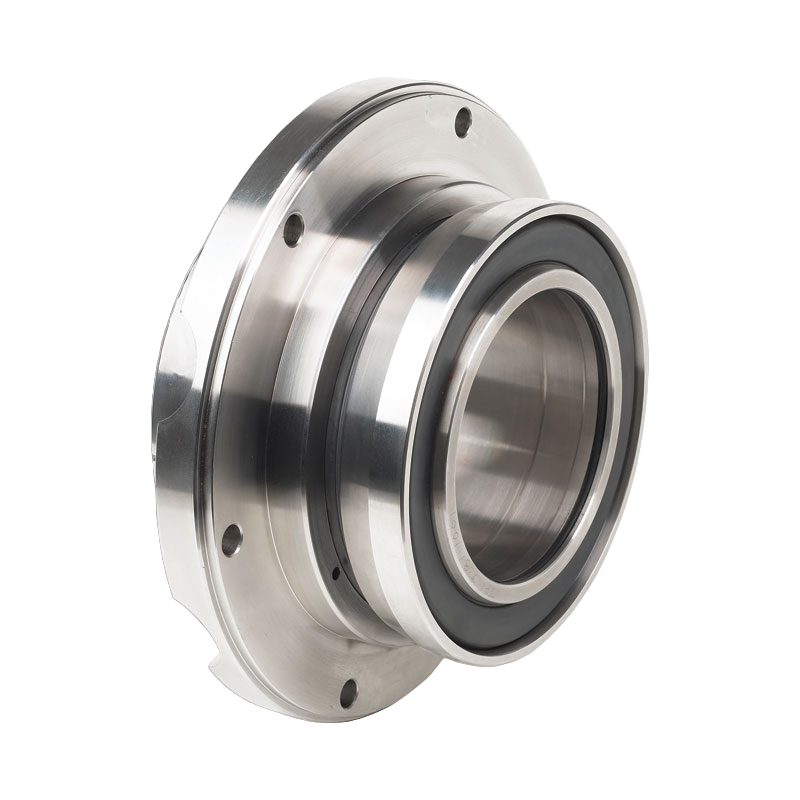
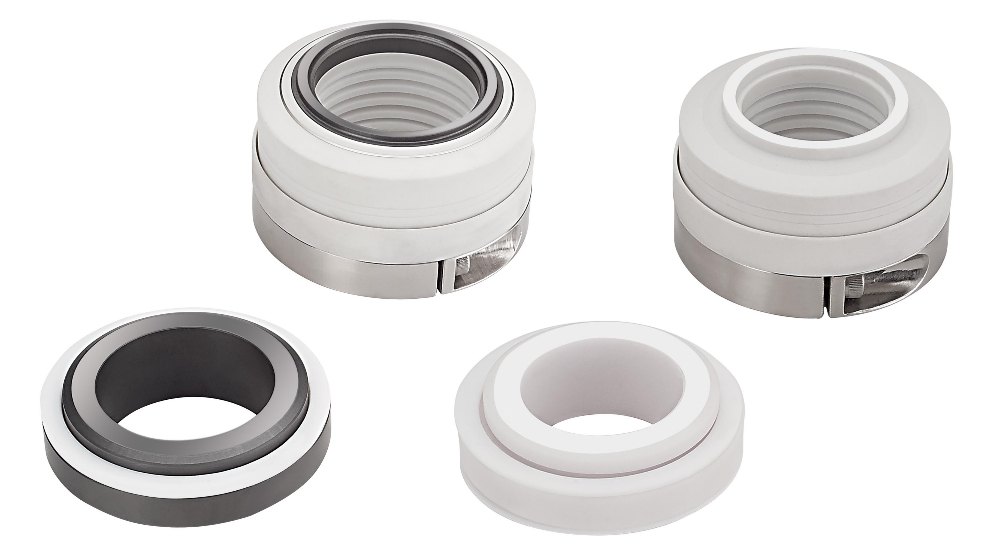
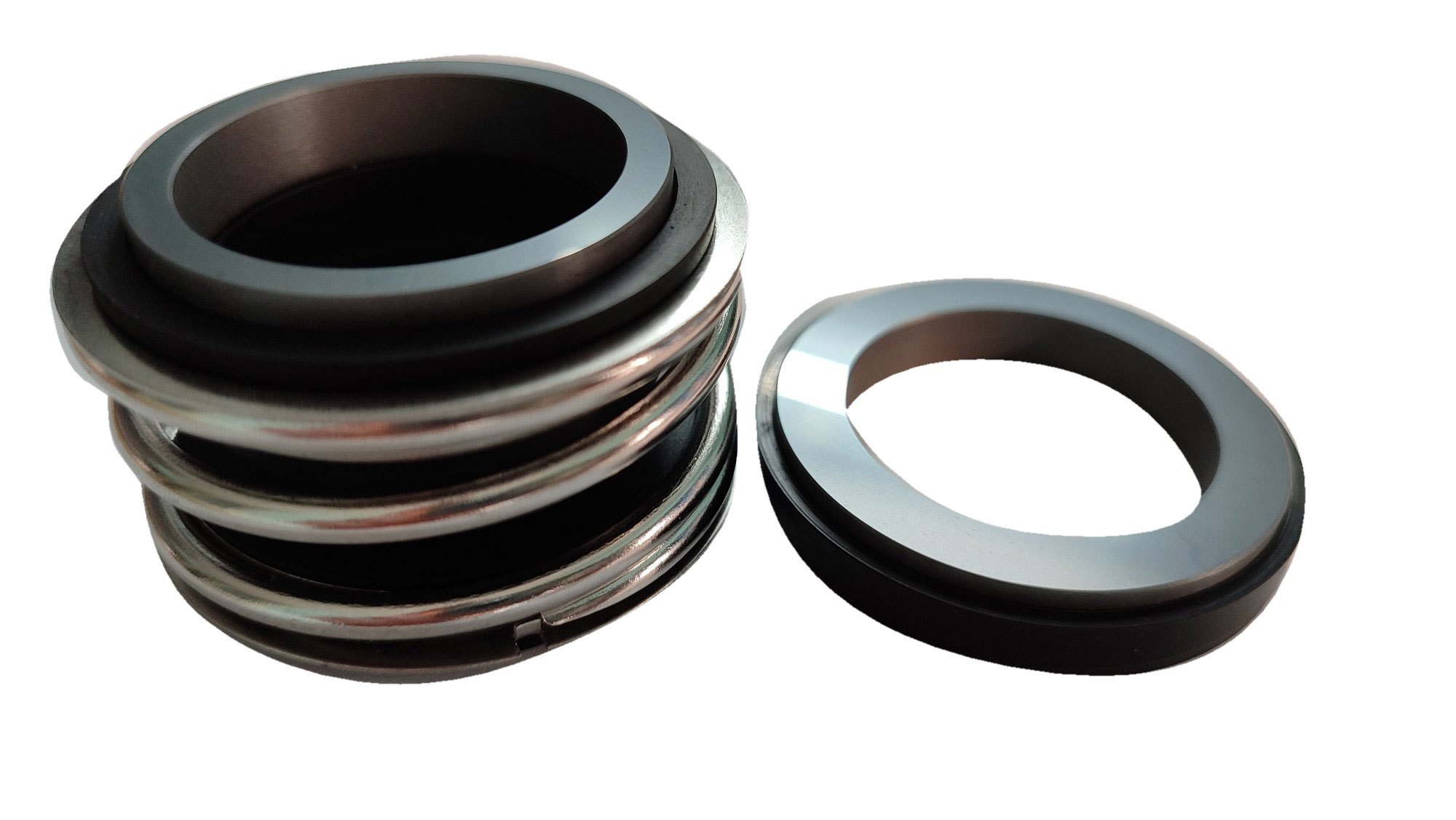
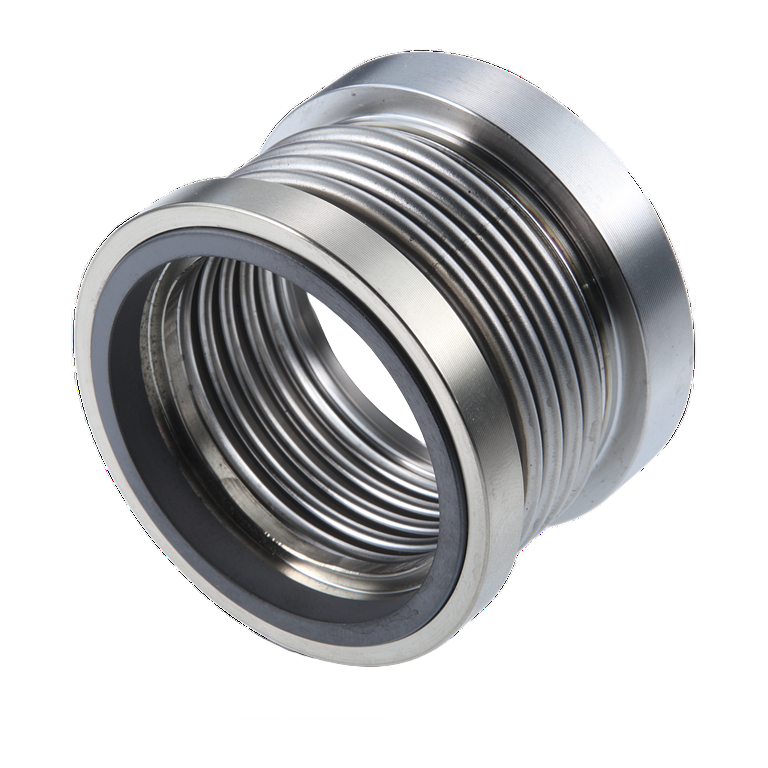
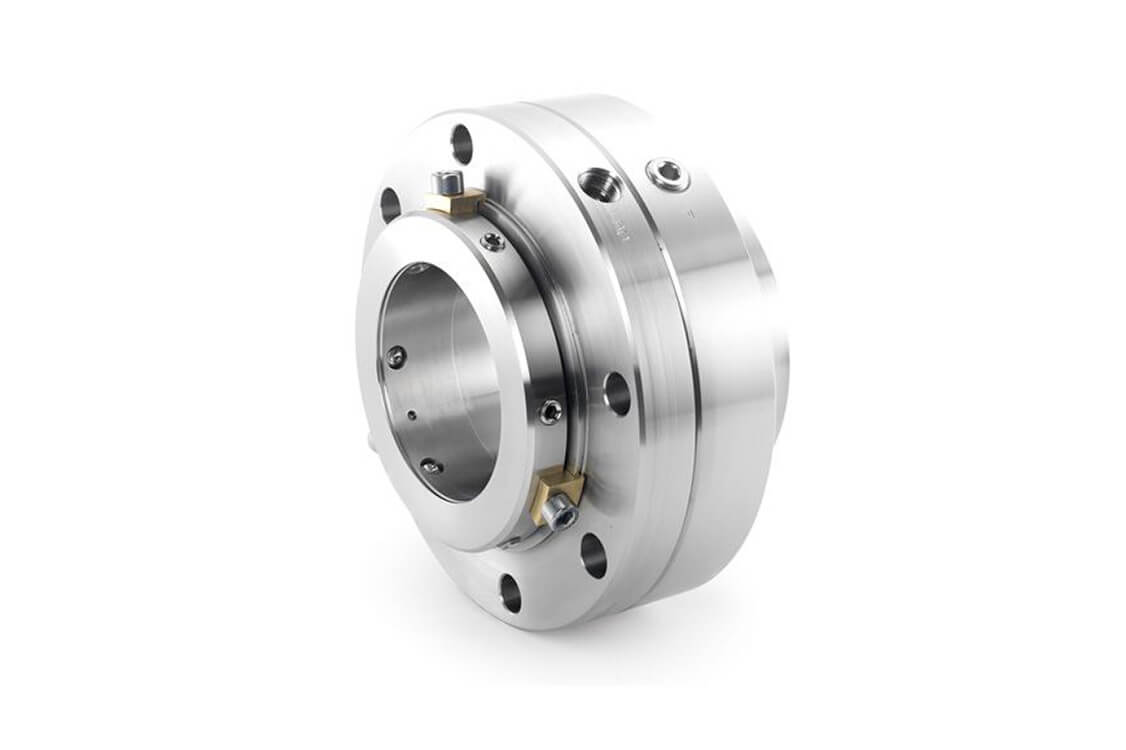
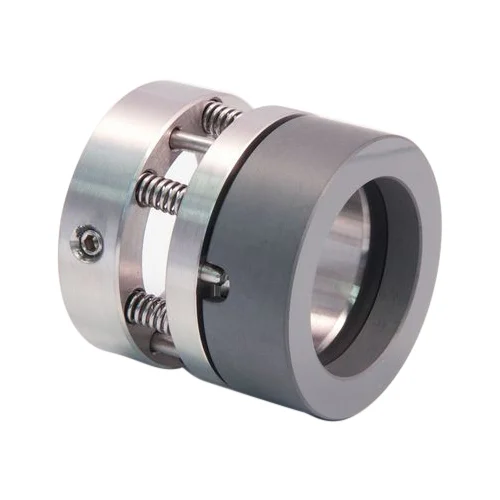
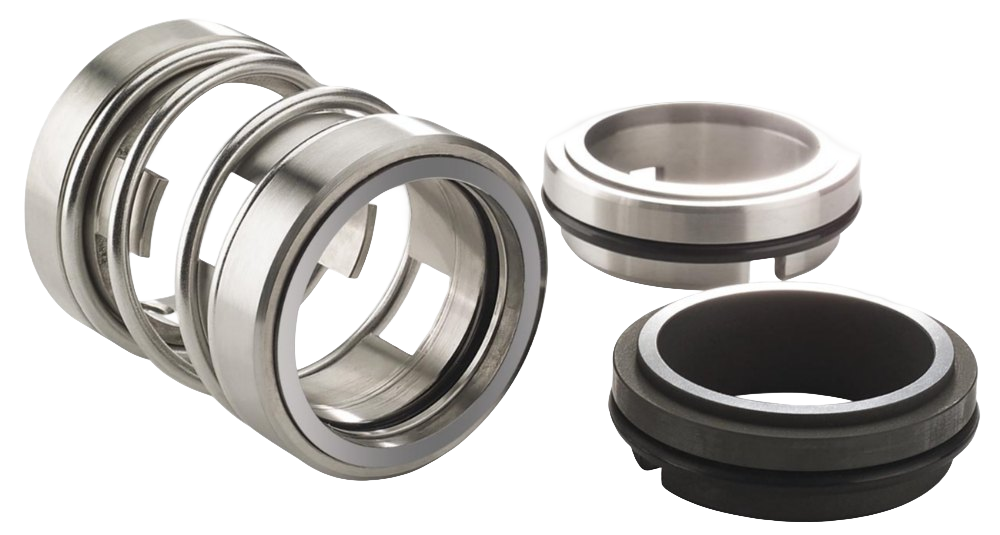
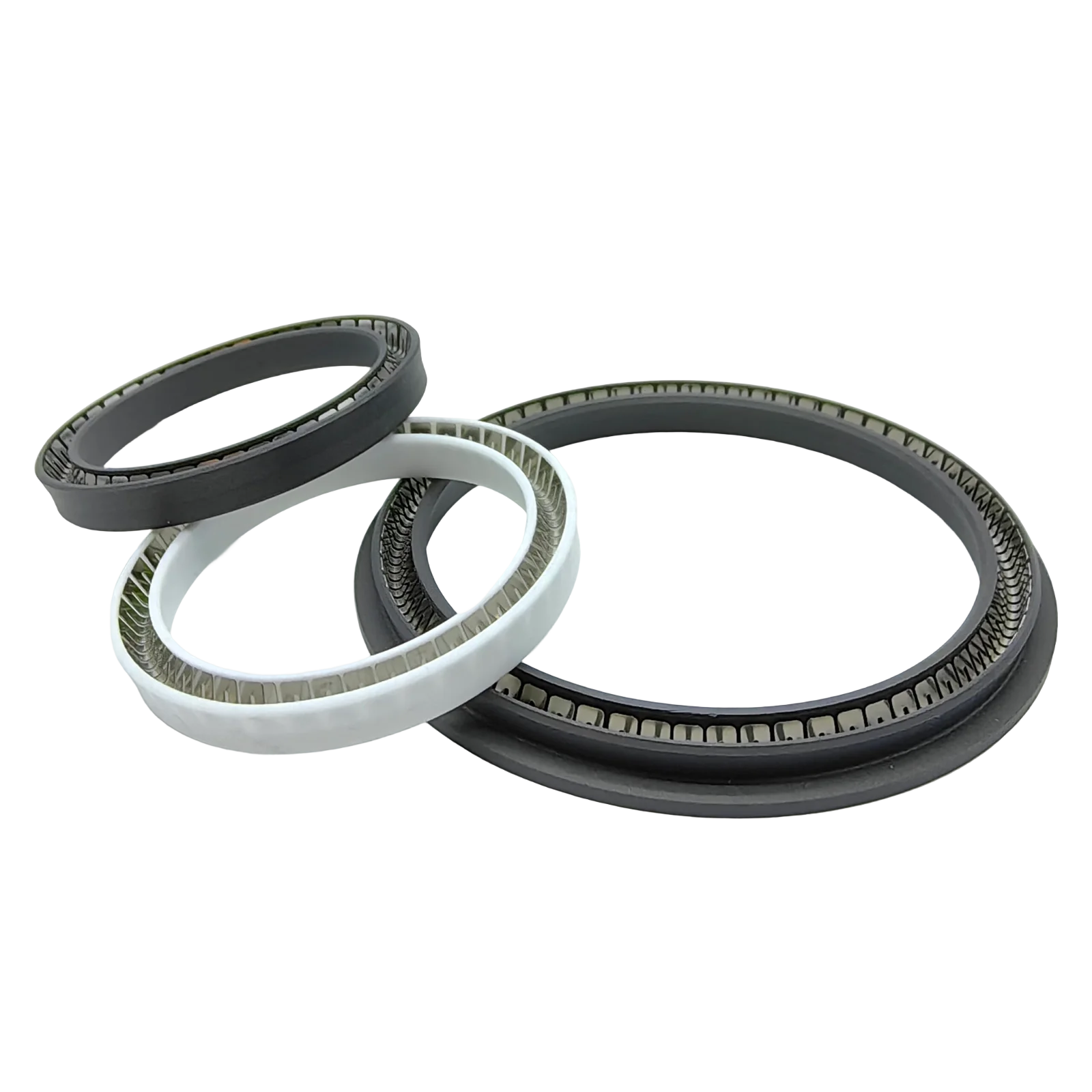
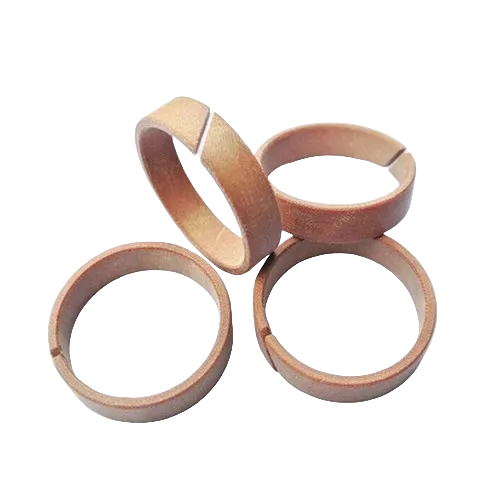
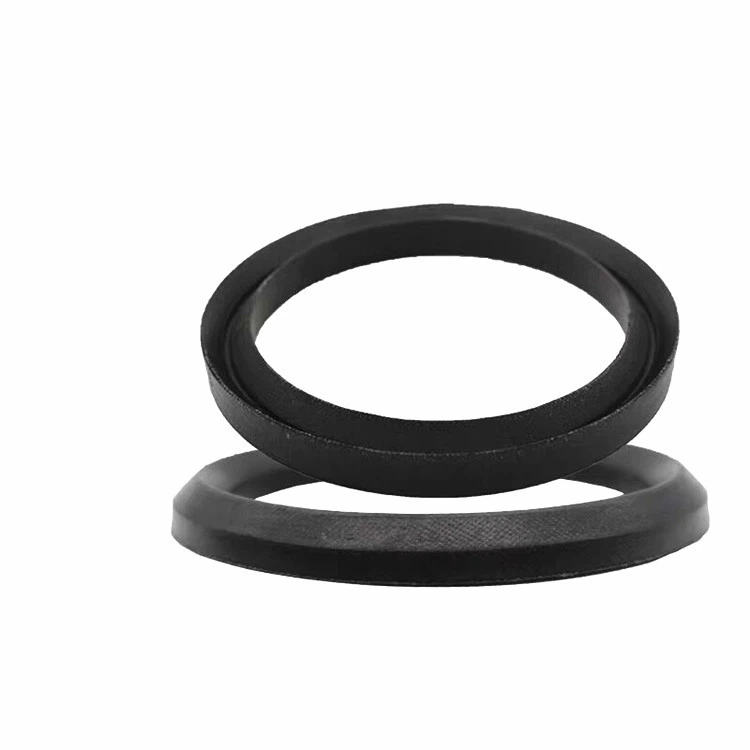
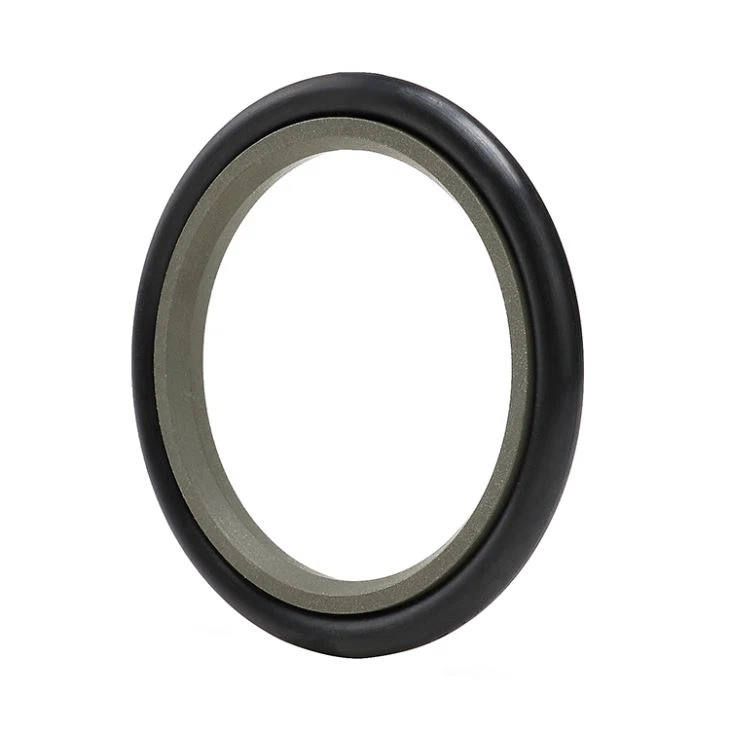
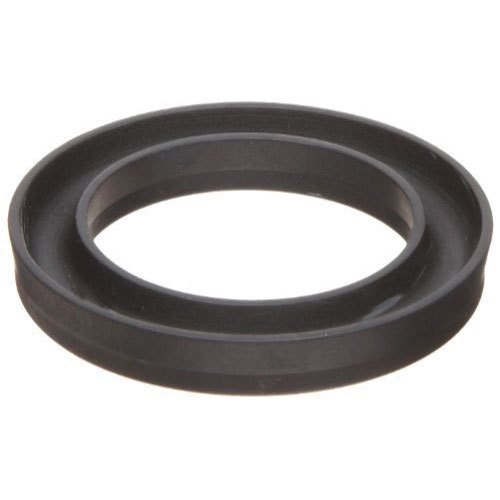
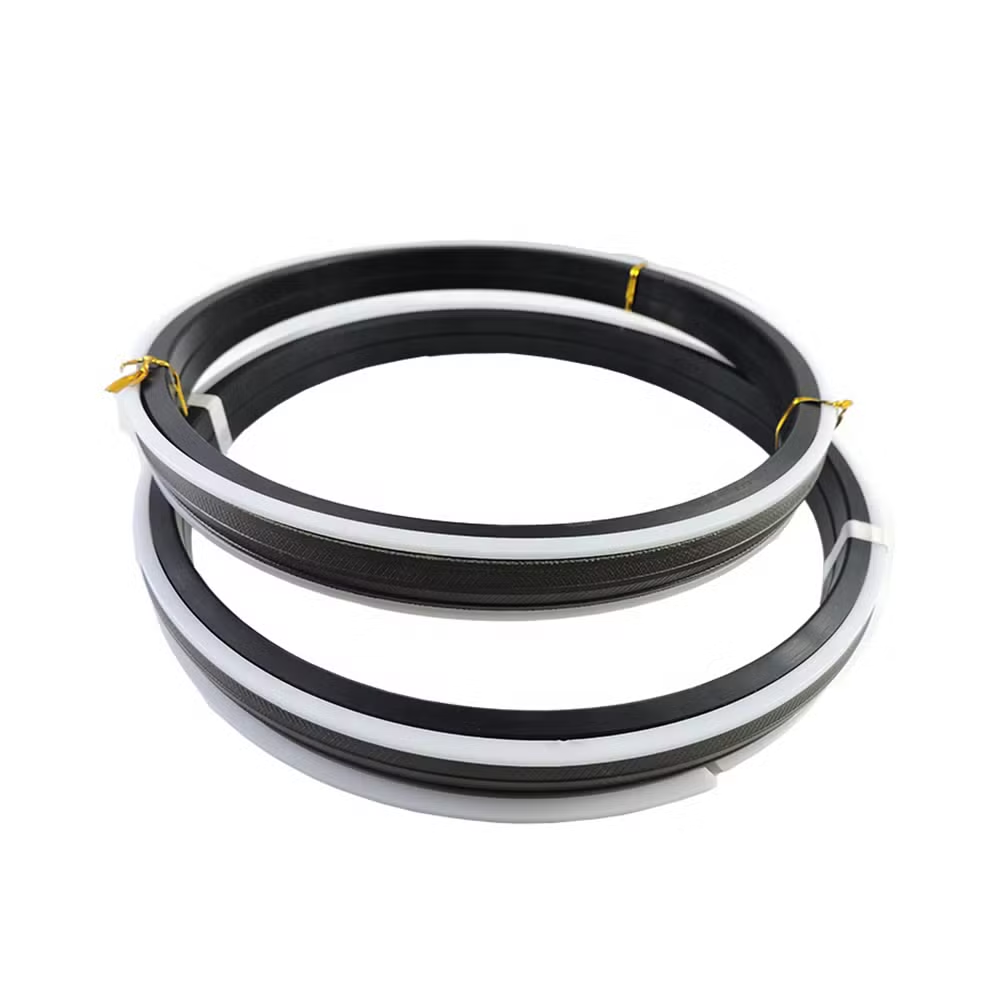
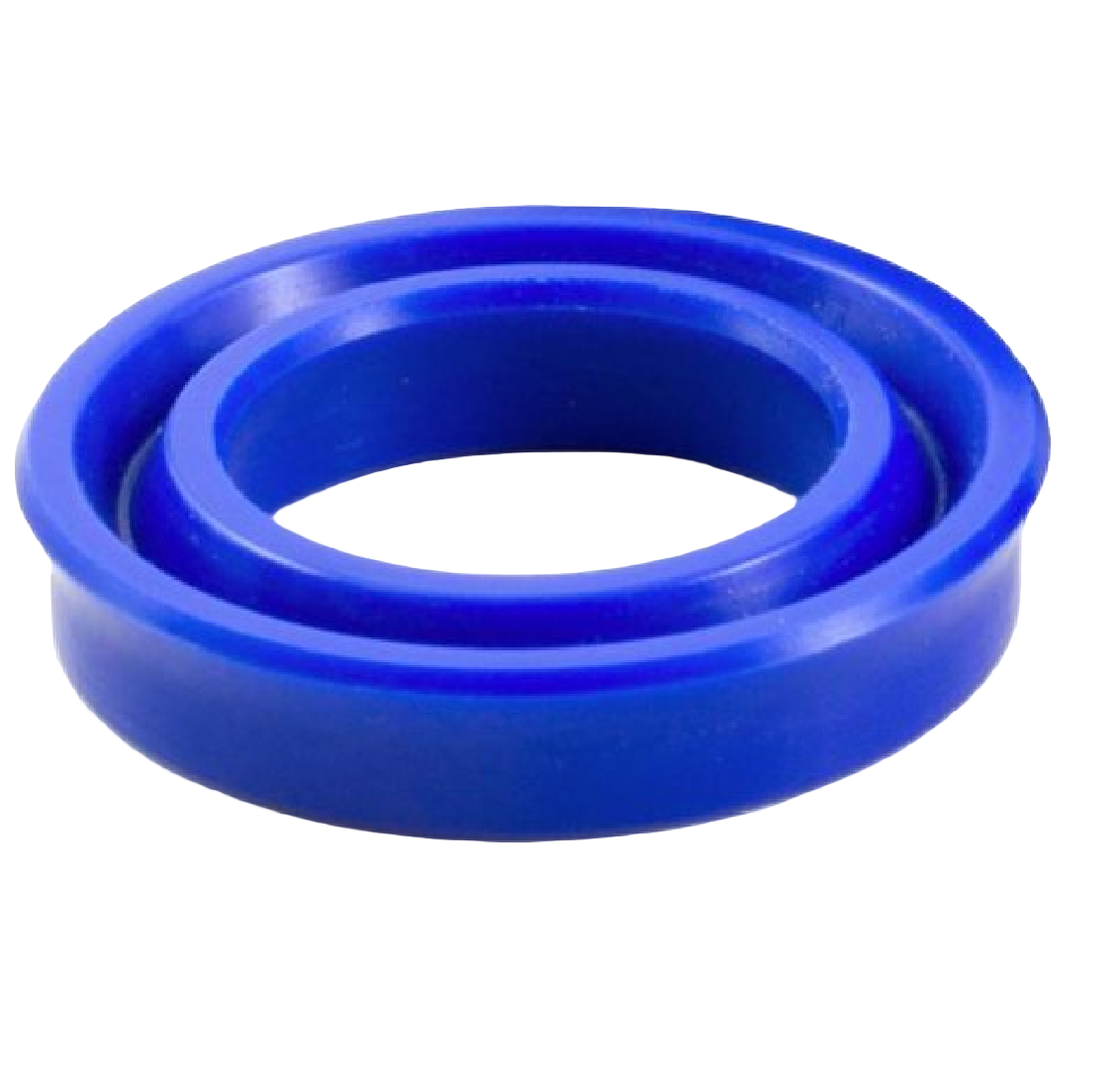
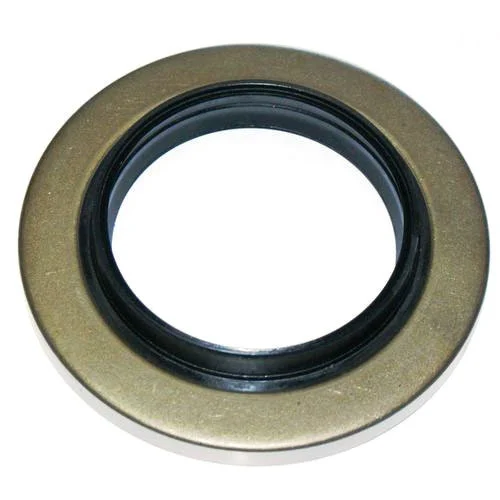
Dynamic seal families: radial lip seals (also called oil seals — spring-energised elastomer lips riding on a rotating shaft, ISO 6194 / SAE J946 standards — the workhorse of rotating equipment sealing, used on gearboxes, motors, pumps, automotive axles); mechanical seals (pair of precisely matched faces — one stationary, one rotating — that maintain sealing contact despite axial movement and small misalignments; used in centrifugal pumps, compressors, mixers where lip seals can't handle pressure or fluid aggression; API 682 is the defining standard for petroleum-service mechanical seals); piston and rod seals (hydraulic cylinders — lip seals, u-cups, wipers, guide rings in various combinations per ISO 6547 and manufacturer-specific profiles); rotary unions (for transferring fluid from stationary piping to rotating equipment).
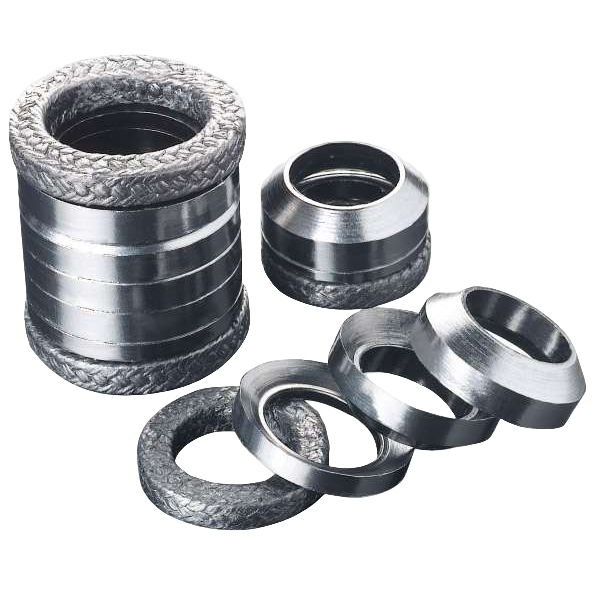
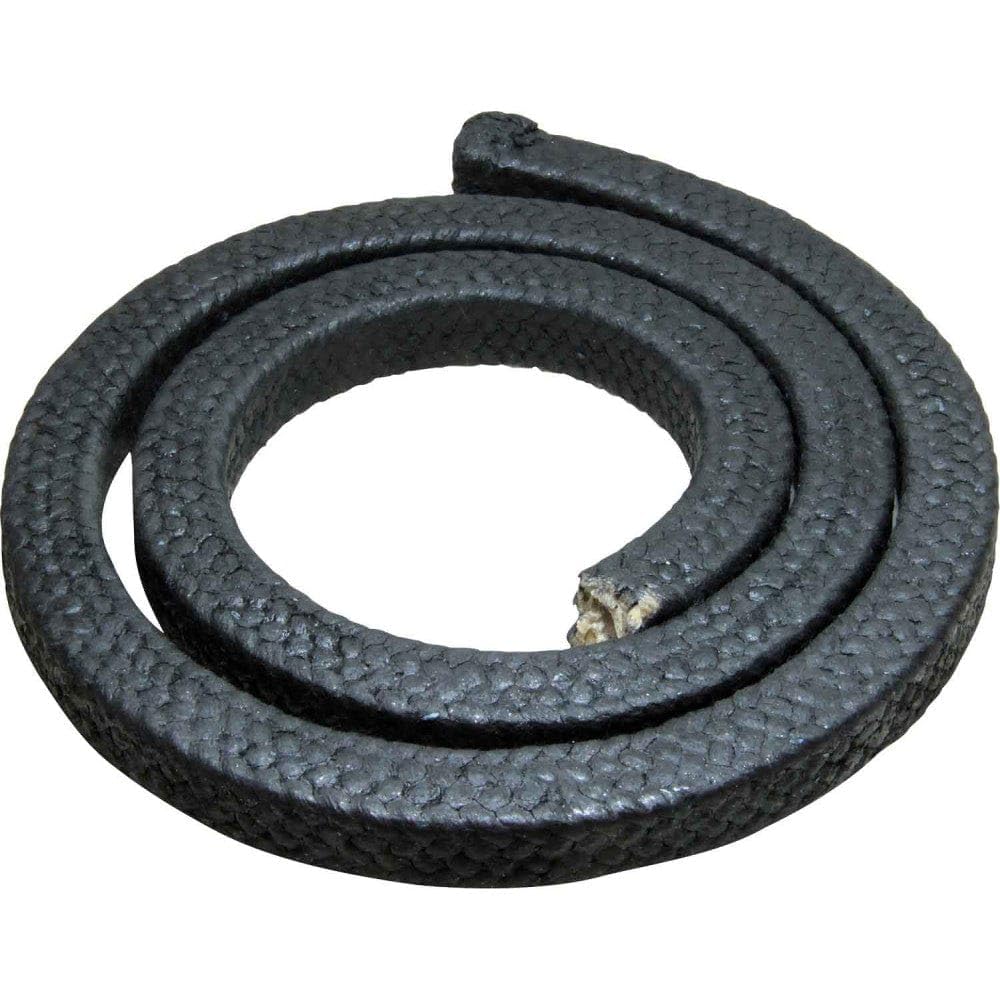
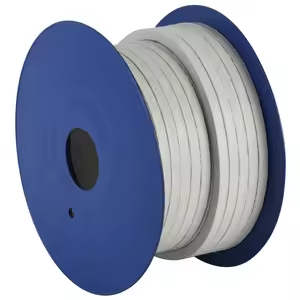
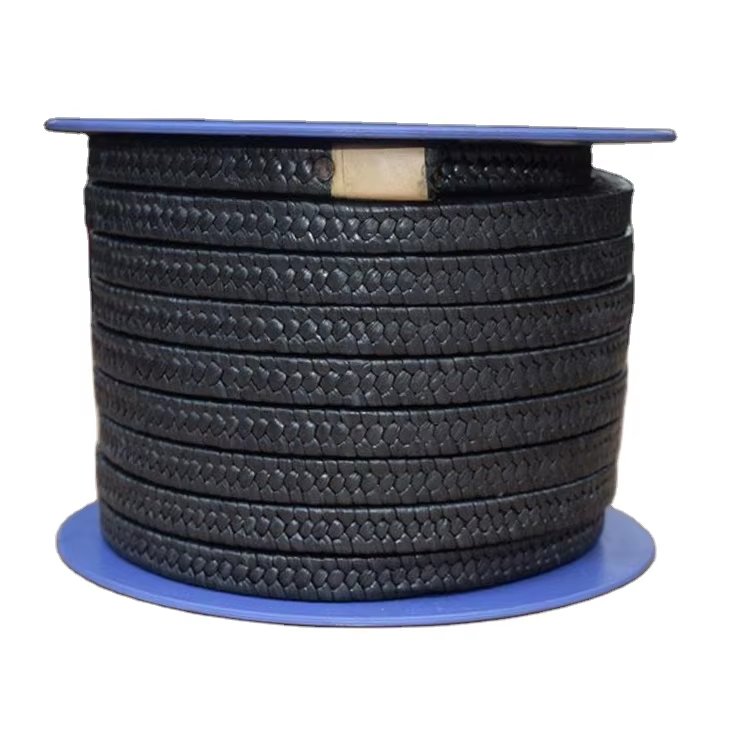
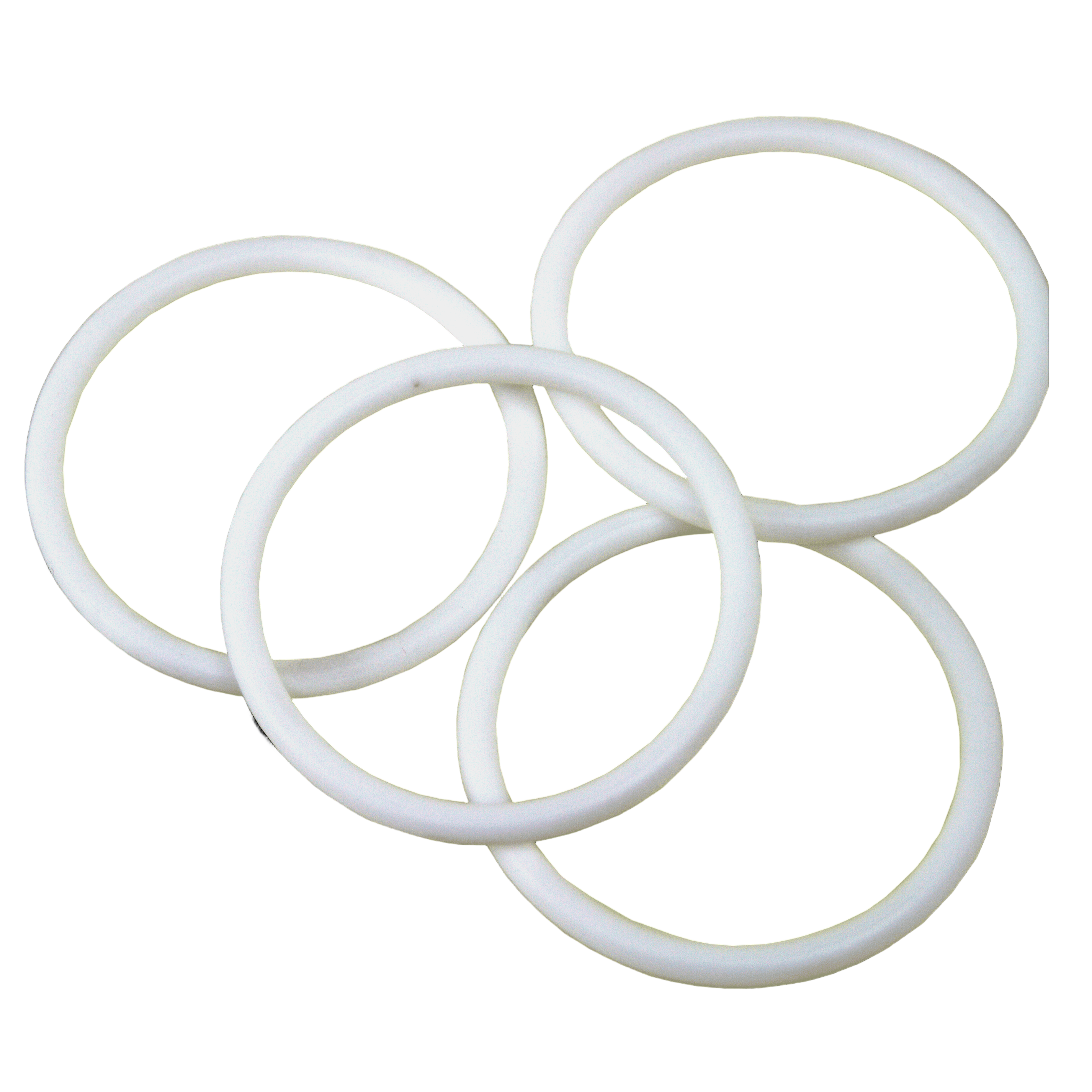
Elastomer materials define service conditions. NBR (nitrile, Buna-N): the general-purpose workhorse — oils, hydraulics, fuels, water, mineral-based hydraulic fluids; temperature range -40°C to +120°C. EPDM: water, steam, glycol-based coolants, ozone; temperature -40°C to +150°C (steam). Viton (FKM): oils, fuels, many chemicals, high temperature up to +200°C continuous — the premium general-chemical elastomer. Silicone (VMQ): wide temperature range (-60°C to +200°C), food-grade and medical applications, though limited chemical resistance. PTFE: chemical inert, used in severe chemical service; not a true elastomer so different sealing mechanisms apply. Kalrez, Chemraz, and other perfluoroelastomers: the most chemical-resistant elastomers available, used in semiconductor, pharmaceutical, and aggressive-chemical service at extreme cost (10–50× NBR). Graphite and expanded PTFE: high-temperature and chemical gasket materials.
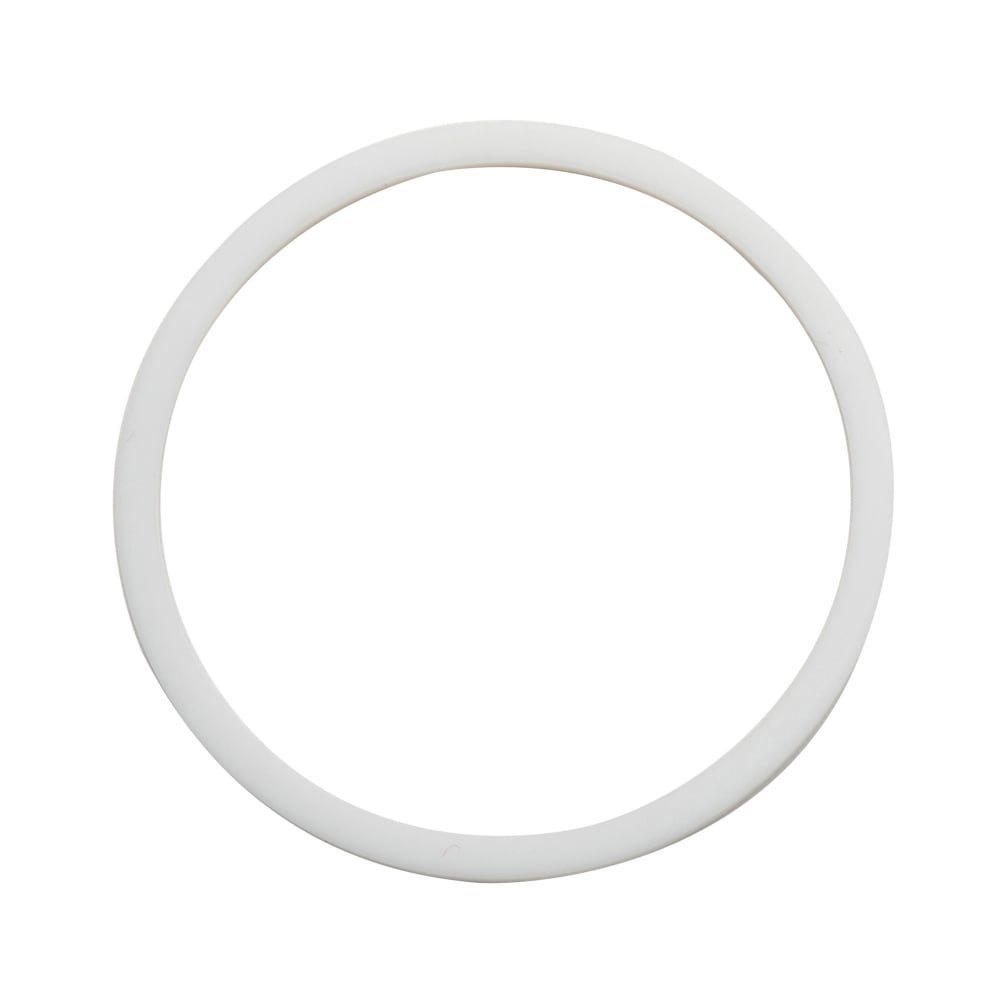
Shore hardness (A scale for elastomers, typically 50–90 Shore A for seal applications) and compression-set behaviour define long-term performance under sustained load. For high-pressure dynamic sealing, back-up rings (PTFE or nylon) prevent O-ring extrusion into the seal gap.
Himalay's seal-supply coverage includes commodity O-rings and oil seals from Indian manufacturers, engineered mechanical seal assemblies from Indian and branded-OEM distribution (John Crane, EagleBurgmann, Flowserve), gaskets in all standard materials, and custom-profile dynamic seals for hydraulic and pneumatic cylinder service. Certification includes FDA-compliance for food-grade seals, ACS/WRAS for drinking-water service, ATEX-anti-static for explosive-atmosphere applications, and API 682 for mechanical-seal service.