• Home
  • Rotary Shaft Seals
  • Rotary Shaft Seals

    Source rotary shaft seals from India's verified manufacturers and exporters on Himalay. Browse the full range for industrial and export applications.

    Showing 7 items7 items
    Rotary Shaft Seals sourcing

    About Rotary Shaft Seals

    Rotary shaft seals across 2,208 listed configurations — 11 elastomer compounds identical to this catalogue's O-Ring range, 6 lip-seal construction types, shaft diameter 6mm to 400mm.

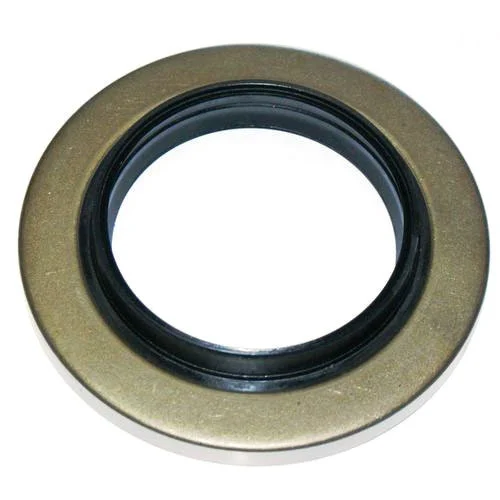
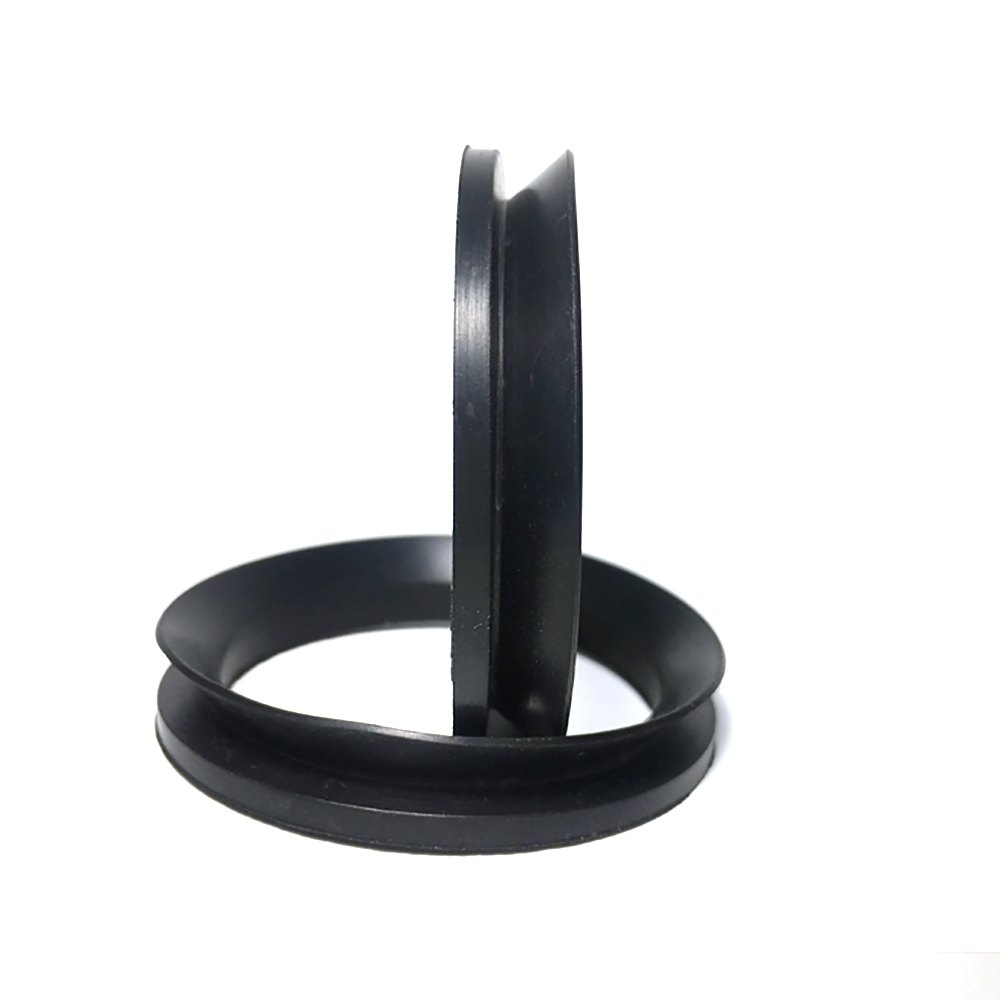
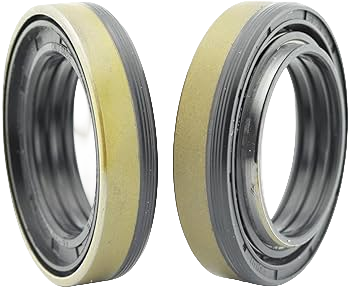
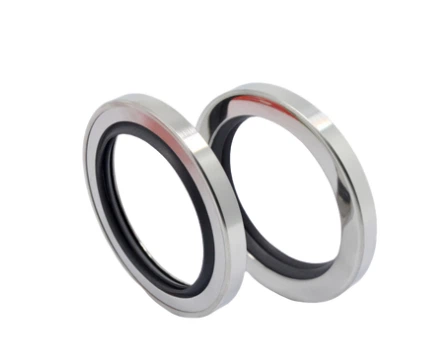
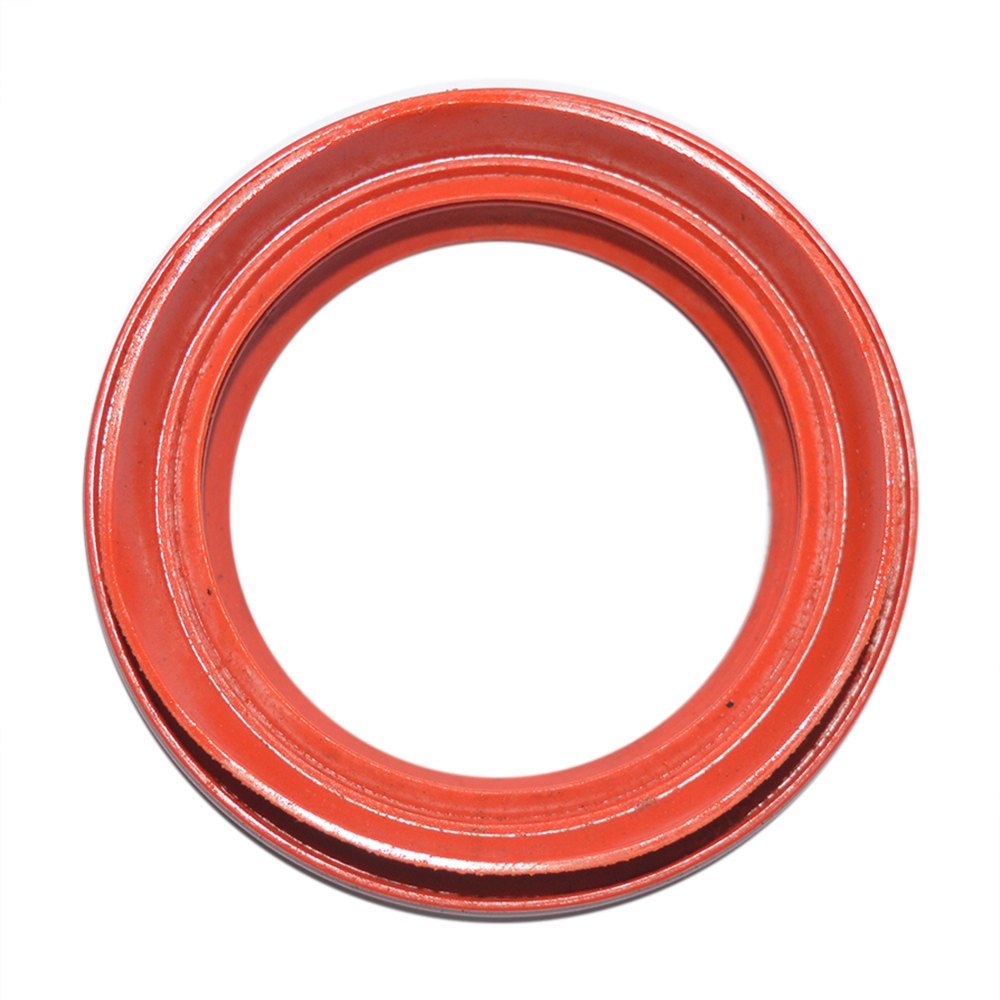
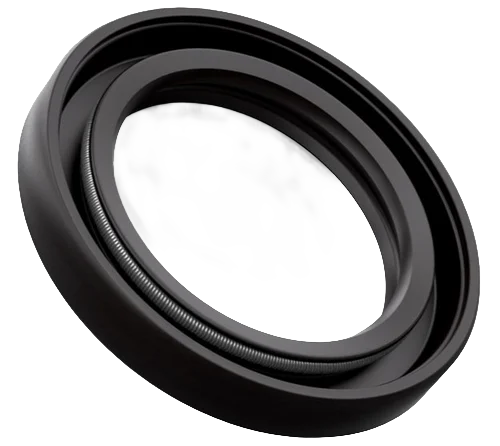
    A rotary shaft seal (also called an oil seal or lip seal) retains lubricant inside a rotating shaft's housing while excluding contamination, using a flexible lip that maintains contact against the shaft surface as it turns — the standard sealing method for motors, pumps, gearboxes and bearings wherever a shaft passes through a housing wall. Himalay lists eleven elastomer and thermoplastic compounds — the identical range to this catalogue's O-Rings family: NBR (Shore 70 general, Shore 90 high-pressure), EPDM, FKM/Viton (Shore 75 general, Shore 90 extreme), silicone, HNBR, Aflas, FFKM, PTFE-encapsulated, and polyurethane. The catalogue spans 2,208 configurations across five shaft-diameter bands, from 6–20mm (instrument/automotive) to 200–400mm (mega/mining). Construction type — a real, confirmed field — spans Type A/AS (single lip plus dust lip), Type B/SB (metal case), Type C/SC (stainless steel case), Type TC/TCV (rubber-covered outer diameter plus dust lip), cassette/unitized (heavy mining duty), and PTFE-lip with stainless case (heavy-duty). Case construction — cassette/unitized, metal-case rubber-bonded, PTFE plus stainless case, or stainless metal case — is a further real, independent field. Certifications match O-Rings' structure: FDA, NACE MR0175, NORSOK M-710, USP Class VI, WRAS/KTW/W270, or standard commercial. Design follows DIN 3760, for shaft seals with no or low pressure differential across the seal, alongside DIN 3761, SAE J946 and ISO 6194. State shaft diameter, compound and construction type in your enquiry.

    Buyer guide

    Specifying Rotary Shaft Seals: Construction Type, Compound, Case and Certification

    01

    A flexible lip against a spinning shaft — simple mechanism, real engineering depth

    A rotary shaft seal's job is retaining lubricant while excluding contamination at the point a rotating shaft passes through a stationary housing — done with a flexible lip maintaining continuous contact against the shaft surface. That contact is a wear interface, which is why construction type, compound and case material all matter to service life, not just the nominal shaft-diameter fit.

    02

    Construction type sets the sealing and mounting approach

    Type A/AS, the general-purpose default, combines a single sealing lip with a dust-exclusion lip. Type B/SB adds a metal case, giving a stiffer press-fit into the housing bore than an all-rubber design. Type C/SC substitutes a stainless case for corrosive environments where a standard metal case would degrade. Type TC/TCV adds a rubber-covered outer diameter, sealing the housing-bore interface itself in addition to the shaft. Cassette/unitized construction pre-integrates the seal into a sealed unit, standard practice for heavy mining equipment exposed to abrasive contamination. PTFE-lip with stainless case combines PTFE's chemical inertness and low friction with a corrosion-resistant case, for the most demanding heavy-duty applications in the range.

    03

    Compound selection follows the same logic as this catalogue's O-Rings

    NBR is the default for petroleum-based lubricants. EPDM answers steam and water service where NBR would swell and fail. FKM/Viton extends both chemical resistance and temperature range beyond NBR. Silicone trades mechanical strength for temperature range. HNBR improves NBR's temperature and ozone resistance. Aflas and FFKM serve the most aggressive chemical environments, FFKM offering the broadest chemical compatibility in the range. The material logic transfers directly from O-Ring selection — match compound to lubricant chemistry and operating temperature.

    04

    Case construction is a separate, real specification — not a cosmetic detail

    Unlike this catalogue's O-Rings, where the equivalent field is a non-applicable placeholder, rotary shaft seals carry real case-construction data: cassette/unitized for pre-integrated heavy-duty units, metal-case rubber-bonded as the general industrial standard, PTFE-plus-stainless-case for combined chemical inertness and corrosion resistance, and stainless metal case for corrosive environments without PTFE's added cost. Confirm case construction against your housing design and installation method, not just the elastomer compound.

    05

    Certification targets specific regulatory frameworks, same structure as O-Rings

    FDA 21 CFR 177.2600 (food contact), NACE MR0175 (sour service), NORSOK M-710 (Norwegian offshore, often required beyond NACE alone), USP Class VI (pharmaceutical) and WRAS/KTW/W270 (potable water, by country) are all real, confirmed catalogue data. These target distinct regulatory frameworks and aren't interchangeable — state your project's specific requirement.

    06

    DIN 3760's scope has a real limit worth knowing

    DIN 3760 governs shaft seals for no-pressure or low-pressure-differential service — it is not the applicable standard for sealing against significant pressure differential across the shaft, where a mechanical seal or a purpose-built pressure-rated design is typically required instead. DIN 3761, SAE J946 and ISO 6194 are further referenced standards on catalogue SKUs. Confirm your actual pressure differential before assuming a standard lip seal is the right product category.

    From spec to RFQ

    State shaft diameter, construction type matched to housing design and contamination exposure, compound matched to lubricant chemistry and temperature, case material, and any required certification. Share your housing drawing and lubricant data sheet with your RFQ.

    Submit an enquiry →
    Technical guide

    How Rotary Shaft Seals Work

    Mechanism: a spring-loaded lip riding on a thin film of lubricant, not a static gasket

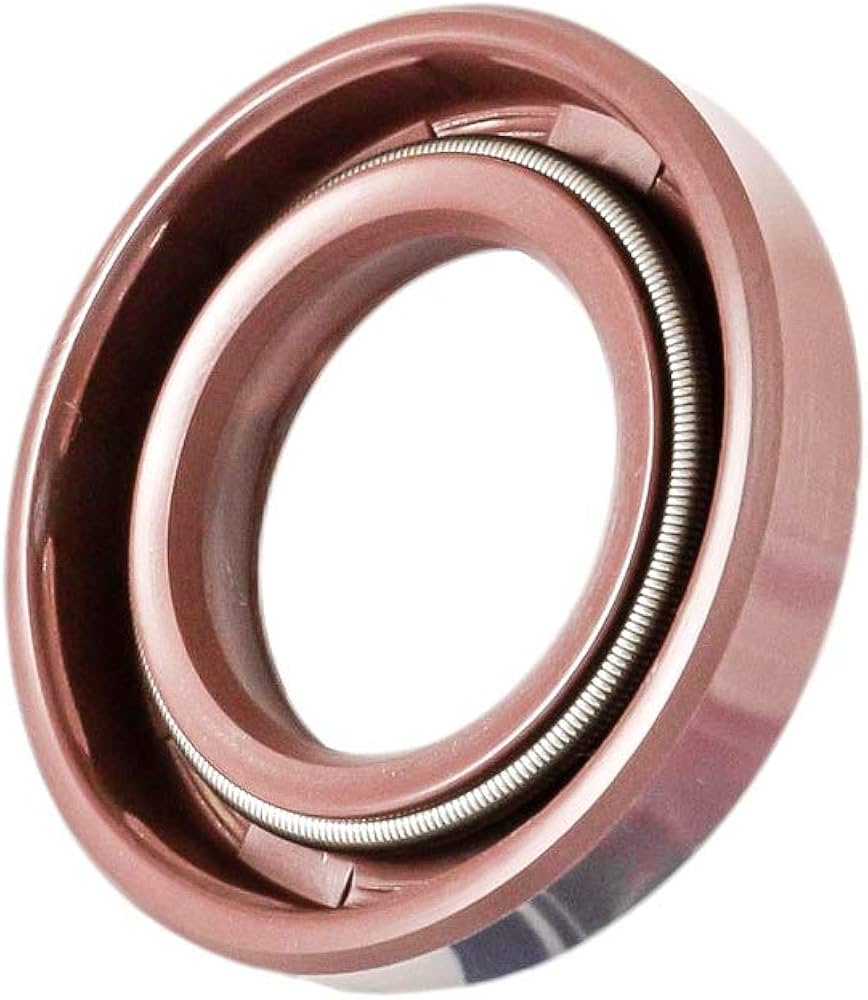
    The device's job is dynamic, not passive: "its primary function is to achieve dynamic sealing by retaining essential lubricants, such as oil or grease, within a machinery assembly while simultaneously preventing the ingress of external contaminants like dirt, dust, and moisture." The physical contact that does the work is "the primary sealing lip, which is the dynamic barrier, [and] is molded to press against the shaft at a precise angle, forming a narrow contact zone known as the sealing line," and that contact stays loaded because "a circular coil spring, called a garter spring, is fitted around the circumference of the sealing lip to maintain a consistent radial force against the shaft." The lip does not run dry against the shaft: "when the shaft begins to rotate, a minute layer of lubricant is drawn into the contact zone, separating the lip from the shaft surface" — on more advanced lip designs, "angled micro-grooves generate a pressure gradient that actively pumps any lubricant attempting to leak out back toward the fluid side of the seal." A separate source confirms the basic geometry: "the seal construction consists of a sprung main sealing lip which has a line contact with the shaft," with the sealing profile's "two angles... varied to create a pressure distribution at the seal contact line which has a steeper slope on the oil side of the seal," and, separately, "in order to exclude contaminants numerous types of dust lips or exclusionary lips may be used" — the dust lip catalogue SKUs list as a distinct construction feature from the primary sealing lip.

    Industries served: any rotating shaft that has to keep its lubricant in and dirt out

    Radial shaft seals — the same device family this catalogue lists — "are used to seal rotary elements, such as a shaft or rotating bore," with "common examples includ[ing] strut seals, hydraulic pump seals, axle seals, power steering seals, and valve stem seals." That spread of automotive and hydraulic-machinery duty is the general pattern the sealing mechanism itself creates demand for — not a claim about this catalogue's own sales mix: any housing where a shaft crosses a rotating boundary — motors, pumps, gearboxes, axles, steering systems — needs the same lip-against-shaft solution, regardless of which industry the equipment sits in.

    Standards landscape: a low-pressure, general-purpose lip-seal standard, not a catch-all for every sealing duty

    Design already follows DIN 3760, which specifies dimensions, materials, marking and installation for rotary shaft lip-type seals on shafts with no or low pressure differential across the seal — the standard's own scope stops at unpressurised and low-differential duty. DIN 3761, SAE J946 and ISO 6194 are further referenced standards on catalogue SKUs, extending or supplementing that base scope rather than replacing it. Where a rotating shaft has to hold back a real pressure differential rather than just lubricant and contamination, a lip seal built to this standard is the wrong starting point — a mechanical seal or a purpose-built pressure-rated design is the applicable category instead. Sources: [Engineer Fix — What Is a Lip Seal and How Does It Work?](https://engineerfix.com/what-is-a-lip-seal-and-how-does-it-work/); [Wikipedia — Radial shaft seal](https://en.wikipedia.org/wiki/Radial_shaft_seal)

    Popular searches in Rotary Shaft Seals

    Frequently Asked Questions

    Which construction type — Type A, B, C, TC, cassette or PTFE-HD — do I need?
    Which elastomer compound should I specify?
    What does the case construction (secondary material) field describe?
    Which certification does my application require?
    What does DIN 3760 cover, and what are its limits?