Mechanical Seals sourcingAbout Mechanical Seals
Pump mechanical seals across 5,760 listed configurations — carbon, silicon carbide, tungsten carbide and diamond-coated face pairings, design classes spanning API 682 Categories 1–3, Types A/B/C and single/dual-pressurised arrangements, shaft sizes 10 to 400 mm.
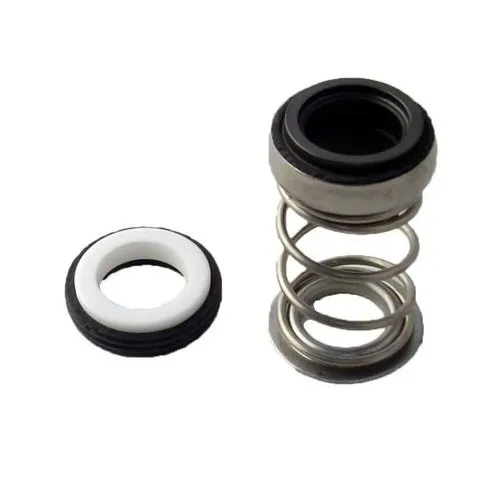
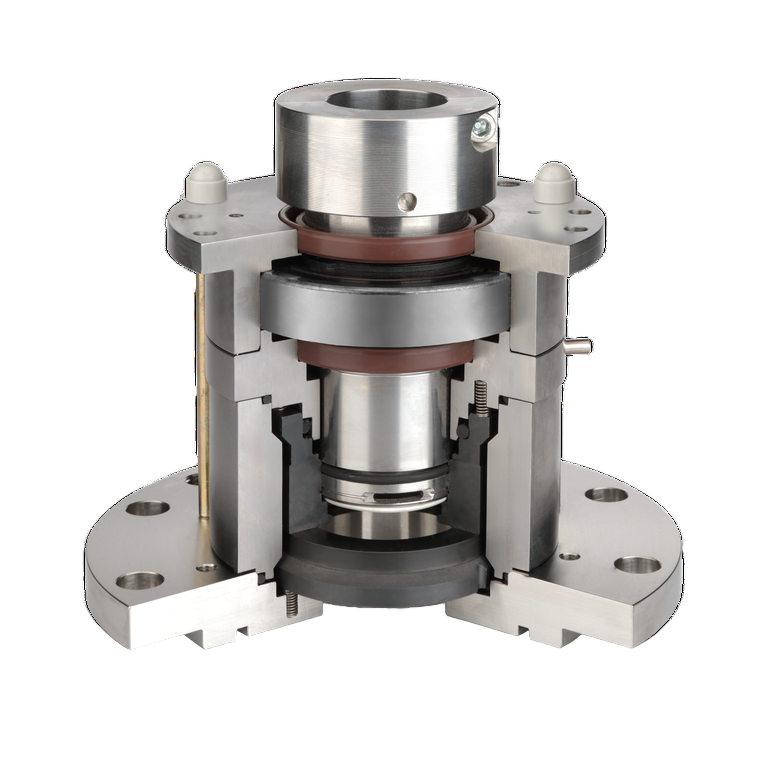
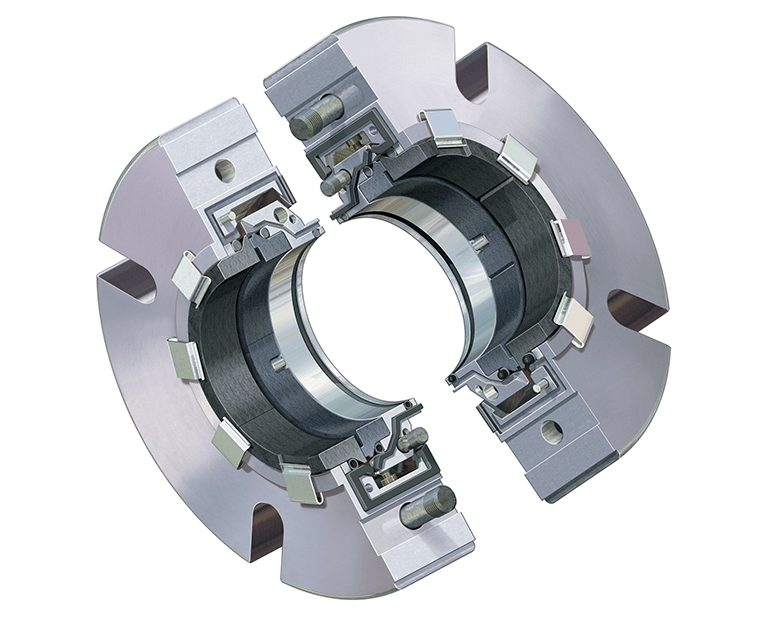
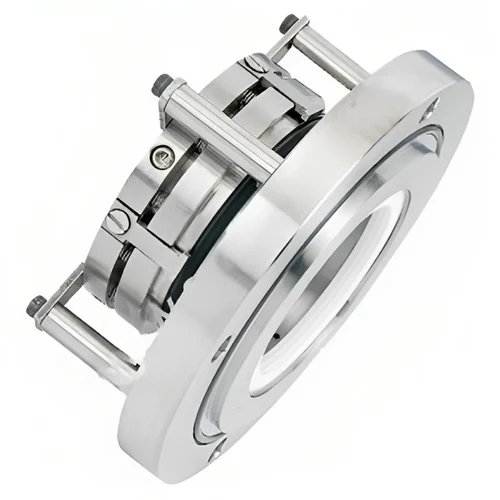
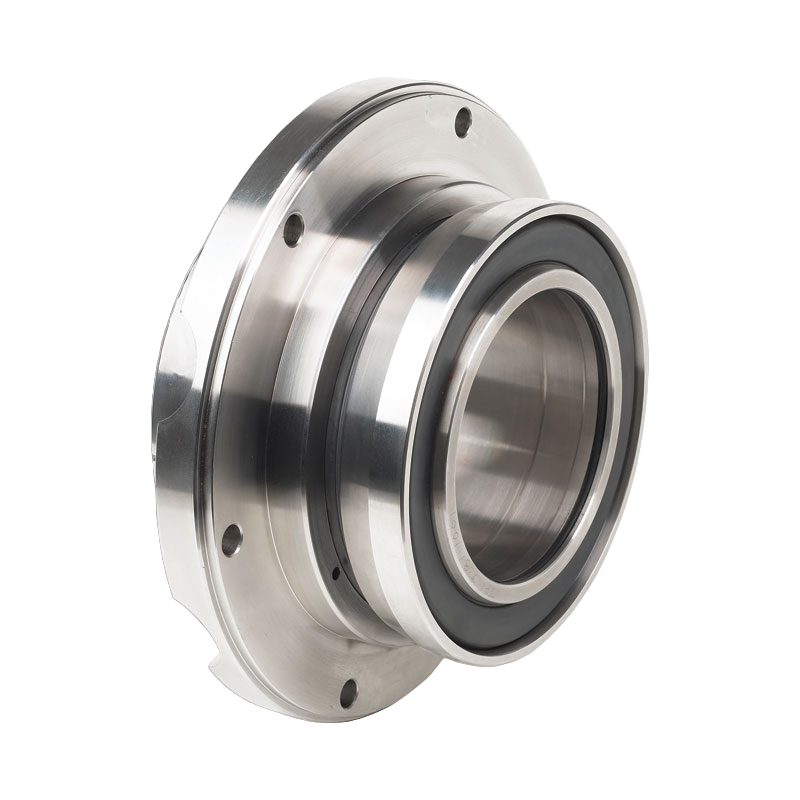
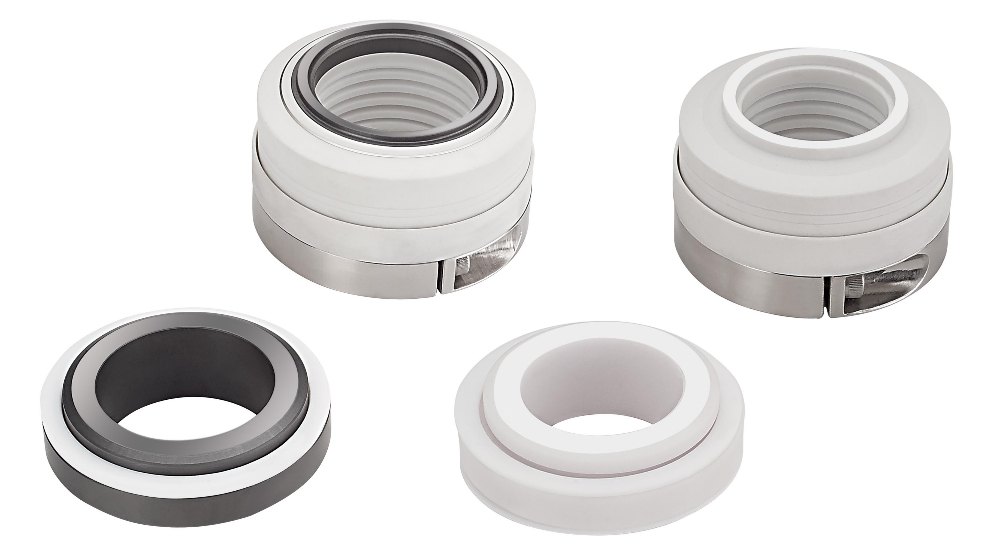
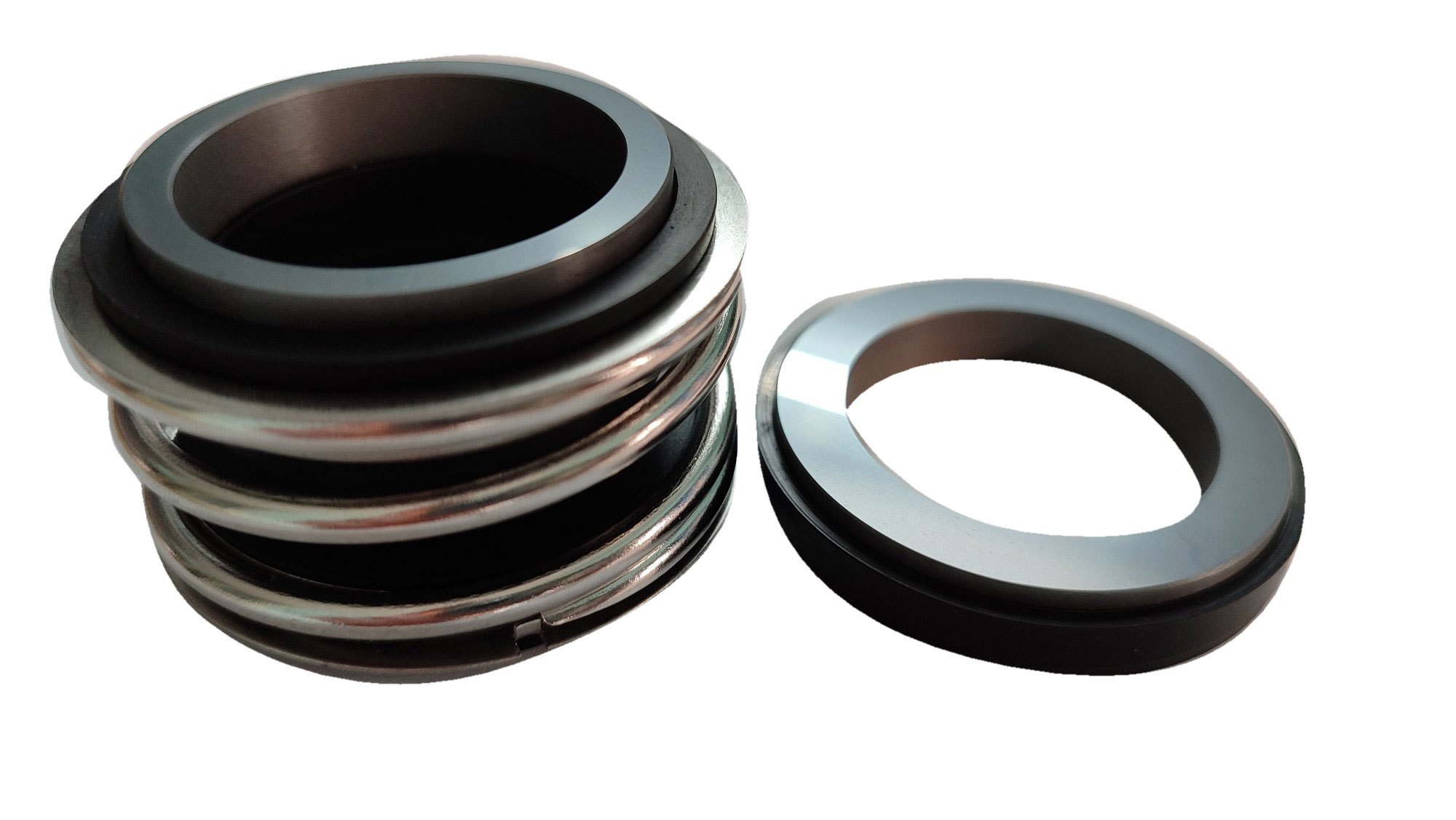
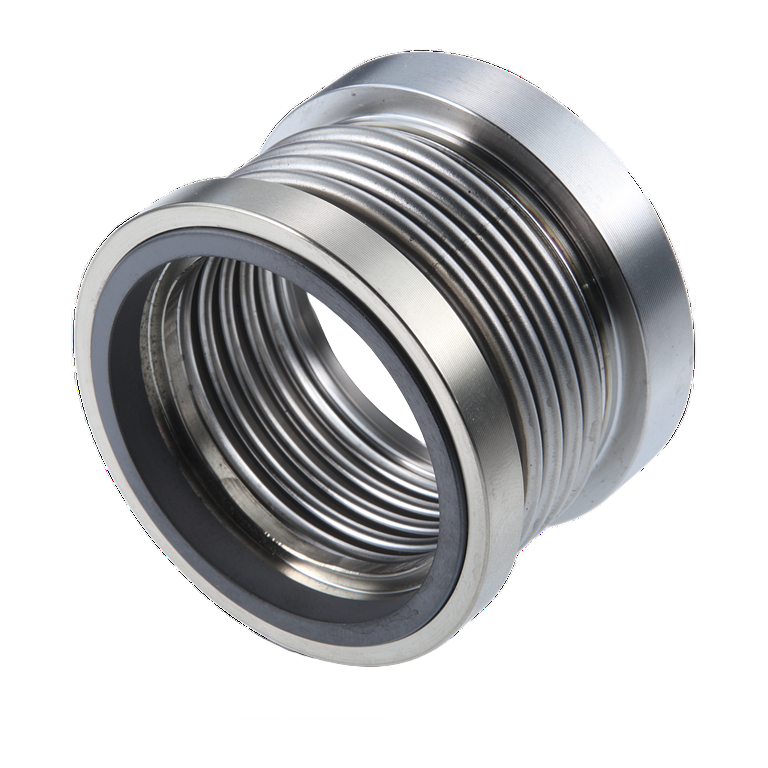
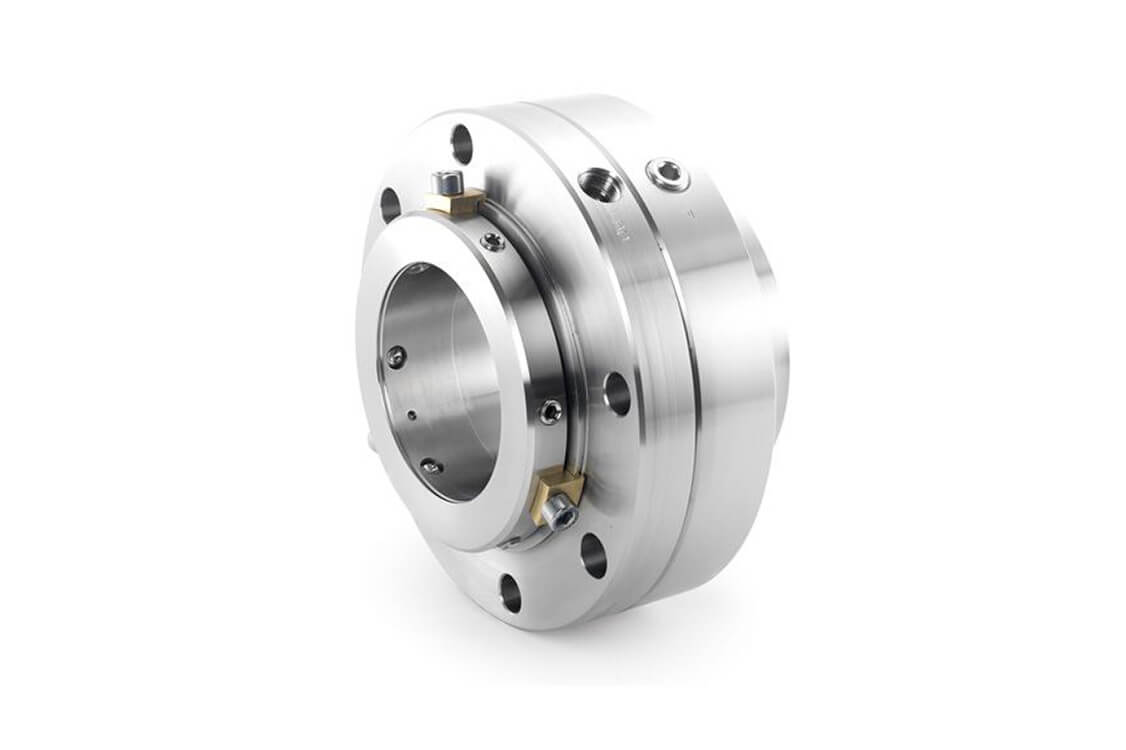
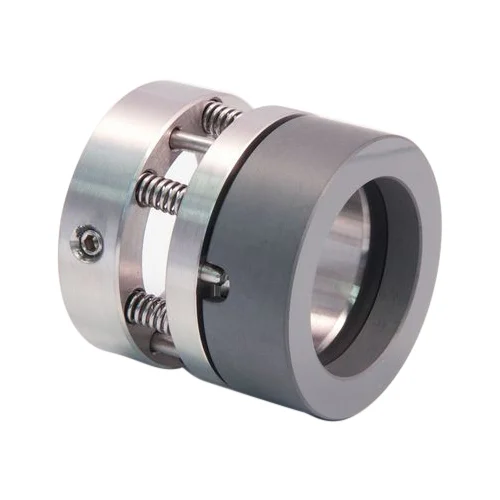
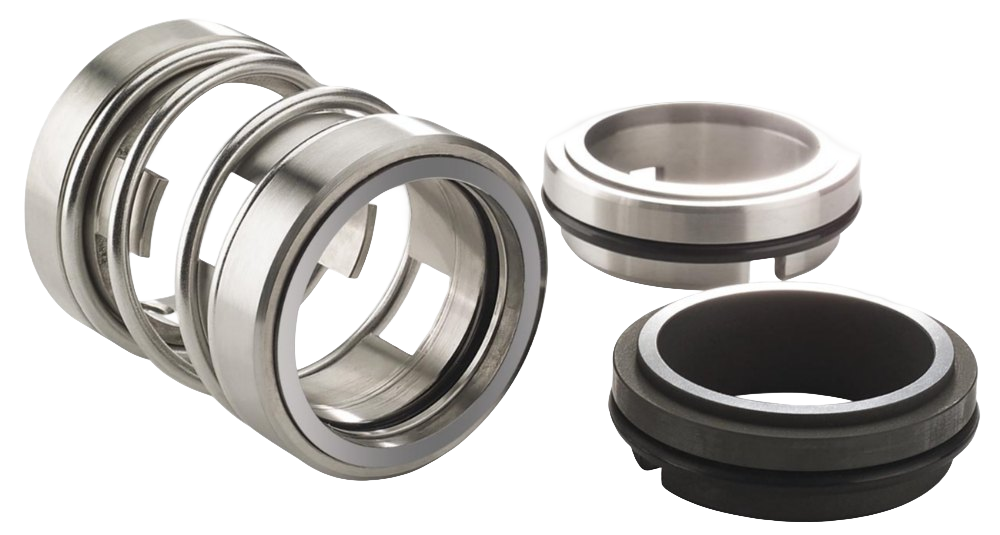
A mechanical seal closes the gap where a rotating pump shaft passes through a stationary casing. Two flat faces — one rotating with the shaft, one fixed — run together under spring and hydraulic load, separated by a fluid film only microns thick. That film is what makes the seal work and what makes face-material selection the whole specification. Himalay lists mechanical seals by face pairing: carbon graphite against silicon carbide, tungsten carbide against carbon, carbon against Ni-resist cast iron for utility duty, silicon carbide against silicon carbide for abrasive service, tungsten carbide against tungsten carbide for heavy slurry, carbon against stellite hard-facing, and diamond-coated silicon carbide against silicon carbide as the premium API 682 option. The catalogue spans 5,760 configurations across shaft size bands from 10–25 mm small-pump duty up to 250–400 mm mega-pump and agitator service. Design classes follow API 682 structure: Categories 1, 2 and 3 for chemical/ASME B73 pumps, moderate refinery and severe refinery/API 610 duty respectively; Types A (pusher with elastomer secondary), B (metal bellows) and C (high-temperature metal bellows); and arrangements covering single seals on Plan 11/13/14, dual-unpressurised on Plan 52, and dual-pressurised on Plan 53A/53B/53C. Each listed configuration carries a single design-class value — category, type and arrangement are selected across the range rather than stacked on one line item. Secondary metallurgy runs 316 SS (CF8M) as the general API grade, duplex 2205 and super-duplex 2507, Alloy 20/CN-7M for sulfuric and phosphoric service, Hastelloy C-276, Inconel 625/718, titanium Gr 2/Gr 5, and Monel 400/K-500 for seawater and HF duty. Certification options include FDA 21 CFR 177.2600 for food contact, USP Class VI for pharmaceutical elastomers, WRAS/KTW/W270 for potable water, NORSOK M-710 for oil and gas elastomers, and NACE MR0175/ISO 15156 for sour service. Design and dimensioning follow API 682 and its ISO equivalent ISO 21049, with DIN 24960 and EN 12756 for dimensions and material designation.