Casting moulds & Jigs
Source casting moulds & jigs from India's verified manufacturers and exporters on Himalay. Browse sand casting moulds, shell moulds, investment casting moulds, permanent metal moulds and die casting moulds for industrial and export applications.
Browse Casting moulds & Jigs by Type
About Casting moulds & Jigs
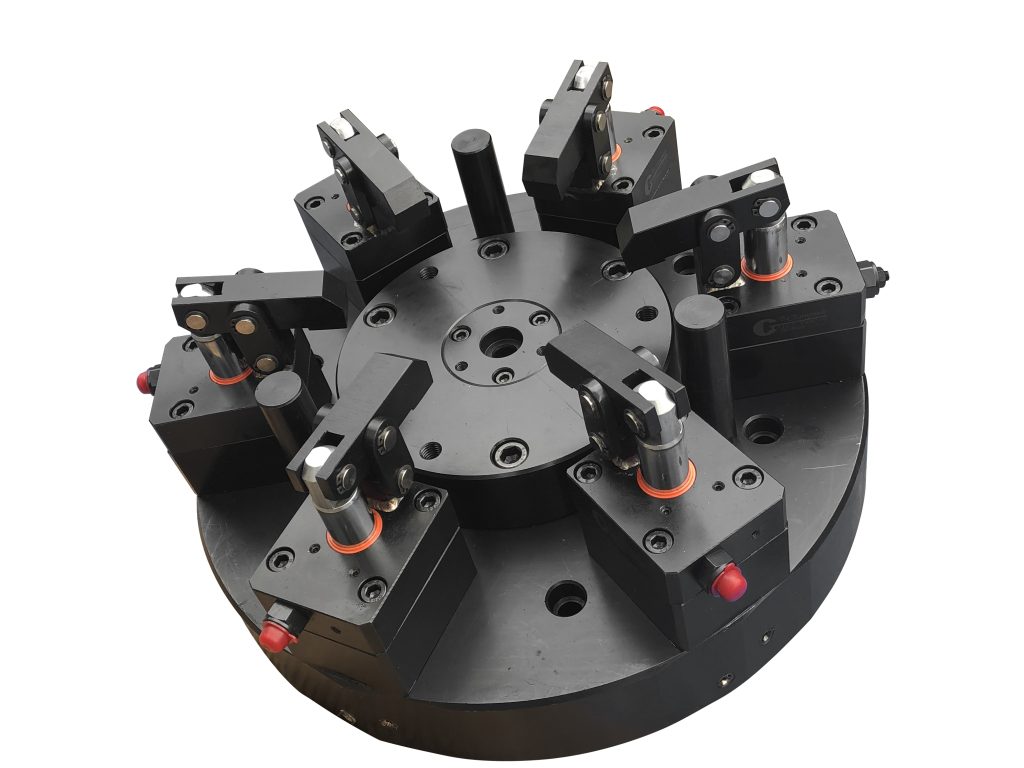
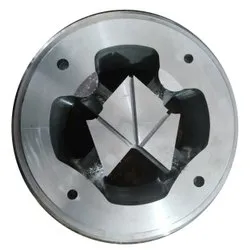
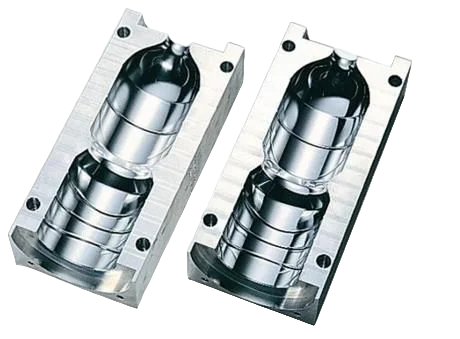
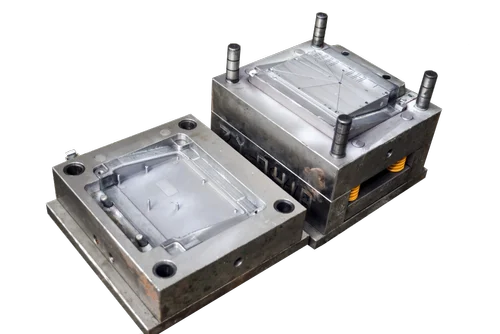
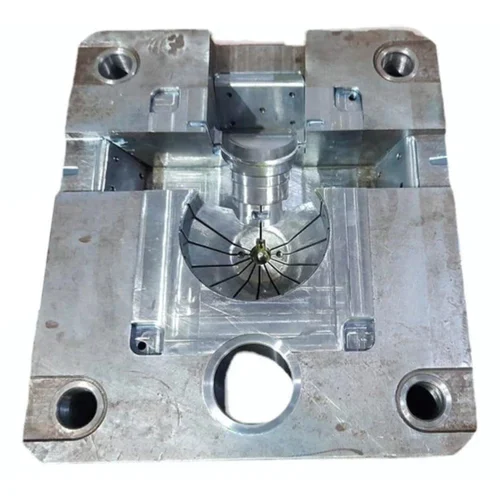
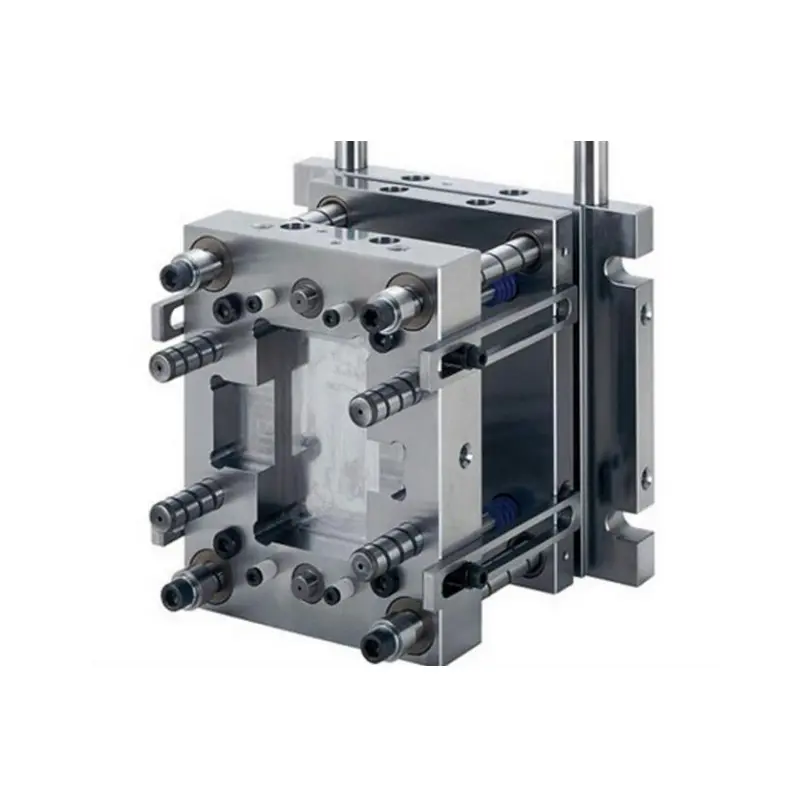
Casting moulds, dies and jigs cover the tooling that shapes material and locates work in production: moulds and dies that form molten or softened material into net or near-net parts, and jigs and fixtures that hold and guide workpieces during machining, welding, assembly and inspection. They are used wherever volume manufacturing depends on dedicated tooling, from plastic and rubber moulding and metal die-casting and stamping through to machine-shop and fabrication work-holding. This overview spans the main families rather than a single tool: injection, compression, blow and transfer moulds for plastics and rubber; gravity and pressure die-casting dies; progressive, blanking and forming press dies for sheet metal; and the jig-and-fixture set covering drilling jigs, machining, welding, assembly and inspection fixtures. Tooling commonly references mould and die-base standards such as DME and HASCO, with tolerances tied to ISO 2768 and feature control to GD&T; jig and fixture acceptance is proven against first-article parts. Materials are dominated by tool steels such as P20 for mould bases, H13 for die-casting and hot work, and D2 or A2 for cold-work dies, hardened to a specified HRC, with surface treatments such as nitriding, hard chrome, PVD coating or texturing to extend life and control release. Configuration covers cavity count, gating and cooling for moulds, station layout and clearances for dies, and datum, locator and bushing scheme for jigs. At Himalay, casting moulds, dies and jigs are produced to your drawing, math data or sample with steel grade, hardness and surface treatment agreed up front; material certificates such as EN 10204 3.1, hardness and first-article reports, and tool trials can be provided where specified, and treatments are coordinated as part of the standard order flow.