Home›
Sheet metal & Turning
Frequently Asked Questions
- Is sheet-metal fabrication or turning right for my part?
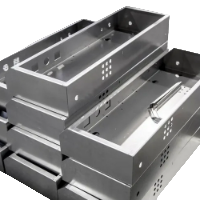
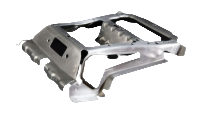
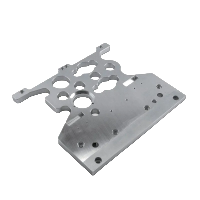
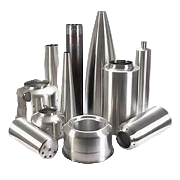
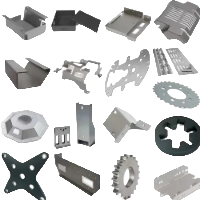
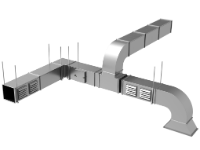
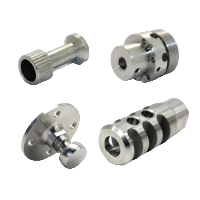
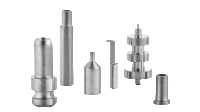
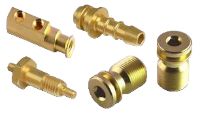
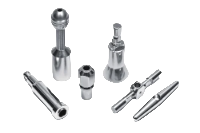
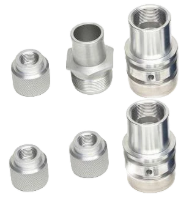
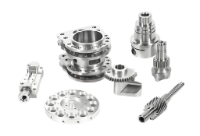
- It depends on geometry. Sheet metal suits enclosures, brackets and panels formed from flat stock by cutting and bending. Turning suits round or prismatic parts such as shafts, bushes and fittings machined from bar. Many assemblies combine both. Share the part drawing and intended function and a partner can route it to the right process.
- What is the typical minimum order for sheet-metal or turned parts?
- Custom fabricated and machined parts are often quoted in batches rather than against a fixed piece MOQ, with per-part price improving at higher quantities as setup is amortised. Some partners accept low-volume or prototype runs. Quantities vary by complexity and tooling. Treat any figure as indicative until your drawing is quoted.
- Which certifications and inspection documents are available?
- Where specified, partners can provide material certificates such as EN 10204 3.1, first-article and dimensional inspection reports, PPAP packages for automotive work, IATF 16949 system certification and RoHS or REACH declarations for finishes. Weld acceptance to ISO 13920 can be documented. Document availability is confirmed per order rather than assumed across all partners.
- What material grade, tolerance and finish should I specify?
- For sheet metal, specify grade and thickness, bend and hole tolerances, weld requirements and finish (powder coat, zinc plate, anodise). For turned parts, specify diameter, length, concentricity, thread, tolerance class (often ISO 2768) and Ra surface finish. Share your drawing or sample so the part can be made to the right grade and finish.
- Can parts be built to our OEM drawing or sample?
- Yes, a subset of partners build to OEM drawings, samples or reverse-engineered references, including PPAP-supported automotive parts and finished sub-assemblies. Some partners supply into OEM programmes, but specific approvals should not be treated as blanket facts; share your drawing or spec at inquiry and a qualified partner can be matched to the work.
- What lead times and delivery terms apply to Europe and the GCC?
- Simple cut-and-bend or turned parts are relatively quick, while coated, multi-process or first-article-gated parts take longer; treat any figure as indicative until quoted. Full CIF delivery to Rotterdam, Antwerp, Jebel Ali or Dammam can be arranged, with sea freight added to the manufacturing window.