Sheet metal & Turning
Source sheet metal & turning from India's verified manufacturers and exporters on Himalay. Browse sheet metal fabrications, stamping components, laser cut components, deep draw components and precision sheet parts for industrial and export applications.
Browse Sheet metal & Turning by Type
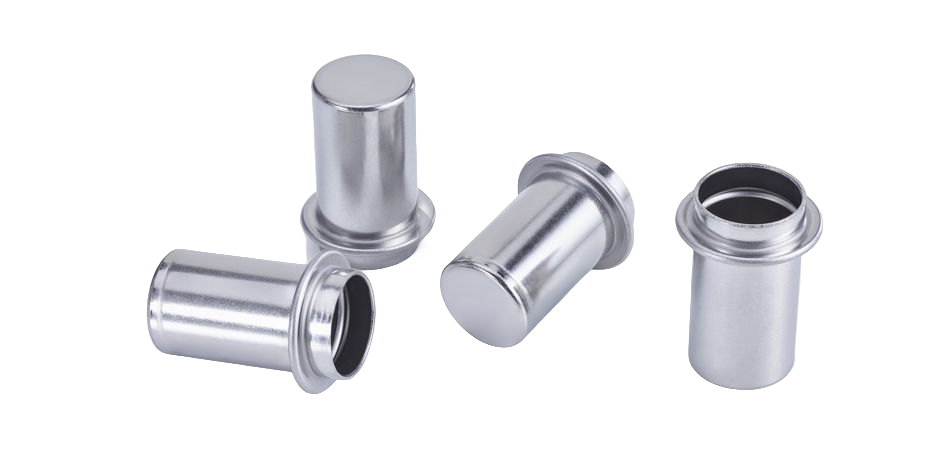
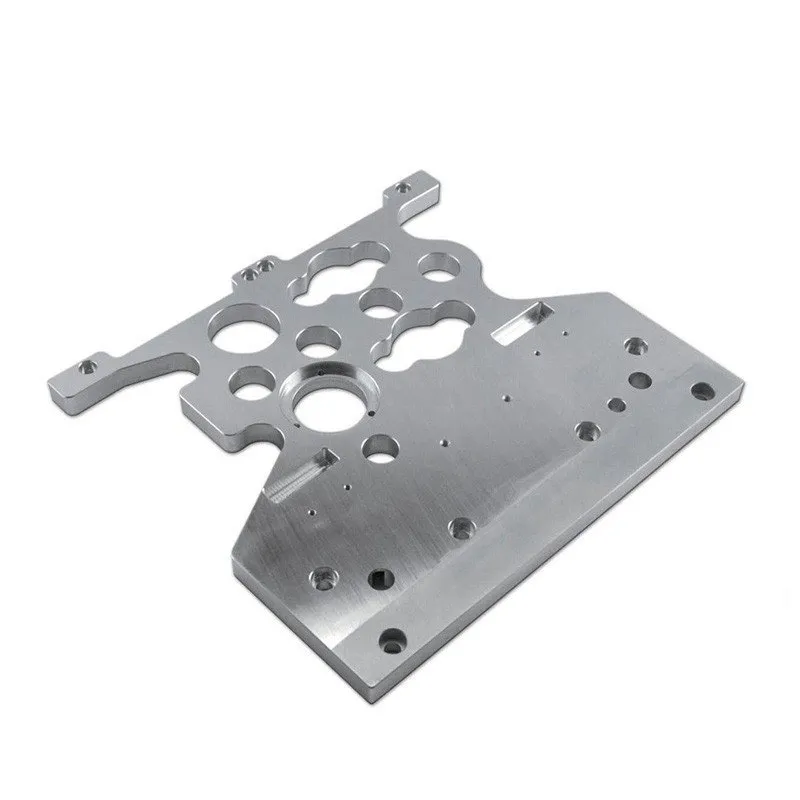
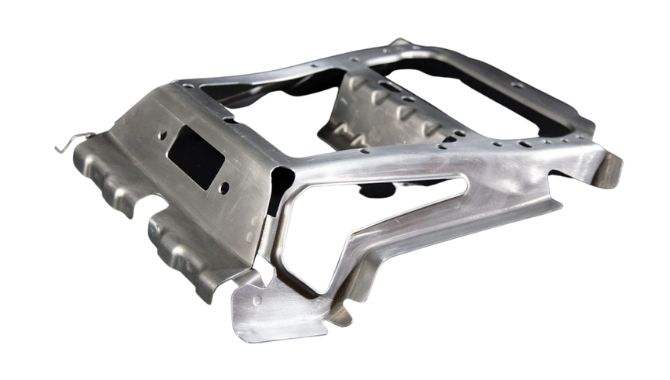
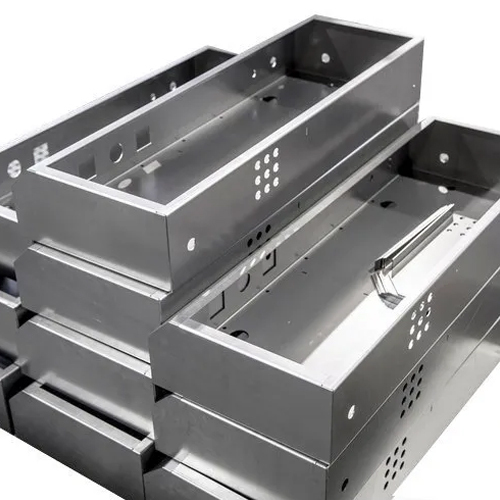
About Sheet metal & Turning
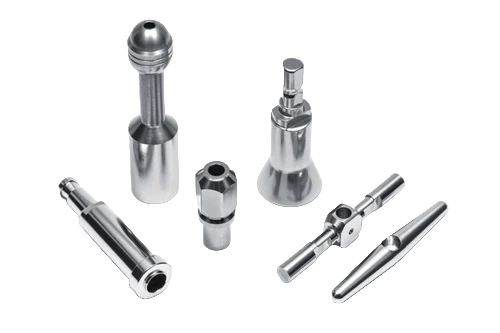
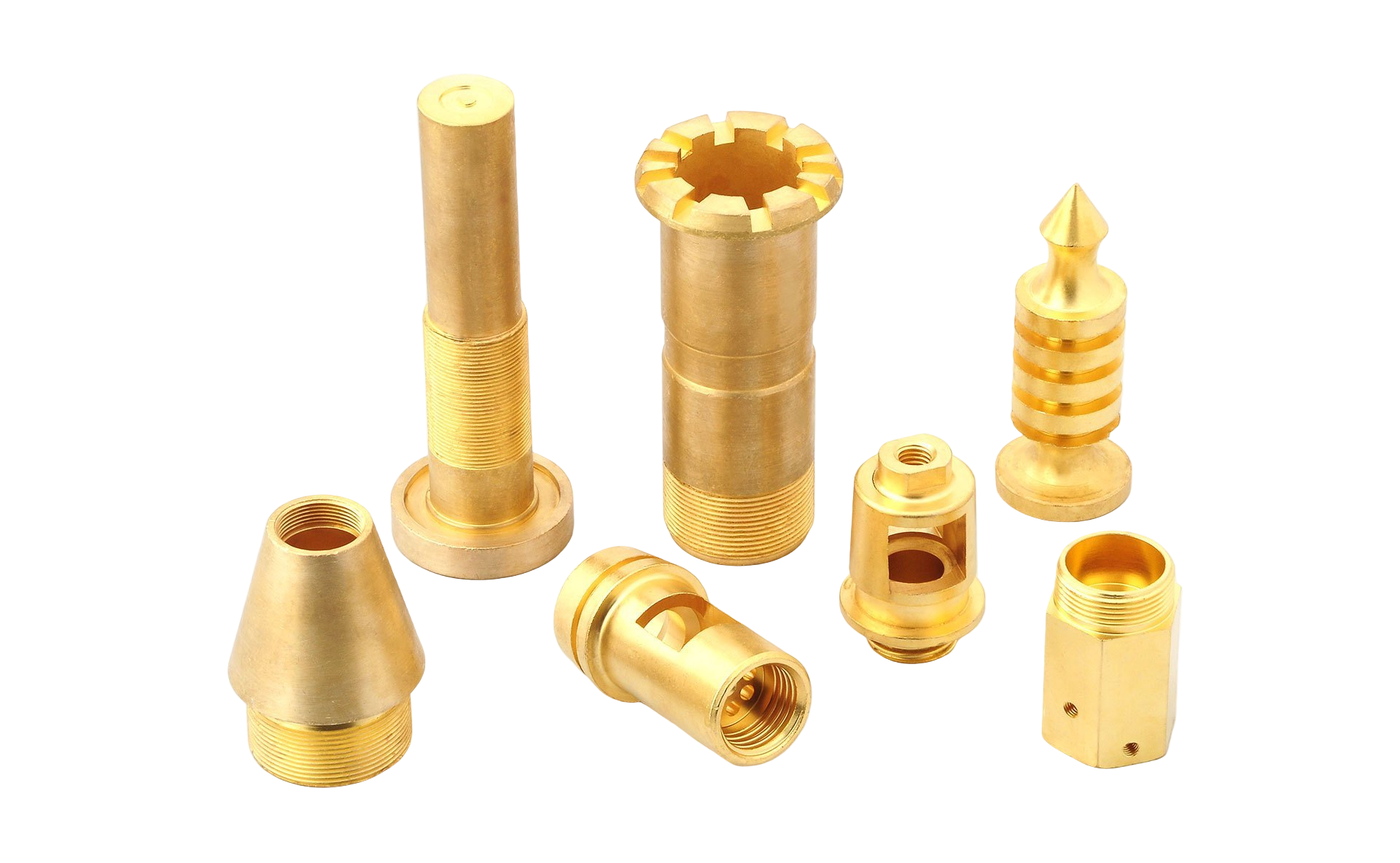
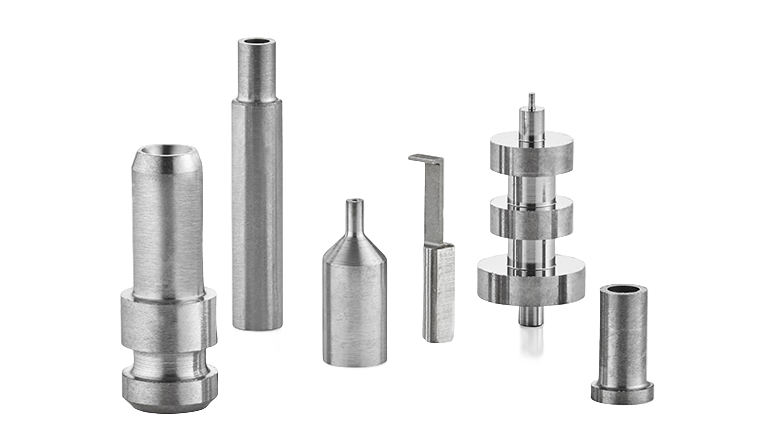
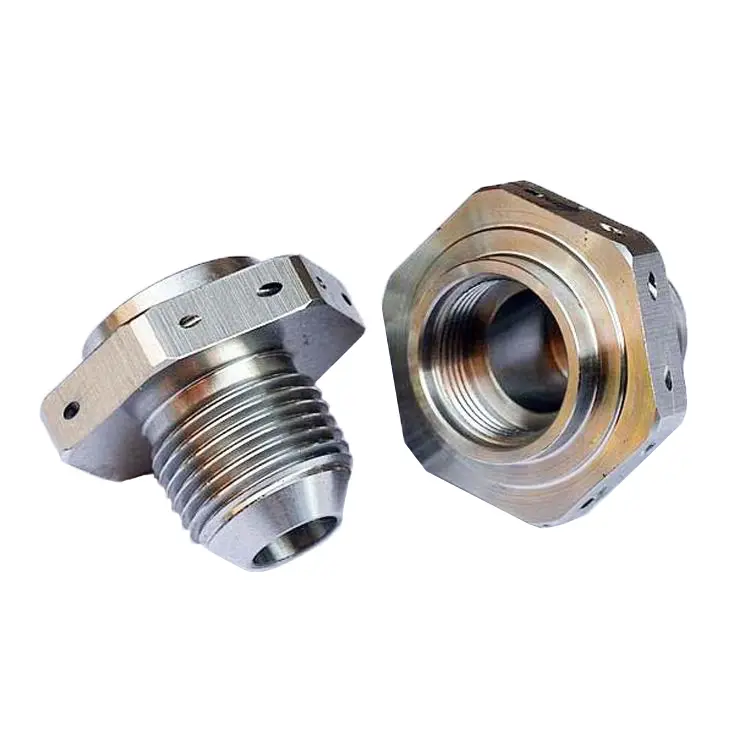
Sheet metal and turning covers two complementary fabrication routes for custom mechanical parts: sheet-metal forming, which cuts, bends and joins flat stock into enclosures, brackets and panels, and turning, which machines round and prismatic parts from bar and tube on lathes and turning centres. They are used wherever buyers need build-to-print metal parts in volume, from electrical enclosures, chassis and brackets to shafts, bushes, spacers, fittings and turned components for assemblies. This overview spans the main processes rather than a single part: laser, plasma and punch cutting; press-brake bending and forming; rolling, welding and riveting for sheet metal; and CNC turning, milling, drilling and threading for machined parts. General dimensional tolerances commonly follow ISO 2768 for machined features and ISO 13920 for weldments, with quality systems often to IATF 16949 for automotive work; surface finish is specified as an Ra value where it matters. Materials range across mild and structural steel, stainless 304/316, aluminium and brass, with finishes such as powder coating, zinc and other plating, anodising or passivation for corrosion and appearance. Configuration covers material grade and thickness, bend and hole tolerances, weld and finish requirements for sheet metal, and diameter, length, concentricity, thread and surface finish for turned parts, all proven against the part drawing and first-article checks. At Himalay, sheet-metal and turned parts are produced to your drawing or sample with material grade, tolerance scheme and finish agreed up front; material certificates such as EN 10204 3.1, first-article and dimensional reports, PPAP support and RoHS/REACH declarations can be provided where specified, and any plating or coating is coordinated as part of the standard order flow.