Home›
Seals

Frequently Asked Questions
- How do I specify an O-ring correctly?
- Give us: (1) size — either the AS568 standard size code (e.g., -214, -350), ISO 3601 code, or explicit inside diameter × cross-section (e.g., 50.17 × 3.53 mm); (2) material (NBR, EPDM, Viton, silicone, etc.) matched to the fluid and temperature; (3) hardness (Shore A — 70 is the most common; 80 for higher pressure, 90 for extreme); (4) any colour coding your assembly requires; (5) compliance (FDA, WRAS, ATEX, military). If you don't know the size, a sample measured with calipers gives us enough. For dynamic applications, also specify the pressure rating and the surface finish of the mating hardware.
- Mechanical seal vs lip seal — when to use which?
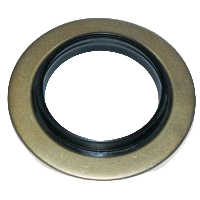
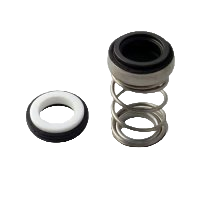
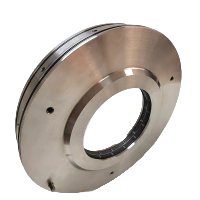
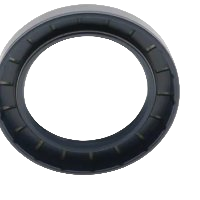
- Lip (oil) seals: general rotating equipment at moderate pressure and temperature — motor output shafts, gearbox input/output, pump shafts in clean or lightly contaminated service. Cost: very low (a few USD per seal). Service life: 6 months to 5 years depending on application. Mechanical seals: pumps and compressors handling aggressive fluids, higher pressures, higher temperatures, or where zero-leakage is required. API 682 Plan 01/02 single seals for general process; Plan 53A/53B/54 double-seal arrangements with barrier fluid for toxic or hazardous service; Plan 72/75/76 vented designs for gas service. Cost: hundreds to thousands of USD per seal. Service life: 2–5 years in well-maintained applications. For any petroleum, chemical, or pharmaceutical process pump above basic utility service, mechanical seals are specified.
- Can you supply seals to API 682 specification?
- Yes. API 682 covers pumps for petroleum, heavy-duty chemical, and gas-industry services, with standardised seal plans (01 through 76) matched to service conditions and seal-support systems. Himalay sources API 682-compliant seals from engineered-seal manufacturers (Indian OEMs and, via authorised distribution, John Crane, EagleBurgmann, Flowserve, A.W. Chesterton). Seal cartridge assembly, test certification to API 682 test requirements (hydro, dynamic leak test, operational verification), and piping-plan coordination (seal-support system — reservoir, cooler, pressure-switch) are part of the standard engineered-seal supply. For retrofit of existing pumps, we work from the pump OEM drawings or the seal's historical part number.
- What's the typical MOQ for O-rings and seals?
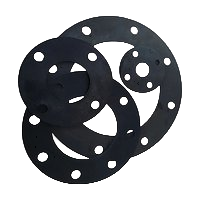
- Commodity O-rings (AS568 standard sizes, NBR, EPDM, Viton at 70 Shore): typical MOQ 500–5,000 pieces per size and material. Uncommon sizes or specialty materials (Kalrez, silicone FDA-grade): 200–2,000 pieces. Custom-moulded O-rings (non-standard sizes, coloured, branded): tooling-dependent, typically 1,000+ pieces after tooling amortisation. Standard lip seals: 500–5,000 pieces per size. Mechanical seals: per piece (MOQ 1) for engineered items, through authorised distribution; for production runs of standardised designs, lower per-unit cost at 100+ pieces. Gaskets: 100–1,000 pieces per size/material. Consolidated seal-kit BOMs (multiple sizes) are our typical order form.
- Can I get FDA-grade or WRAS-approved seals?
- Yes. FDA-grade seals (silicone, EPDM, NBR, Viton, or PTFE in FDA 21 CFR 177.2600-compliant compounds) are supplied with material certification and compliance declaration — standard for food, beverage, dairy, and pharmaceutical process equipment. WRAS (UK potable-water) and ACS (French potable-water) certified elastomers for water-service sealing are available. For pharmaceutical-specific compliance: USP Class VI (biocompatibility), ISO 10993 for medical-device applications, and customer-specific qualifications per the user's regulatory path. Kosher and Halal-compliant seal materials also supplied on request.
- Lead time for seals?
- Commodity O-rings and gaskets in standard materials and sizes: 3–4 weeks from order. Standard lip seals: 4–6 weeks. Specialty elastomers (Kalrez, FDA-grade silicone): 6–10 weeks (material availability drives lead time). Mechanical seals via authorised OEM distribution (John Crane, EagleBurgmann): 4–8 weeks depending on design complexity and OEM stock. Engineered custom mechanical seals (first article, API 682): 10–16 weeks including testing and qualification. Hydraulic seal kits (multi-size BOMs): 5–7 weeks.