Screws
Source screws from India's verified manufacturers and exporters on Himalay. Browse machine screw, wood screw, drywall screw, self-tapping screw and self-drilling screw for industrial and export applications.
Browse Screws by Type
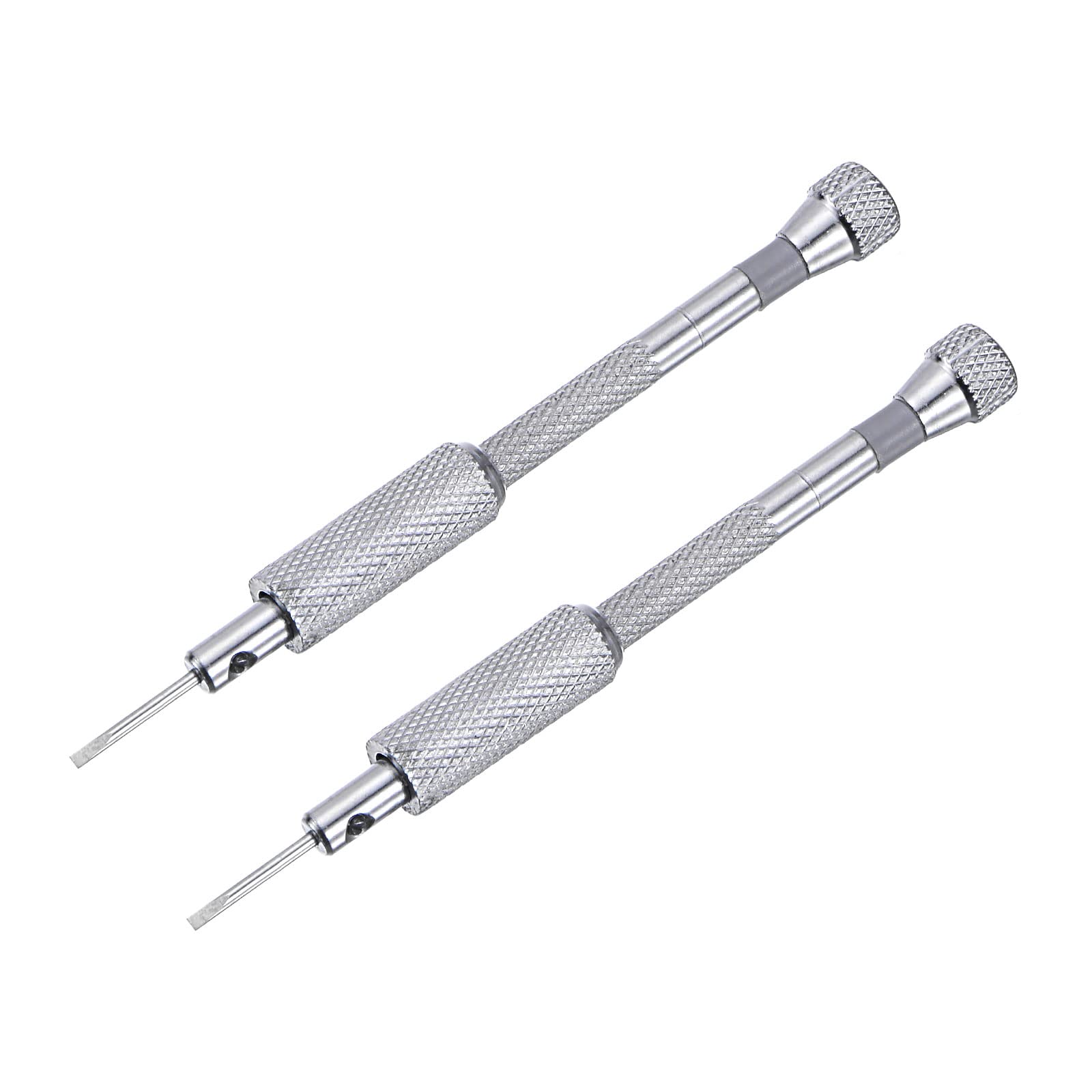
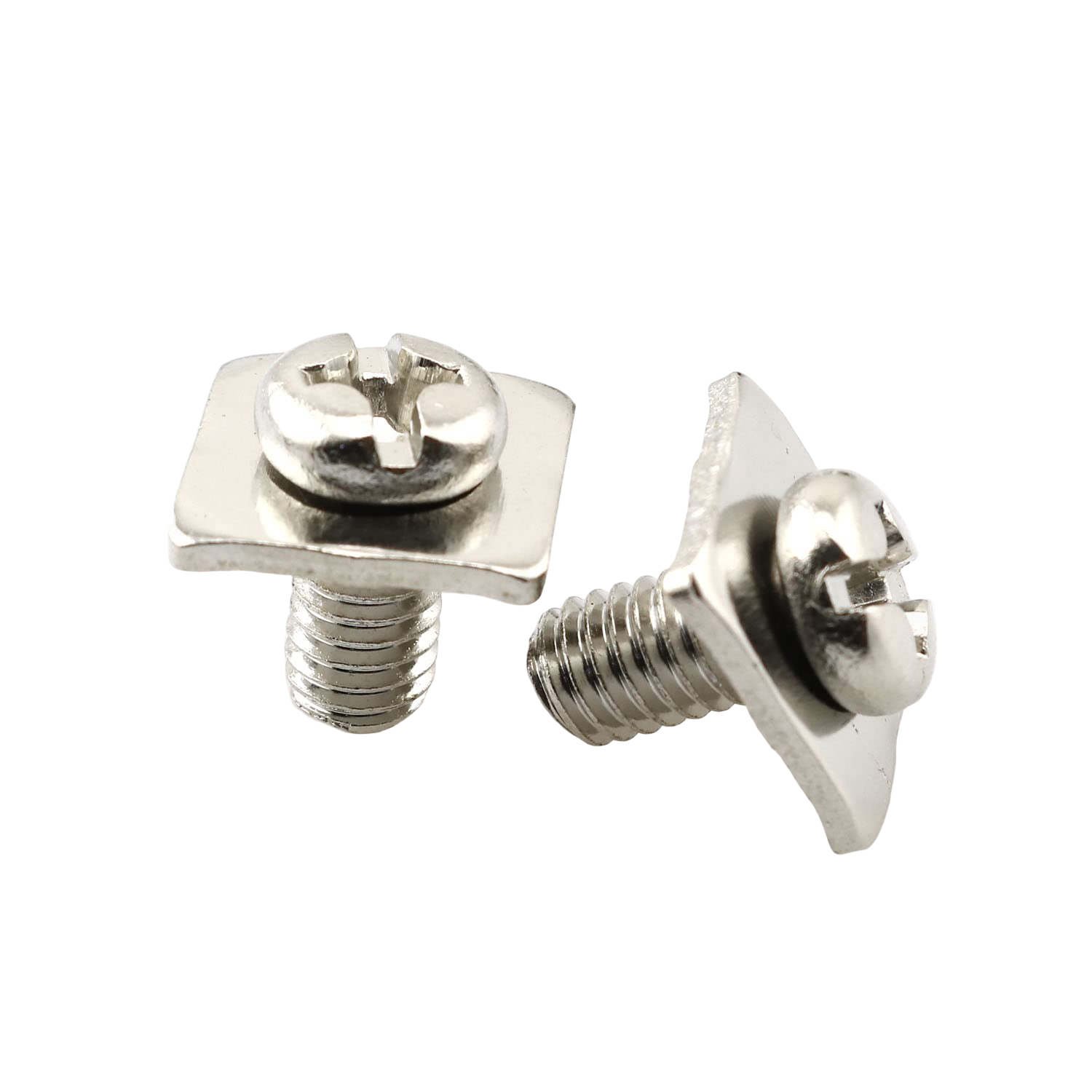
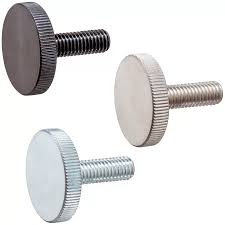
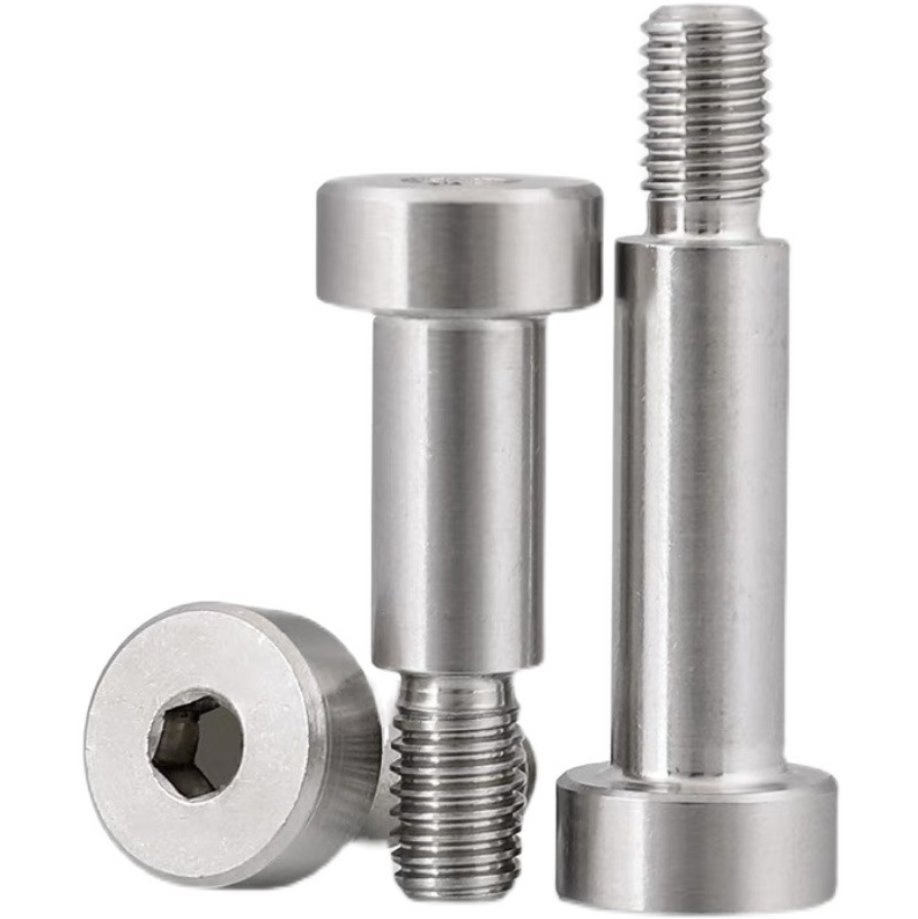
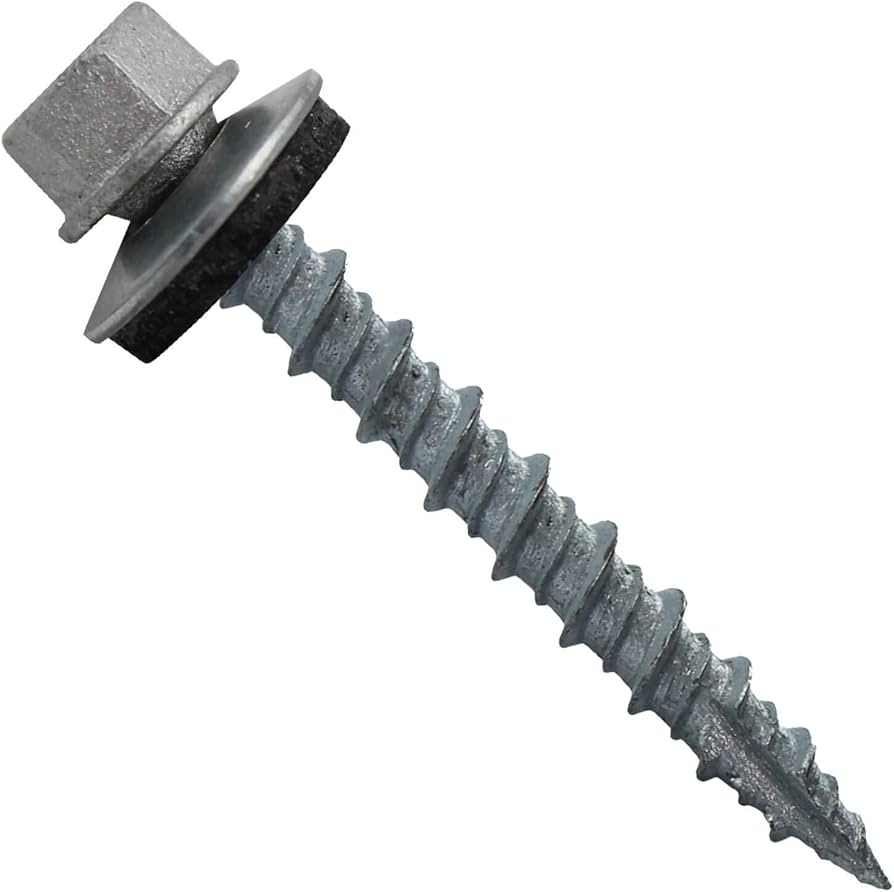
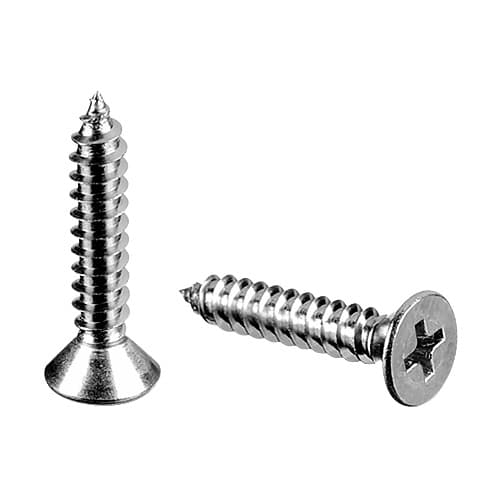
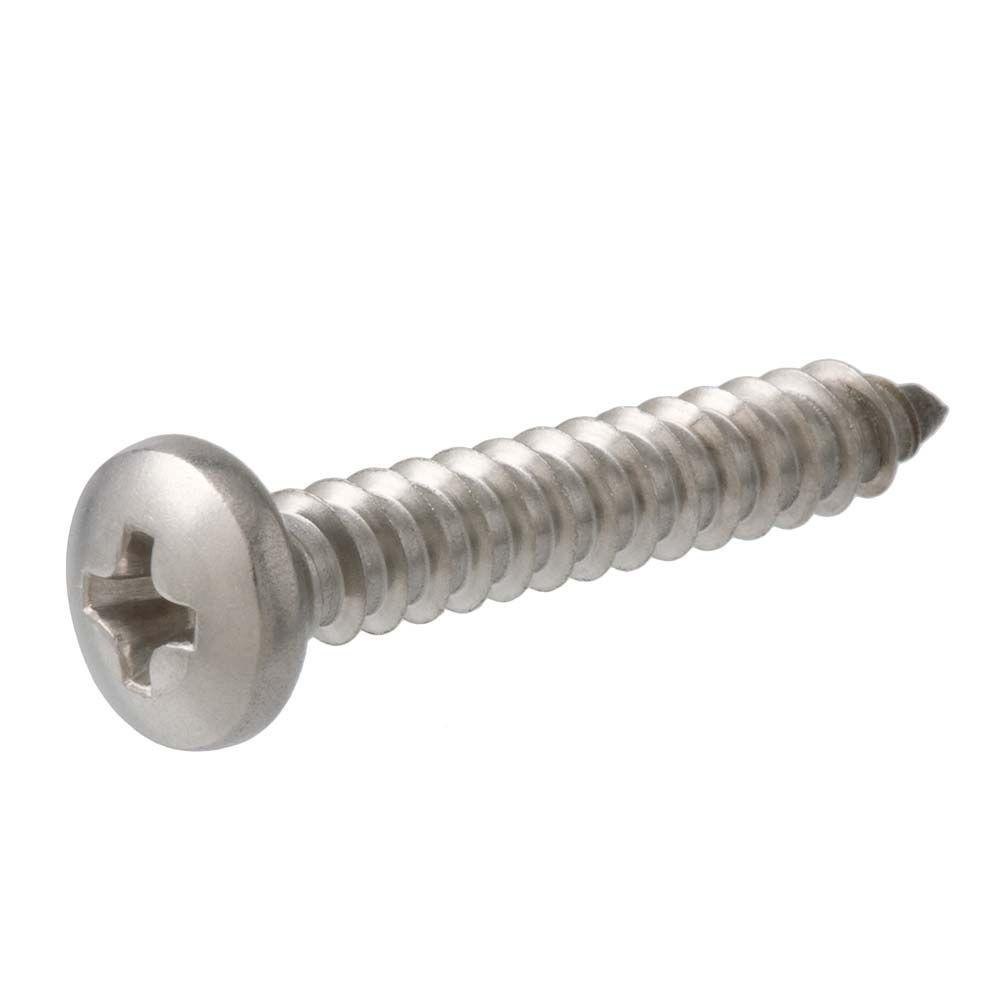
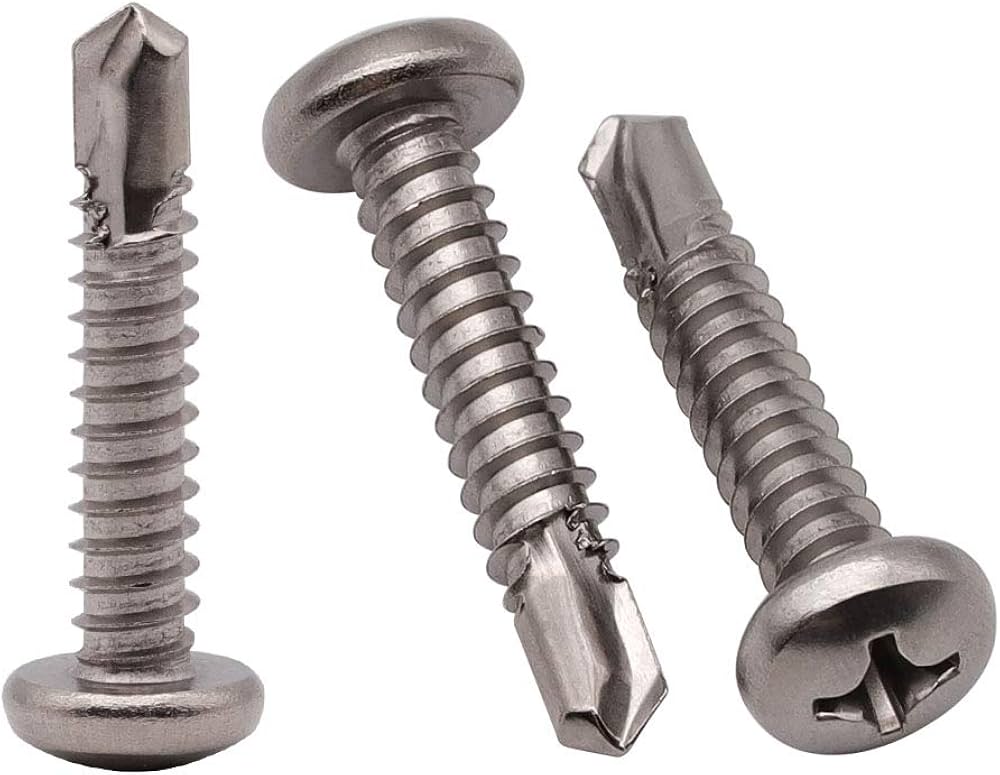
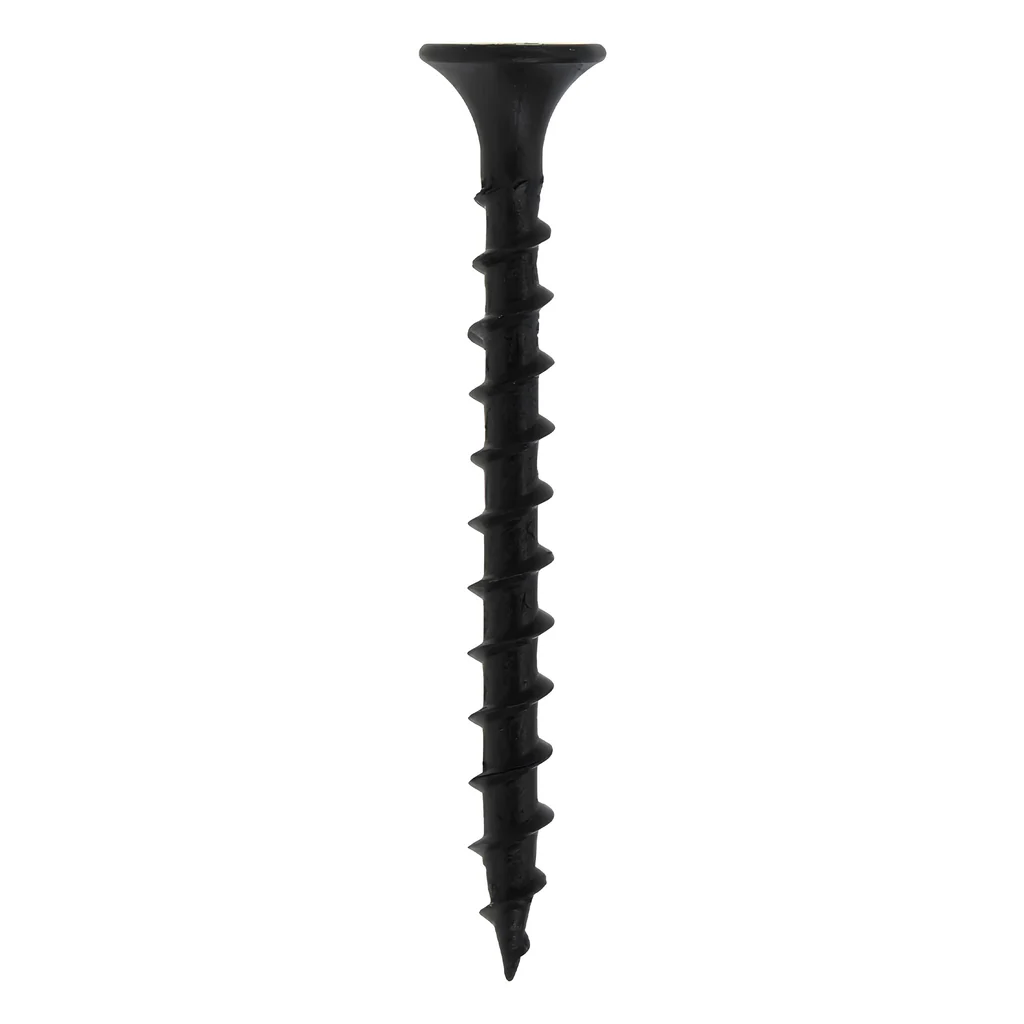
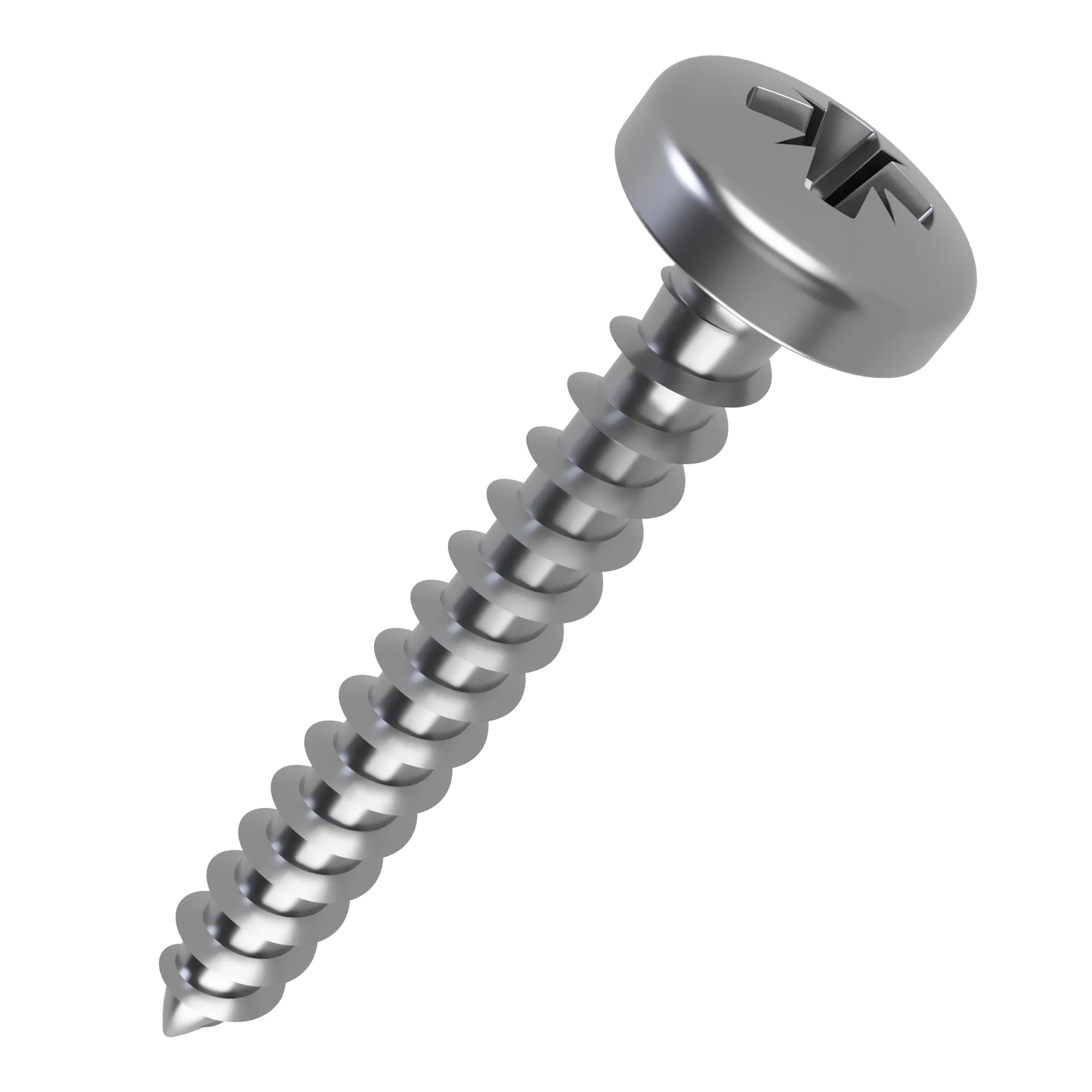
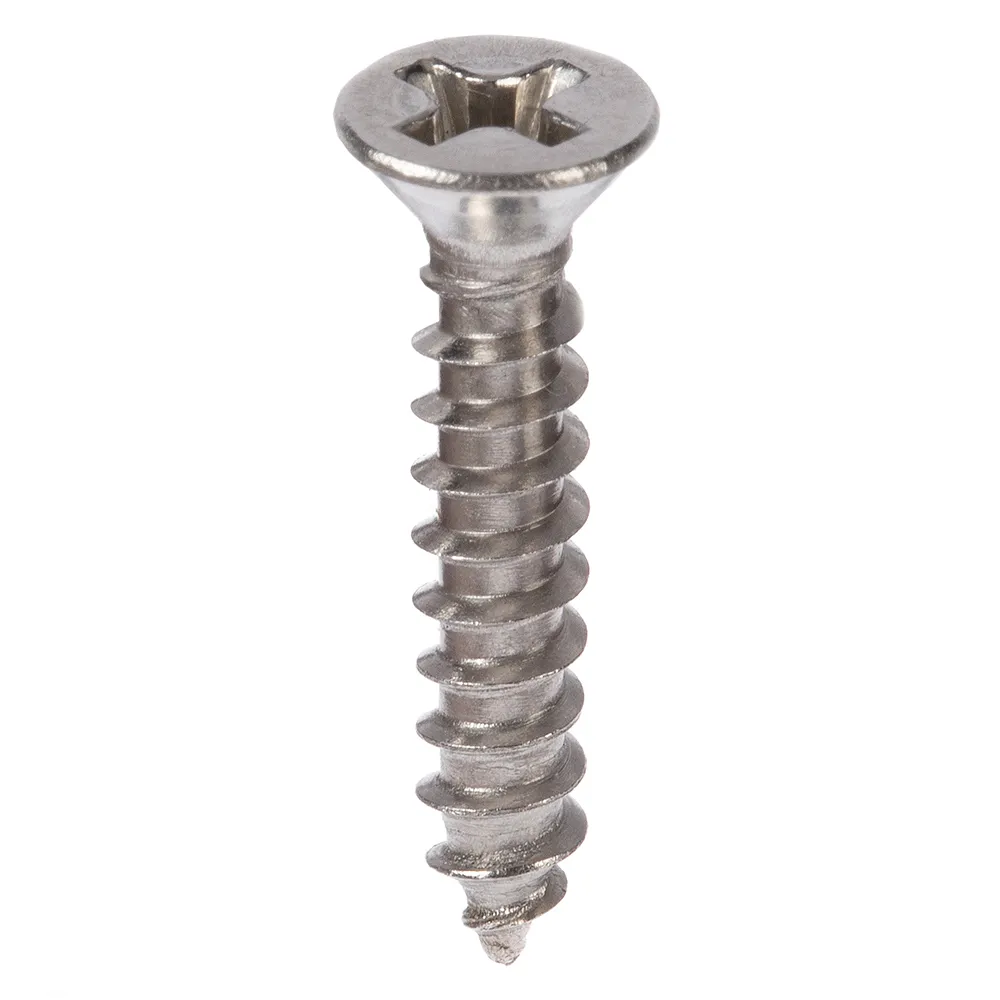
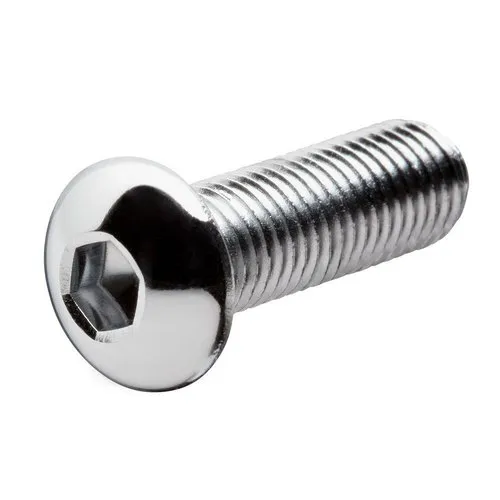
About Screws
Screws are externally threaded fasteners that form their own mating thread in the substrate (self-tapping, wood screws, sheet-metal screws) or thread into a pre-formed internal thread (machine screws, cap screws). The distinction from bolts is primarily about how the joint is formed — screws typically don't require a nut — and about head drive style, which is often designed for tool-driven installation in production.
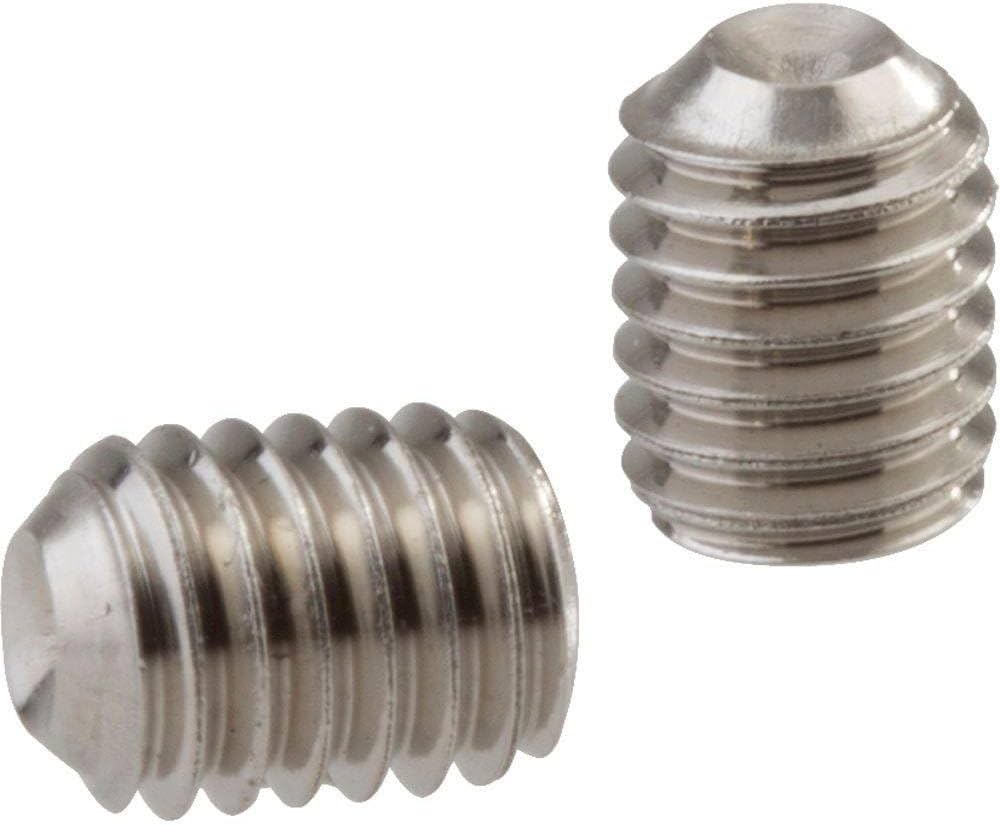
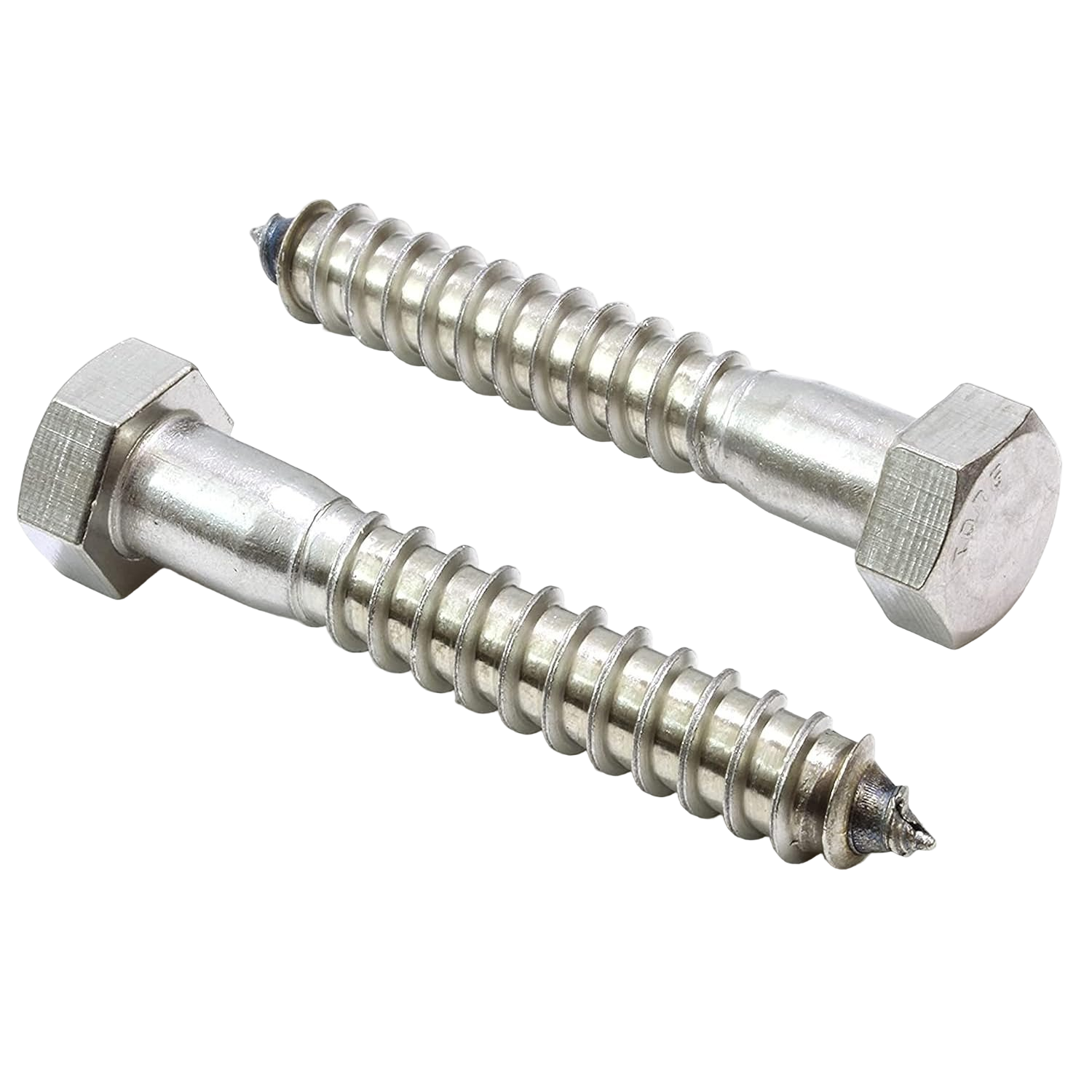
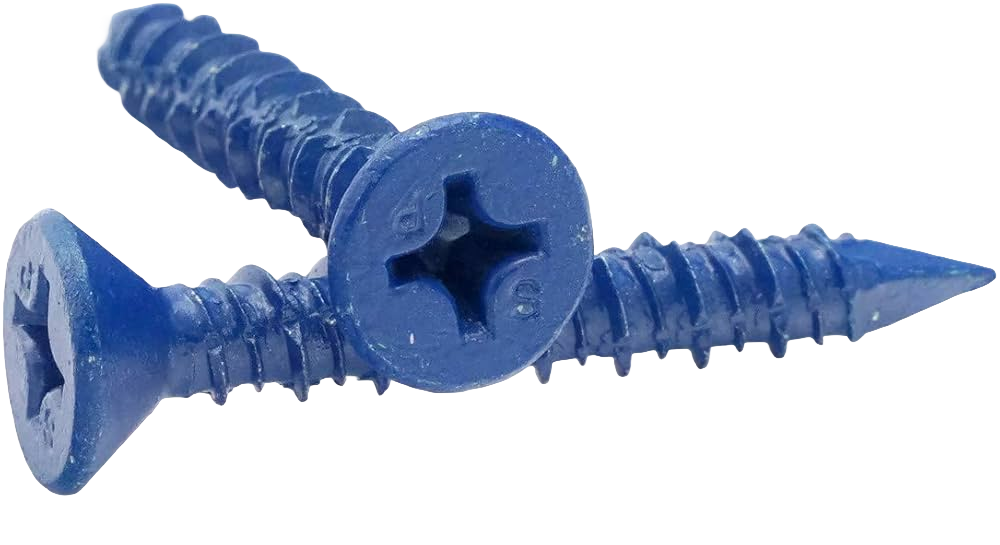
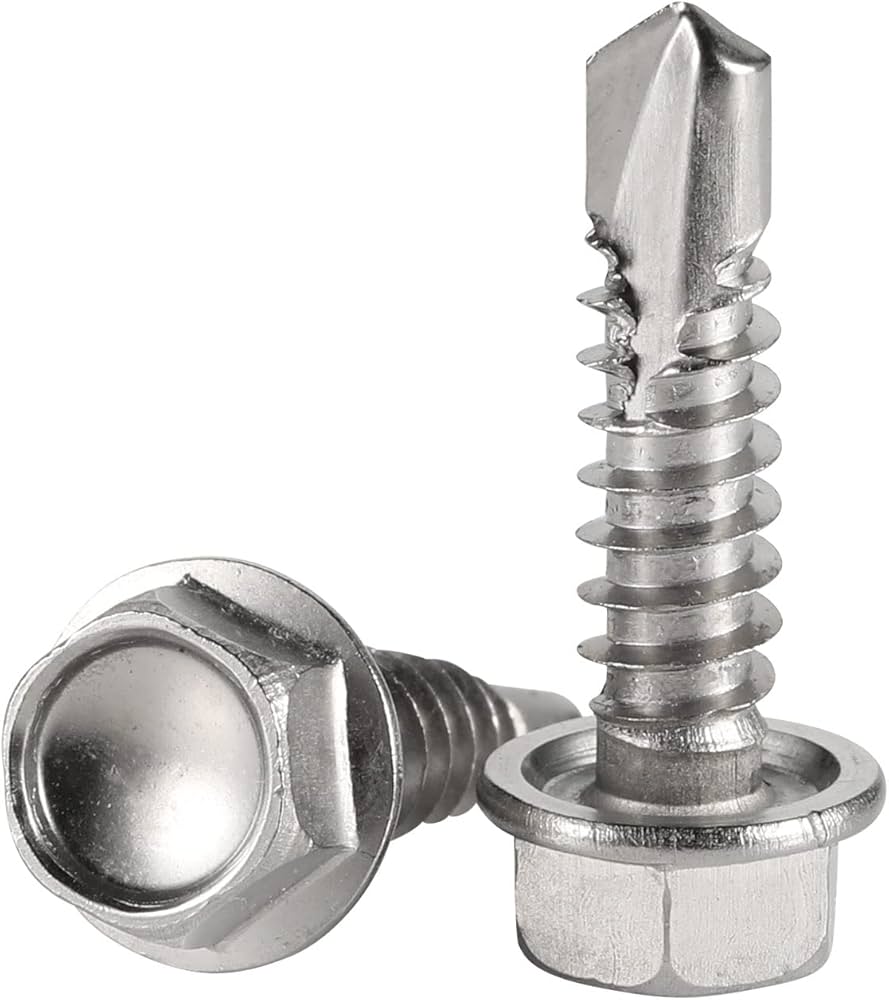
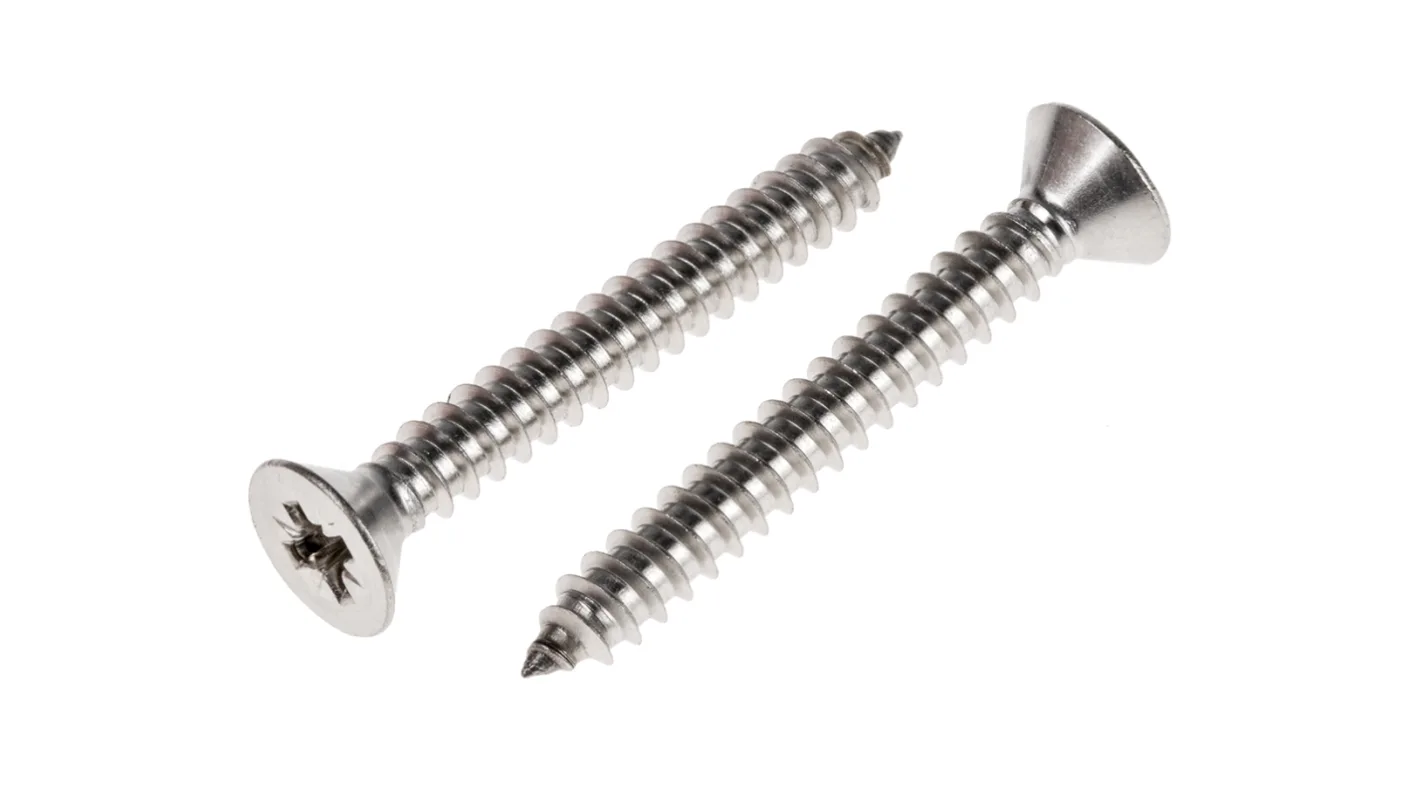
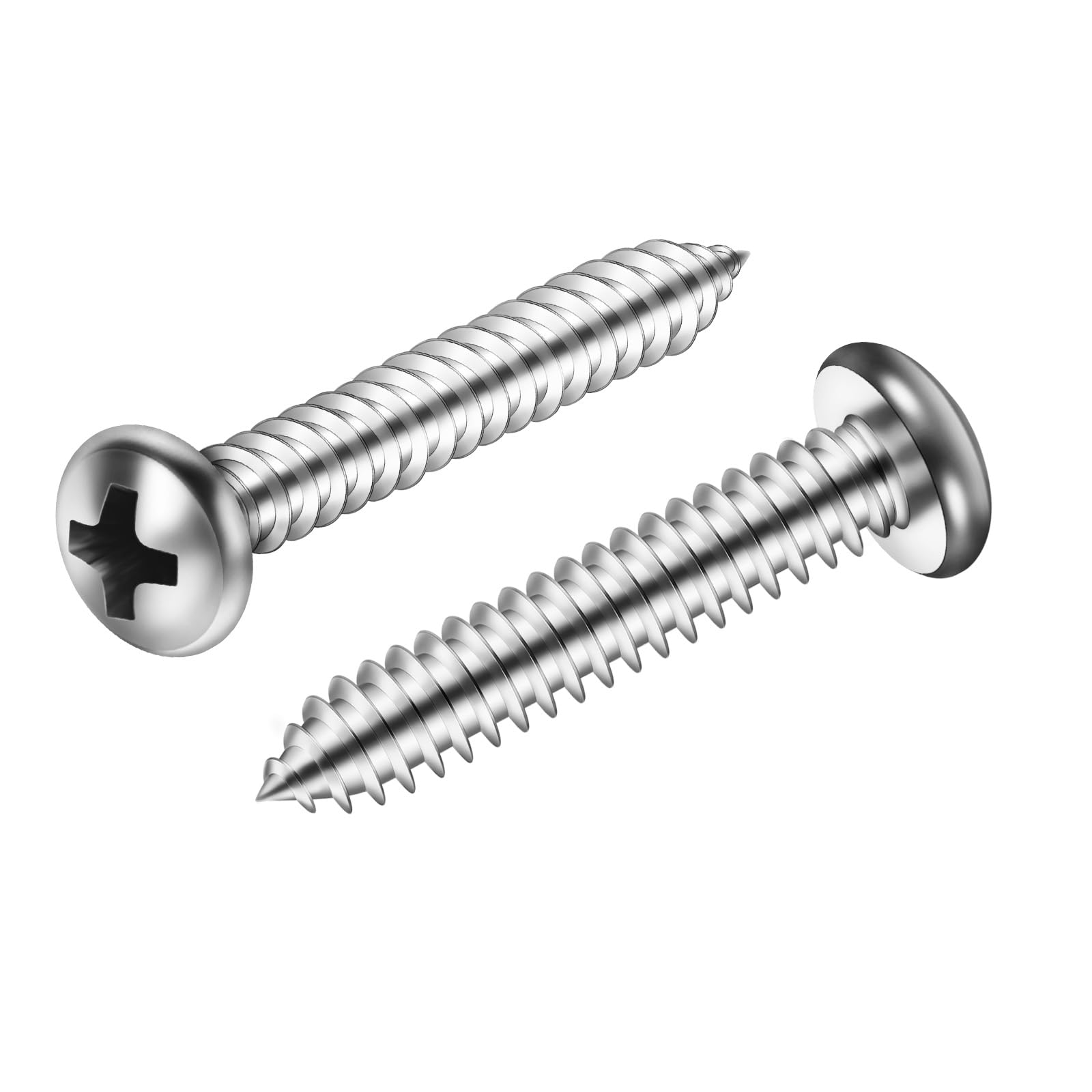
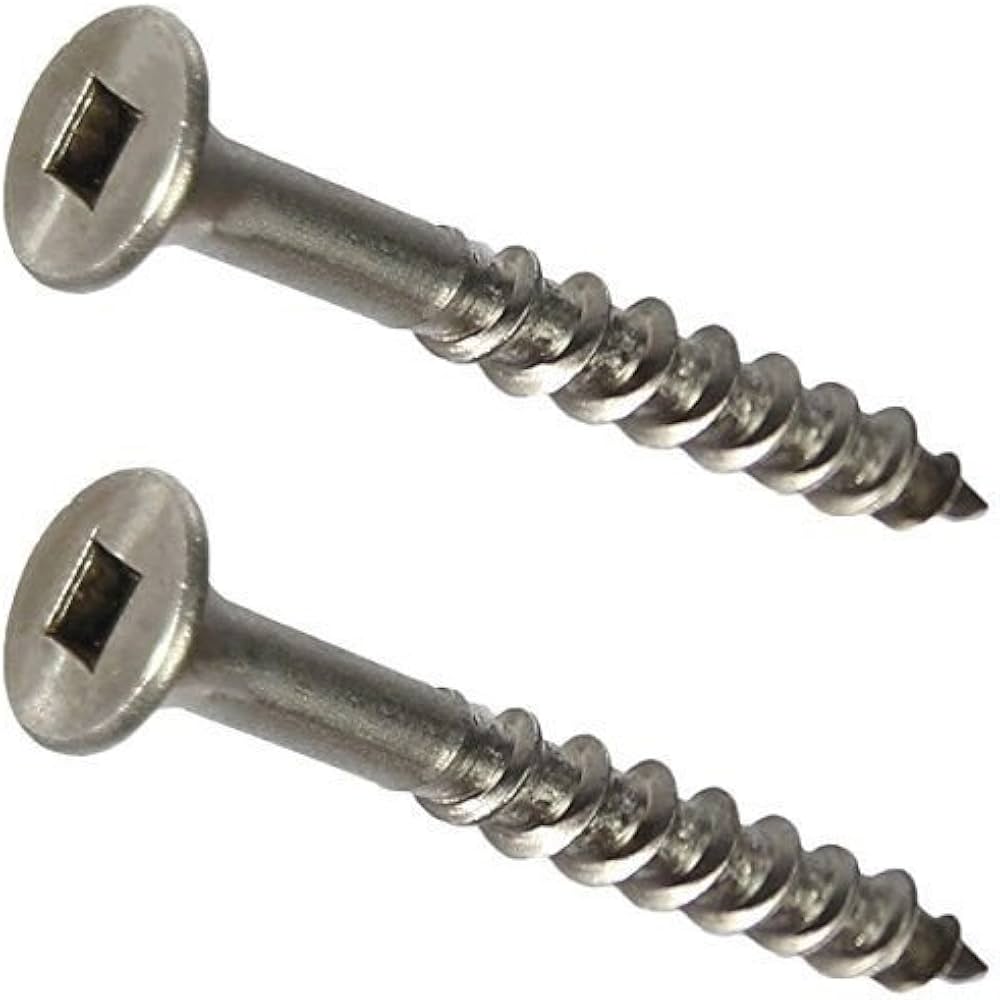
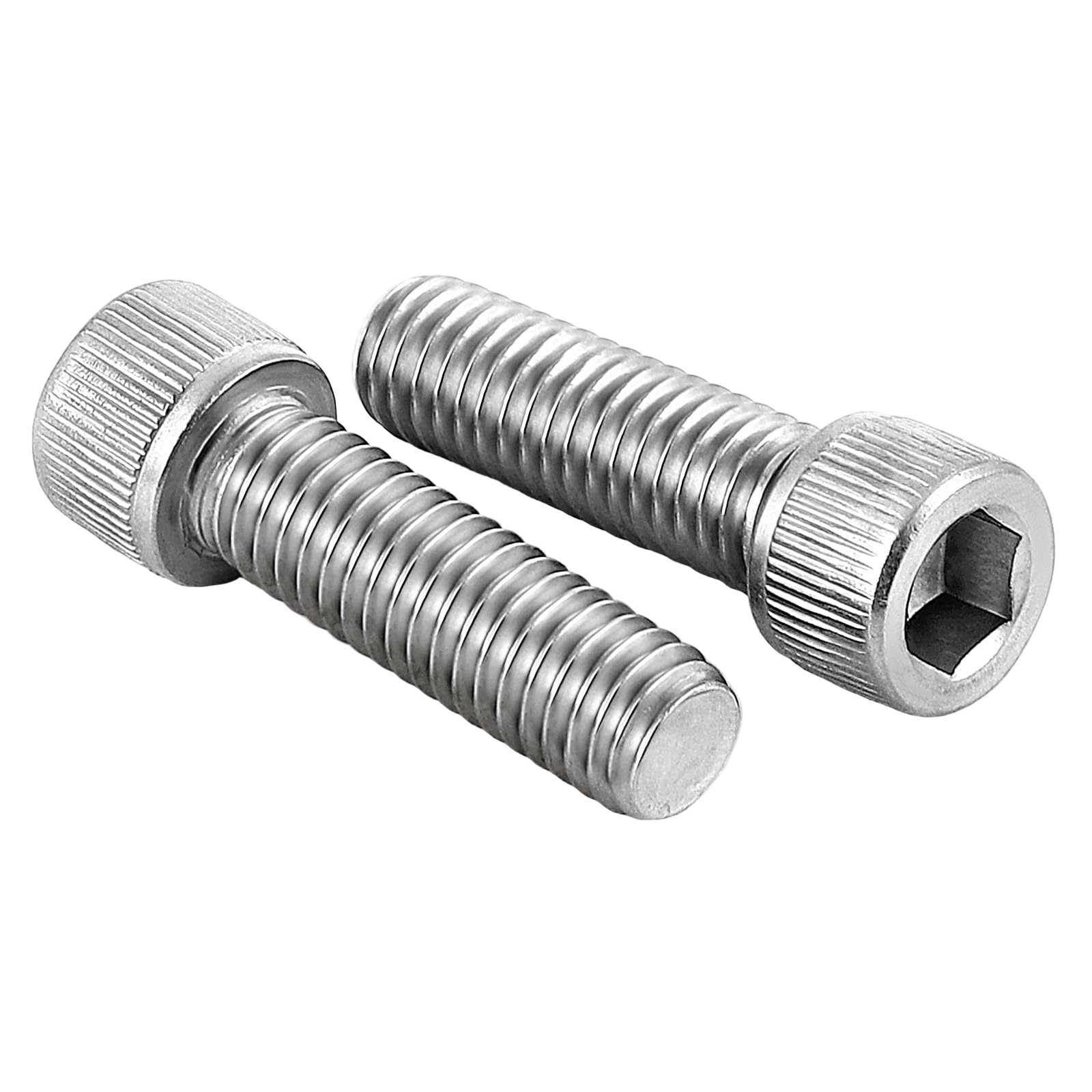
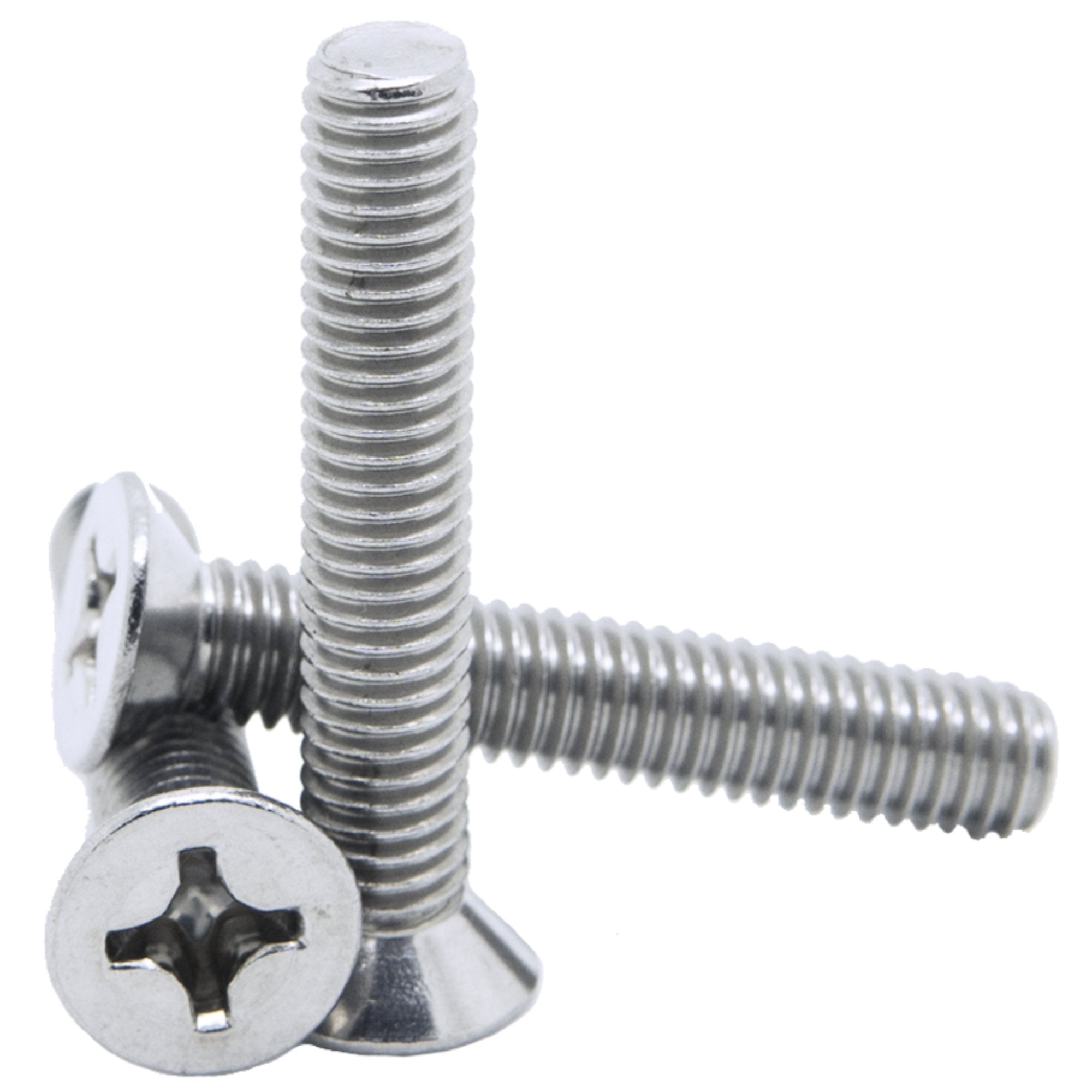
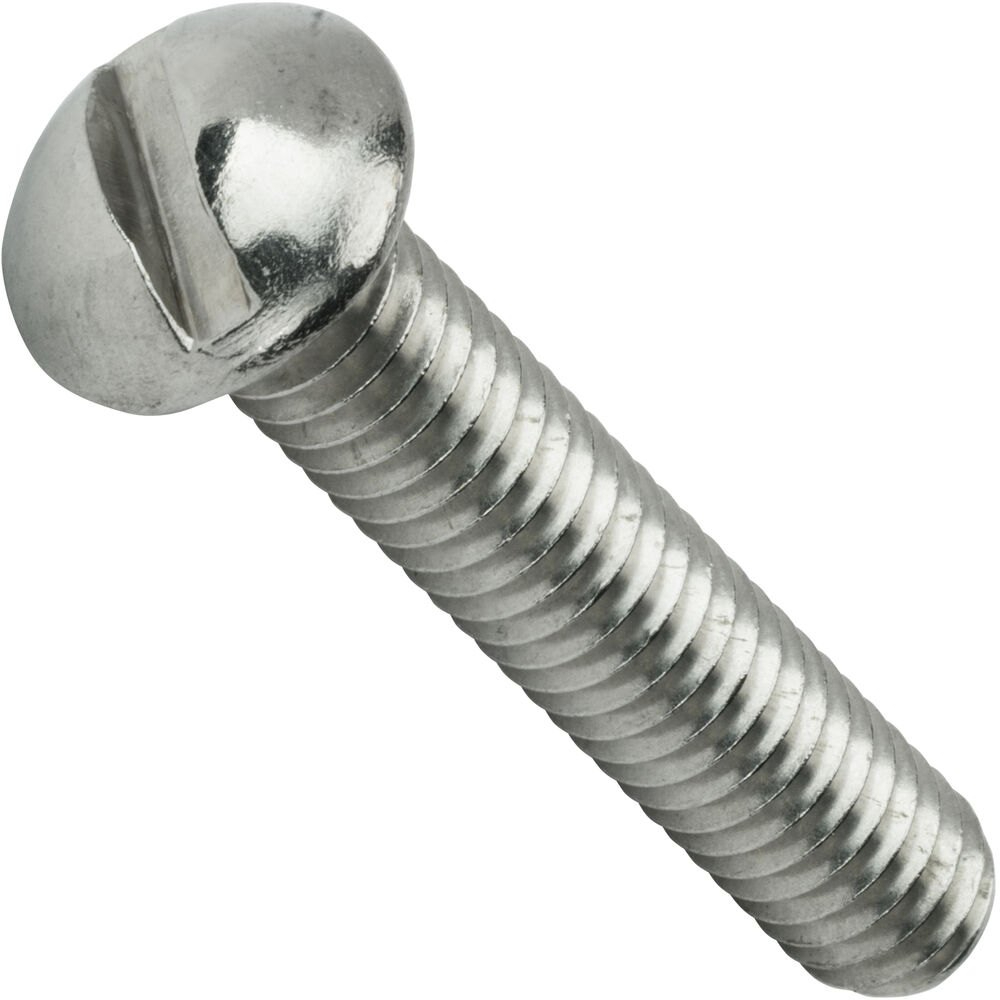
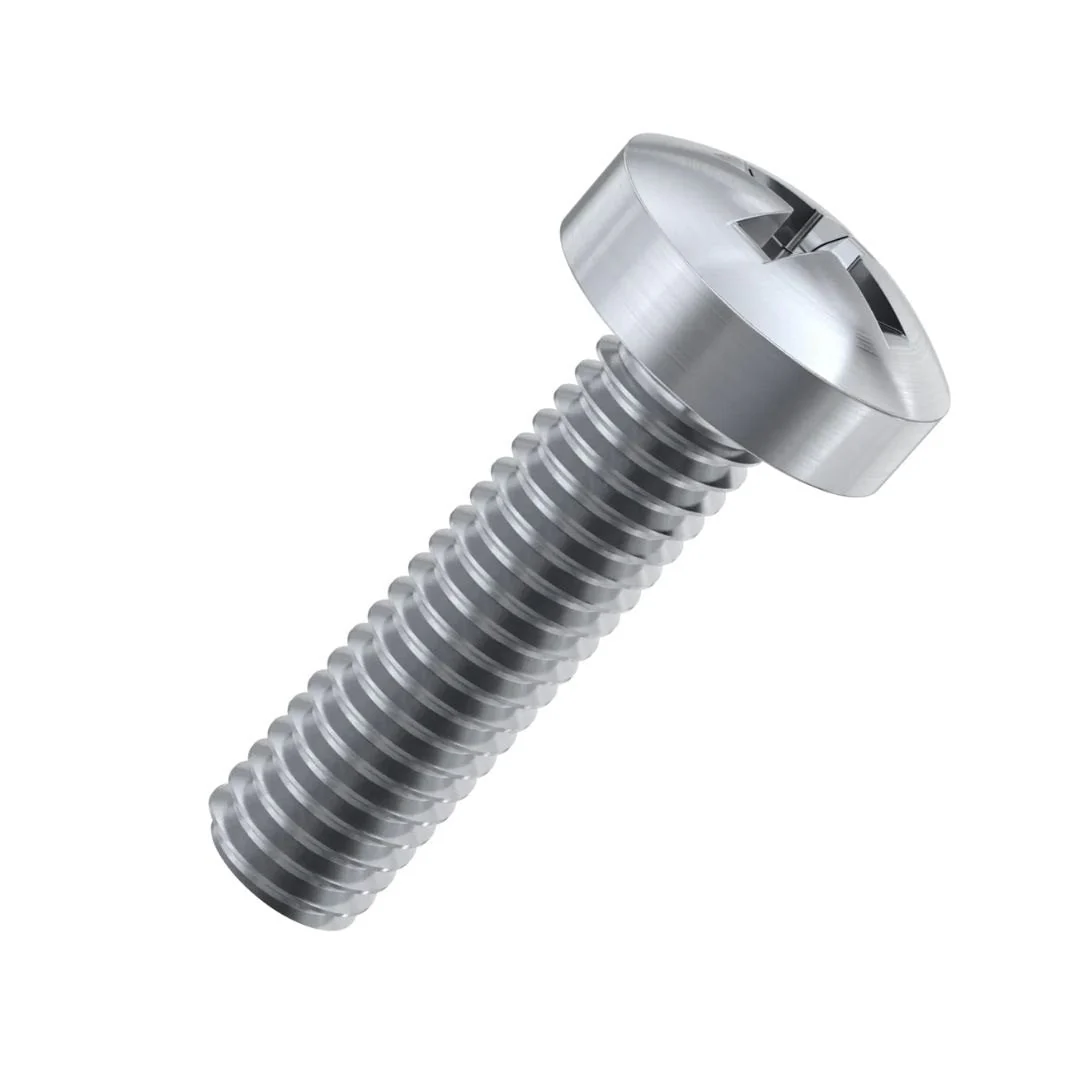
Primary families Himalay sources: machine screws (hex, slotted, Phillips, Pozidrive, Torx drives — DIN 84/85, DIN 963/965, ISO 1207/2009/7045/7046 — for assembling machined parts, typically with a nut or a tapped hole); socket-head cap screws (Allen drive, DIN 912, ISO 4762 — precision assembly, high clamp force in compact form factor, typically Grade 12.9 black oxide or plated); set screws (DIN 913/914/915/916, socket or slotted, used for locking rotating components to shafts via cup point, flat point, dog point, or cone point); self-tapping screws (DIN 7970, ISO 1478 — form their own thread in sheet metal or plastic); wood screws (DIN 96/97, ISO 1482 — coarse thread for timber); thread-forming screws (TAPTITE and equivalents — for thread-forming in softer metals without chip production); and drywall and construction screws.
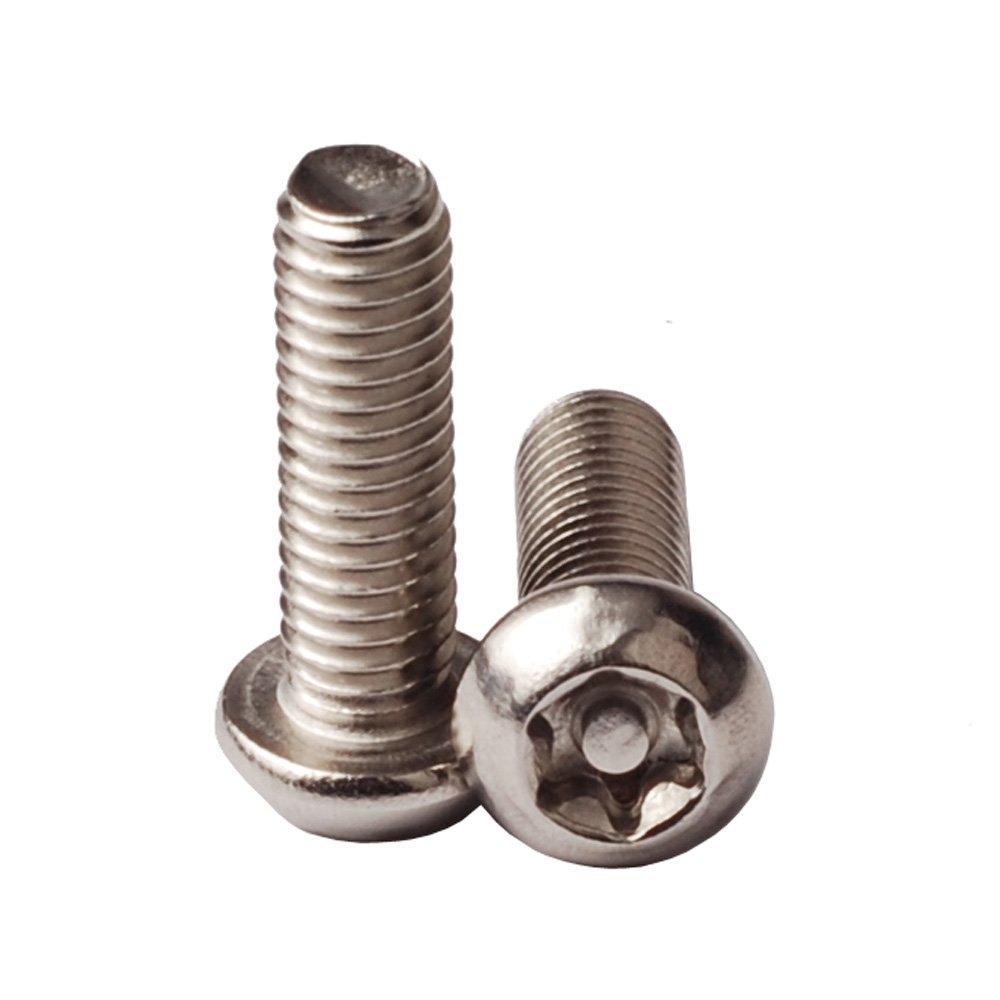
Head styles: hex (external drive), socket/Allen (internal hex drive), Torx (internal six-lobe — higher torque transmission, lower cam-out, standard in automotive), Phillips and Pozidrive (cross drives — general assembly), slotted (legacy), button and pan heads (low-profile), flat/countersunk (flush-mount), and specialty security drives (pin-Torx, tri-wing, spanner, for anti-tamper applications).
Grading follows the same families as bolts for machine screws and cap screws — Grade 8.8, 10.9, 12.9 for carbon steel; A2, A4 for austenitic stainless; and DIN 267 Part 11 for mechanical property classifications. Self-tapping and wood screws typically don't carry a strength grade but are specified by surface hardness and thread form.
Indian MSME screw manufacturing is concentrated in Ludhiana, Rajkot, Coimbatore, and smaller clusters across Haryana and Delhi-NCR. Capacity covers cold-heading through thread-rolling, heat-treating, and plating in-line for production efficiency. Himalay coordinates batch testing (core hardness, surface hardness, thread profile, head strength per DIN 267), MTC 3.1 per batch, and packaging in kegs, trays, or bulk bins as specified.