Fertilizers & Agricultural Nutrients
Source fertilizers & agricultural nutrients from India's verified manufacturers and exporters on Himalay. Browse urea fertilizers, ammonium fertilizers, super phosphate fertilizers, ammonium phosphate fertilizers and potash fertilizers for industrial and export applications.
Browse Fertilizers & Agricultural Nutrients by Type
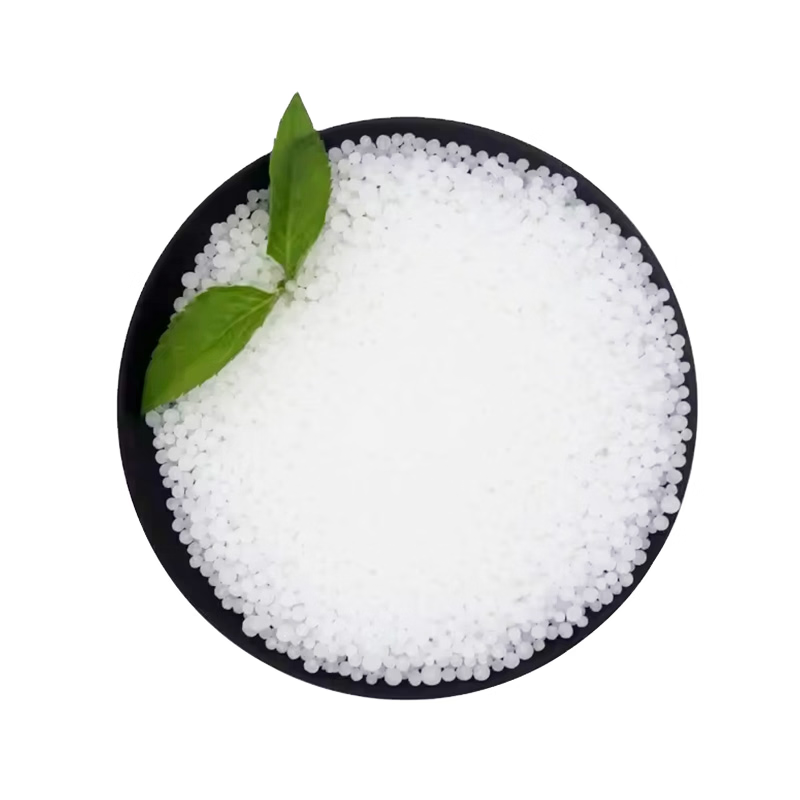
About Fertilizers & Agricultural Nutrients
Fertilizers and agricultural nutrients cover the commodity and specialty inputs applied to soil, plants, and growing media to supply essential macro- and micronutrients for crop production. India is the world's second-largest consumer of fertilizers and a significant exporter in specific categories, with manufacturing clusters in Gujarat, Tamil Nadu, Andhra Pradesh, Uttar Pradesh, and Rajasthan serving domestic and global markets.
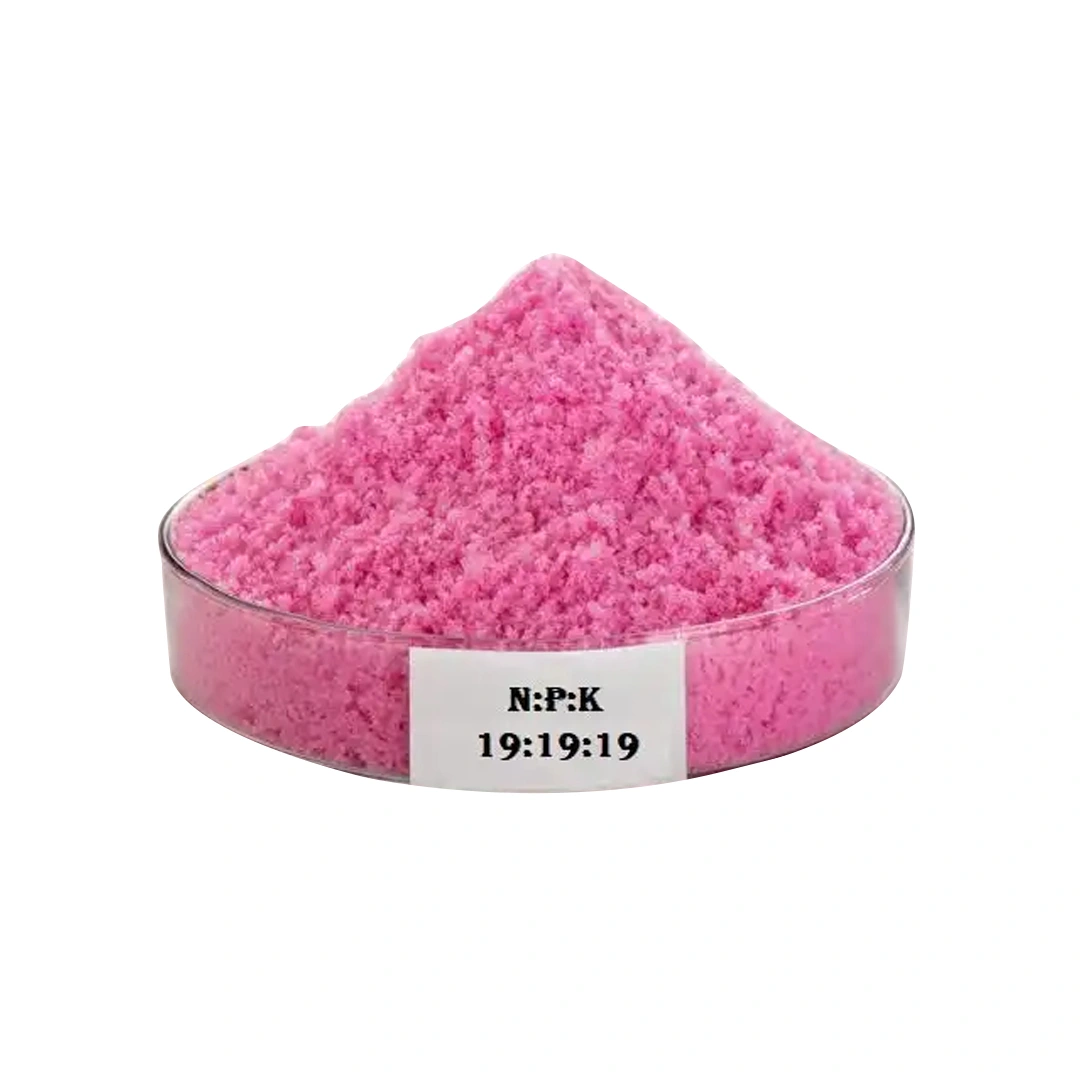
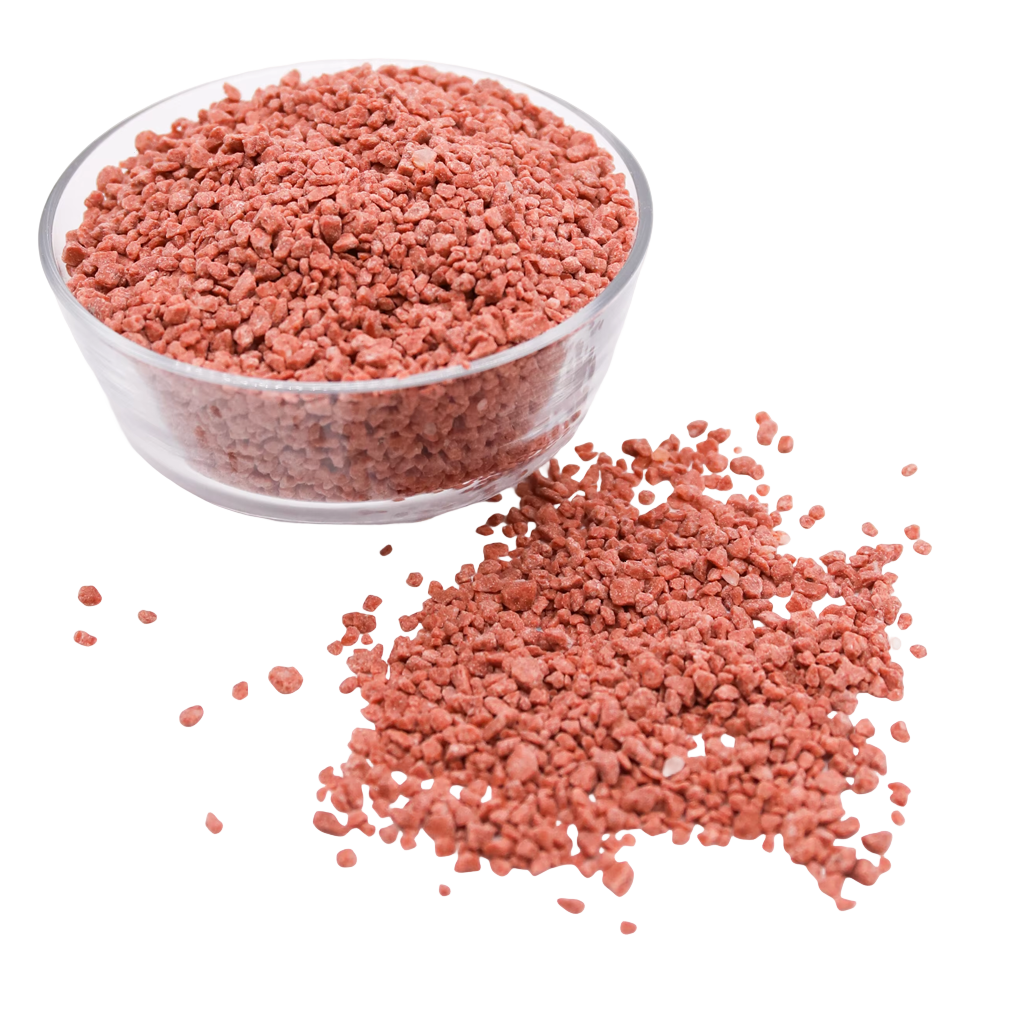
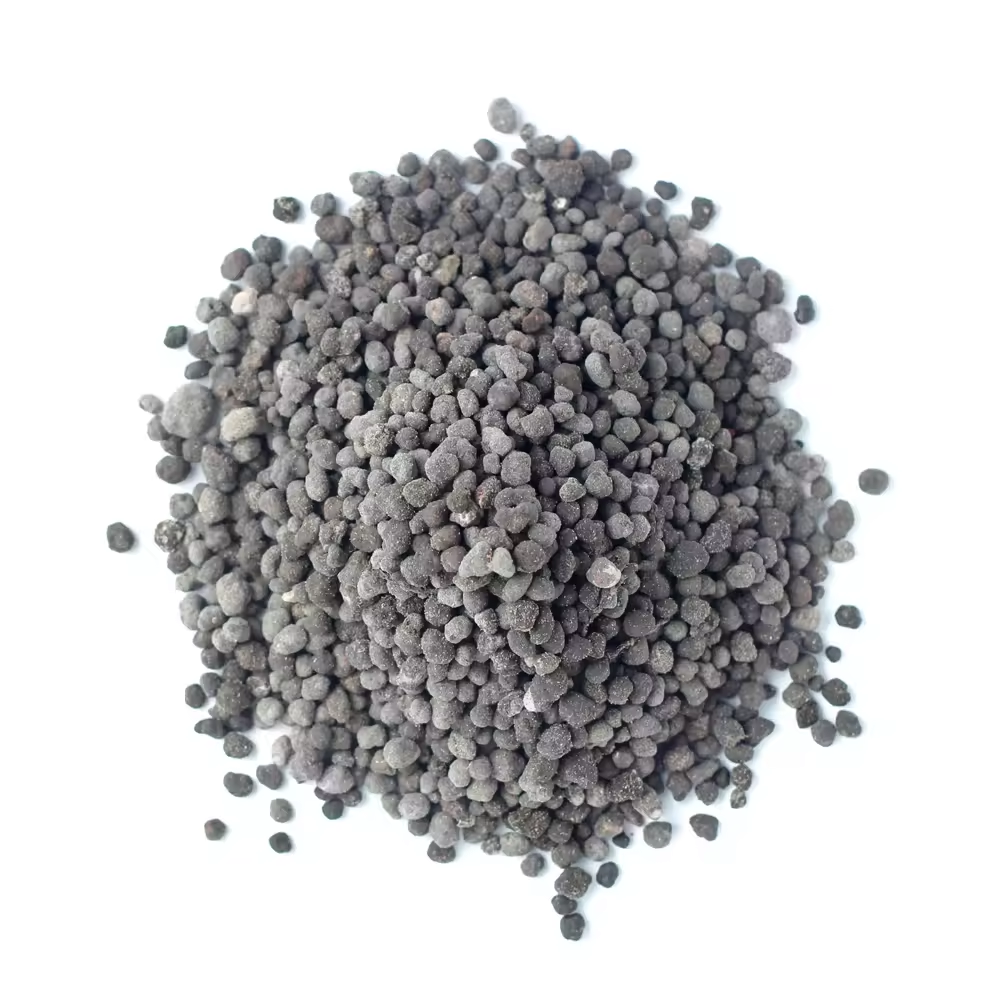
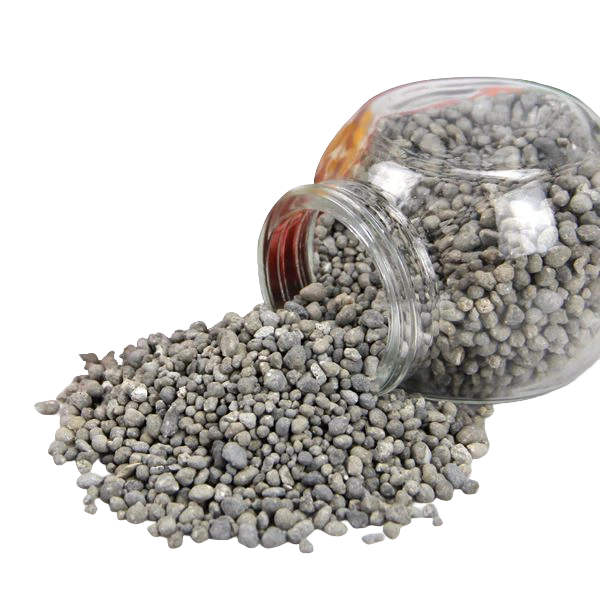
Primary macronutrient products (N-P-K): urea (46-0-0, the dominant nitrogen fertilizer globally); DAP — diammonium phosphate (18-46-0); MAP — monoammonium phosphate (11-52-0); MOP — muriate of potash, potassium chloride (0-0-60); SOP — sulphate of potash, potassium sulphate (0-0-50, used for chloride-sensitive crops); NPK complex fertilizers (various ratios — 10-26-26, 12-32-16, 14-35-14, 15-15-15, 19-19-19, 20-20-0, and customer-specified blends); calcium ammonium nitrate (CAN); single superphosphate (SSP); triple superphosphate (TSP). Micronutrient products: zinc sulphate, ferrous sulphate, manganese sulphate, copper sulphate, boron products (borax, boric acid), molybdenum products, chelated micronutrients (EDTA, DTPA, EDDHA chelates for iron/zinc/manganese in high-pH soils).
Specialty categories: water-soluble fertilizers (for fertigation and foliar spray — 100% water-soluble grades, typically in 25 kg bags for greenhouse and intensive agriculture); slow-release and controlled-release fertilizers (polymer-coated urea, sulphur-coated urea, and IBDU-type — for turfgrass, nurseries, and high-value horticulture); organic and biofertilizers (neem-coated urea, vermicompost, rhizobium and azotobacter inoculants, humic and fulvic acid preparations); liquid fertilizers (urea-ammonium-nitrate, potassium nitrate solutions, micronutrient liquid blends); and horticulture-specific specialty inputs (calcium nitrate, potassium nitrate, magnesium nitrate, potassium dihydrogen phosphate — MKP).
Export compliance varies by destination. For EU agricultural inputs, REACH applies to the chemical substance components, and the EU Fertilising Products Regulation (FPR, EU 2019/1009) governs CE marking for fertiliser products placed on the market — specifying nutrient declarations, contaminant limits (cadmium for phosphate fertilizers, heavy metals), and labelling standards. For GCC destinations, SASO SABER applies to fertilizer imports with specific product standards; some GCC countries require import permits from the Ministry of Agriculture in addition to the standard customs documentation. For Africa, Southeast Asia, and other export markets, local agricultural-input registration (Fertilizer Control Order equivalents) often requires country-specific testing, labelling, and registration — lead times of 3–12 months for first-time market entry are typical.
Packaging: 25 kg, 50 kg bags (PP woven laminated, typically); 1,000 kg jumbo bags (FIBC, used for bulk shipping at lower per-unit cost); bulk dry containers (25–40 MT). Sea freight in 20 ft and 40 ft containers for bagged fertilizers; dedicated bulk carriers for very large shipments of urea, DAP, or MOP. Pricing in fertilizers tracks upstream commodity inputs (natural gas for urea, phosphate rock for DAP/MAP, potash mining economics for MOP/SOP) and is subject to significant volatility — quote validity is typically 7–14 days unless tied to a freight-index contract.