Bushings sourcingAbout Bushings
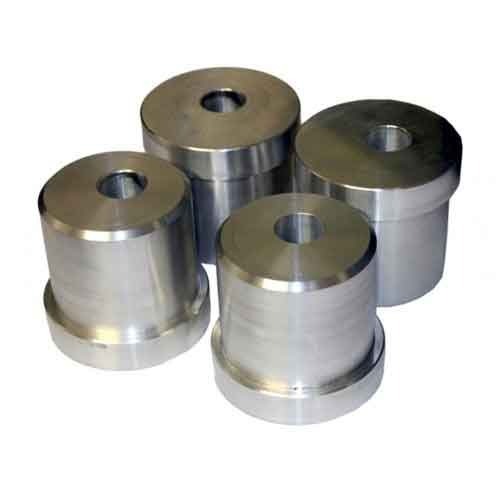
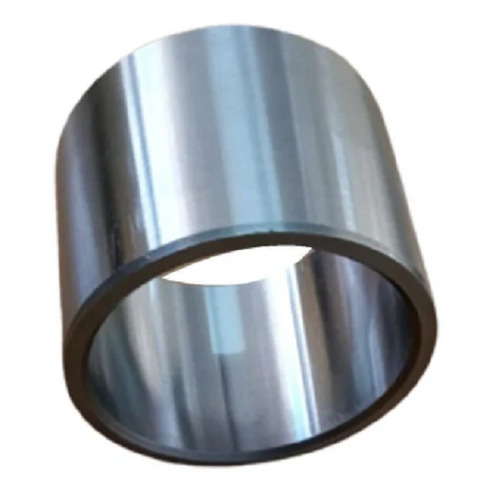
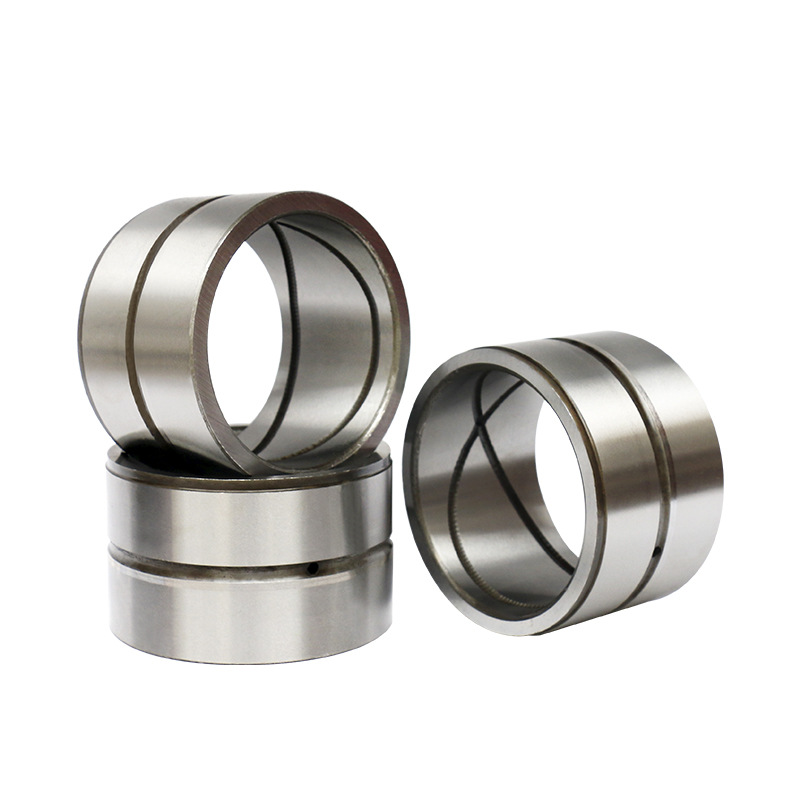
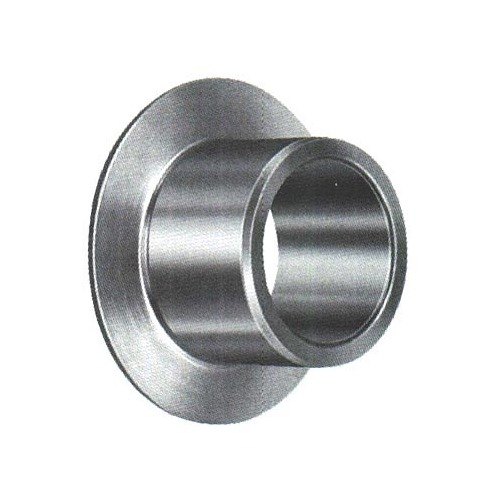
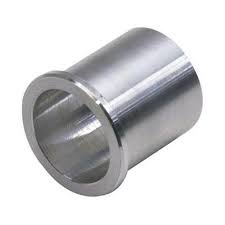
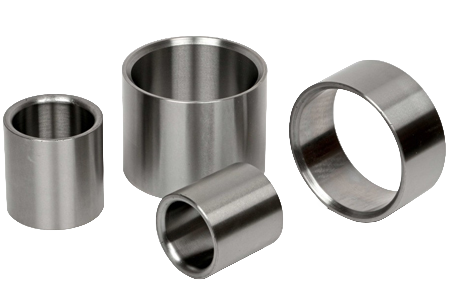
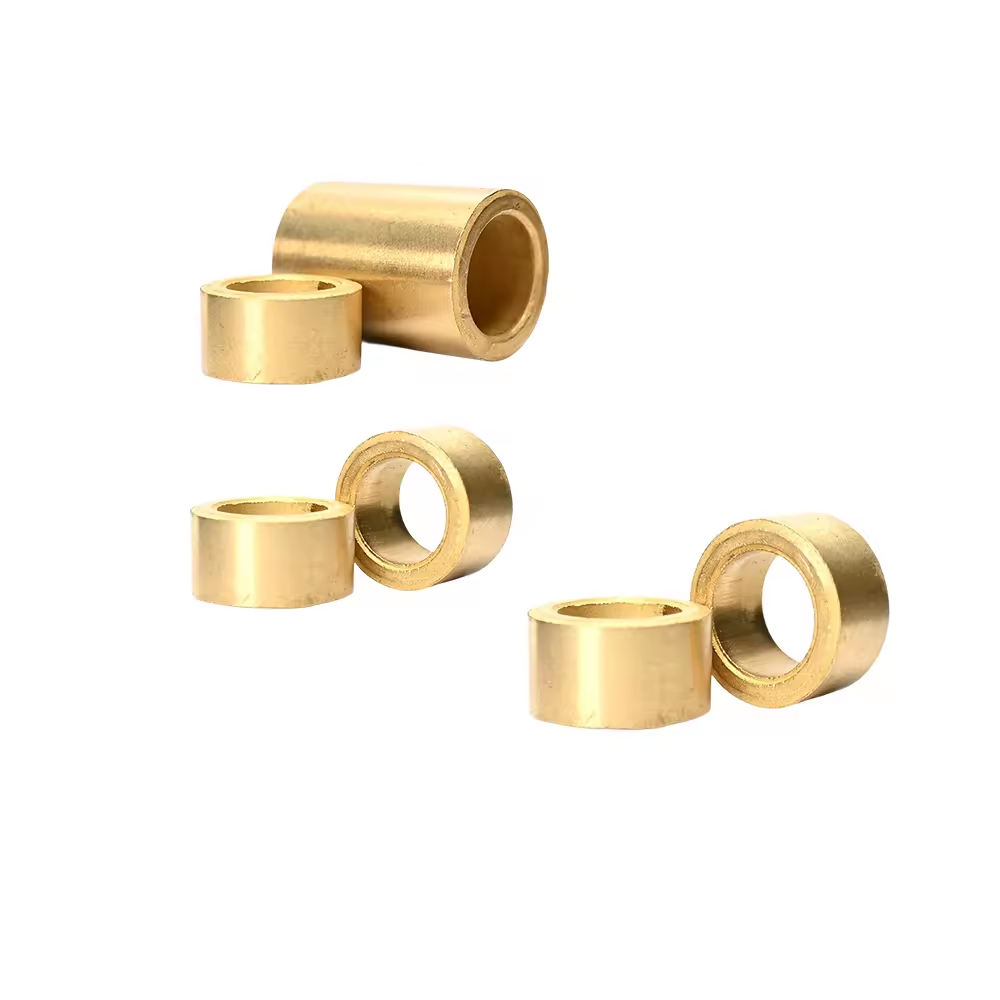
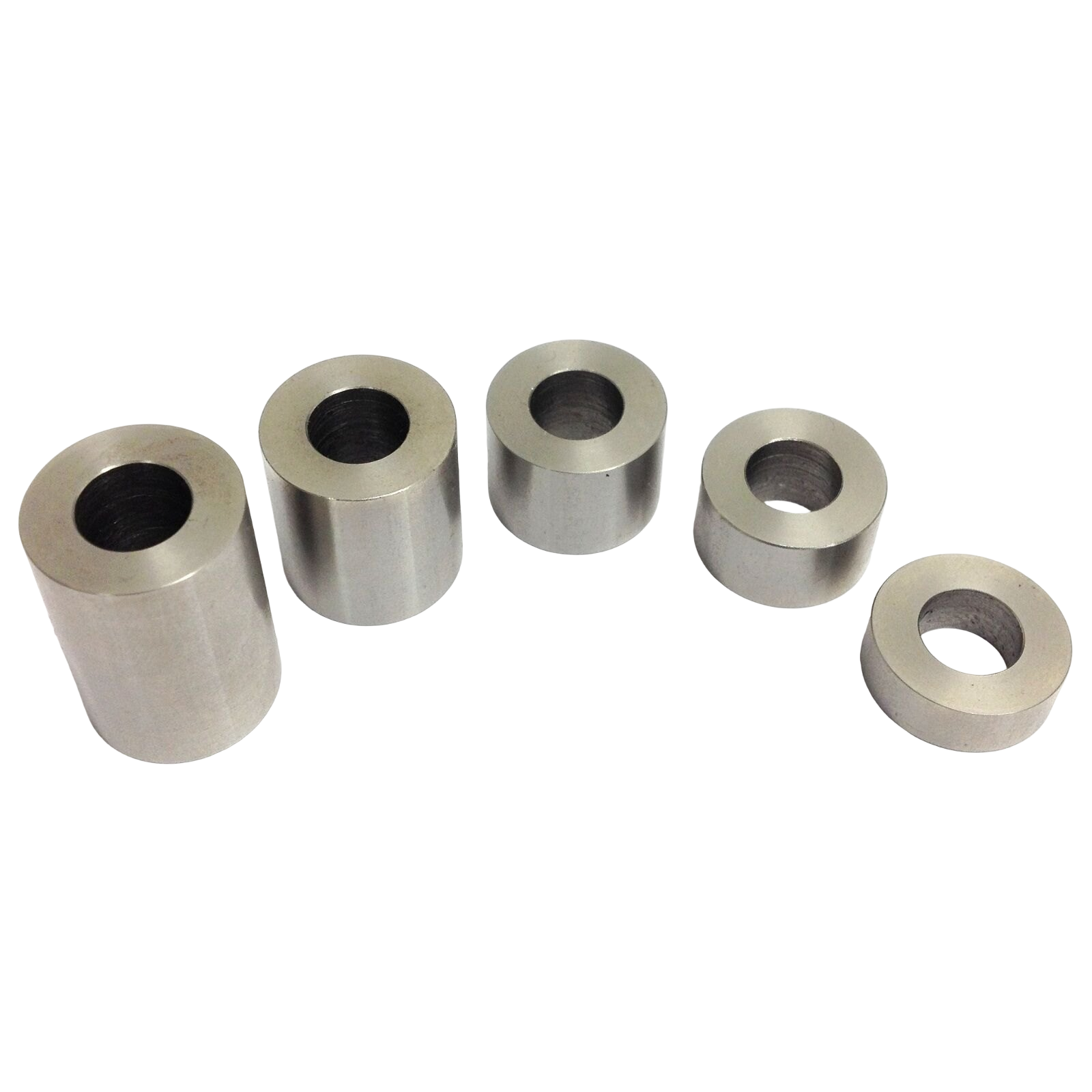
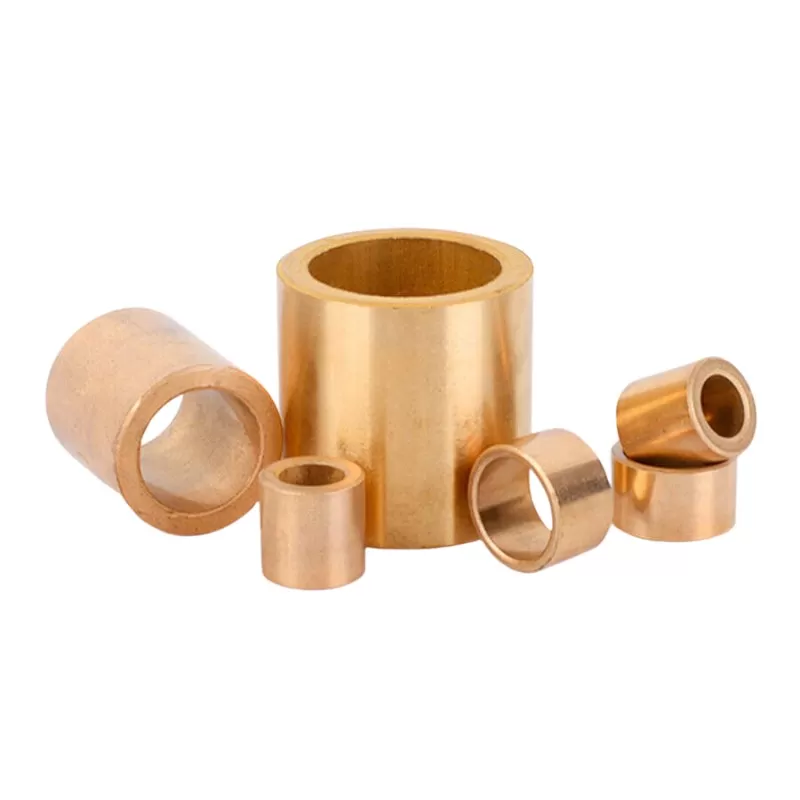
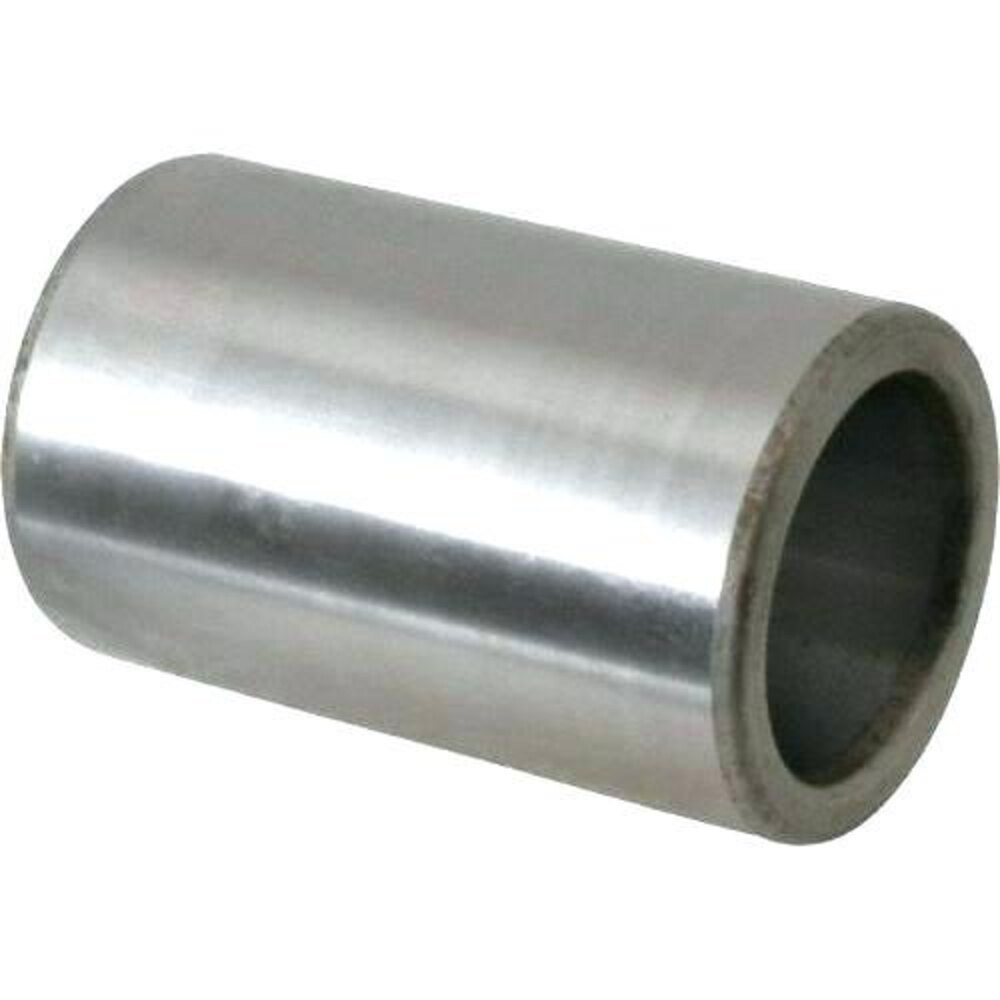
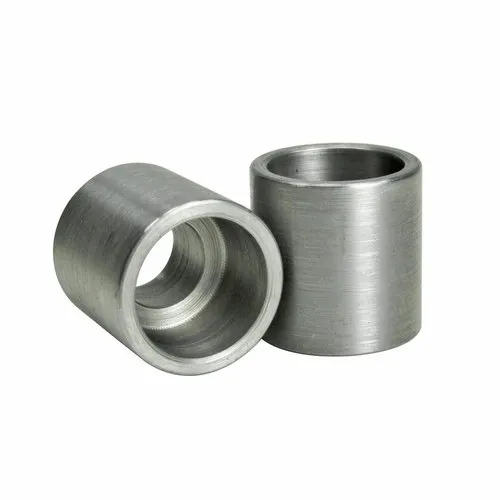
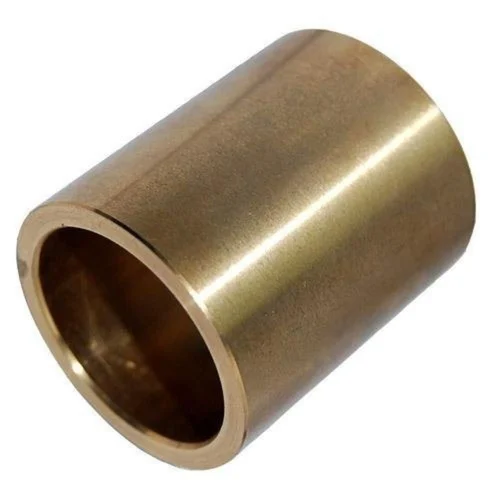
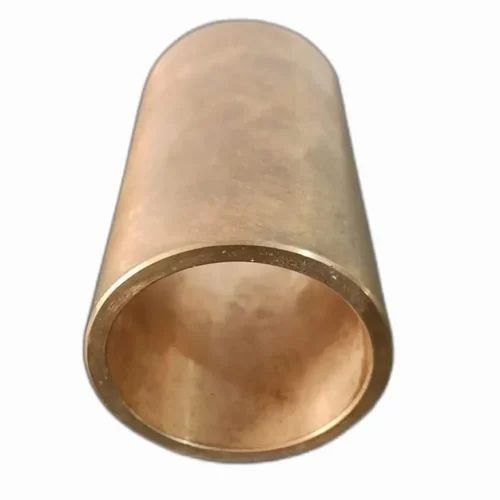
Metal BushingsMetal bushings are durable, precision-machined components made from materials like phosphor bronze, gunmetal, brass, steel, and cast iron. They support rotating shafts under heavy loads and are widely used in machinery, pumps, gearboxes, automotive components, and industrial equipment.
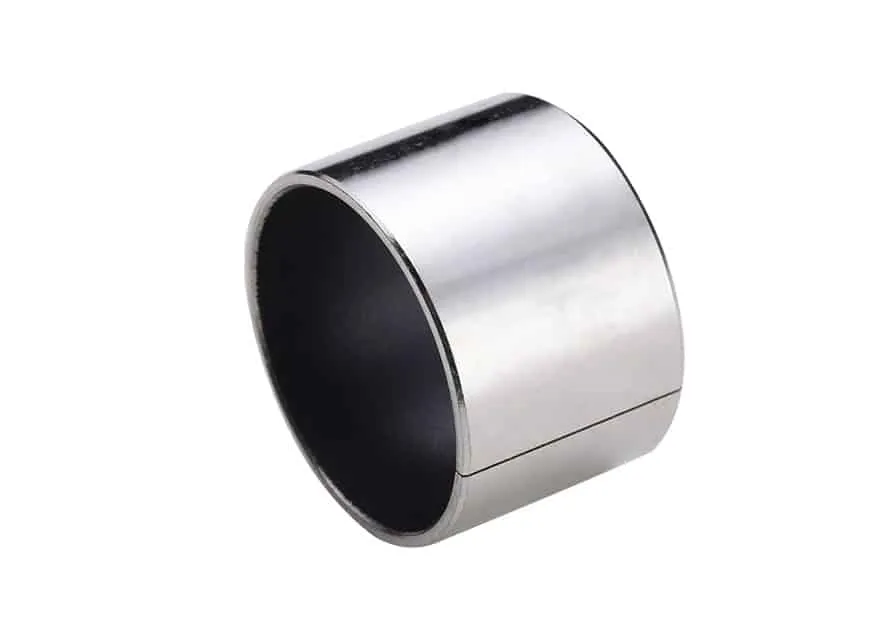
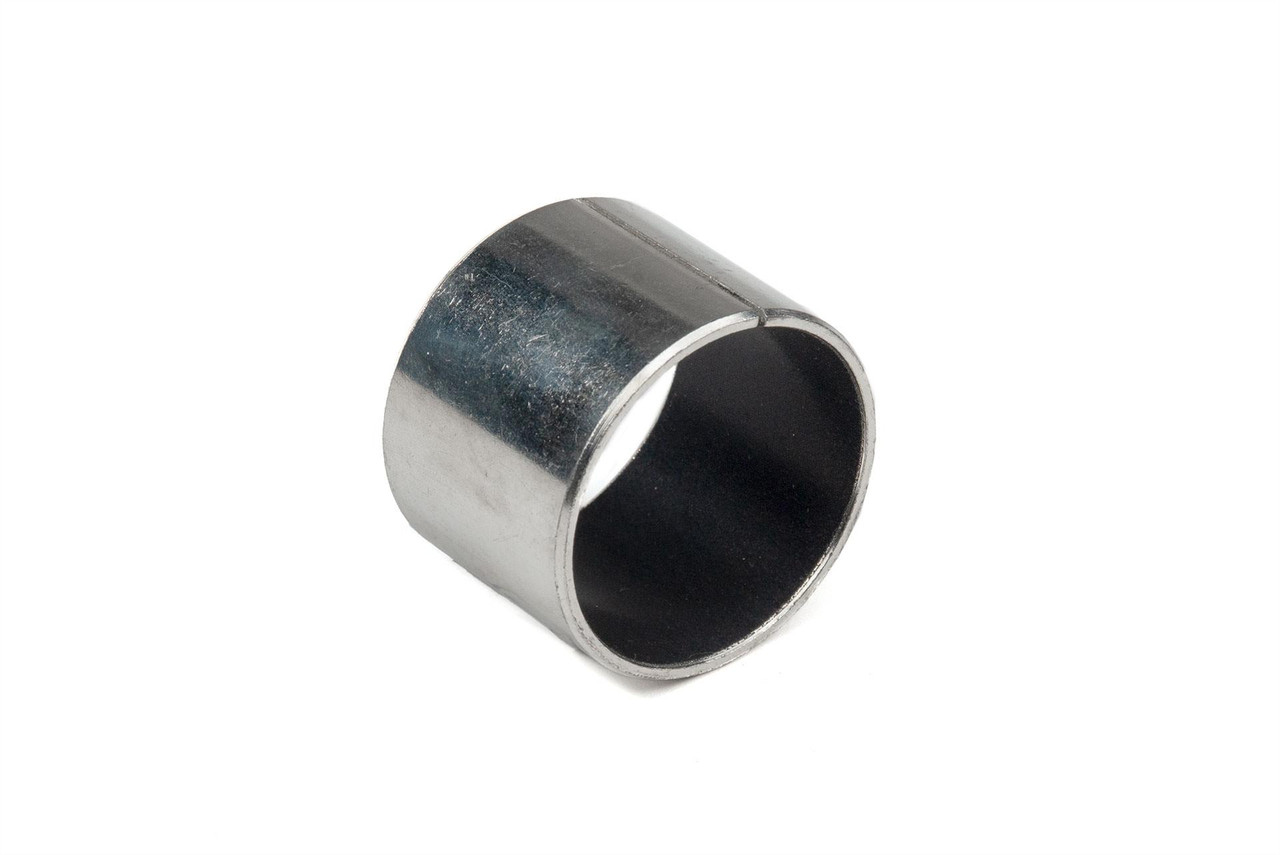
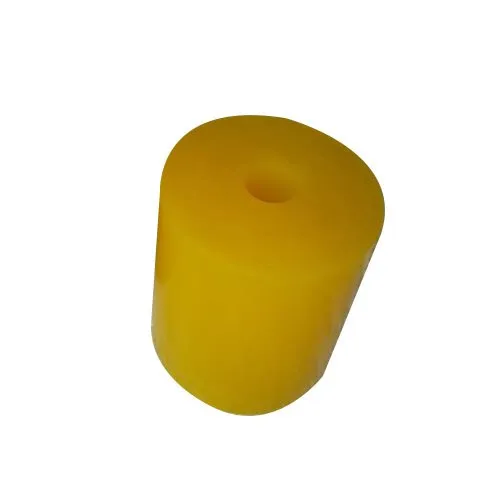
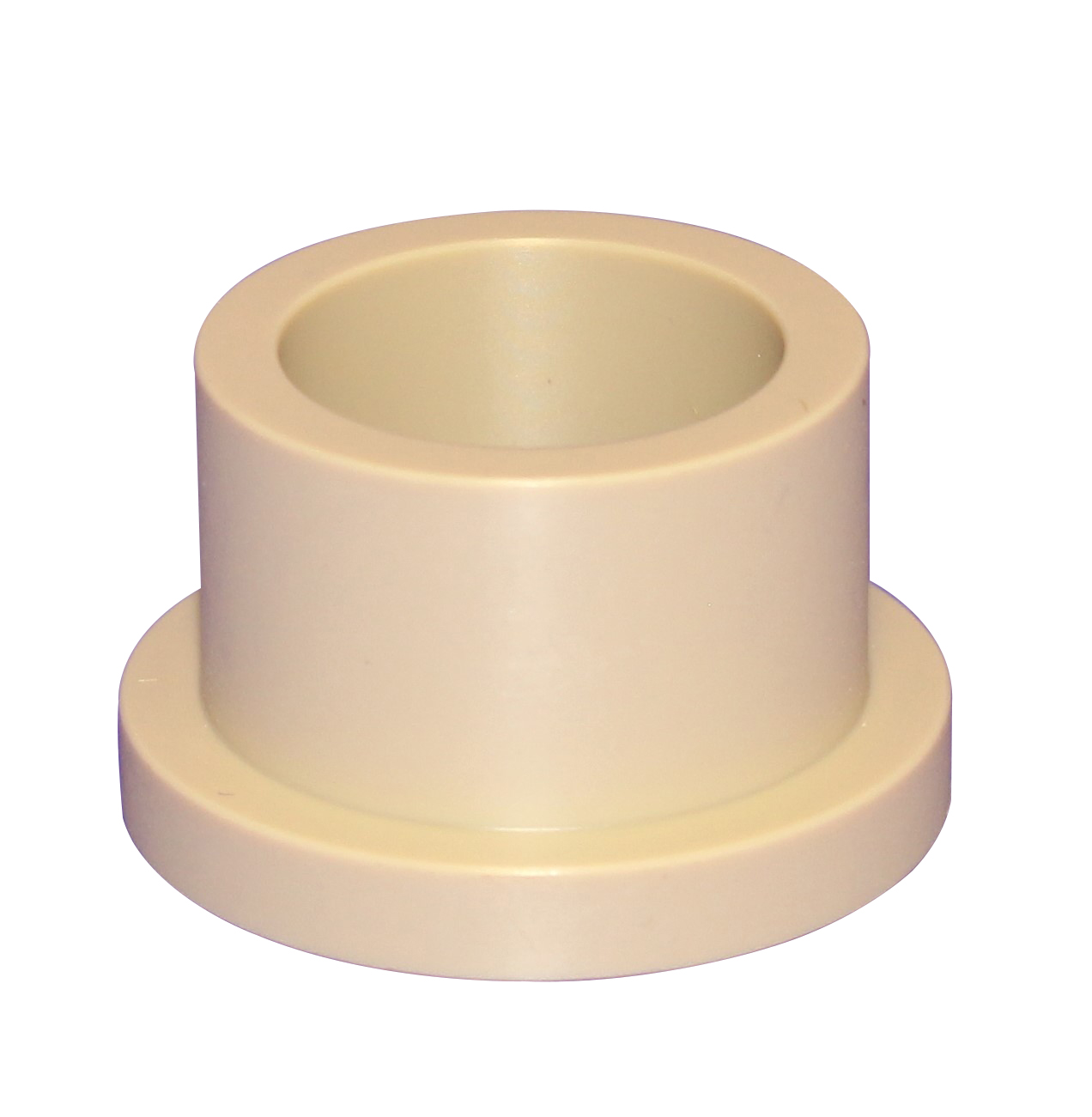
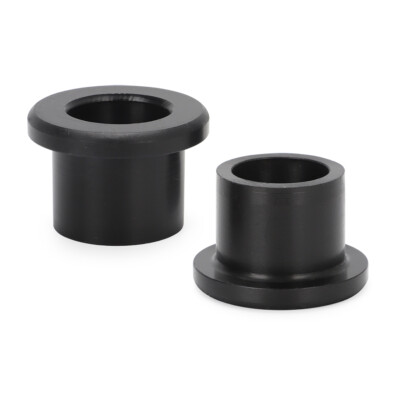
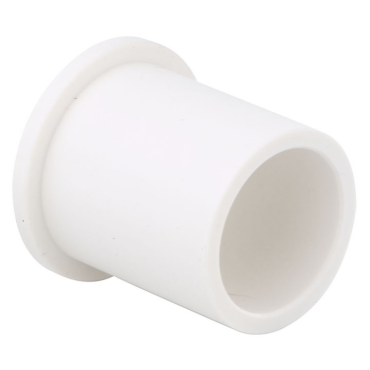
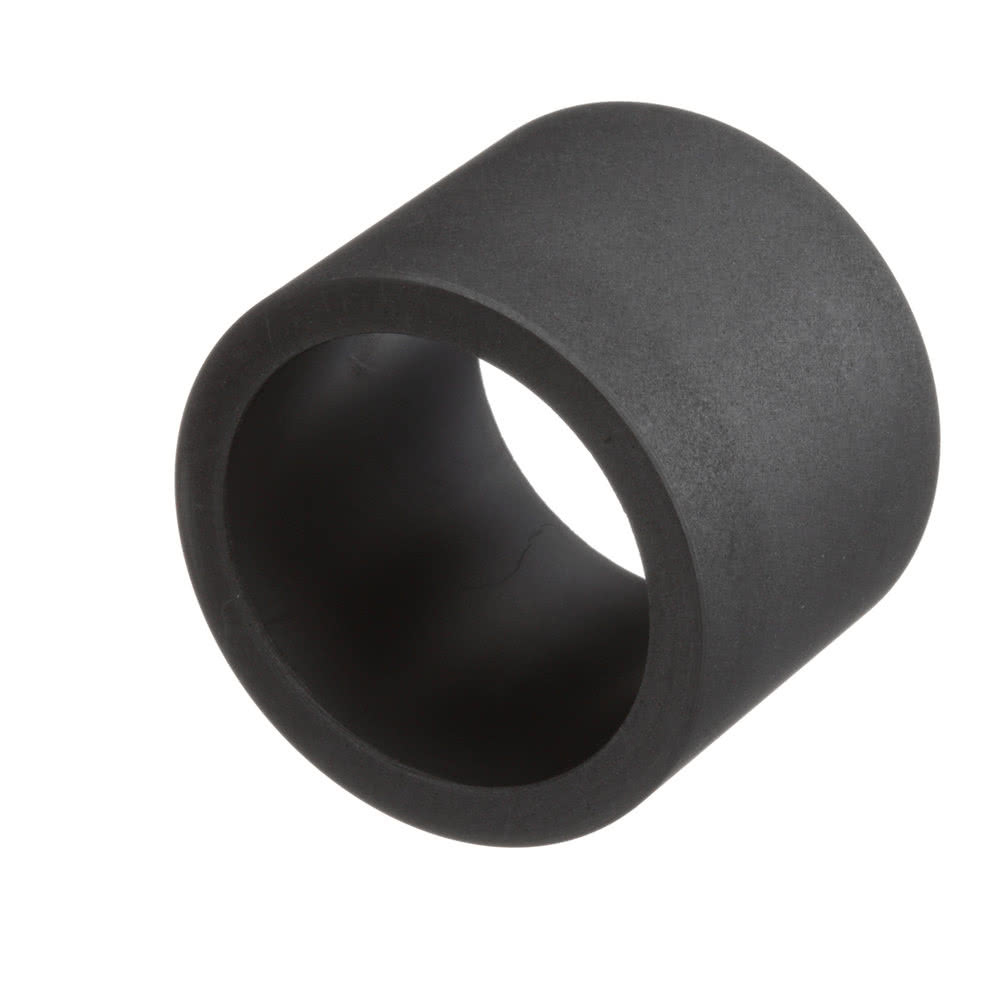
Polymer & Composite BushingsPolymer and composite bushings offer low friction, corrosion resistance, and lightweight performance using materials such as Nylon, PTFE, UHMW, PEEK, and DU/DX composites. Ideal for food machinery, automation systems, packaging machines, and chemical environments.
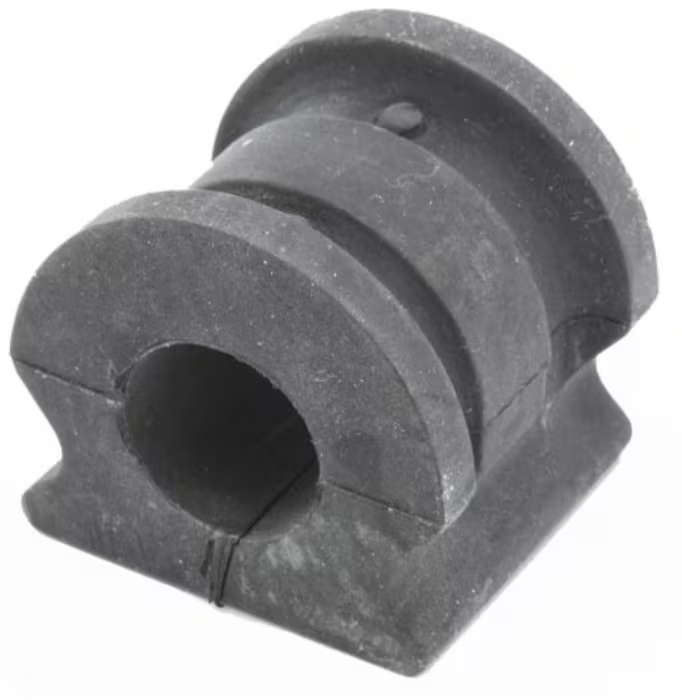
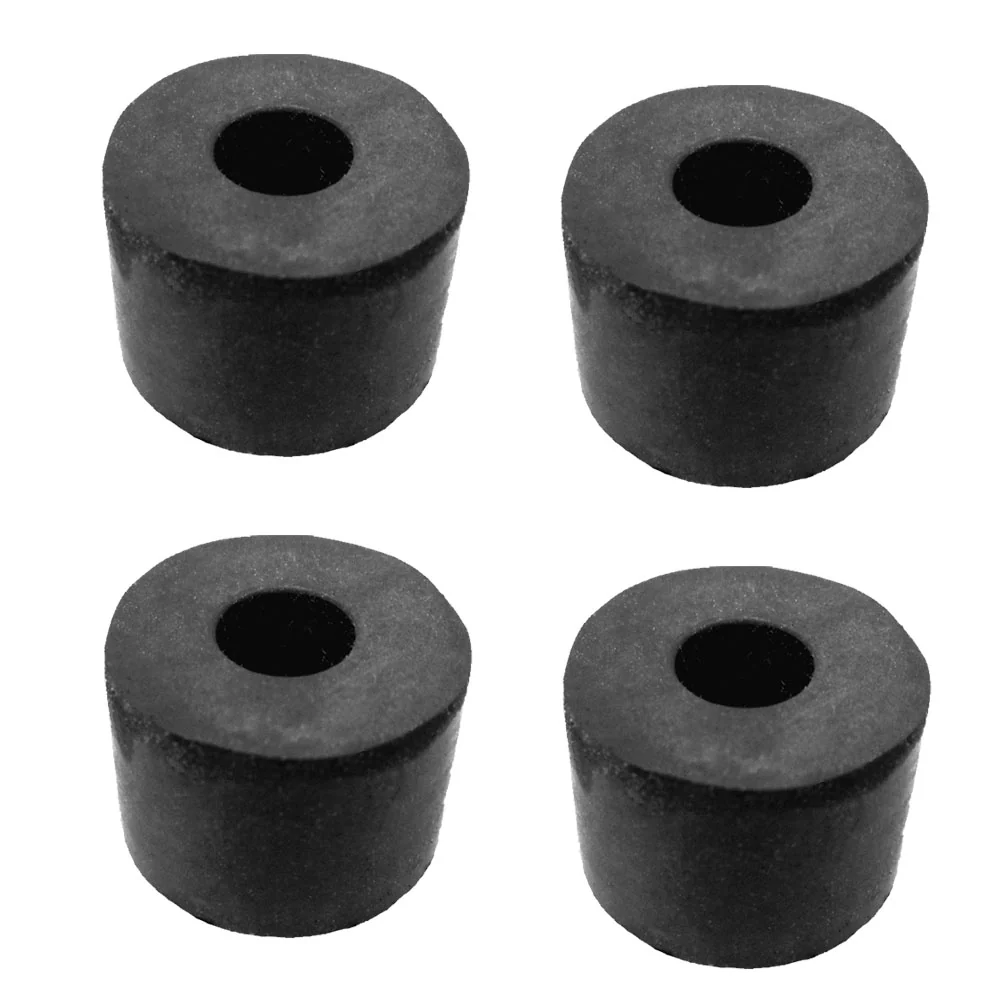
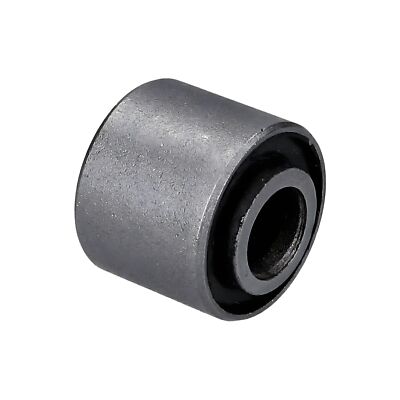
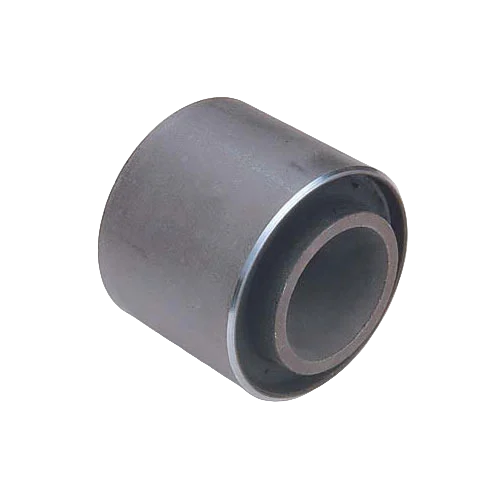
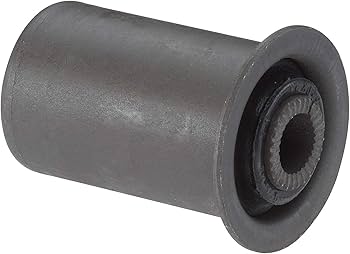
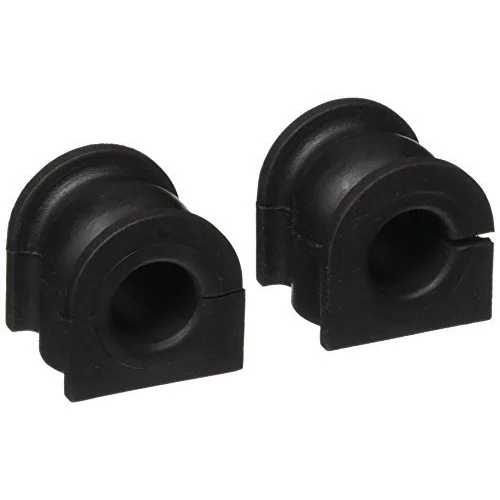
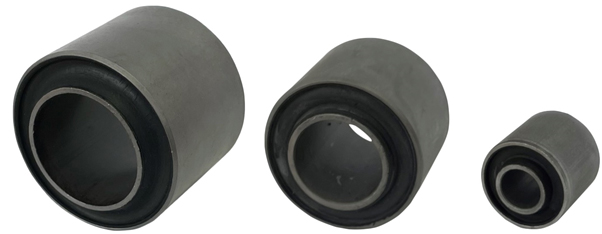
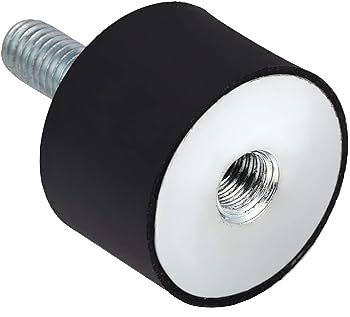
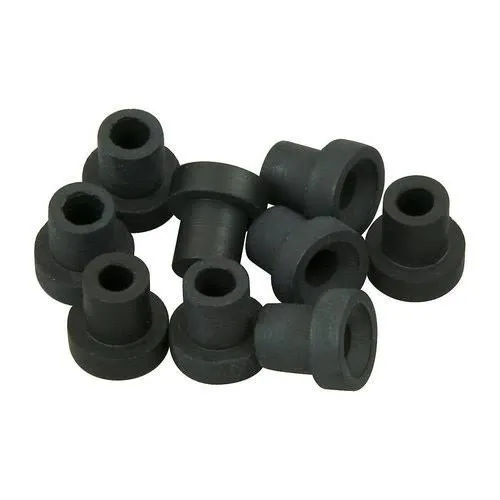
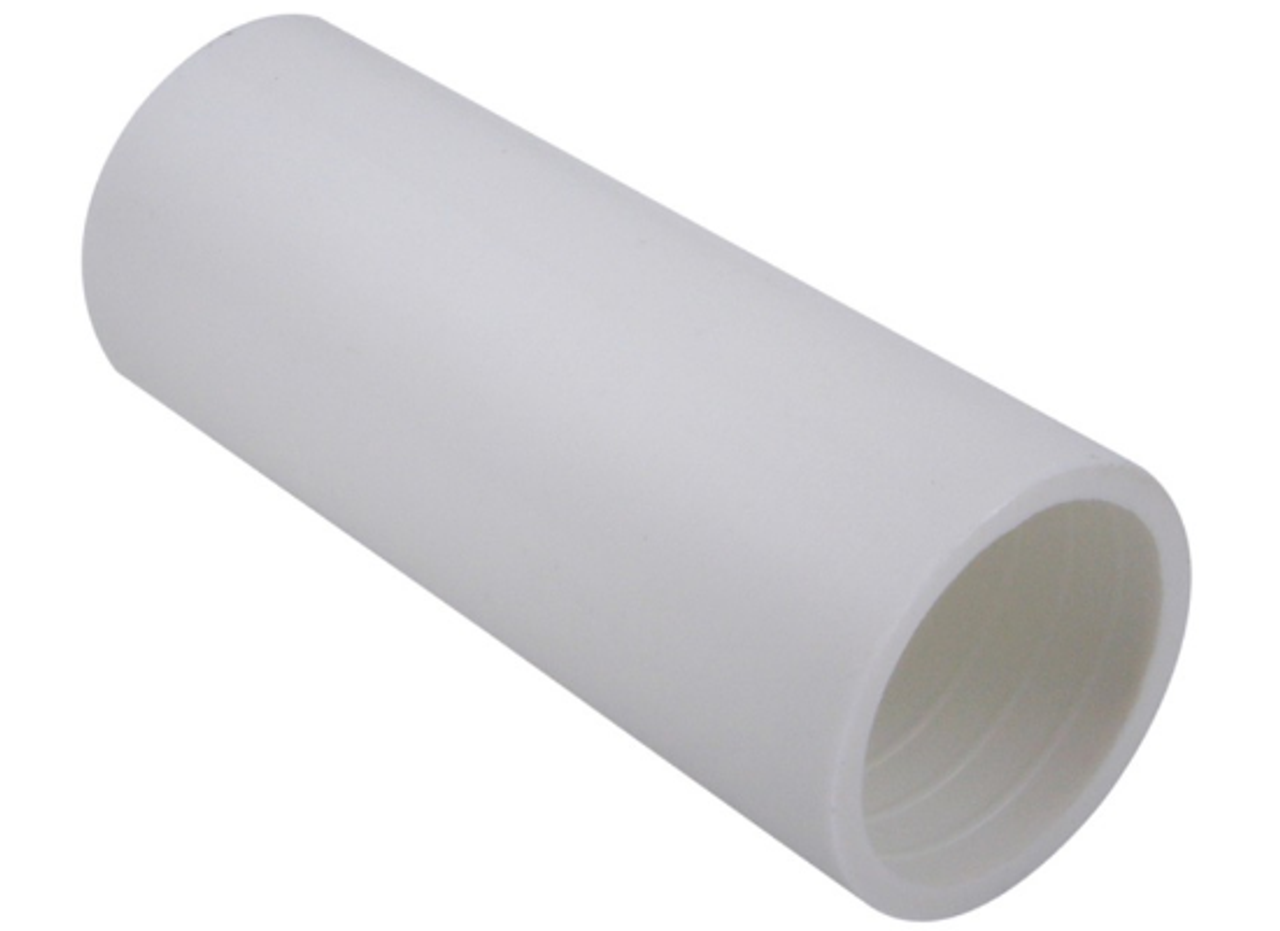
Rubber & Elastomer BushingsRubber and elastomer bushings provide vibration damping, shock absorption, and flexible joint support. Made from NBR, NR, EPDM, and Silicone, they are widely used in automotive suspension, compressors, HVAC systems, and general machinery isolation.
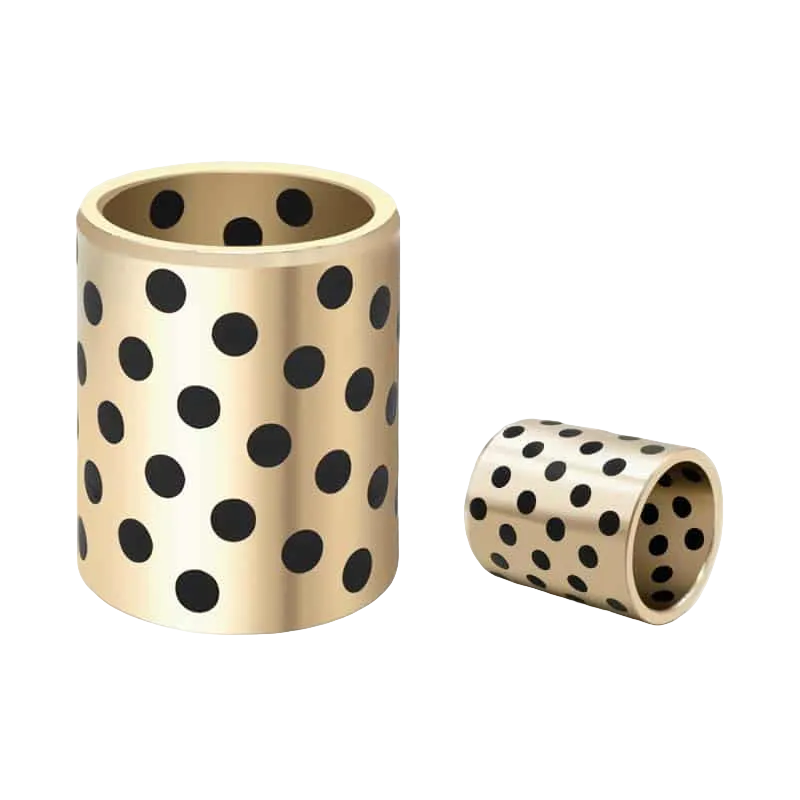
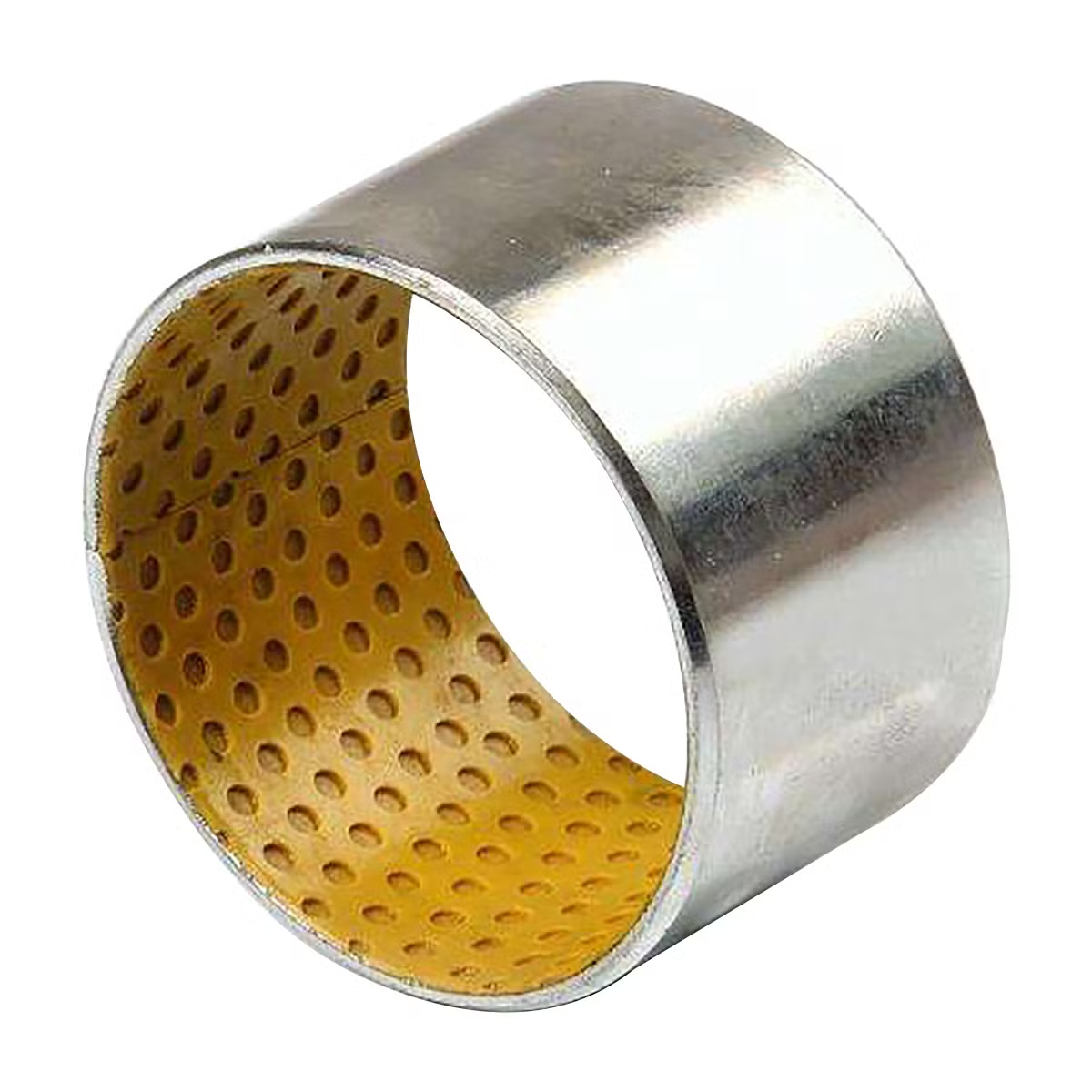
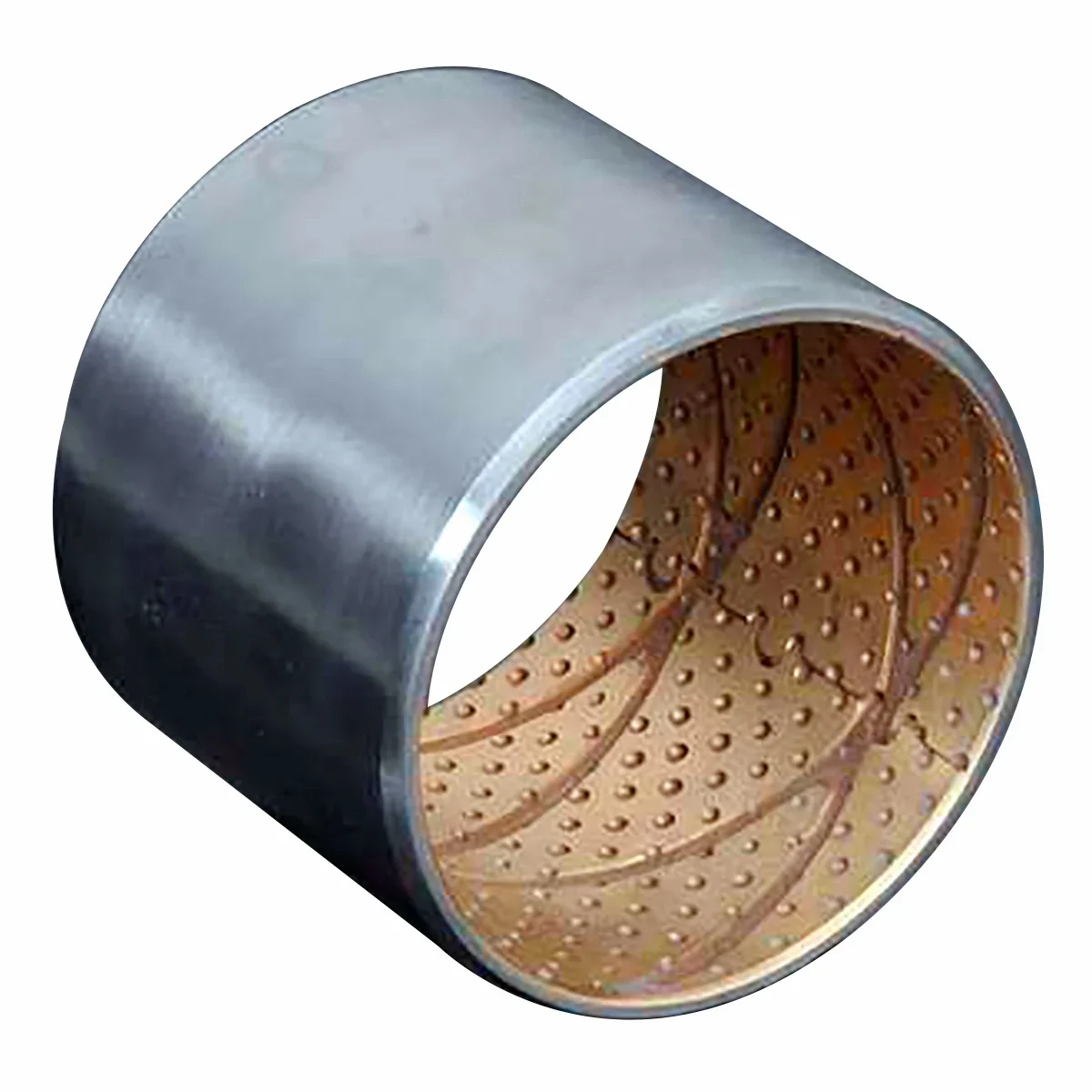
Self-Lubricating BushingsSelf-lubricating bushings are designed for maintenance-free performance using oil-impregnated bronze, graphite plugs, or PTFE linings. They deliver low-friction operation even under high loads and are used in pumps, motors, hydraulic cylinders, and industrial automation.
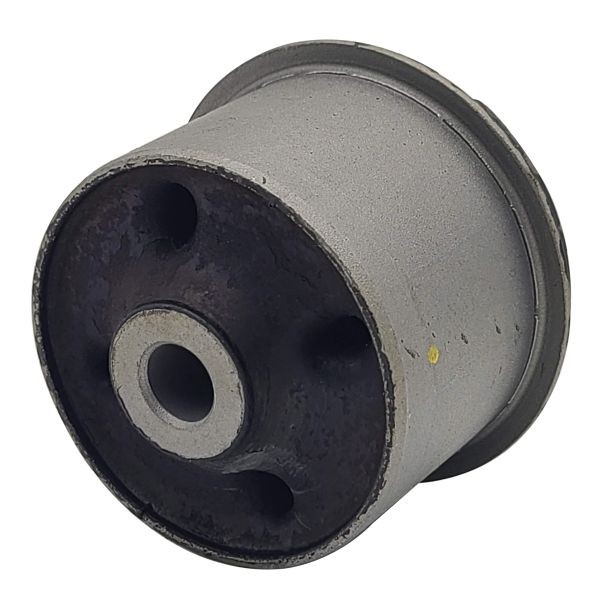
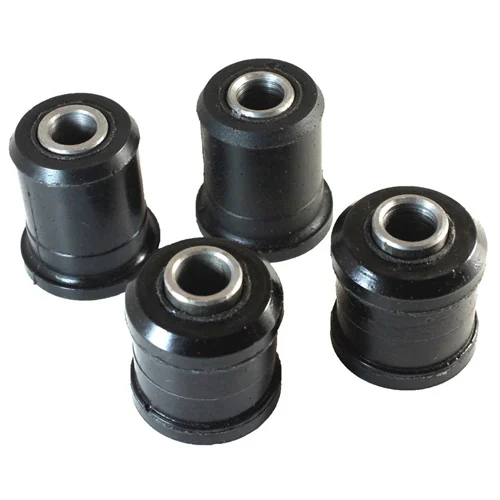
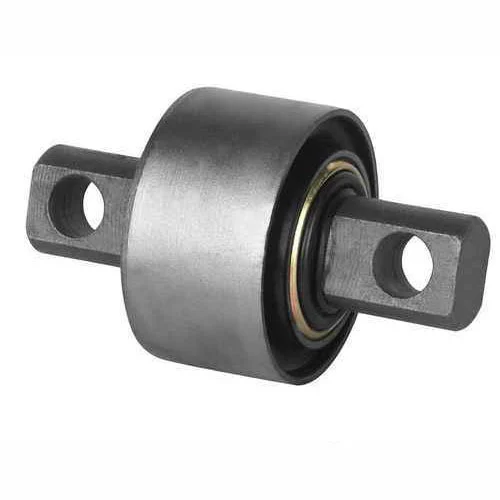
Automotive BushingsAutomotive bushings are rubber-metal or metal-poly bonded components that reduce vibration, absorb shock, and ensure smooth movement in vehicle chassis and drivetrain systems. Applications include torque rods, control arms, axles, stabilizer bars, and engine mounts.
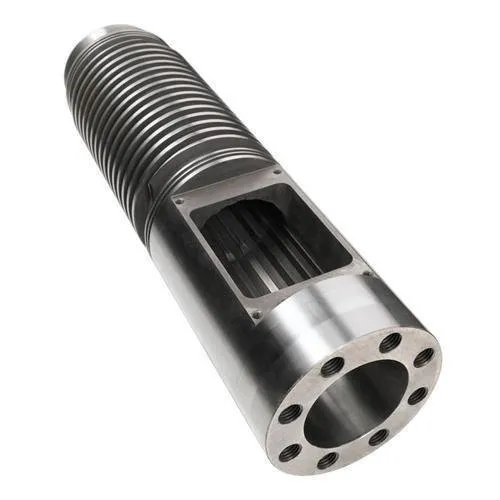
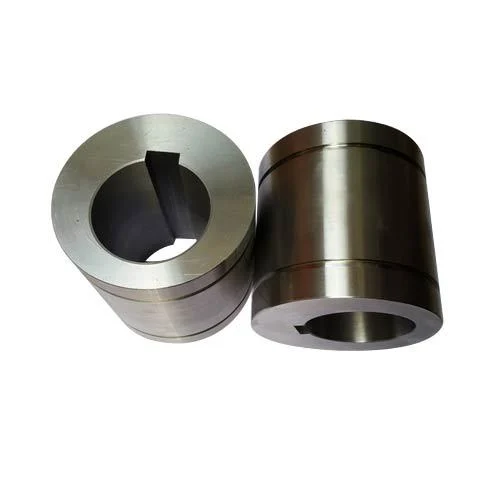
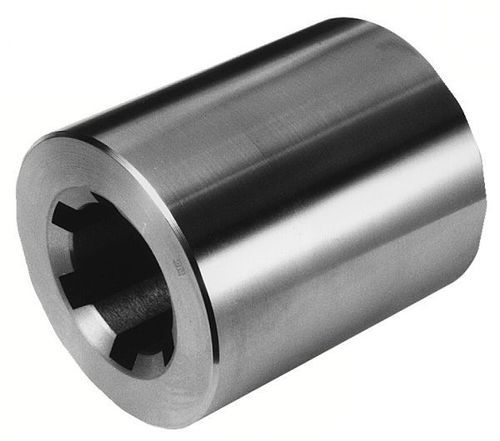
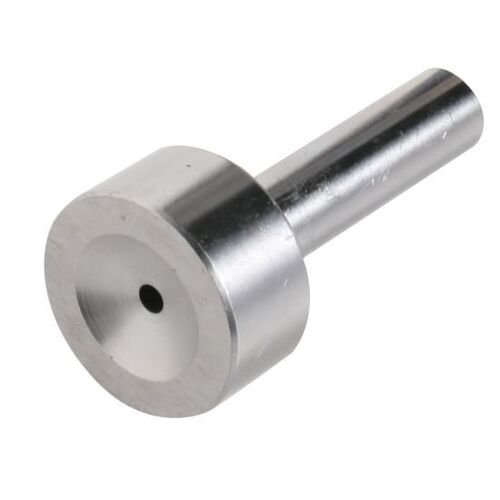
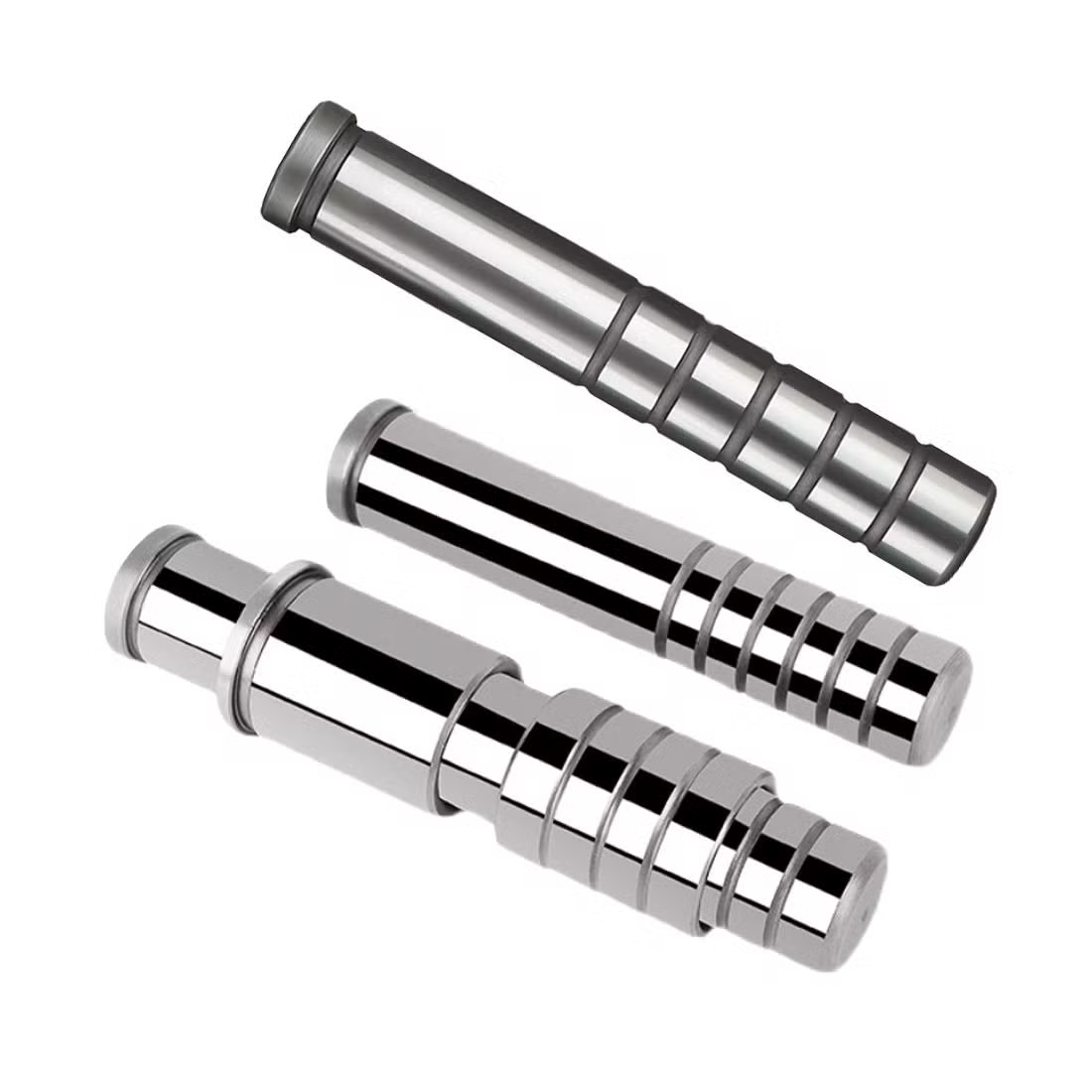
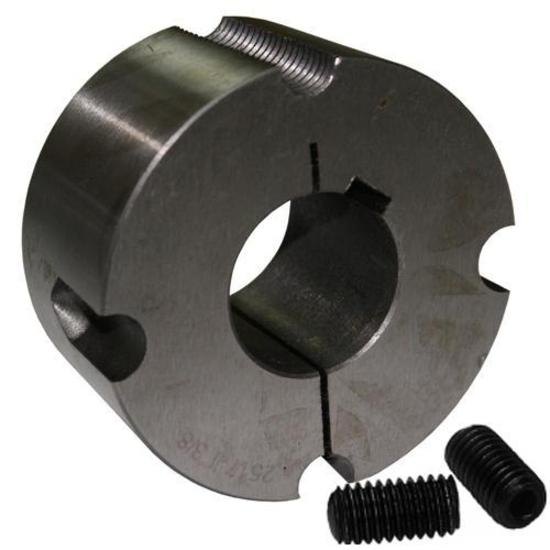
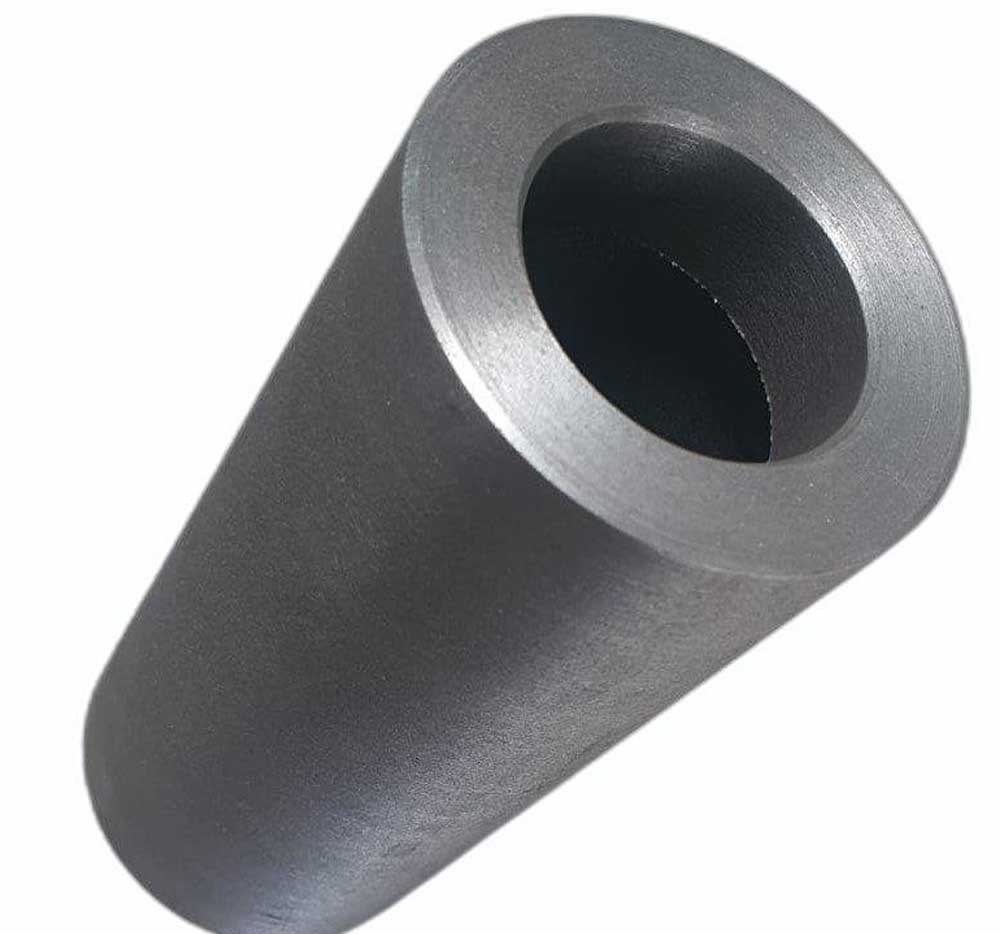
Machine & Industrial BushingsMachine and industrial bushings are precision-engineered components used in tooling, power transmission systems, die moulds, and industrial machinery. Includes collar bushes, taper lock bushes, guide bushes, hardened die bushes, and moulding bushes.
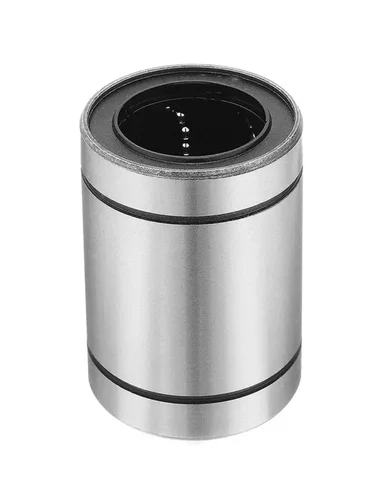
Linear Motion BushingsLinear motion bushings provide smooth, low-friction linear movement for CNC machines, robotics, automation systems, and precision equipment. Available in LM ball bush, plain polymer linear bush, guide block bush, and eccentric alignment bush designs.
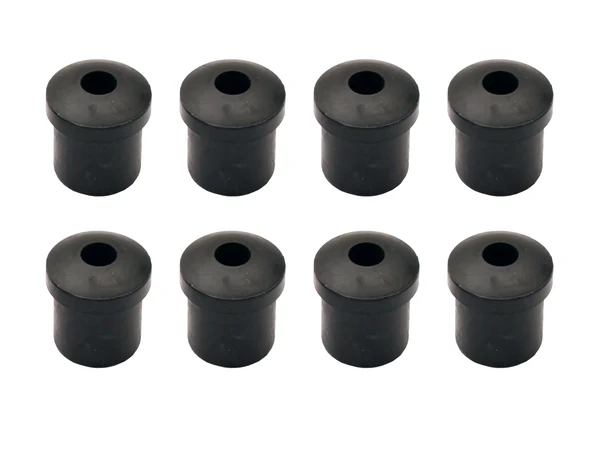
Suspension & Heavy Equipment BushingsHeavy-duty bushings designed for high load and rugged conditions in construction equipment, trucks, tractors, and off-road vehicles. Includes excavator bushes, shock absorber bushes, leaf spring bushes, and stabilizer bushes.
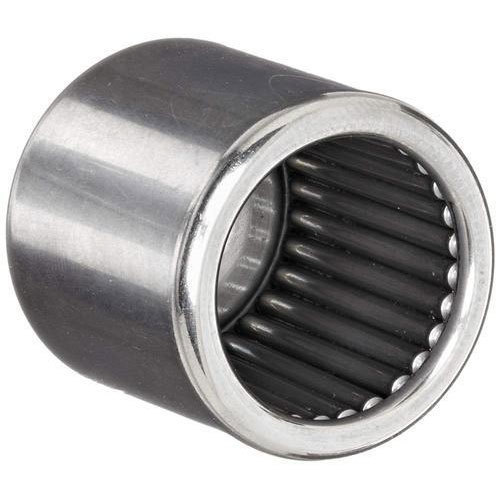
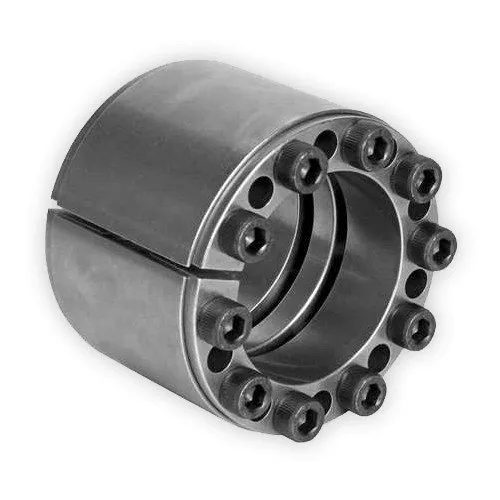
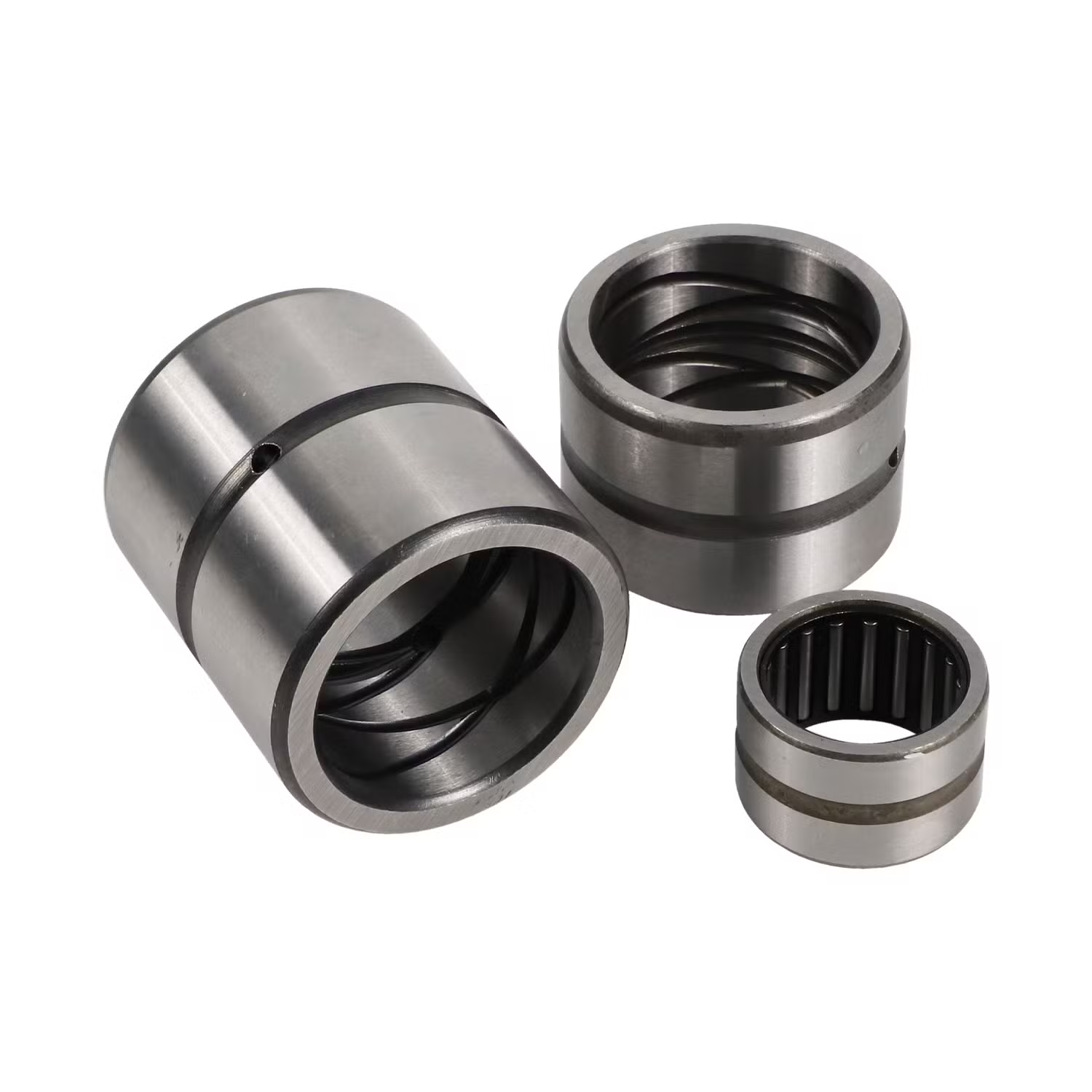
Special-Purpose BushingsSpecial-purpose bushings serve unique industrial functions such as keyless locking, lubrication flow control, shaft resizing, or thin-section load handling. Includes keyless bushes, groove-feed bushes, ring bushes, bearing bushes, needle bushes, and conversion bushes.
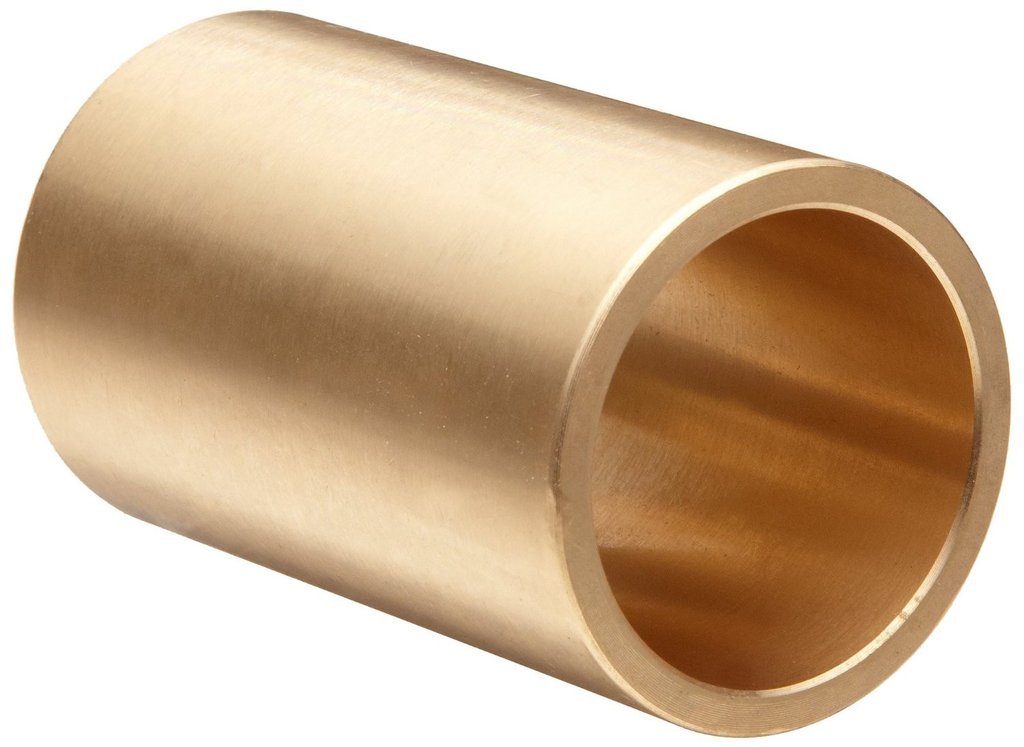
Bushings are plain bearing sleeves that provide a low-friction sliding interface between a shaft and its housing, carrying radial or, in flanged form, combined radial and thrust loads without rolling elements. They are used across machinery, automotive suspension and steering, pumps, hydraulics, construction equipment and general engineering wherever a compact, quiet, shock-tolerant bearing is preferred to a rolling bearing. This branch spans the main plain-bearing families: solid and wrapped bronze bushes, oil-impregnated sintered bronze (oilite type), metal-polymer composite bushes with a steel back, sintered bronze interlayer and PTFE running layer (DU type), self-lubricating wrapped bronze with solid-lubricant plugs, and engineered-plastic bushes. Dimensions and wall sections commonly follow ISO 3547 for wrapped bushes, with composite types also referenced to DIN 1494; selection turns on PV value, surface speed, load and the lubrication regime. Materials and grades range across leaded and lead-free bronzes, sintered bronze with oil reservoirs, steel-backed PTFE composites, and reinforced polymers, with surfaces such as tin or copper plating and solid-lubricant graphite or PTFE inserts to suit dry, marginally lubricated or greased running. Configuration covers cylindrical, flanged, thrust-washer and split forms, with bore and outside-diameter fits, wall thickness and chamfers set for the press-fit and shaft clearance. At Himalay, bushings are supplied against your drawing or sample with alloy or composite grade, wall section and lubrication type agreed in advance; material certificates such as EN 10204 3.1, dimensional reports and RoHS or REACH declarations can be provided where specified, and any plating or self-lubricating treatment is coordinated as part of the standard order flow.