Polymer & Composite Bushings
Source polymer & composite bushings from India's verified manufacturers and exporters on Himalay. Browse the full range for industrial and export applications.
About Polymer & Composite Bushings
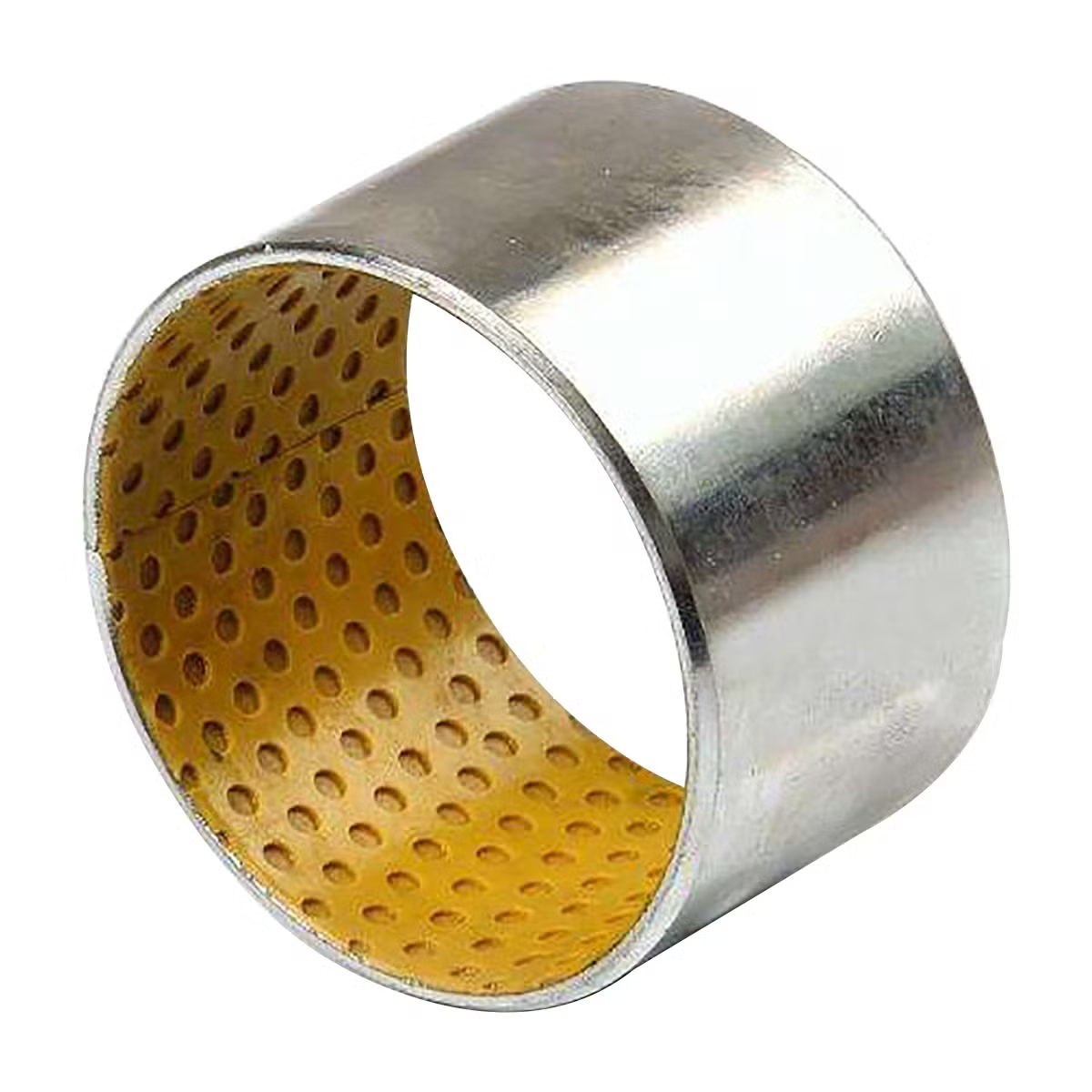
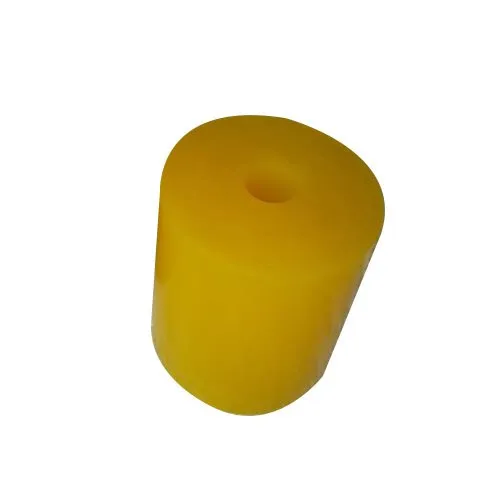
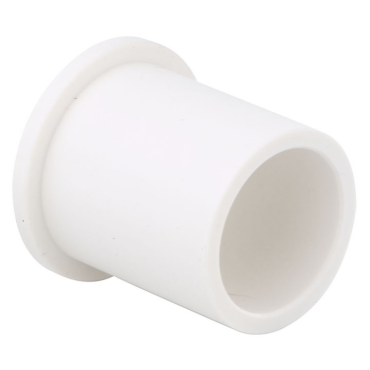
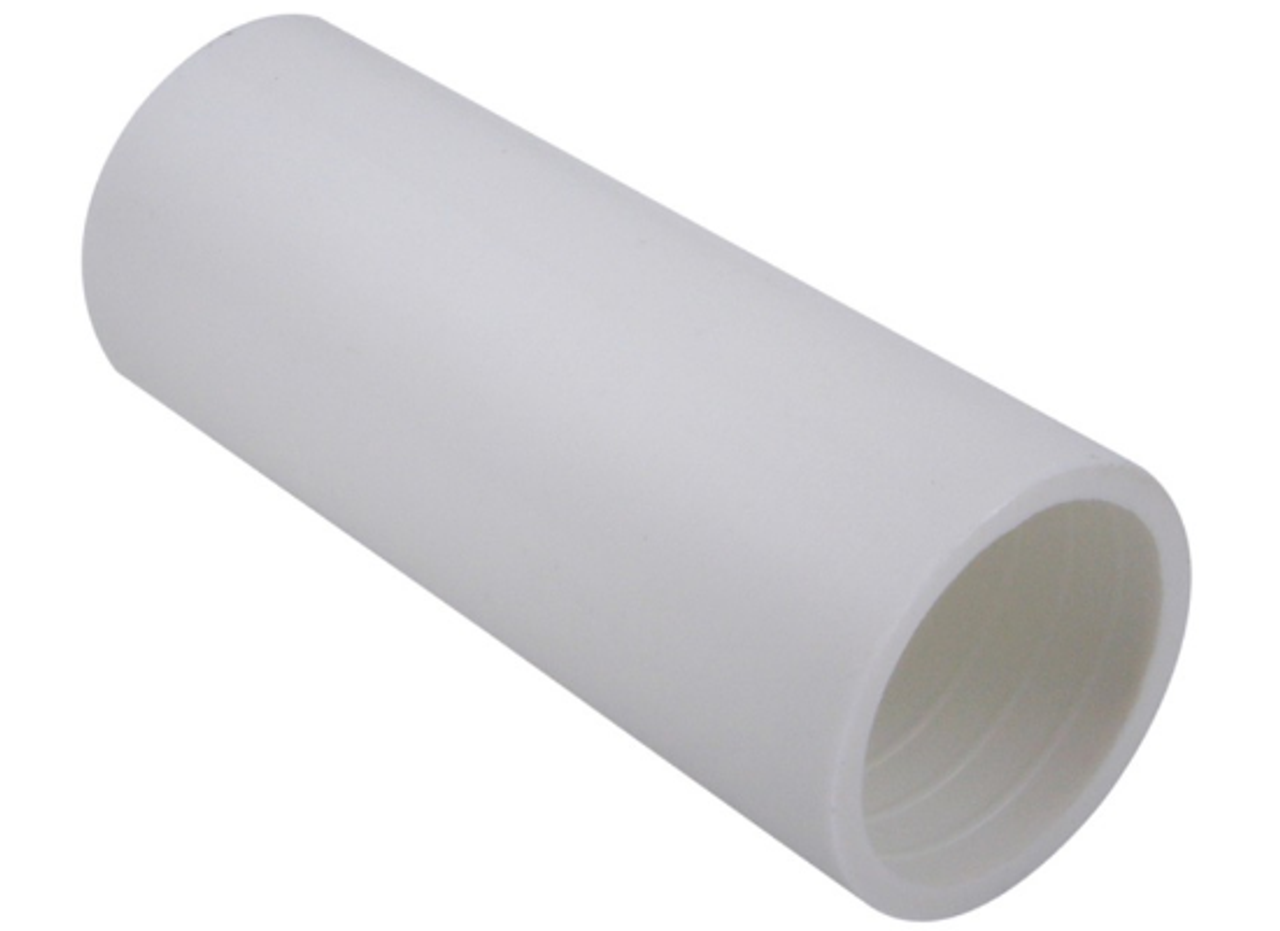
Polymer composite bushings are plain bearings made from engineering plastics or fibre-reinforced composites — such as filament-wound glass/aramid epoxy, PTFE-filled polymers, acetal, nylon and PEEK — chosen for corrosion immunity, light weight, electrical insulation and dry or marginally lubricated running. They suit water and chemical service, marine and hydropower equipment, food and packaging machinery, and applications where metal bushes would corrode or where maintenance-free operation is required.
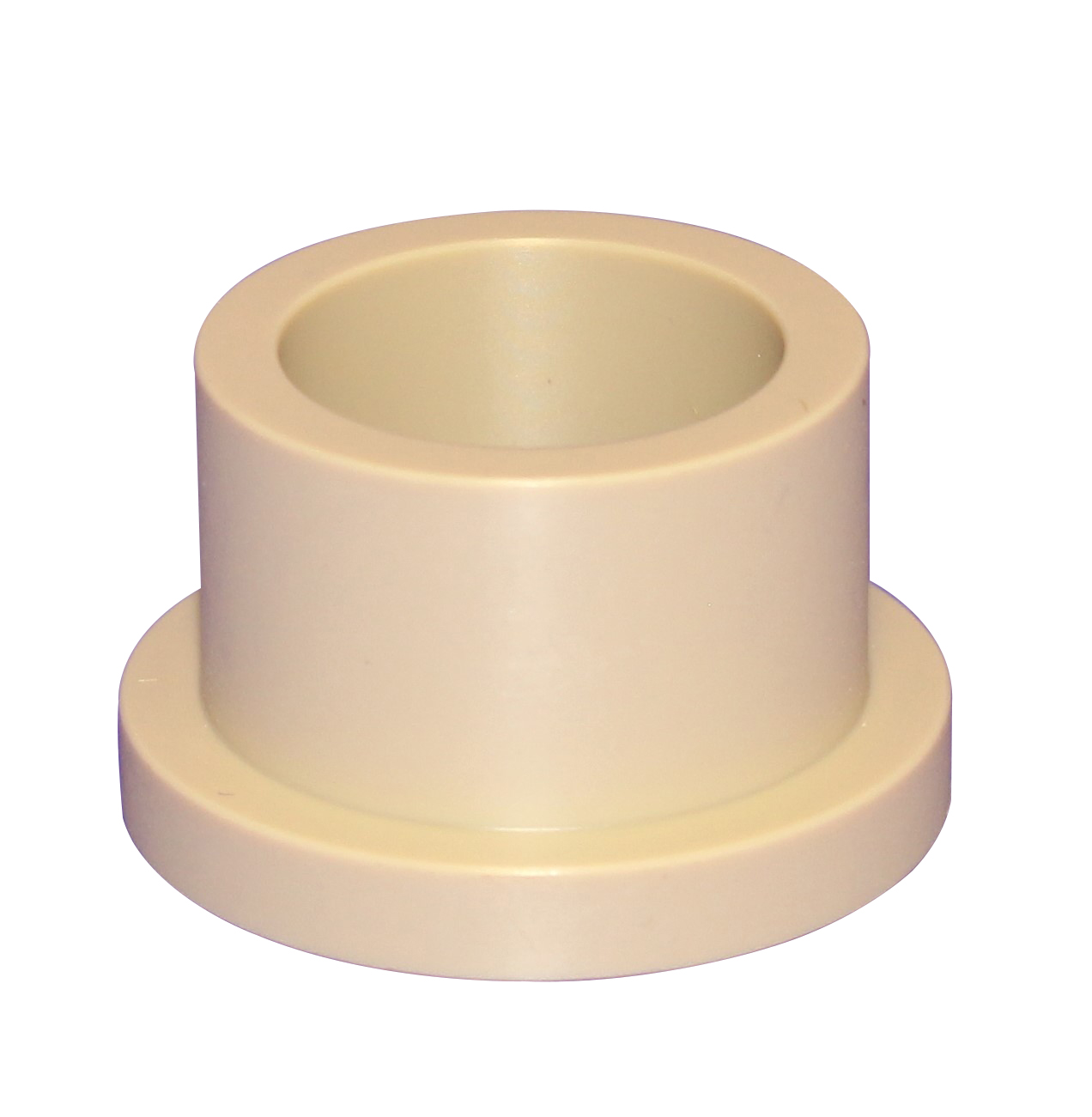
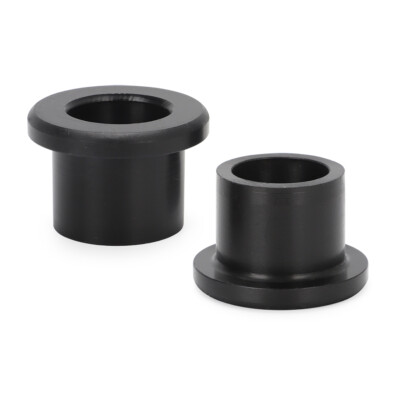
Metal-polymer and solid-polymer bushes are commonly dimensioned in line with ISO 3547 for interchangeability; types include cylindrical, flanged, thrust washers and wear strips. Key specs cover bore and outside diameter tolerances (with allowance for moisture and thermal expansion in some polymers), wall thickness, and the load/speed (PV) limit, which governs whether dry or lubricated running is viable.
Materials are selected by chemical exposure, load, temperature and water absorption — filament-wound composites for high load and edge-loading tolerance, PTFE and acetal blends for low friction, PEEK for high temperature — often with internal solid lubricants such as graphite, MoS2 or PTFE dispersed through the matrix. Reinforcement (glass, carbon or aramid), resin system and any liner are defined per the application. Because composites tolerate edge loading and shock better than thin metal-polymer liners, they are often chosen for misaligned or heavily loaded pivots.
Dimensional behaviour, wear rate and chemical compatibility are normally agreed against the drawing and service data. Himalay coordinates material traceability and EN 10204 3.1-type or supplier material certificates, dimensional verification, and where relevant water-absorption, friction and FDA/food-contact or RoHS/REACH declarations as specified, handled as part of the standard order flow.