Rubber & Elastomer Bushings
Source rubber & elastomer bushings from India's verified manufacturers and exporters on Himalay. Browse the full range for industrial and export applications.
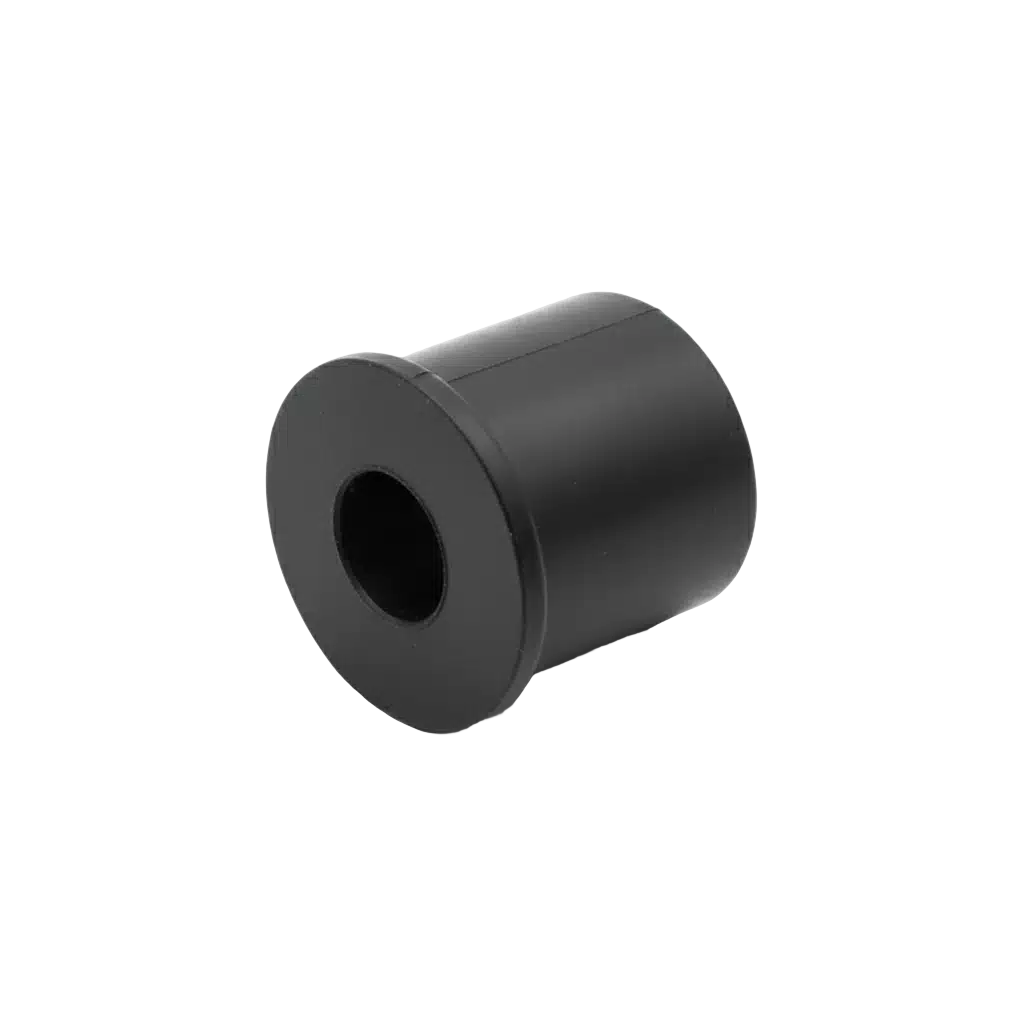
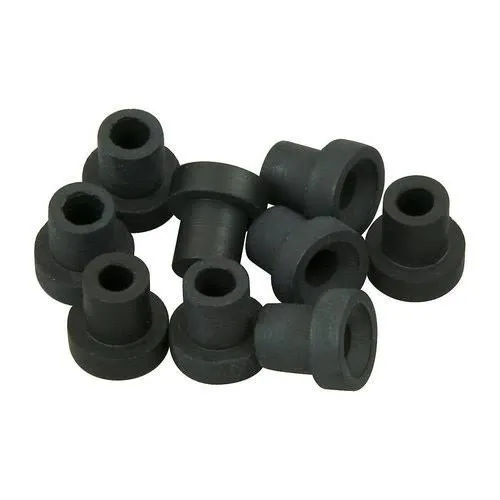
About Rubber & Elastomer Bushings
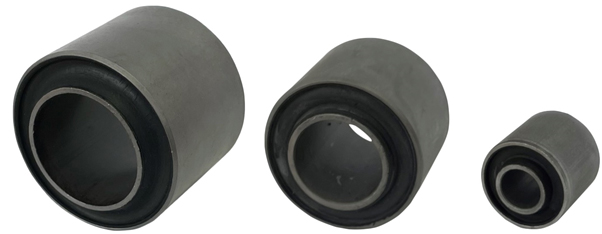
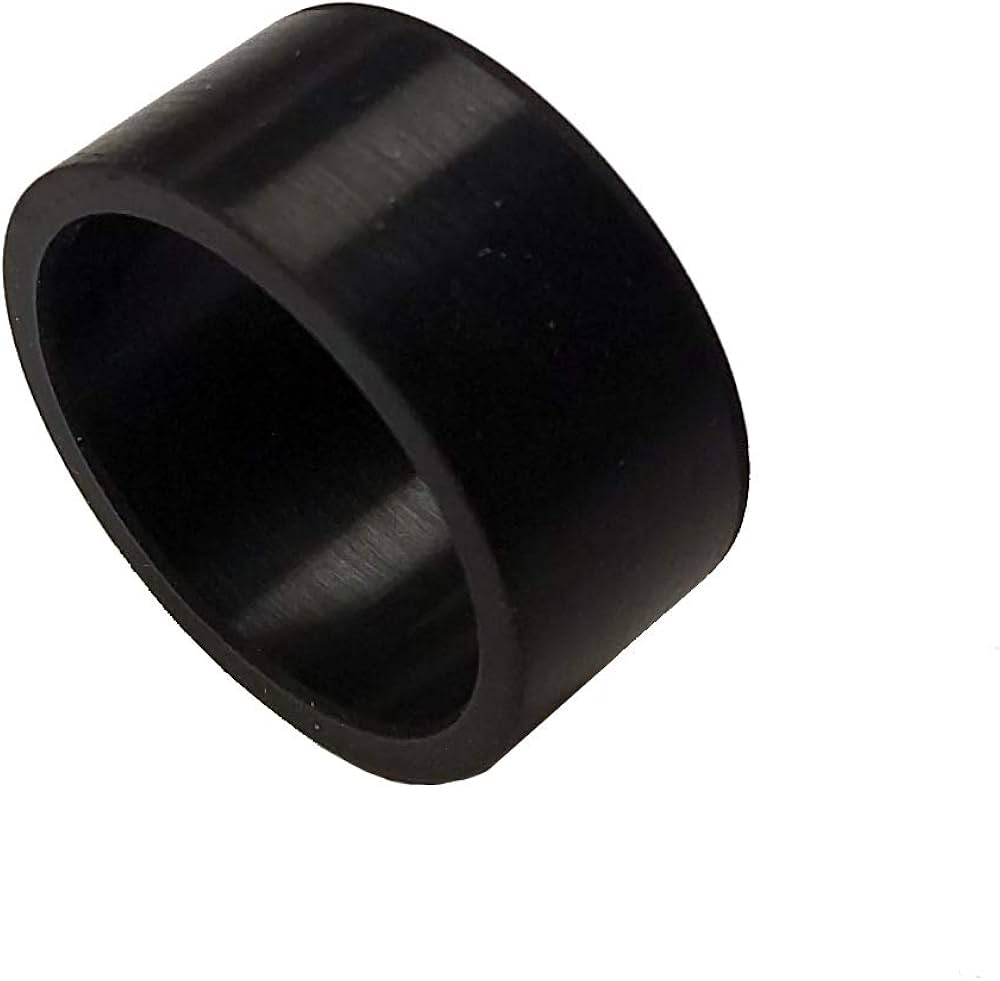
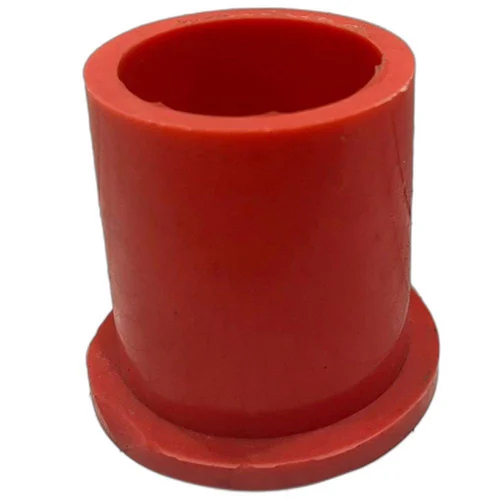
Rubber elastomer bushings are bonded metal-and-rubber assemblies that isolate vibration, accommodate misalignment and control compliance in suspension, mounting and linkage joints. By deflecting in shear and compression rather than sliding, they damp noise and shock while locating a pivot, which makes them central to automotive suspension, engine and cab mounts, industrial machinery isolation and agricultural equipment.
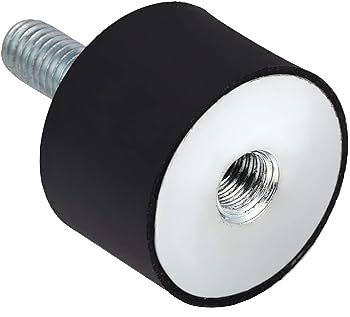
Typical forms are cylindrical bush-in-sleeve assemblies, voided or fluid-filled (hydro) bushes, and bonded mounts, generally built to customer drawings rather than a single dimensional standard, though rubber test methods follow ISO/ASTM practice. Key specs cover radial, axial, torsional and conical stiffness rates, the rubber-to-metal bond, and the inner/outer sleeve fit; stiffness is tuned by rubber compound, hardness and the geometry of voids.
Elastomers are selected by environment and dynamic duty — natural rubber for high damping and fatigue, NBR for oil resistance, EPDM for weather and ozone, and silicone or HNBR for temperature — with hardness specified in Shore A. Metal sleeves are steel or aluminium with phosphate, zinc or e-coat protection, and adhesive bonding systems are matched to the compound to hold the rubber-to-metal bond through dynamic load. Voids, interrupts and progressive-rate profiles let the same envelope deliver different stiffness in different directions for tuned vehicle dynamics.
Stiffness rates, bond integrity and durability are normally agreed against the drawing and test spec. Himalay coordinates material traceability and EN 10204 3.1-type certificates for the metal parts, rubber compound and hardness data, static/dynamic stiffness and bond (peel) test reports, plus RoHS/REACH and IATF-16949-aligned documentation where specified, handled as part of the standard order flow.