Castings & Forgings
Source castings & forgings from India's verified manufacturers and exporters on Himalay. Browse iron castings, steel castings, non-ferrous castings, special process castings and closed die forgings for industrial and export applications.
Browse Castings & Forgings by Type
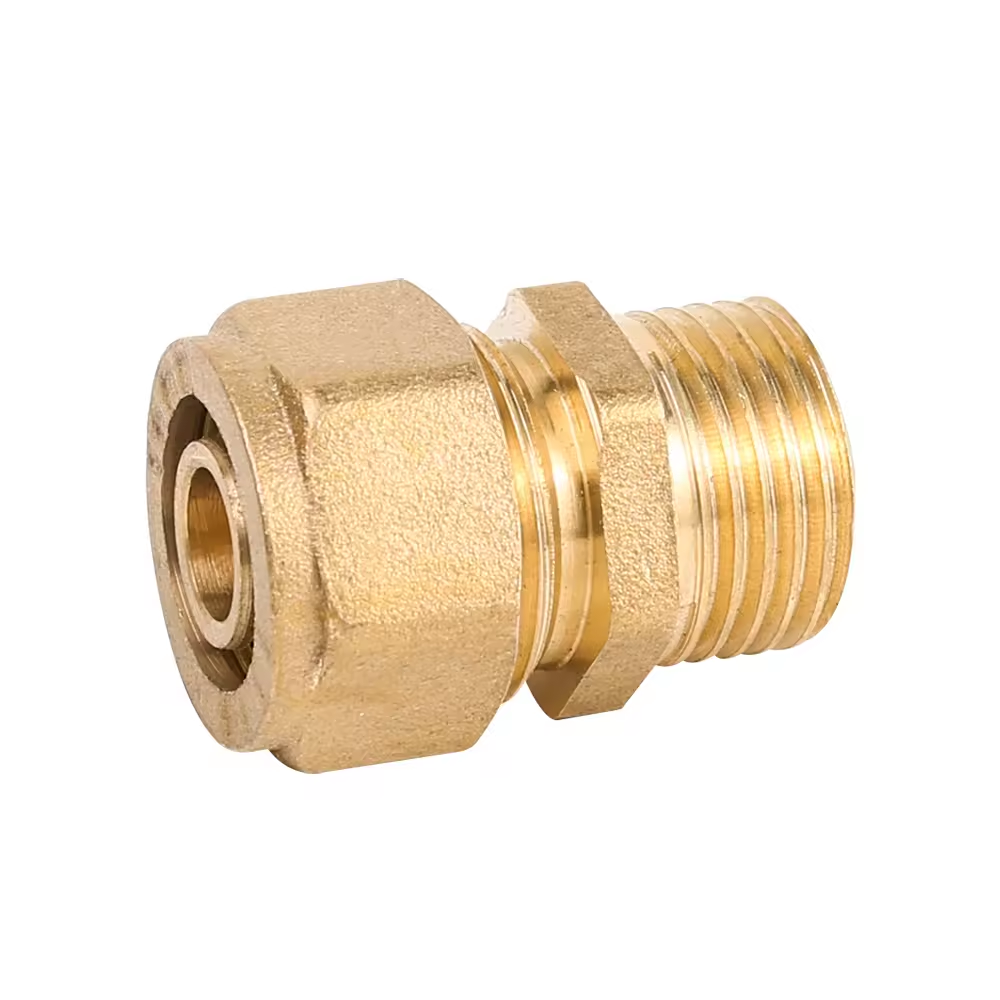
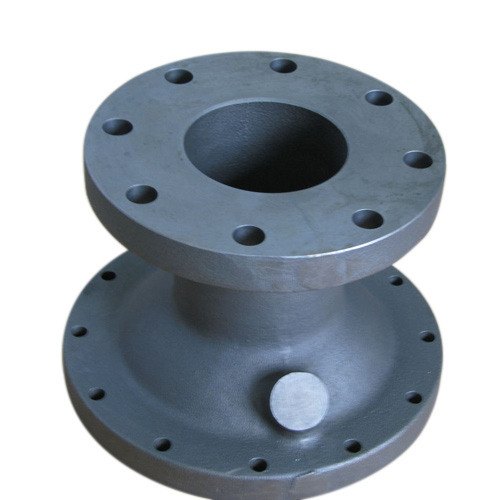
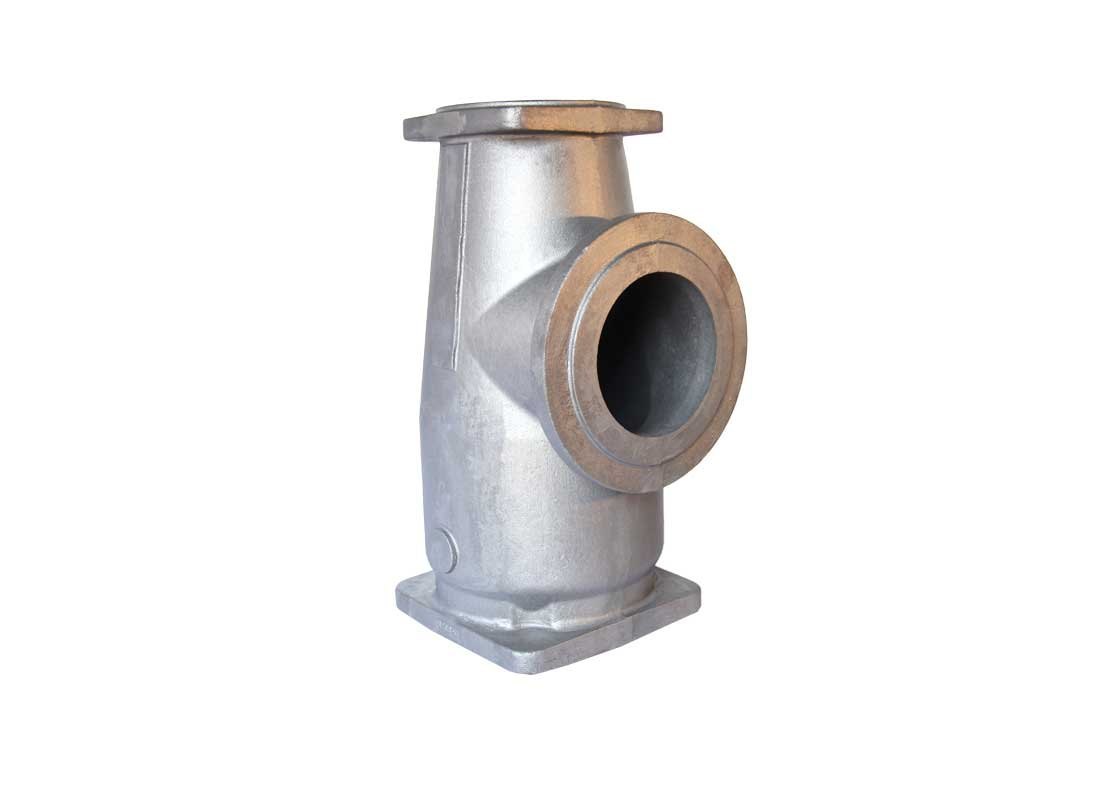
About Castings & Forgings
Castings and forgings are the fundamental raw and semi-finished material forms from which much of the industrial world is machined or assembled. India is a globally significant source — its casting industry is the world's third-largest by volume and its forging industry supplies automotive, aerospace, oil & gas, and heavy-machinery supply chains across Europe, North America, the Middle East, and Southeast Asia. The ability to source complex castings and high-integrity forgings at competitive cost is one of India's structural manufacturing advantages.
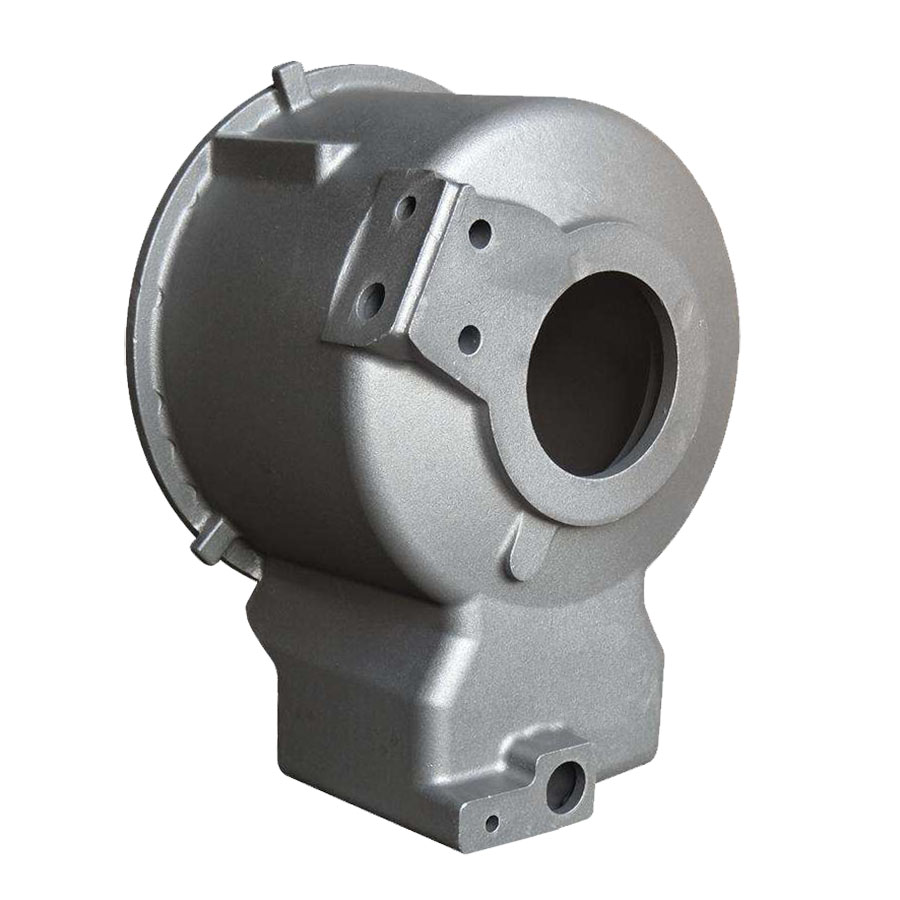
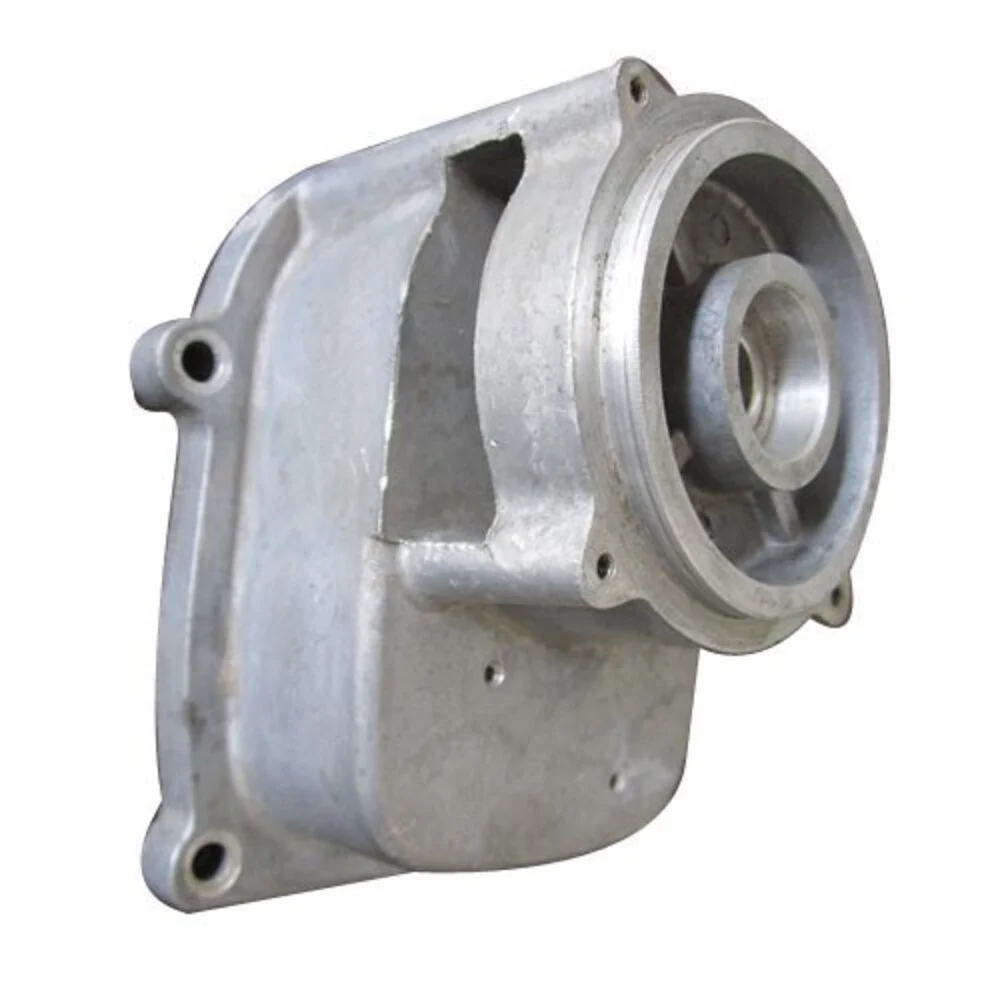
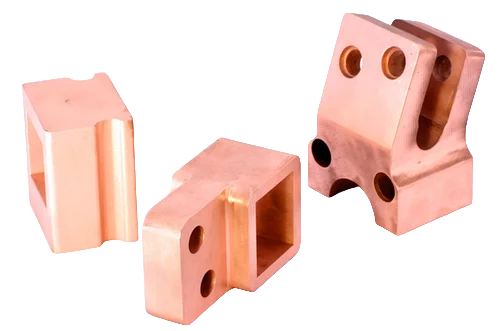
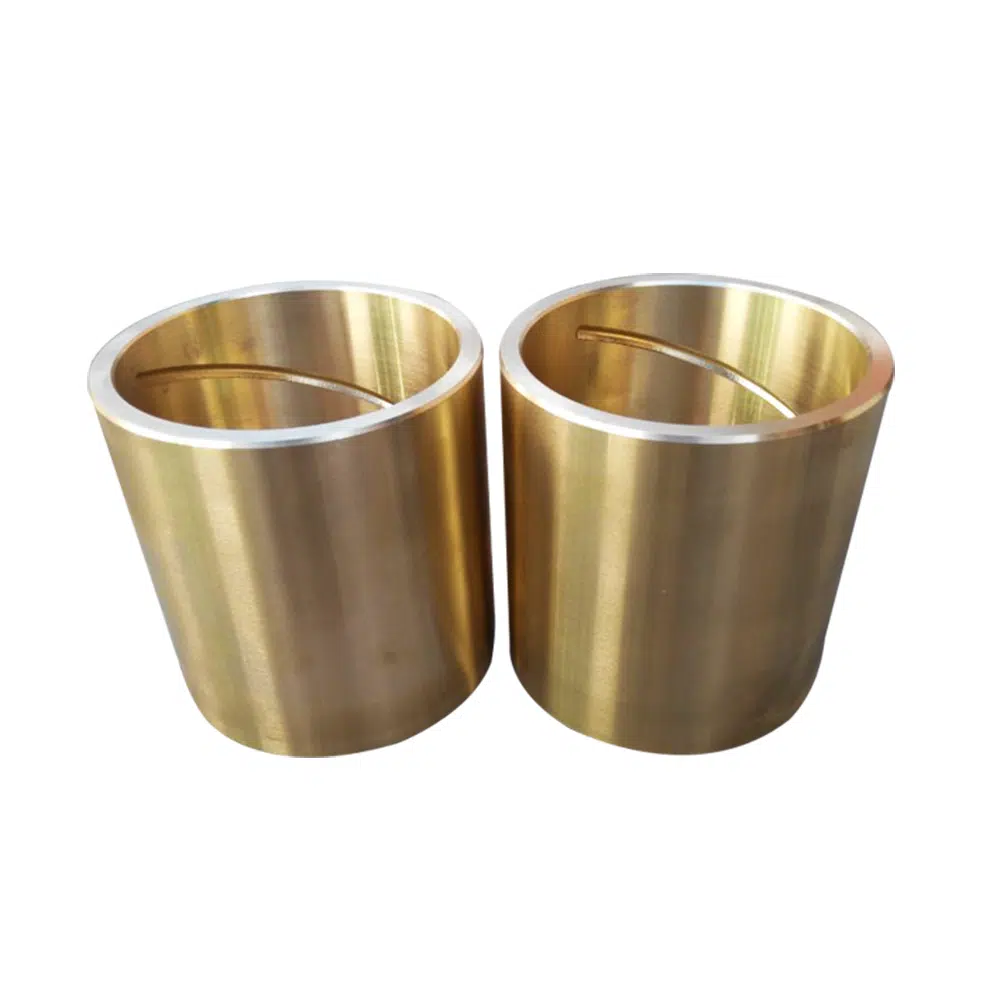
Casting methods differ substantially in precision, cost, material options, and typical application. Sand casting (green sand, chemically bonded, resin sand, shell molding) handles the widest range of sizes and materials at the lowest per-piece cost — typical for pump housings, valve bodies, machine-tool beds, and large structural components. Investment casting (lost-wax) offers dimensional precision and surface finish close to finished-machined — used for smaller complex geometries in valves, pumps, aerospace components, and medical devices. Die casting (pressure die for aluminium, zinc, magnesium; gravity die for aluminium and copper alloys) handles high-volume thin-wall parts — automotive housings, structural castings, consumer goods. Centrifugal casting produces hollow cylindrical parts (pipe, rolls, bushings). Continuous casting feeds bar-stock and billet production upstream of downstream machining.
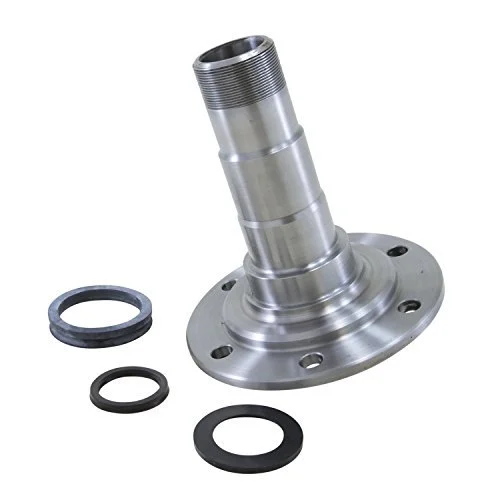
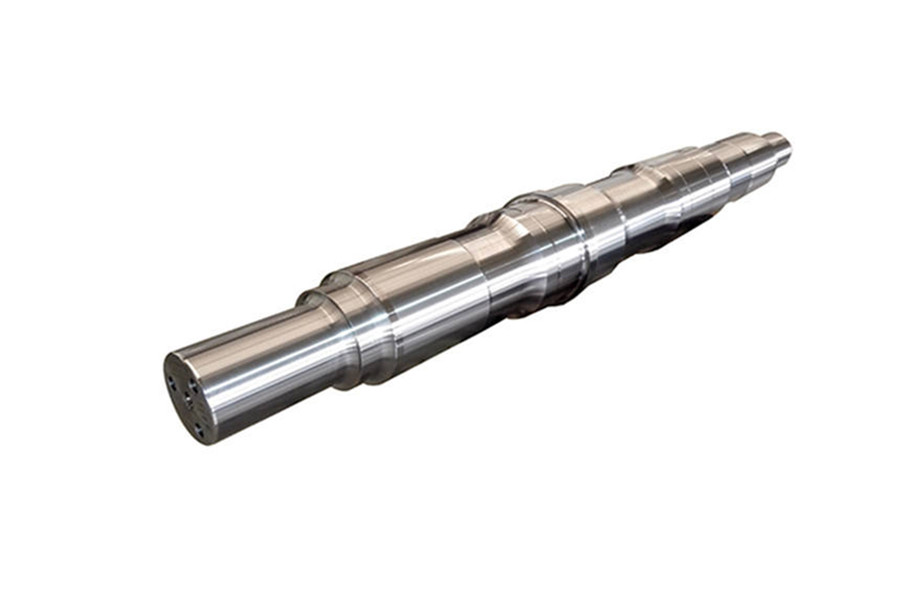
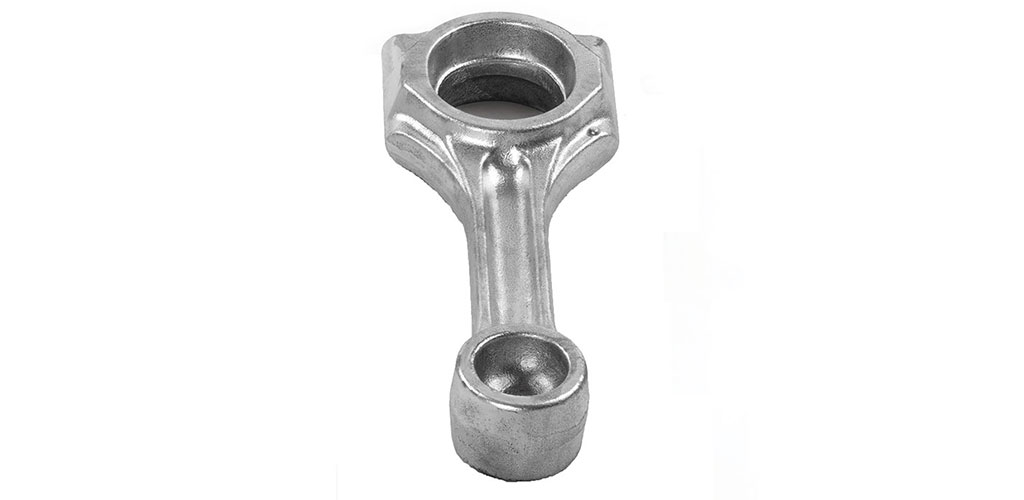
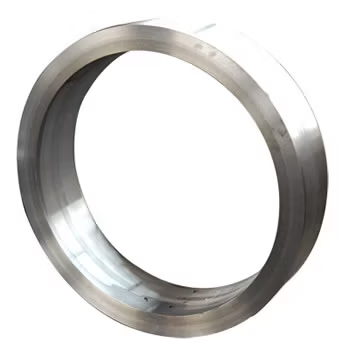
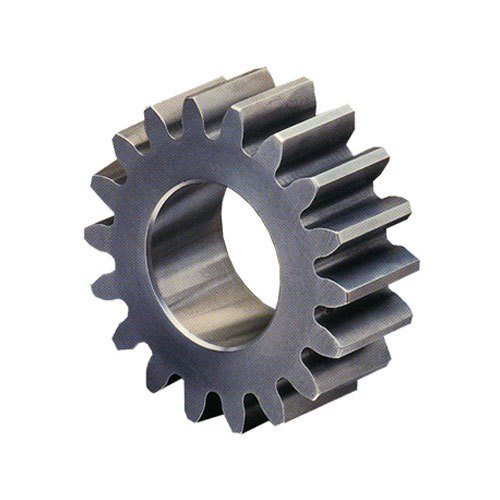
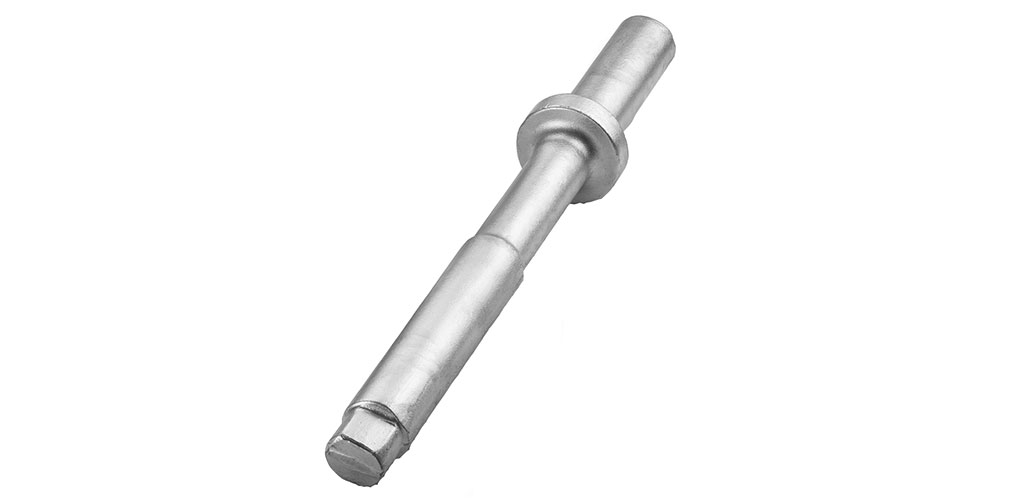
Forging methods: open-die forging (free-form hammer or press, for large one-off components up to multi-tonne) used for power-generation shafts, marine propeller shafts, mill rolls, and large pressure-vessel heads; closed-die forging (impression die, hammer or press, producing near-net-shape components) used for automotive crankshafts, gear blanks, flange forgings, and hand-tool heads; ring rolling (for bearing rings, flanges, ring-gear blanks) produces seamless circular components up to several metres diameter; upset forging (for bolt heads, axle ends, upset-end forgings).
Material grades span the full engineering metals catalogue. For castings: grey iron (ASTM A48, common pump and valve bodies), ductile iron (ASTM A536, higher-strength and impact-tolerant applications), cast steel (ASTM A216 WCB/WCC for pressure-containing, A352 LCC/LCB for low-temperature, A217 C5/C12A for high-temperature), stainless cast (ASTM A351 CF8/CF8M/CF3M), duplex (A890 CD3MN, CD3MWCuN), and nickel alloys. For forgings: carbon and alloy steels (ASTM A105 flange forgings, A350 LF2 low-temperature, A266/A508 pressure-vessel), stainless (A182 F-grades), duplex (A182 F51, F55), and nickel alloys (F625, F276).
Every casting and forging carries Material Test Certificates per EN 10204 3.1 or 3.2, dimensional inspection reports, NDT results per the applicable code (magnetic-particle MT for ferromagnetic steels, dye-penetrant PT for stainless, ultrasonic UT for heavy sections, radiographic RT for critical service), hardness and mechanical testing, and heat-treatment records (normalised, quenched-and-tempered, solution annealed — per spec). For pressure-service items (PED-CE), notified-body involvement is coordinated for Category III/IV equipment.