Iron Castings
Source iron castings from India's verified manufacturers and exporters on Himalay. Browse the full range for industrial and export applications.
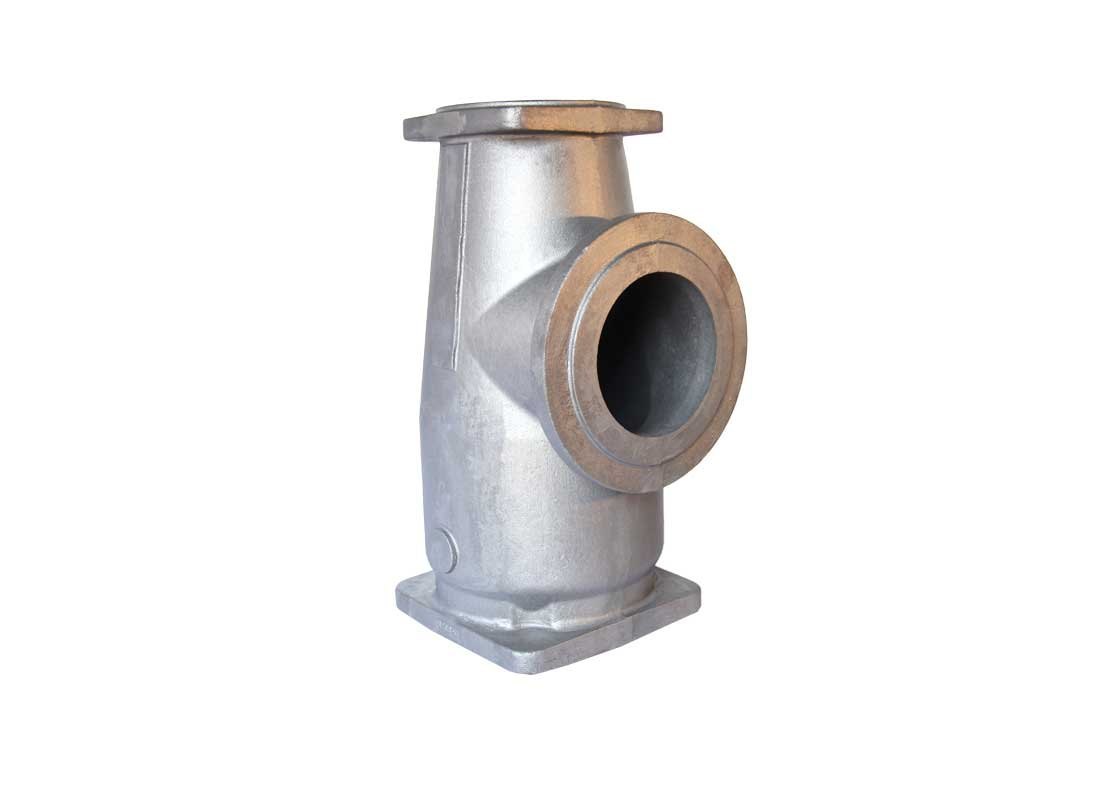
About Iron Castings
Iron castings are components produced by pouring molten iron into a mould, valued for good castability, vibration damping, machinability and cost efficiency across pump and valve bodies, machine bases, pipe fittings, automotive parts and general engineering. The two principal families — grey iron and ductile (nodular) iron — cover a wide span of strength and toughness, which is why iron remains a default for many structural and pressure-containing parts.
Grey iron is typically specified to ASTM A48 (or IS 210 / EN-GJL grades) by tensile class, offering excellent damping and machinability for housings and frames. Ductile iron to ASTM A536 (EN-GJS / IS 1865) adds nodular graphite for higher strength and ductility, suiting crankshafts, hubs, brackets and pressure parts. Sand casting is the common process, with key specs covering class/grade, section thickness, dimensional and weight tolerances.
Grades are selected by required tensile strength, elongation and hardness; treatments such as stress-relief annealing, normalising and surface coatings (paint, e-coat, galvanising) are applied per the application. Compacted-graphite and austempered ductile iron (ADI) variants are also available where higher strength-to-weight or wear resistance is needed. Machining stock, draft and datum scheme are defined on the drawing, and pattern type (wood, resin or metal) is chosen to suit run size.
Soundness, dimensional accuracy and mechanical properties are normally agreed against the drawing and grade. Himalay coordinates material traceability and EN 10204 3.1/3.2 certificates, hardness and tensile verification, plus NDT such as ultrasonic, magnetic-particle or radiographic inspection and pressure testing where specified, alongside PED-CE/REACH documentation, handled as part of the standard order flow.