Automotive Forgings
Source automotive forgings from India's verified manufacturers and exporters on Himalay. Browse the full range for industrial and export applications.
About Automotive Forgings
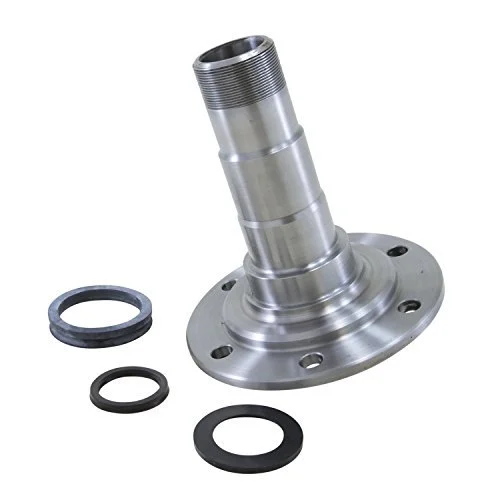
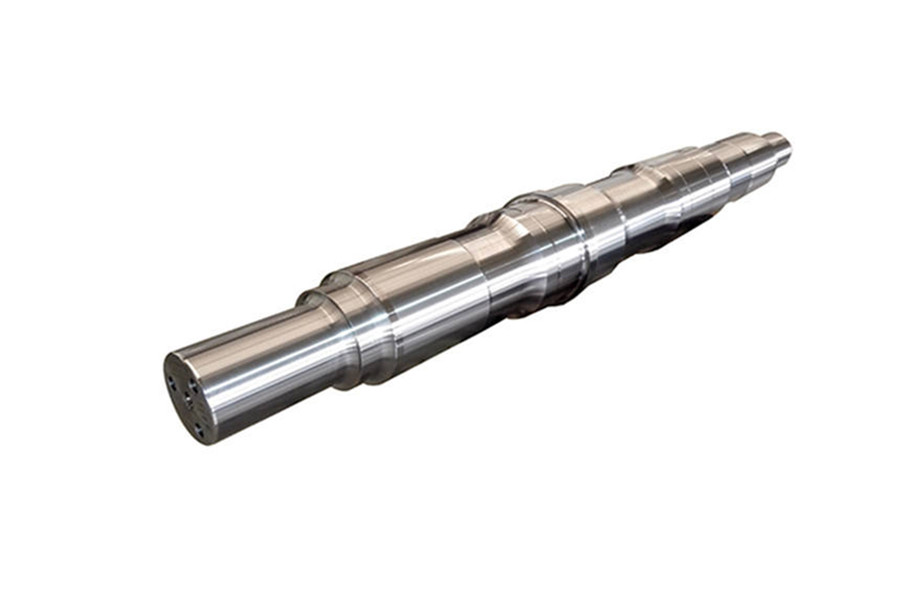
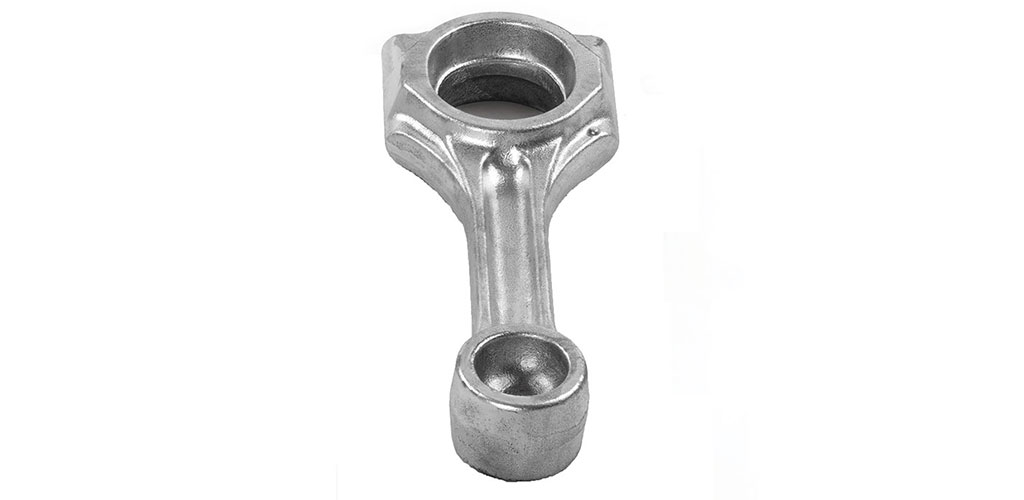
Automotive forgings are components shaped by plastically deforming heated metal under press or hammer, giving a refined grain flow that delivers high strength, fatigue resistance and reliability in safety-critical drivetrain and chassis parts. Typical examples include crankshafts, connecting rods, steering knuckles, hubs, gears, axle shafts and yokes, where forging's directional grain structure outperforms casting on cyclic load.
Processes divide into closed-die (impression-die) forging for high-volume near-net parts and open-die forging for larger or simpler shapes, with cold and warm forging used for precision fasteners and small parts. Materials commonly follow carbon and alloy steel grades such as those in ASTM A105 for piping-adjacent parts, microalloyed and quench-and-temper steels for engine and chassis components, and comparable EN/IS grades; key specs cover grade, forging class, grain-flow and tolerance.
Grades are selected by strength, fatigue and machinability needs, with heat treatment (normalising, quench-and-temper, induction hardening) and finishes such as shot-blasting, phosphating, plating or e-coat applied per the application. Microalloyed (forge-and-cool) grades can avoid a separate quench-and-temper step, lowering cost on suitable parts. Machining stock, flash-trim and the datum scheme are defined on the drawing, and grain-flow direction may be specified across critical sections.
Grain flow, mechanical properties and dimensional accuracy are normally agreed against the drawing and grade. Himalay coordinates material traceability and EN 10204 3.1 certificates, chemical, tensile, impact and hardness reports, plus NDT such as ultrasonic and magnetic-particle inspection, alongside IATF-16949-aligned process documentation and REACH declarations where specified, handled as part of the standard order flow.