• Homeβ€Ί
  • Concentric Butterfly Valves
  • Homeβ€Ί
  • Valvesβ€Ί
  • Concentric Butterfly Valves
  • Concentric Butterfly Valves

    Source concentric butterfly valves from India's verified manufacturers and exporters on Himalay. Browse the full range for industrial and export applications.

    Showing 1 items
    1 items
    operation type
    Gear
    Lever
    body material
    CI
    DI
    SS304
    WCB
    end connection
    Lug
    Wafer
    seat material
    EPDM
    NBR
    PTFE
    trim material
    SS304
    SS316
    Concentric Butterfly Valves sourcing

    About Concentric Butterfly Valves

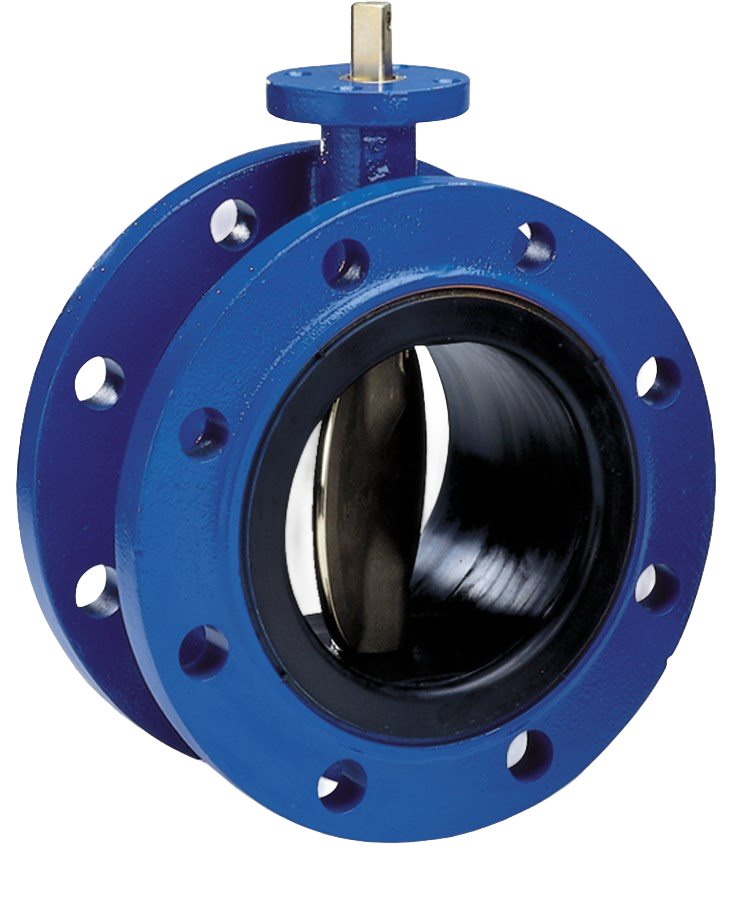
    Resilient-seated concentric butterfly valves in wafer, lug and flanged patterns, DN40 to DN1200, with EPDM, NBR or PTFE liners on cast and ductile iron bodies.

    A concentric butterfly valve carries its disc on a shaft running through the centre of the pipe bore, closing against a resilient rubber liner that lines the full body. It is the standard isolation valve for water supply, HVAC, fire protection, sewage, seawater and general utility lines up to about PN 16 or PN 25, valued for its short face-to-face length, low weight and low cost per bore diameter. Indian manufacturers commonly supply wafer, lug and double-flanged bodies in cast iron and ductile iron with replaceable EPDM, NBR, Viton or food-grade liners, and discs in nylon-coated ductile iron, aluminium bronze, CF8M stainless or duplex for seawater duty. Industrial patterns follow API 609 Category A and EN 593; waterworks valves follow AWWA C504 or IS 13095, with seat testing to API 598. Lever operation is usual to about DN200 and gear operators above that, with ISO 5211 pads for actuation. An enquiry should state size, body pattern, flange standard and rating, liner and disc material, service medium and temperature, dead-end requirement, operator, quantity and inspection needs.

    Buyer guide

    Specifying Concentric Butterfly Valves: Liner, Body Pattern and Rating

    01

    What the valve is actually for

    A concentric butterfly valve carries its disc on a shaft that passes through the centre of both the disc and the pipe bore, sealing against a resilient rubber liner covering the full body bore. It is the workhorse isolation valve for water, HVAC, fire protection, sewage and general utility services up to about PN 16 or PN 25, chosen because it is short, light and inexpensive per bore diameter compared with gate or globe valves.

    02

    Liner selection decides service life

    EPDM suits potable water, hot water and dilute chemicals to around 120 Β°C but fails quickly in oils; NBR is the choice for oils, fuels and compressed air; Viton (FKM) covers hotter and more aggressive media; PTFE-faced seats extend chemical resistance for corrosive duty. On most designs the liner also seals against the mating flanges, so no gaskets are needed and liner condition governs both seat tightness and flange sealing.

    03

    Disc, body and stem materials

    Bodies are typically cast iron or ductile iron with epoxy coating; discs come in nylon-coated ductile iron, aluminium bronze, CF8M stainless or duplex for seawater. Stems are usually SS410, SS420 or SS316. For seawater and desalination, specify aluminium bronze or duplex discs and check the stem-to-disc galvanic pairing.

    04

    Patterns and mounting

    Wafer bodies clamp between flanges and are cheapest; lug bodies carry threaded lugs so downstream pipework can be removed with the valve in place, subject to a confirmed dead-end rating; double-flanged bodies suit buried mains and pump stations. Face-to-face dimensions follow ISO 5752 or API 609.

    05

    Standards

    Industrial resilient-seated valves are covered by API 609 Category A and EN 593; waterworks valves by AWWA C504 and, in India, IS 13095. Seat testing is to API 598 or EN 12266, with bubble-tight closure expected of a healthy liner.

    06

    Operation

    Up to about DN200 a lever with a notch plate is normal; above that specify a gear operator. Electric or pneumatic actuation needs an ISO 5211 mounting pad, so state this in the enquiry even if automation comes later.

    What to state in the enquiry

    Give line size, body pattern, mating flange standard and rating (PN10/16 or ASME Class 150), liner and disc material, service medium and temperature, dead-end requirement, operator type, governing standard, test certification, quantity and delivery terms. Indian foundries export these valves in volume, so also state the paint system and export packing required at the enquiry stage.

    Submit an enquiry β†’
    Technical guide

    How Concentric Butterfly Valves Work

    The zero-offset geometry

    In a concentric butterfly valve the stem axis lies on the pipe centreline and passes through the mid-plane of the disc. Closing rotates the disc a quarter turn until its machined edge presses into the rubber liner around the full circumference. Sealing is by interference: the disc edge is slightly larger than the free bore of the liner, so the rubber is compressed a controlled amount and springs back against the disc. There is no cam action; the disc edge rubs on the seat through the last part of every stroke.

    Why the liner does everything

    The liner is simultaneously the seat, the body lining that isolates the metal from the medium, the stem seal (moulded bosses grip the stem where it passes through) and, on gasket-free designs, the flange seal, because it wraps over both body faces and is compressed when the flange bolts are tightened. This is why a concentric valve is cheap and also why almost every failure is a liner failure: chemical swelling from the wrong elastomer grade, compression set after years of clamping, tearing at the stem holes from over-torque, or erosion from throttling near the closed position.

    Torque behaviour

    Seating torque comes mostly from rubber interference and rises with liner hardness, differential pressure and time since last operation, because rubber relaxes around the disc and grips it. A valve left closed for months needs noticeably more breakaway torque, which matters when sizing actuators; manufacturers publish torque tables at rated pressure and actuators are usually selected with a margin above them.

    Flow behaviour

    Open, the disc sits in the stream and the valve passes flow with modest pressure loss for its length, though more than a full-bore gate valve. The flow characteristic is roughly equal-percentage over the mid-stroke, giving usable control between about 20 and 70 degrees. Near-closed operation forces high velocity through two crescent-shaped openings at the disc edge, and on higher pressure drops this cavitates and chews the liner.

    Failure modes that matter in service

    Leakage past the seat usually means liner compression set or disc-edge corrosion; weeping at the stem means the moulded stem bosses have worn; flange leakage on wafer valves often traces to over-compression of the liner faces during installation, which extrudes rubber into the bore and raises operating torque. Oversized flange gaskets added unnecessarily can have the same effect.

    Why installation details matter

    The disc swings beyond the body faces when opening, so adjacent pipework, wafer check valves or reducers placed hard against the valve can foul the disc. Leave a clear spool, centre the valve carefully on the studs, and open the disc slightly off the seat during flange tightening as most manufacturers instruct. These details, more than manufacturing quality, decide whether a resilient-seated valve reaches its normal ten-year-plus liner life.

    Popular searches in Concentric Butterfly Valves

    Frequently Asked Questions

    EPDM, NBR or PTFE liner β€” which should I specify?
    Wafer or lug body β€” which one do I need?
    Can a concentric butterfly valve be used for throttling?
    What should my RFQ for rubber-lined butterfly valves include?