Nails and Pins
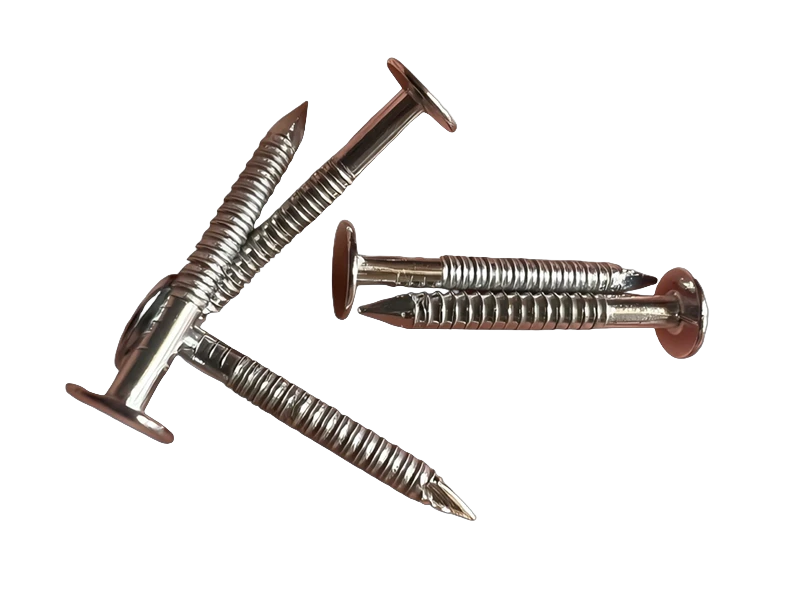
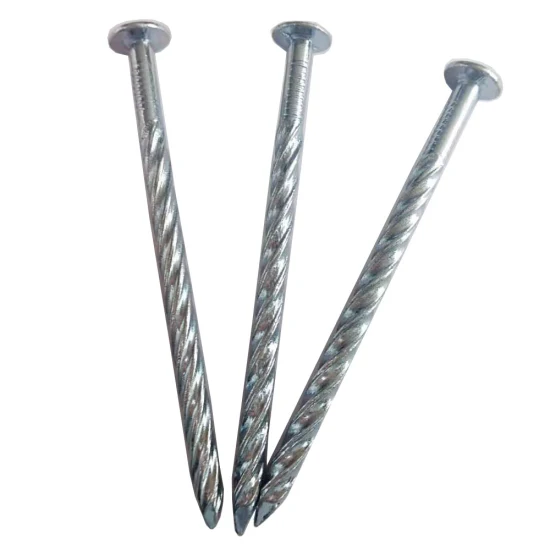
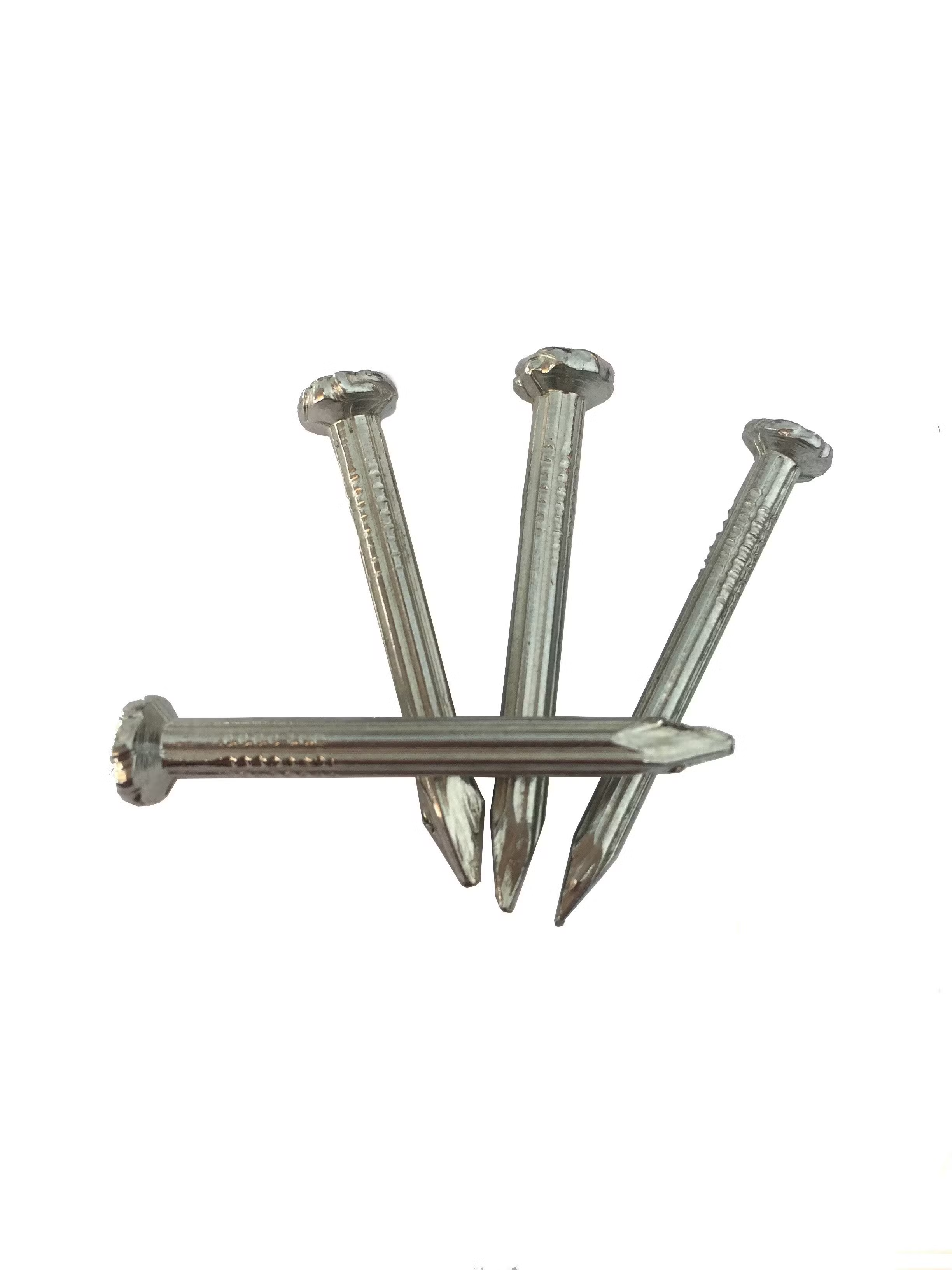
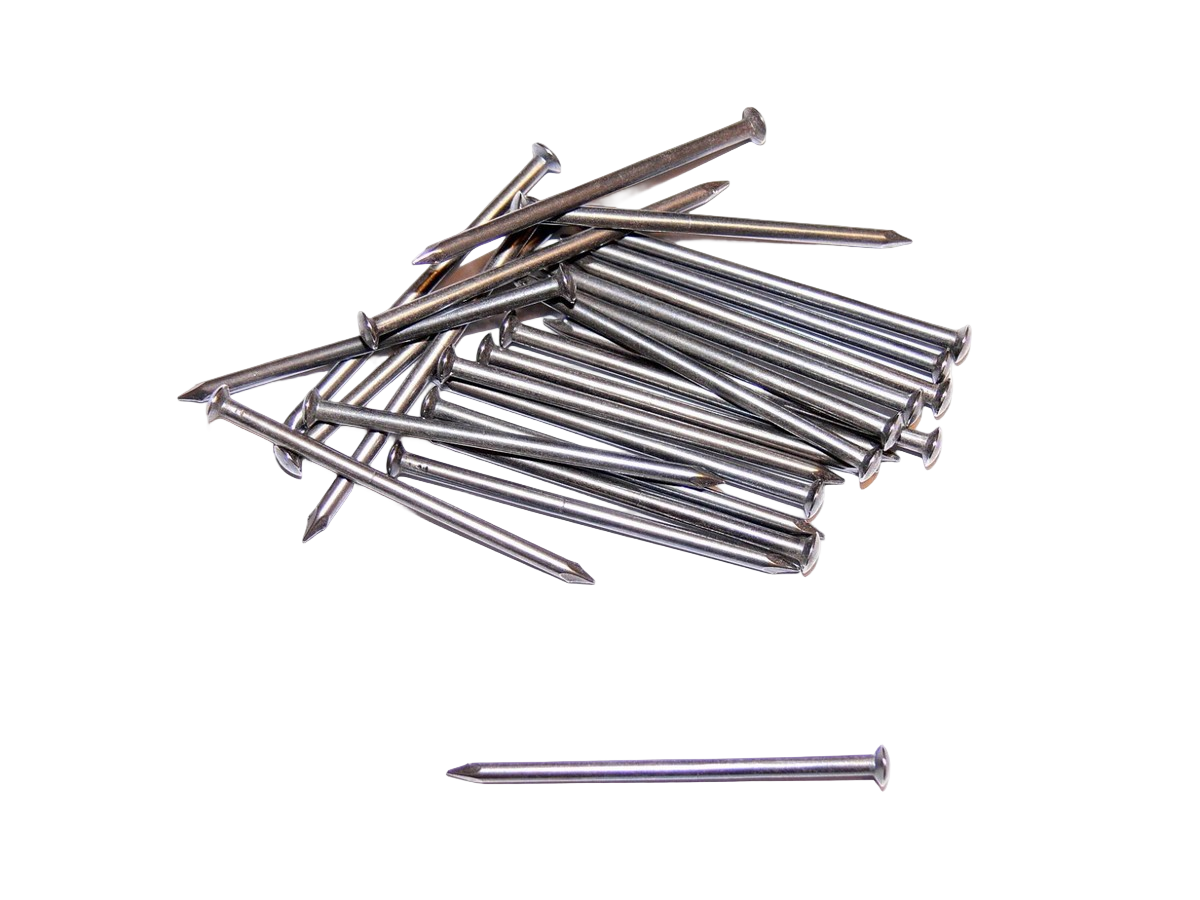
Source nails and pins from India's verified manufacturers and exporters on Himalay. Browse wire & common nails, concrete & masonry nails, roofing & exterior nails, specialty & decorative nails and collated nails (pneumatic) for industrial and export applications.
Browse Nails and Pins by Type
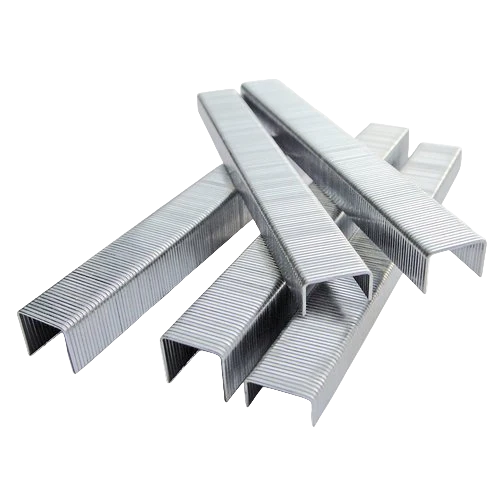
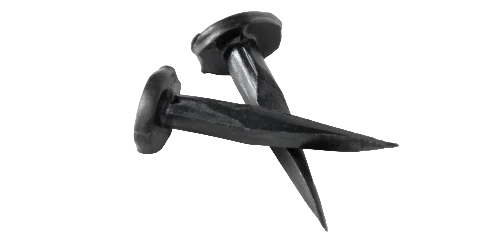
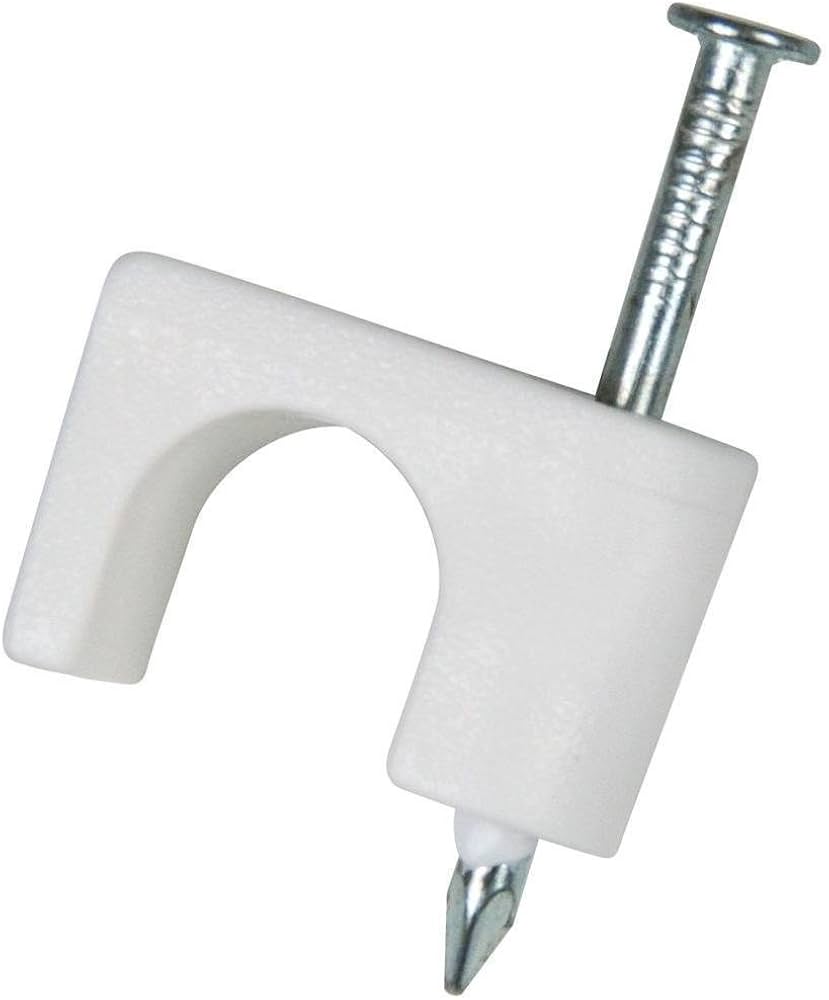
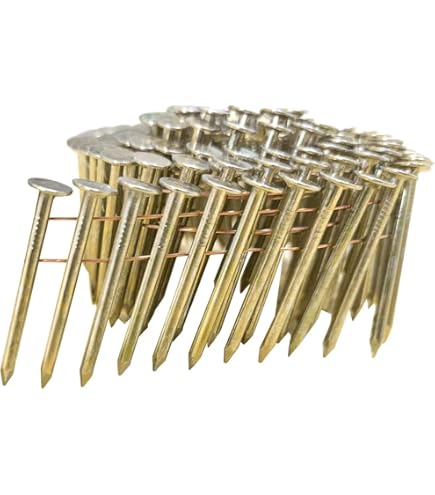
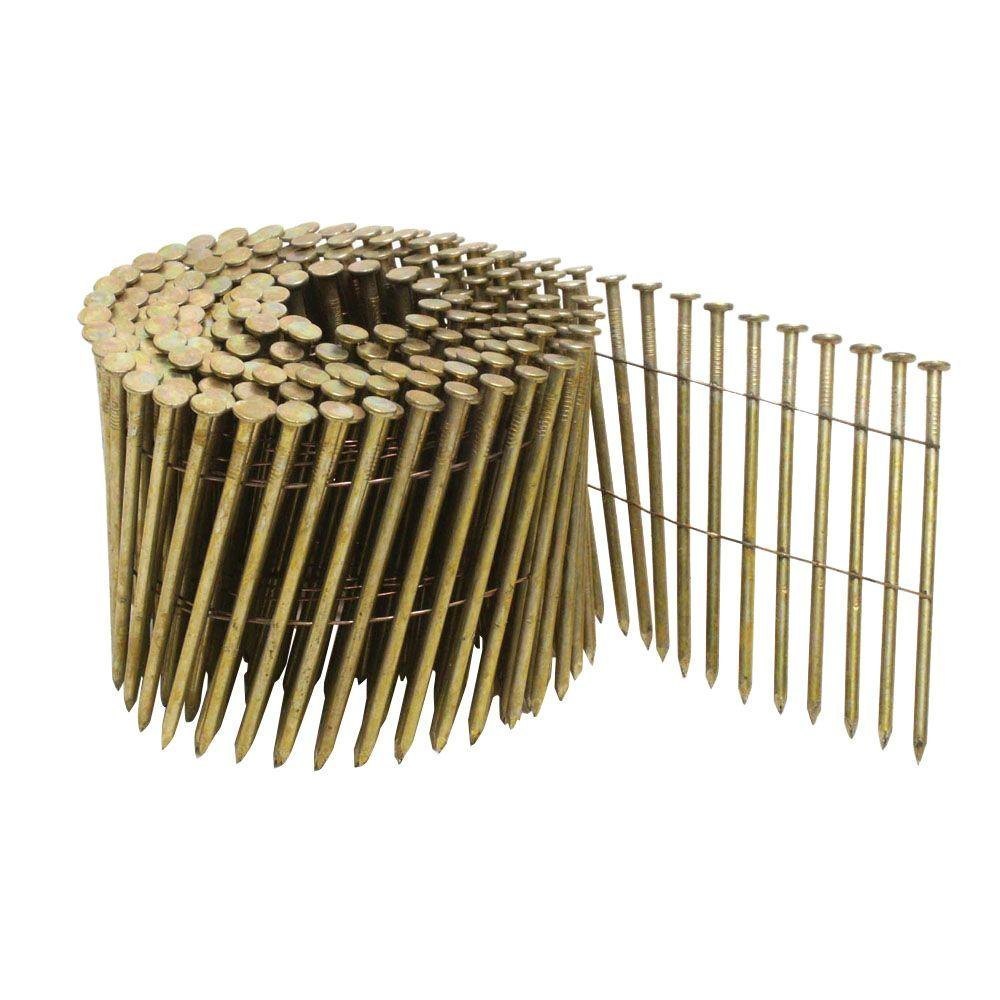
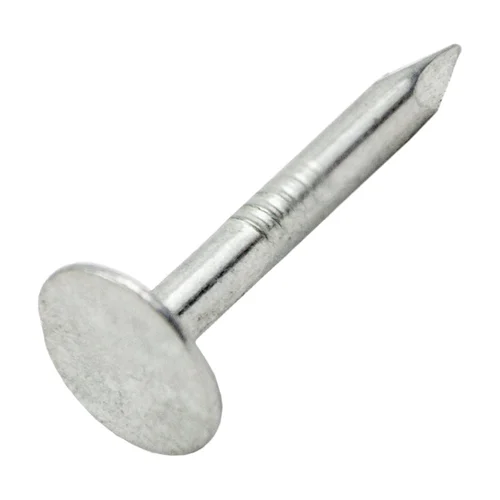
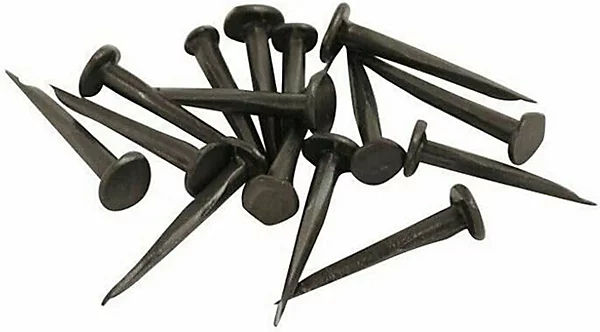
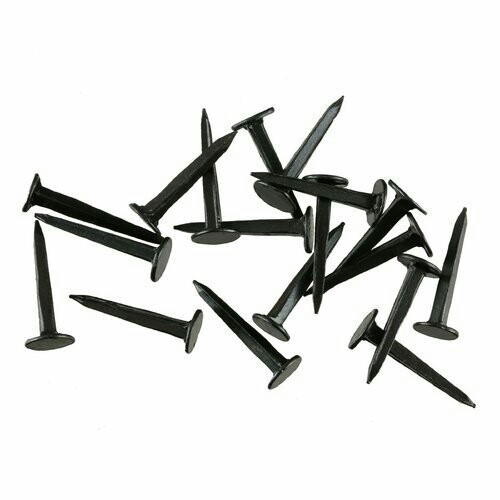

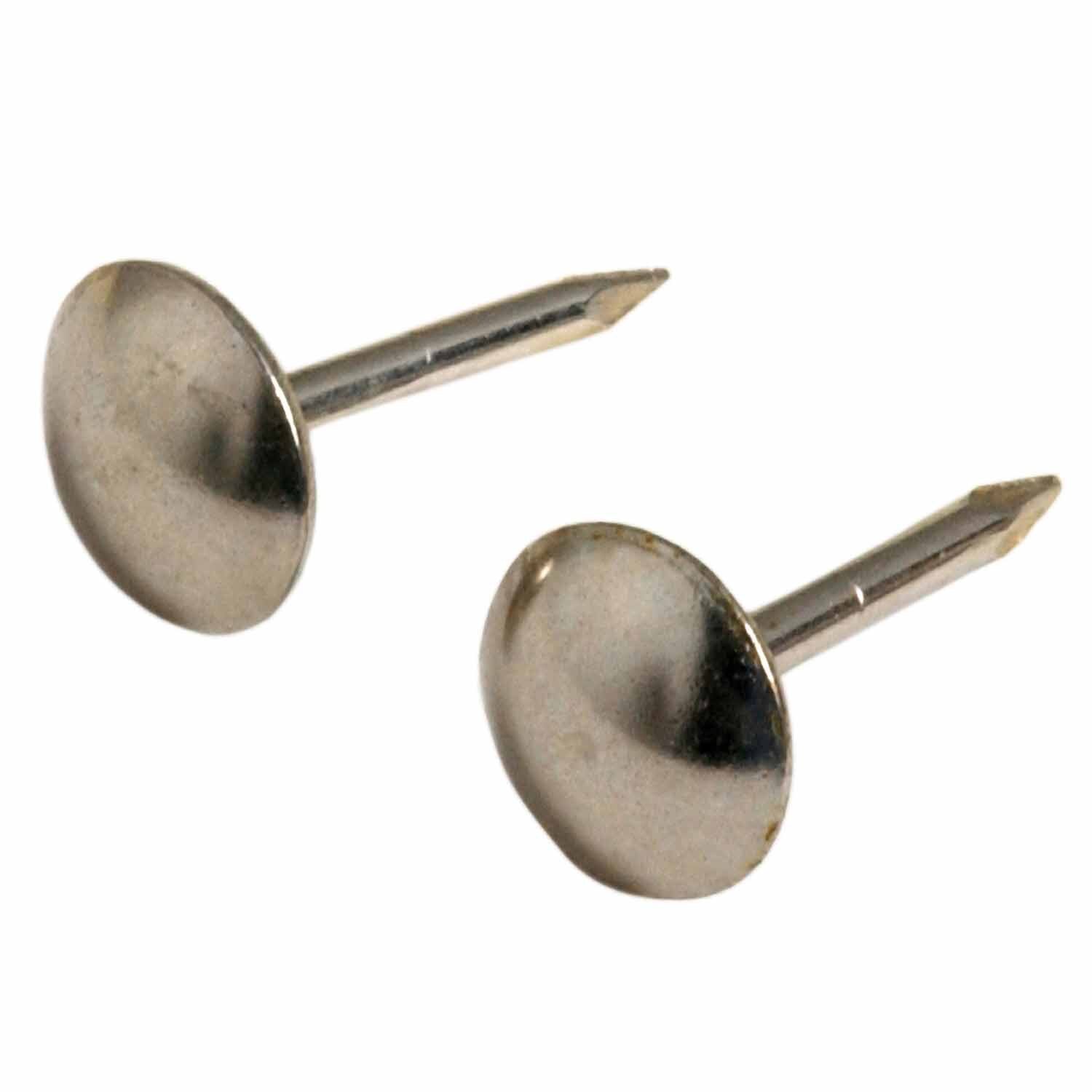
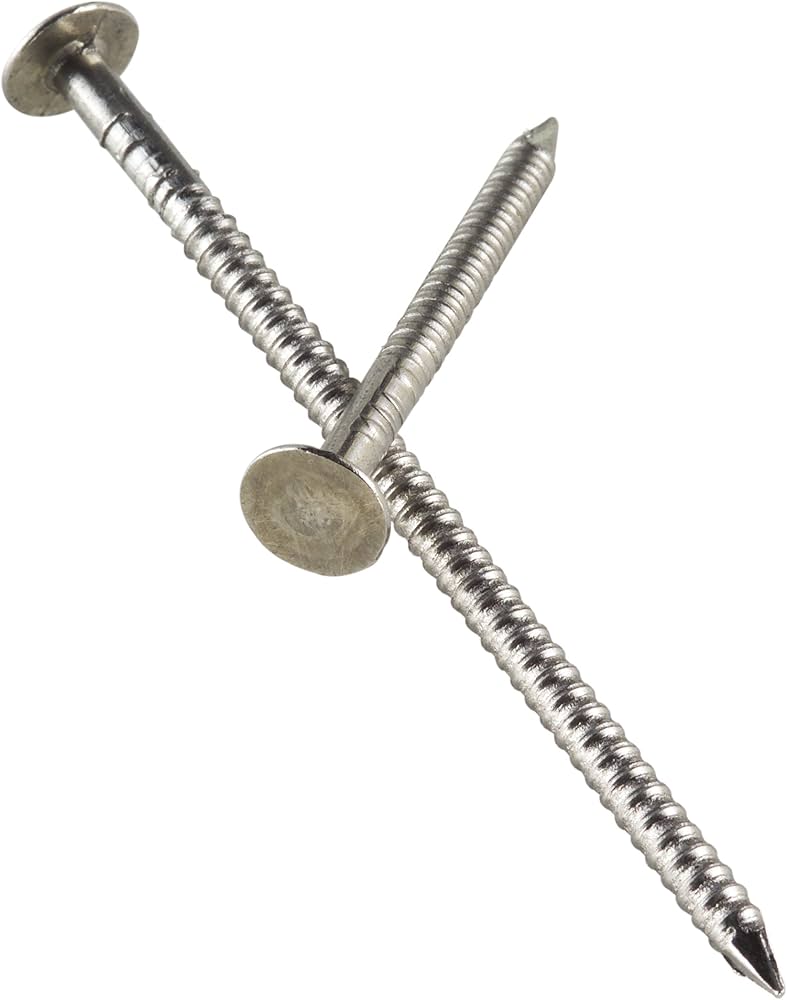
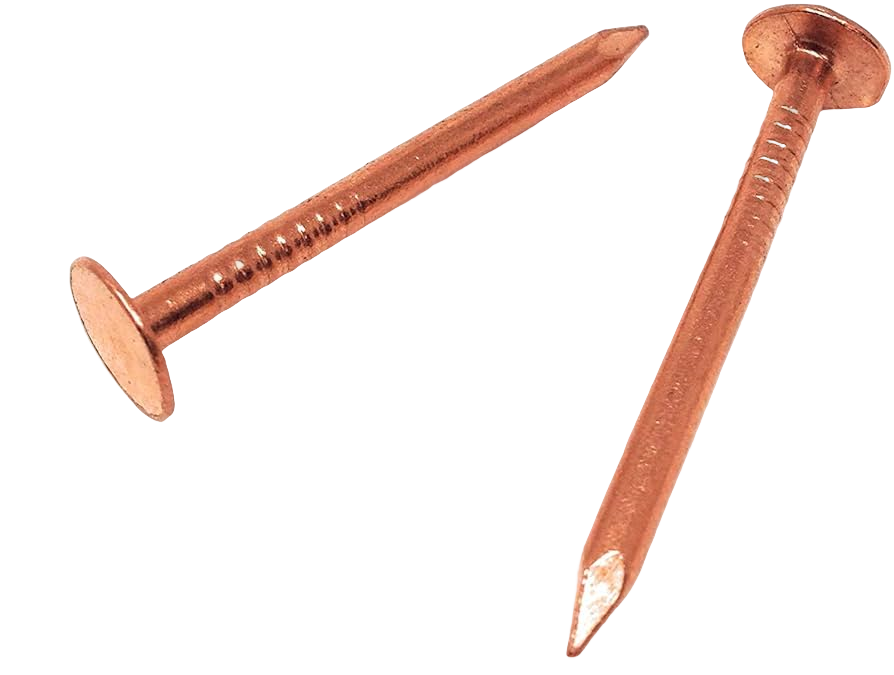
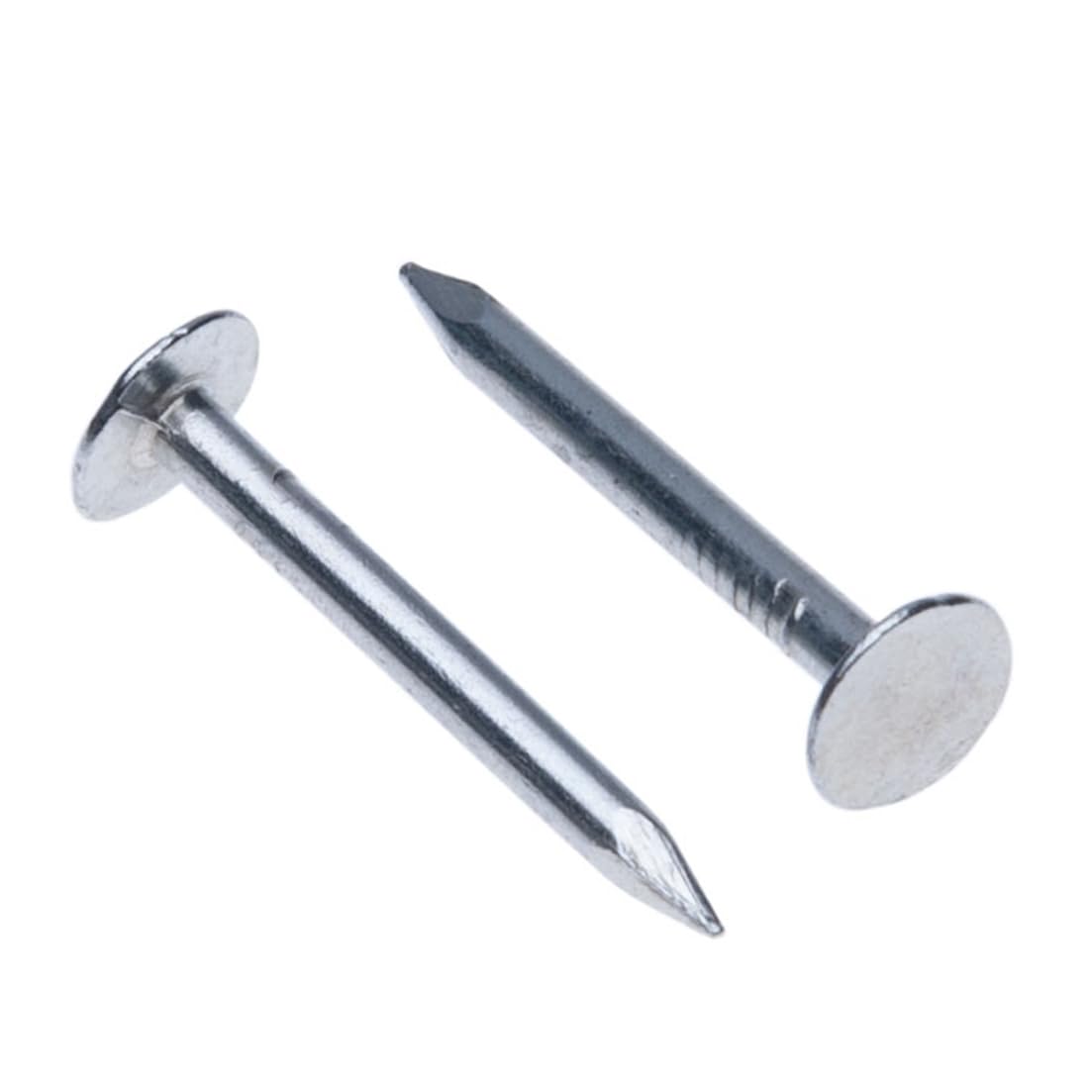
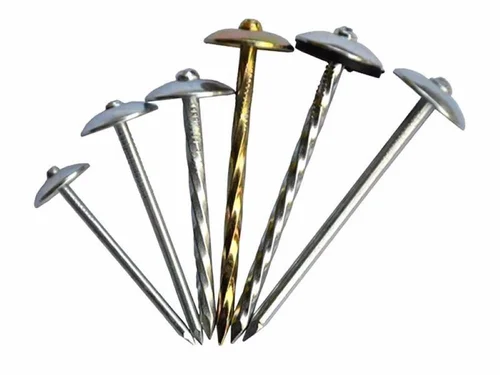
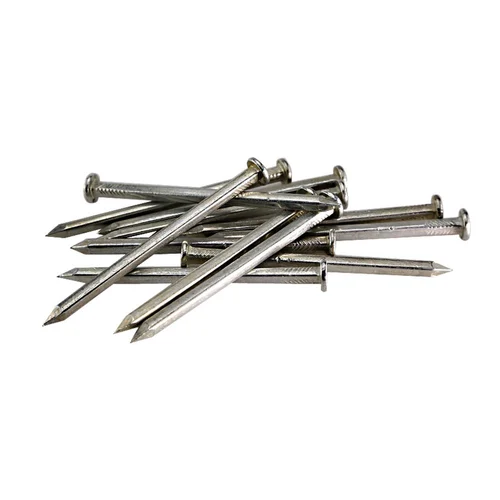
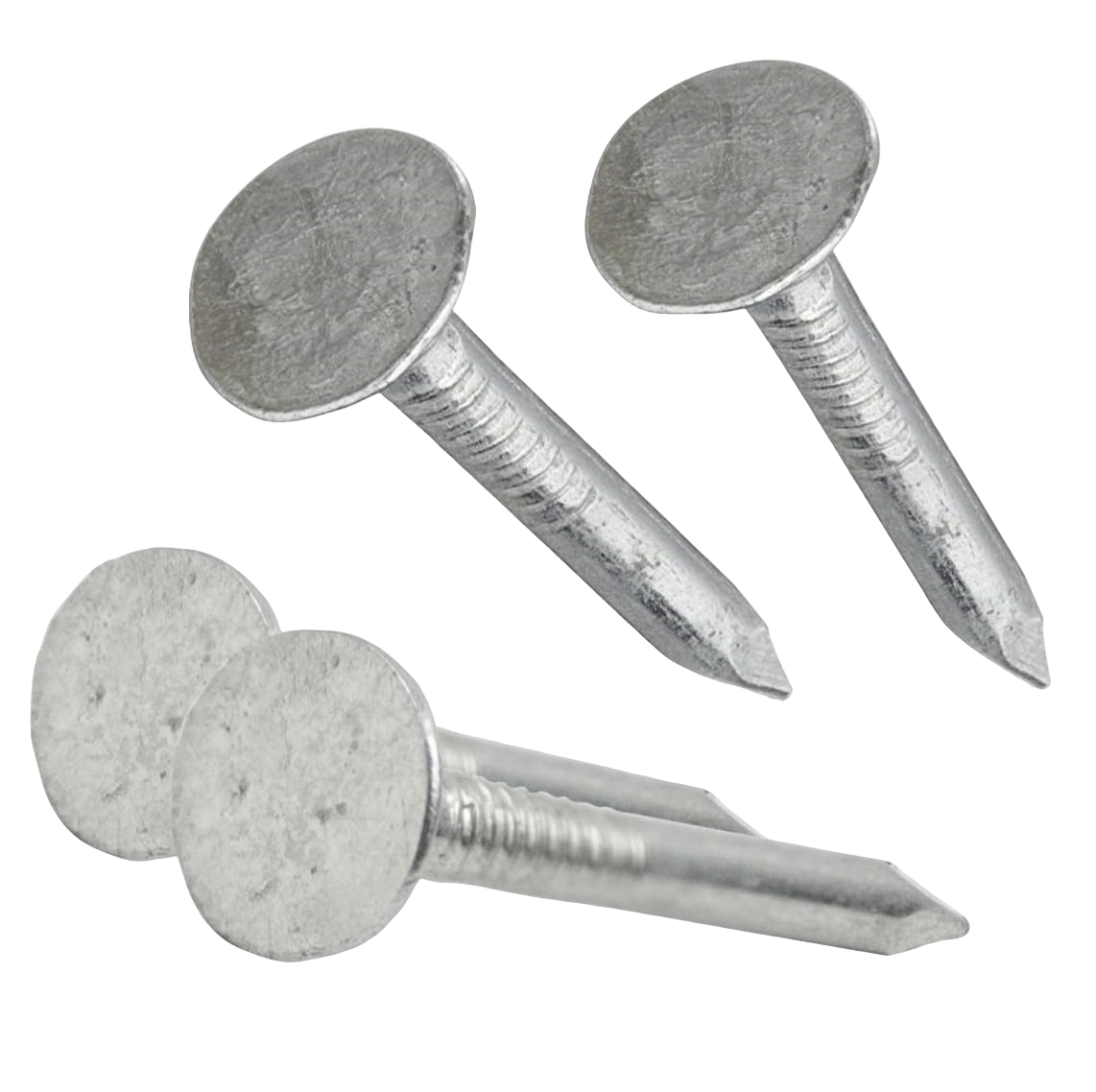
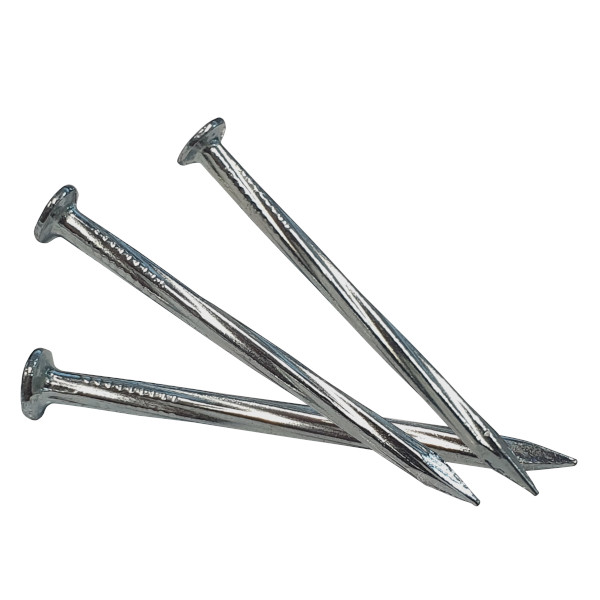
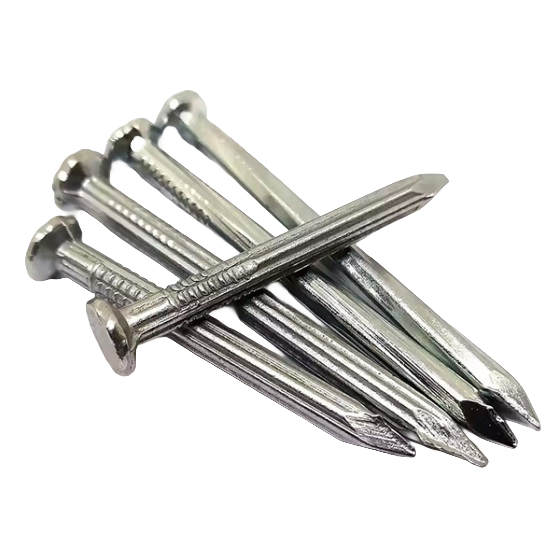
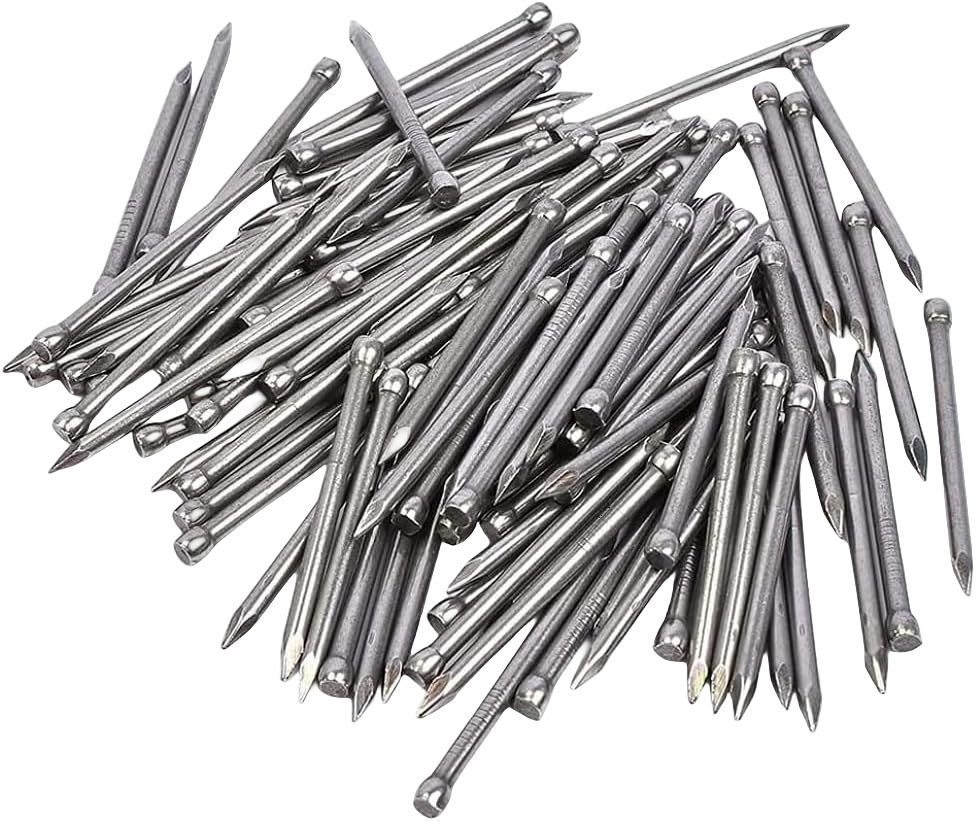
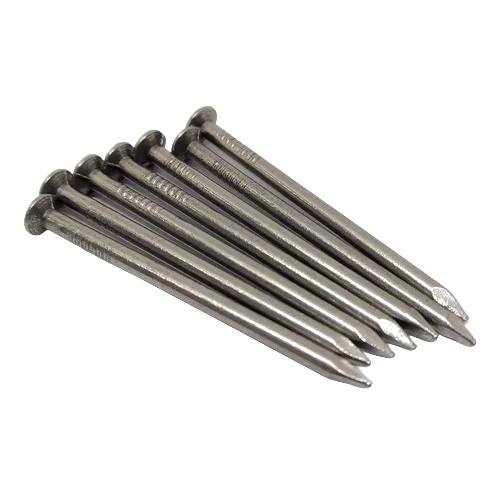
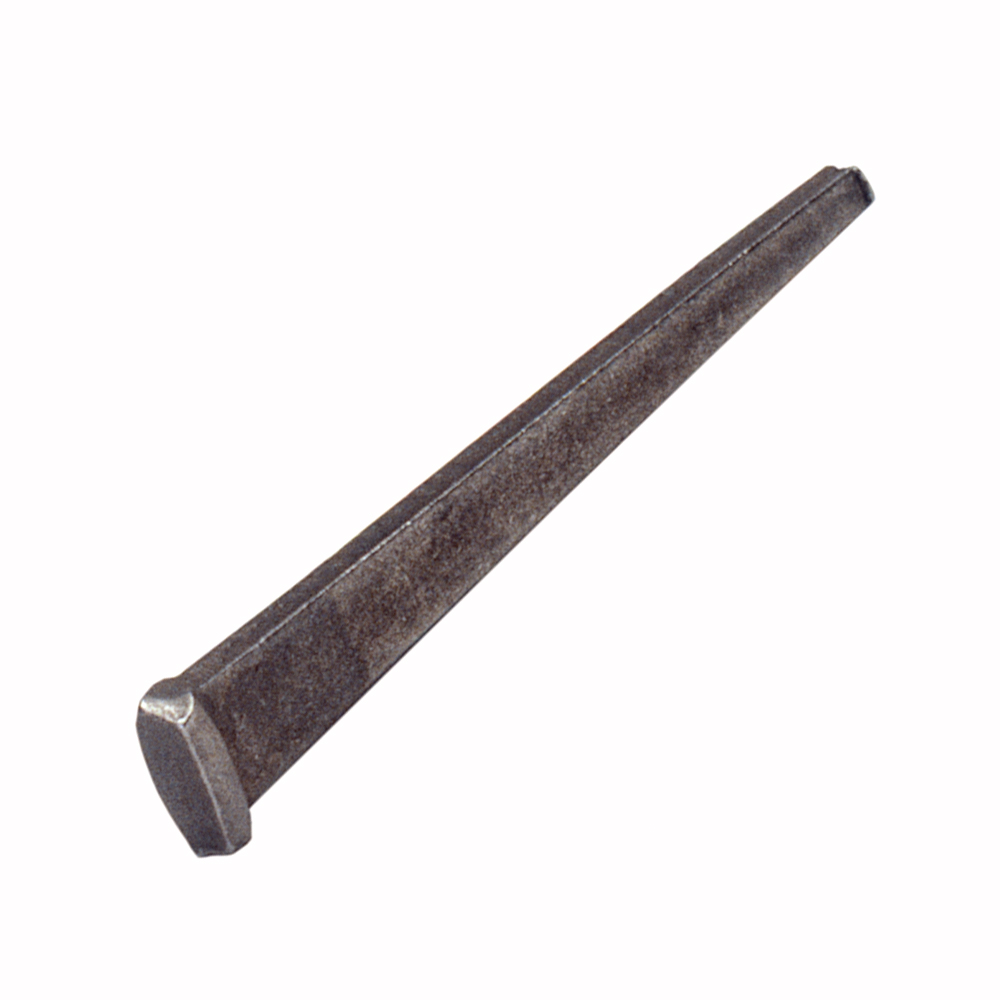
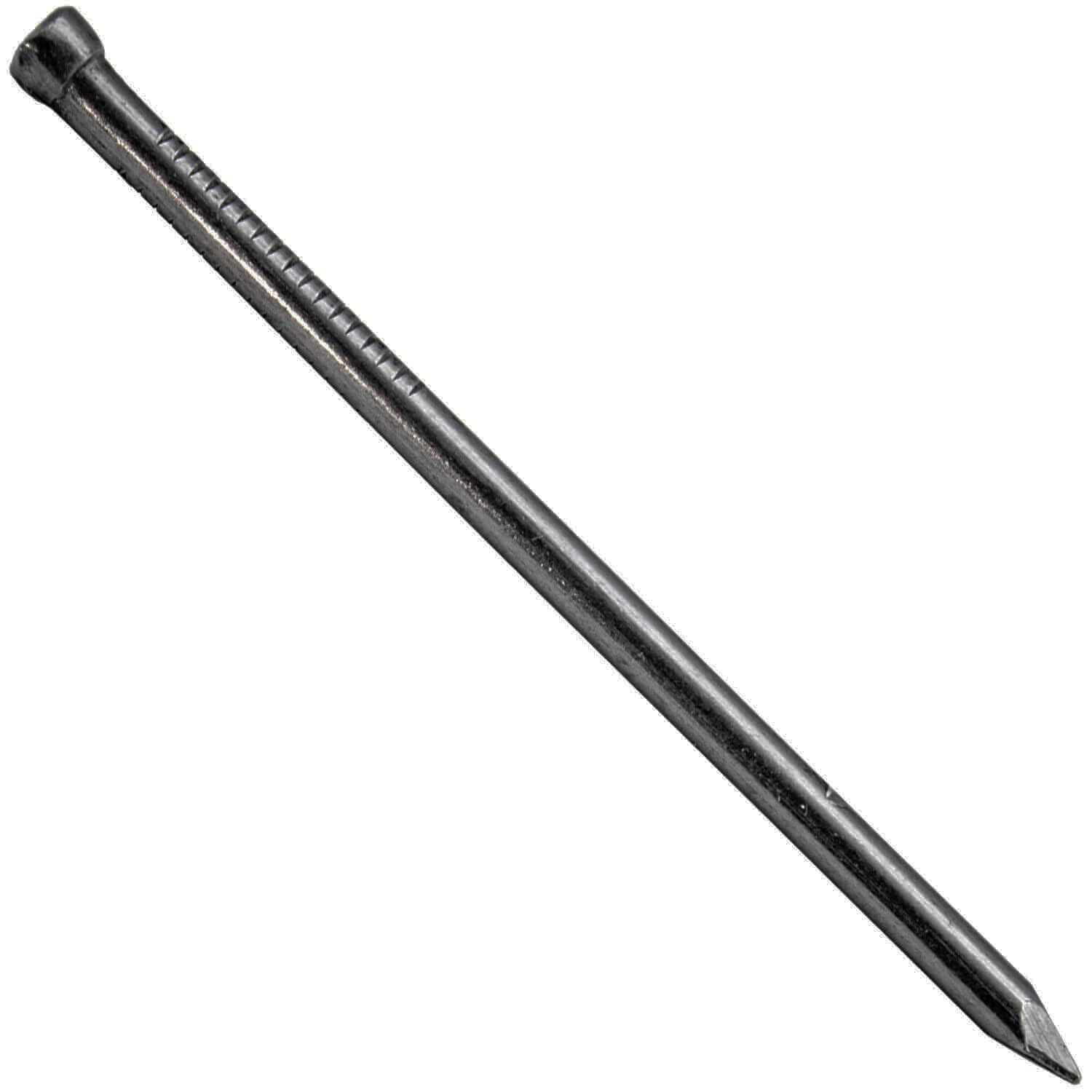
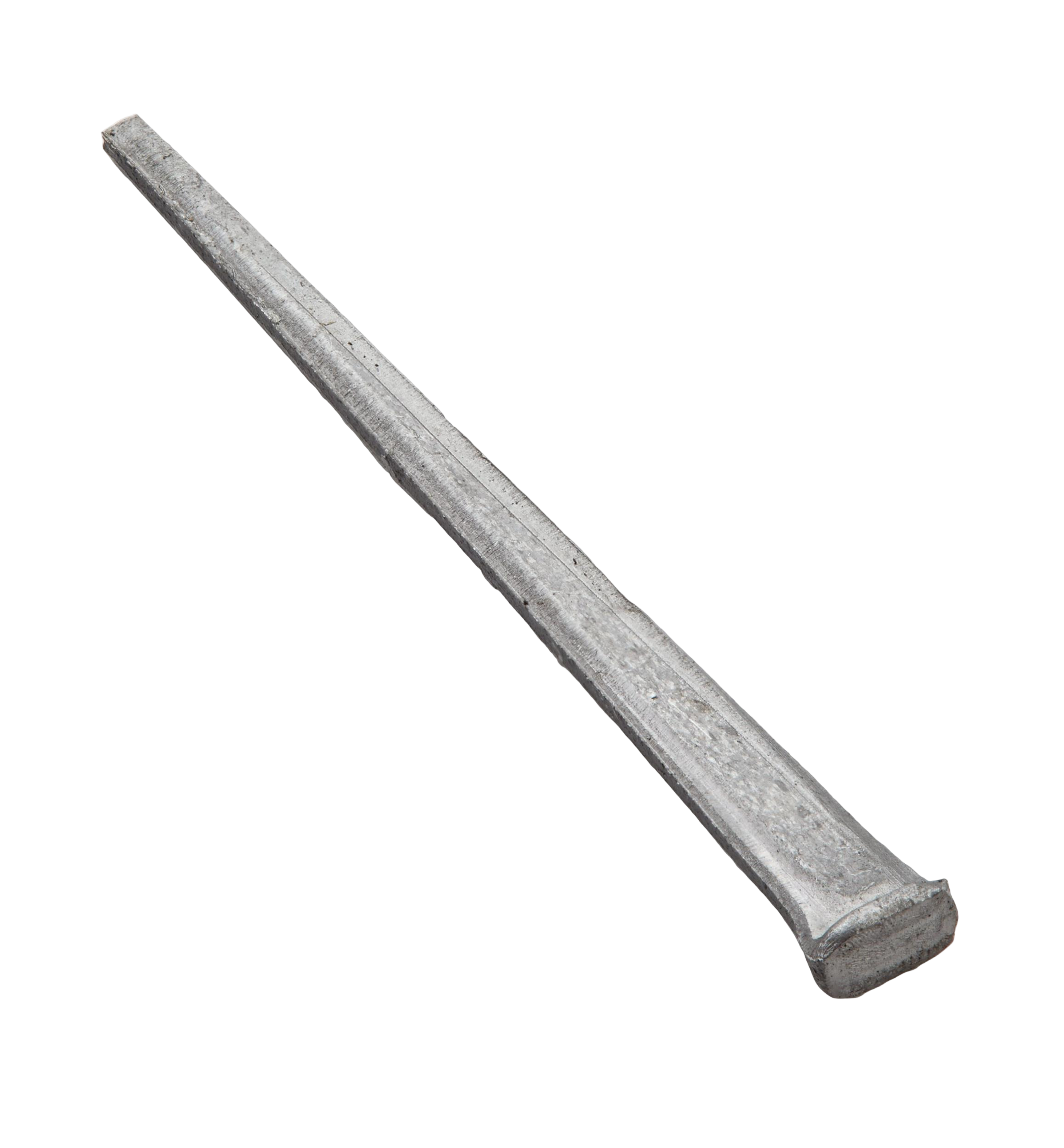
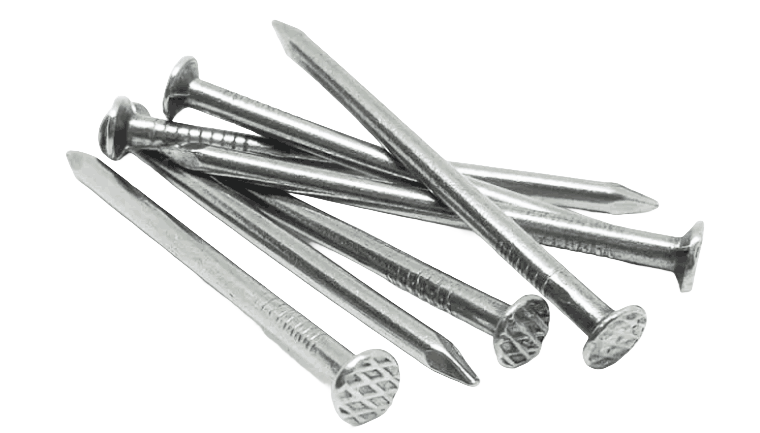
About Nails and Pins
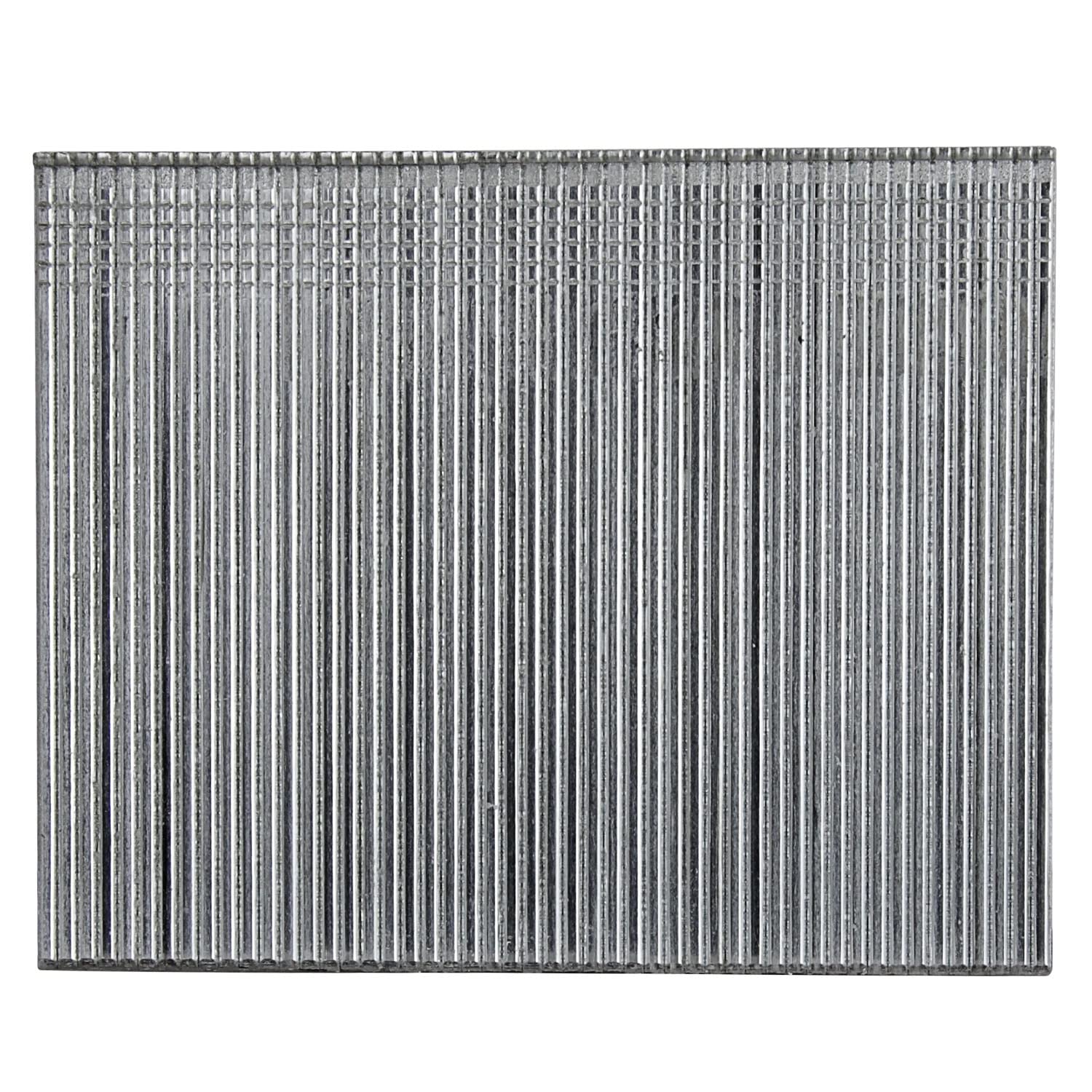
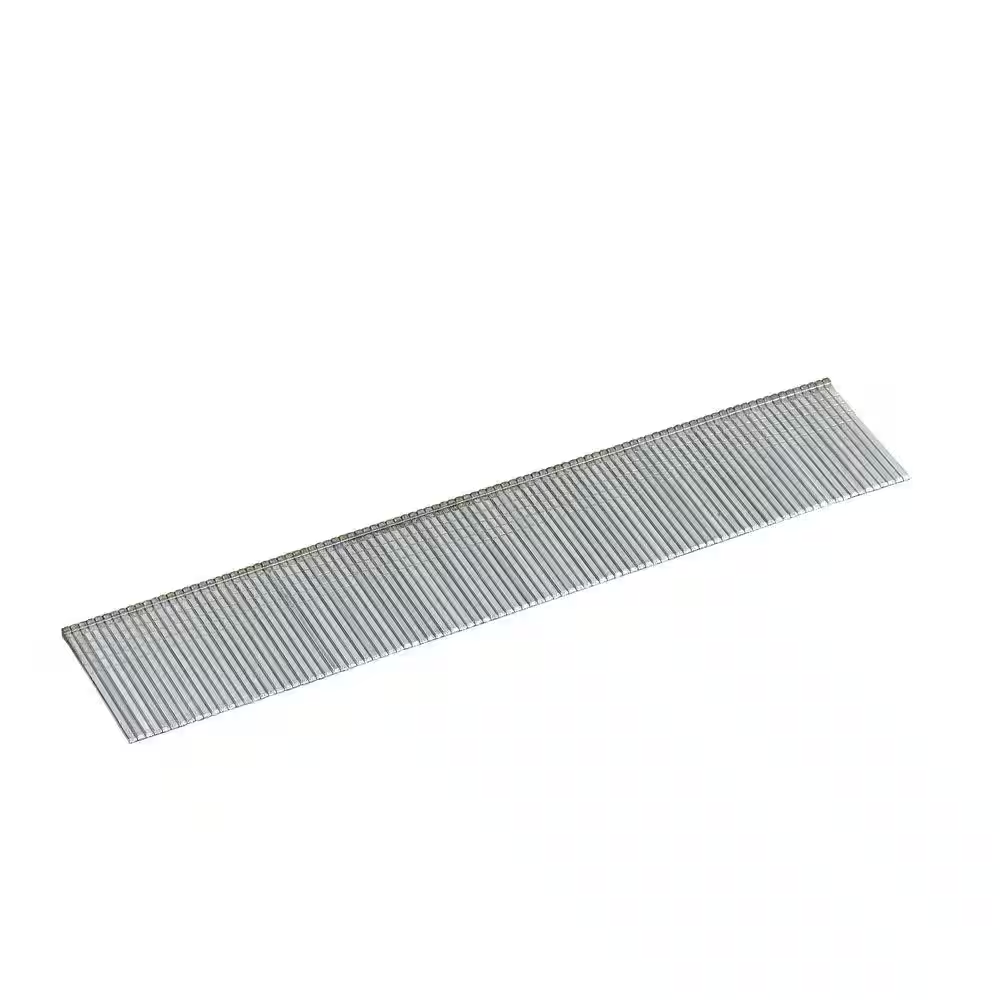
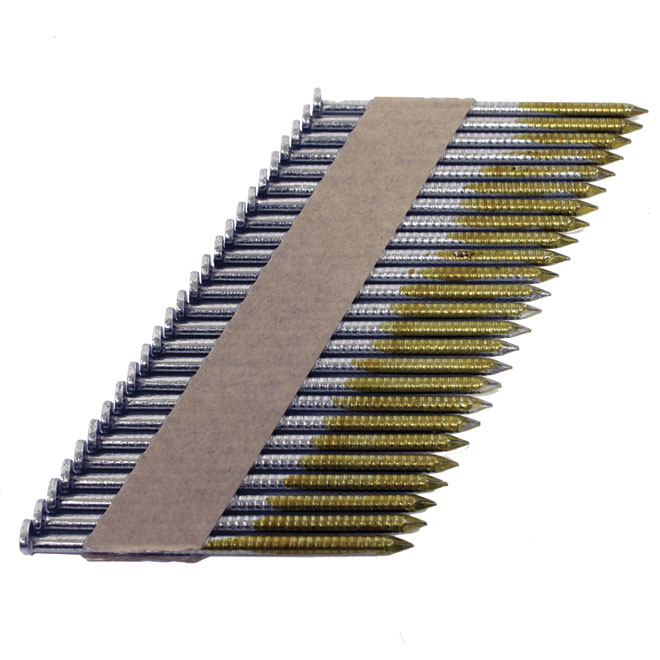
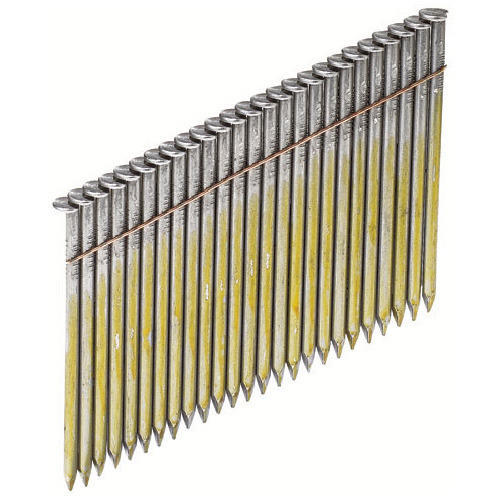
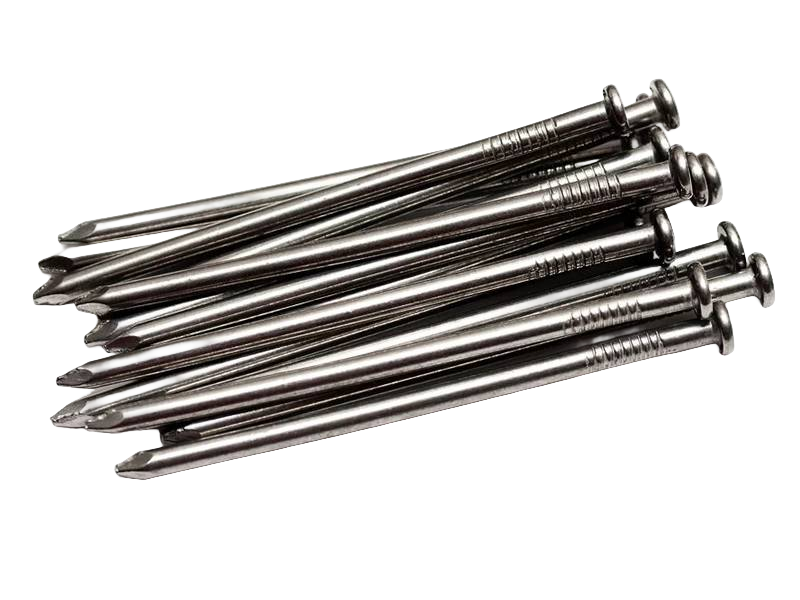
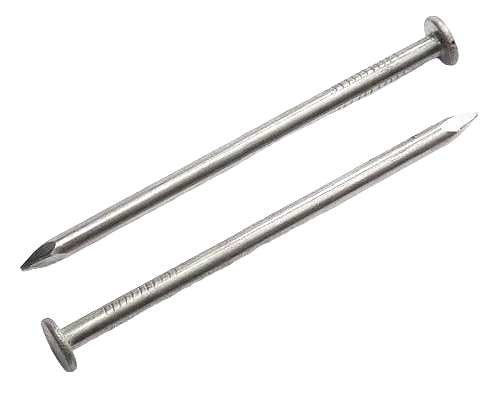
Nails and pins cover a broad branch of fastening and machine-element components, from driven nails used in construction and packaging through to precision dowel, parallel and locking pins that align and retain machine parts. They are used wherever parts must be joined, located or secured: wire nails and collated nails in timber, pallet and crating work; dowel and parallel pins for accurate alignment of plates and housings; and split, cotter and spring pins for retaining shafts, clevises and linkages. This overview spans the main families: bright, galvanised and polished wire nails, including coil and strip-collated nails for pneumatic nailing tools; and engineering pins such as solid dowel pins, taper pins, grooved pins, spring (slotted and coiled) pins, clevis and cotter pins. Wire nails are commonly produced to IS 723 in India, while engineering pins follow ISO and DIN dimensional standards, for example ISO 2338 parallel dowel pins, ISO 8752 spring-type straight pins and ISO 1234 split cotter pins. Materials and finishes range across low-carbon steel, hardened alloy steel and stainless 304/316, with bright, electro-galvanised, hot-dip galvanised or phosphate finishes for corrosion control; dowel pins are typically ground to m6 or h8 tolerance and hardened to a specified HRC. Configuration covers diameter, length, point and head style for nails, and tolerance class, chamfer and hardness for pins. At Himalay, nails and pins are supplied to standard or to your drawing, with grade, tolerance class and finish agreed up front; material certificates such as EN 10204 3.1, dimensional reports and RoHS declarations can be provided where specified, and any plating or hardening is coordinated as part of the standard order flow.