Home›
Material Gate Valves
Material Gate Valves
Source material gate valves from India's verified manufacturers and exporters on Himalay. Browse the full range for industrial and export applications.
Showing 3 items3 items
operation type
Gear
Handwheel
body material
A105
Cast Iron FG260
SS304
SS316
WCB
end connection
Flanged
Threaded
seat material
Metal Seated
Metal/PTFE
trim material
SS304
SS316
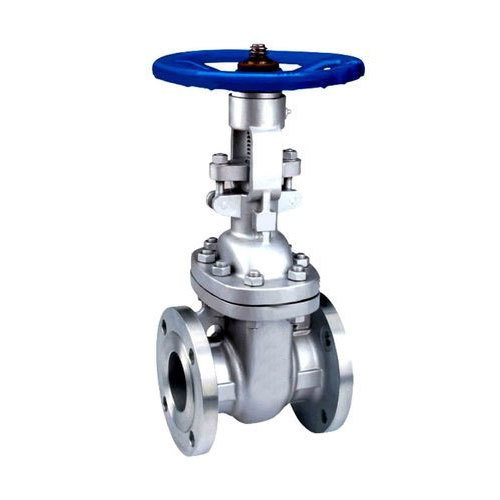
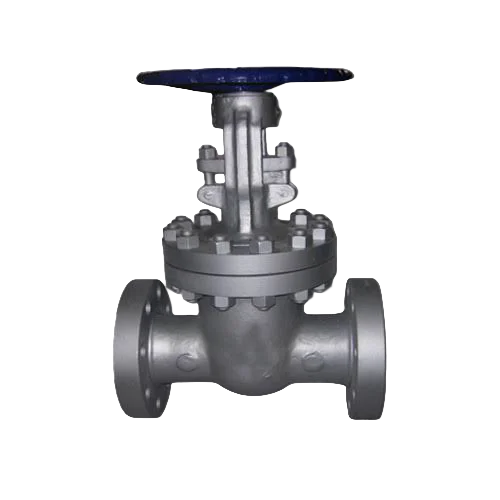
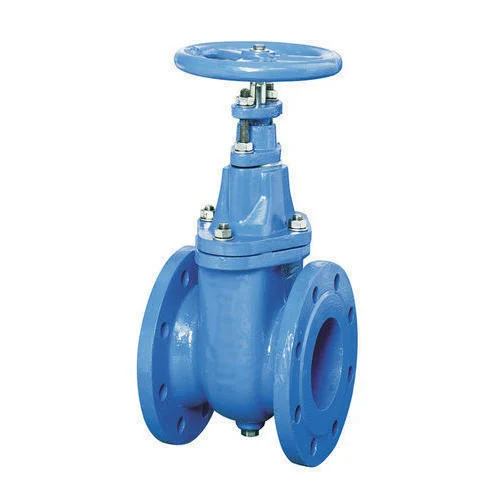
About Material Gate Valves
Gate valves across 44,145 listed configurations — solid and flexible wedge, parallel slide, resilient-seated and cryogenic — DN15–DN600, ASME 150–2500. Compare options and submit an RFQ on Himalay.
API 600; ASME B16.34; IS 14846; EN 1171; EN 1984; AWWA C509/C515; BS 6364; ISO 28921
Gate valves across 44,145 listed configurations — solid and flexible wedge, parallel slide, resilient-seated and cryogenic — DN15–DN600, ASME 150–2500. Compare options and submit an RFQ on Himalay.
01
Specifying Gate Valves: Wedge Type, Trim, Class and Stem
Popular searches in Material Gate Valves
Frequently Asked Questions
How do I select the right metallurgy for a gate valve?
What's the typical MOQ across different gate valve materials?
Is NACE and certified material documentation available?
How is the trim matched to the body metallurgy?
Which end-client approvals do your MSME partners hold?
How long does a gate valve order take by material?