Irrigation, Gas & Fire Valves
Utility valves for irrigation networks, gas supply lines, and firefighting water systems.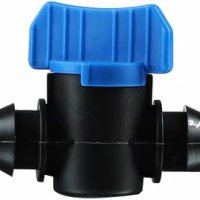
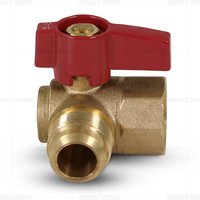
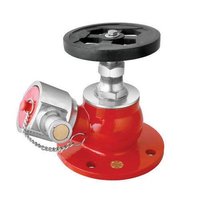
Irrigation sluice, butterfly and air valves, gas train ball and solenoid valves, and fire hydrant landing valves from India in cast iron, ductile iron, brass and gunmetal.
Sourcing at a Glance
- Standards / Certifications
- IS 14846, ASME B16.34, API 598
Choosing Irrigation, Gas and Fire Valves: Family by Duty
Why these families sit together. Irrigation, gas and fire valves share buyers, contractors, utilities, developers, plant engineers fitting out sites, but they answer to three different rulebooks. Water hardware follows waterworks standards and foundry practice; gas hardware follows tightness and appliance-safety regimes; fire hardware follows the approvals of fire authorities and insurers. The most common sourcing mistake in this segment is specifying one family in the vocabulary of another.
Irrigation and waterworks. The workhorses are sluice valves, the waterworks gate valve, specified in India to IS 14846 with cast iron or ductile iron bodies, gunmetal seating and non-rising stems for chamber and buried service, in PN10 and PN16 through DN1200. Around them sit butterfly valves for pump station isolation and coarse control, reflux (swing check) valves protecting pumps, foot valves holding prime on suction lines, and air valves, single and double orifice, that release air pockets from rising mains and admit air on draining, without which pipelines airlock and surge. Specify by size, rating, operating arrangement (handwheel, cap top for key operation, gearbox), and coating; buried service usually calls for fusion-bonded epoxy.
Gas service. Gas train and distribution valves are specified by gas type, pressure band and tightness, not by DN and PN habit alone. Manual isolation is typically forged brass or steel ball valves rated for gas; automatic safety shut-off is by solenoid valves certified for burner duty; appliance and cylinder connections use cocks and needle valves in brass. Elastomer compatibility matters, LPG attacks some seal grades, and external leakage is a safety issue rather than a nuisance, so state the gas and pressure and require gas-duty test certificates. For burner trains, the valve is part of a safety chain; send the burner specification with the enquiry.
Fire protection. Landing valves, oblique or right-angle gunmetal or stainless valves with instantaneous hose couplings, are the visible item, backed by wet riser assemblies, hydrant main isolation valves kept locked or supervised open, and riser check valves. Here the controlling specification is the fire code and approval regime at the destination: coupling patterns, working pressures and required markings differ by country, and an unapproved valve may be rejected at commissioning regardless of quality. State the applicable code and approval explicitly.
Materials across the hub. Cast iron and ductile iron for waterworks bodies; gunmetal and bronze for seatings, landing valves and corrosion-exposed fire hardware; forged brass for gas; stainless where prestige buildings or coastal exposure demand it.
What to state in the enquiry. For each line: family and duty, size, pressure rating or band, material, governing standard or approval (IS 14846 for sluice valves; the fire code for landing valves; the gas regime for train components), end connection or coupling pattern, operating arrangement, coating, quantity, and destination country so approval marks and packing are quoted correctly.
How Irrigation, Gas and Fire Valves Work
Three duties, three kinds of physics. Water infrastructure valves manage large, slow, silty flows where surge and airlock are the enemies. Gas valves manage a compressible, invisible, flammable fluid where the enemy is leakage measured in bubbles. Fire valves must do nothing for years and then work instantly at full pressure. The engineering inside each family follows its enemy.
Waterworks mechanics. A sluice valve lifts a wedge clear of the bore, so an open valve costs almost no head, which matters when pumping water over kilometres. Non-rising stems keep the mechanism inside the body for buried chambers; gunmetal seat rings resist the dezincification and corrosion that raw water inflicts on iron. The subtle actors are the air valves: as a rising main fills, air collects at high points, throttling flow like a partial closure; a large-orifice air valve expels it during filling, while a small-orifice valve vents the air that continuously comes out of solution under pressure. On draining or column separation, the same valves admit air to stop vacuum collapsing the pipe. Reflux valves at pump stations close on flow reversal to keep the column from spinning pumps backwards; their closing speed against the decelerating column decides whether shutdown is quiet or hammering.
Why surge dominates water design. A kilometre of DN600 main carries tonnes of moving water; stop it abruptly and pressure spikes travel the line at the speed of sound in water. Slow multi-turn closure of sluice valves, controlled check valve dynamics and correctly placed air valves are the three defences, which is why waterworks specifications obsess over operating gear ratios and air valve sizing more than shutoff class.
Gas tightness mechanics. Gas escapes through paths water never finds, so gas valves rely on resilient sealing throughout: polymer-seated ball valves whose seats conform under preload, solenoid valves whose sealing disc presses a moulded elastomer onto a machined orifice. External sealing, stem O-rings, body joints, is engineered and tested to the same seriousness as the seat, because external leakage is the hazard. Solenoid shut-off valves in burner trains are held open electrically against a spring; any power loss, flame failure or interlock trip de-energizes the coil and the spring closes the valve in milliseconds, the fail-safe logic on which burner safety rests. Pressure in a gas train falls across regulators in stages, so each valve is specified for its band; a valve tight at millibars may not be the right component at bar-level inlet pressure.
Fire hardware mechanics. A landing valve is a globe-pattern valve feeding an instantaneous coupling: globe geometry because it throttles well, letting a firefighter control flow from a pressurized riser without slam. The isolation valves on hydrant mains are locked or electronically supervised open, because their only failure that matters is being found closed during a fire. Riser check valves hold the system charged. Everything in the family is built for the long-idle-then-instant-duty profile: gunmetal and stainless resist seizing corrosion during the idle years, and periodic testing regimes exist because a fire valve's first real operation must not be its first operation ever.
What this means for buyers. Specify water valves for head loss, surge behaviour and buried-service corrosion; gas valves for certified tightness, seal compatibility and fail-safe action; fire valves for approvals and guaranteed readiness. State medium, pressure, standard and approval per line in the enquiry, and each family arrives built for its own enemy.
Frequently Asked Questions
- What is the difference between a sluice valve and an ordinary gate valve?
- Mechanically they are the same family: a wedge lifted out of the flow path by a threaded stem. Sluice valve is the waterworks term, and in India it points to IS 14846: cast iron or ductile iron bodies, gunmetal or bronze seating faces, inside-screw non-rising stems suited to buried and chamber installation, and PN10 or PN16 ratings. For water distribution or irrigation, enquire for sluice valves to IS 14846 with size, rating and operating arrangement; for process plant, specify an industrial gate valve instead, since testing and trim conventions differ.
- What matters most when specifying valves for a gas train?
- Tightness and compatibility come first. State the gas (natural gas, LPG, biogas) and the inlet pressure band, and require valves rated and tested for gas duty: soft-seated ball valves and solenoid shut-off valves with proven external and seat tightness, in gas-compatible materials; forged brass and carbon steel are usual, and some elastomers swell in LPG, so seal grades matter. For automated burner trains, safety shut-off valves are certified components of the burner management system; state the approval regime in your country and quantity per train, or send the burner specification instead.
- Which fire hydrant valves do Indian manufacturers commonly supply for export?
- The core export items are oblique and right-angle landing valves in gunmetal or stainless steel with instantaneous couplings for hose connection, wet riser and courtyard hydrant assemblies, and the supporting isolation hardware, gate or butterfly valves kept locked open on hydrant mains, plus riser check valves. The controlling requirement is the destination fire code and the approvals your authority or insurer demands. State the applicable code, coupling pattern (which differs regionally), working pressure and finish in the enquiry, and confirm the approval mark before ordering.
- Can I put all three families on one RFQ?
- You can submit one enquiry for a project, but keep the line items separated by family, because different works often manufacture them: waterworks foundries for sluice and air valves, brass forging shops for gas cocks and ball valves, and fire equipment specialists for landing valves and hydrant fittings. For each line state size, pressure rating, material, standard or approval, end connection or coupling pattern, and quantity. A tender-style schedule attached to the enquiry works well, and platform manufacturers will quote the lines they are vetted for, giving you comparable prices per family.