Pump Gearbox
Source pump gearbox from India's verified manufacturers and exporters on Himalay. Browse positive displacement pumps, dynamic pumps, specialty pumps, hydraulic cylinders and pneumatic cylinders for industrial and export applications.
Browse Pump Gearbox by Type
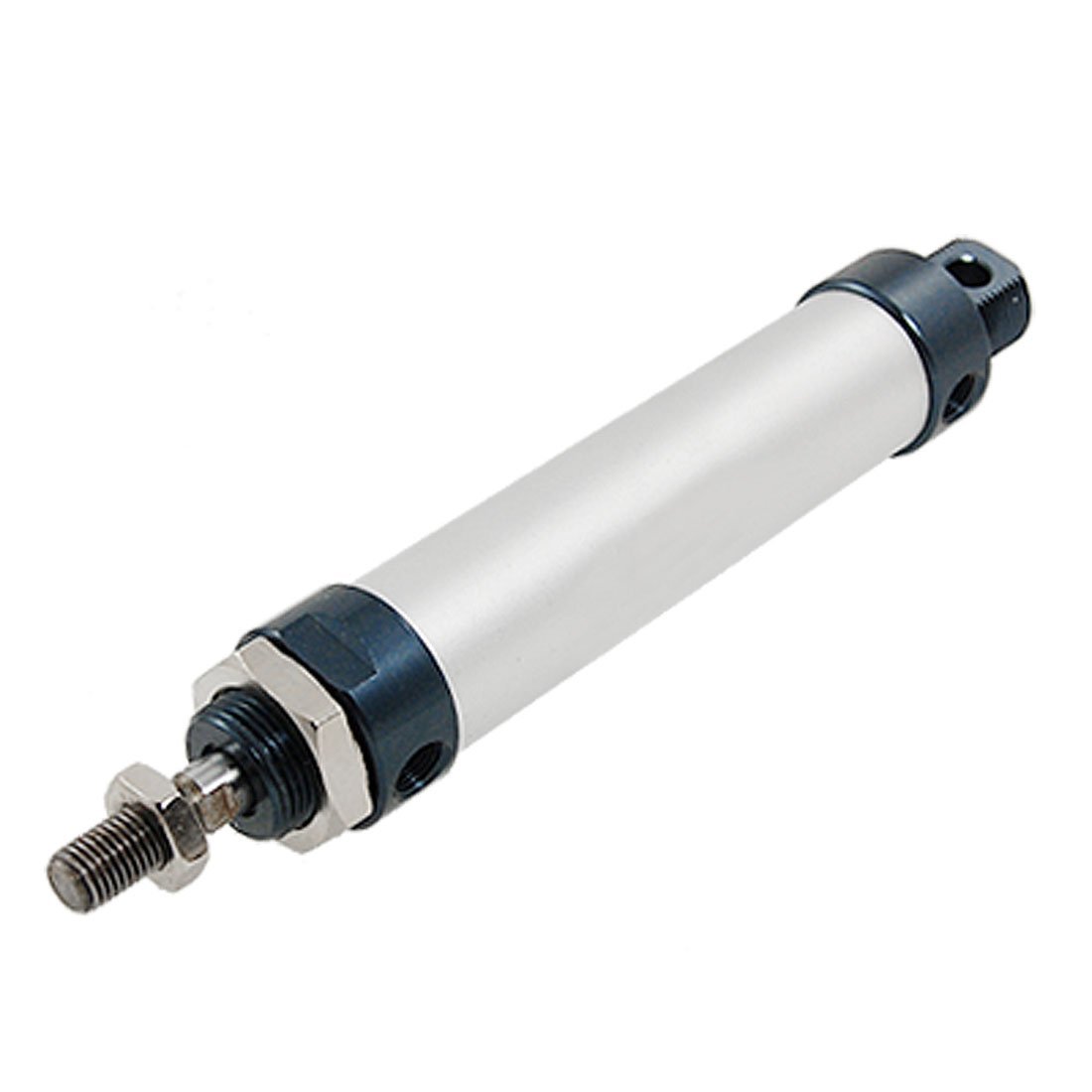
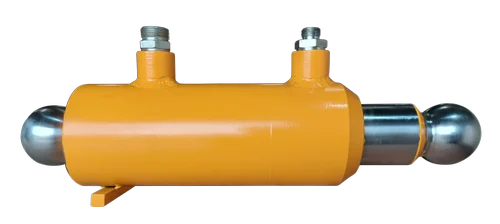
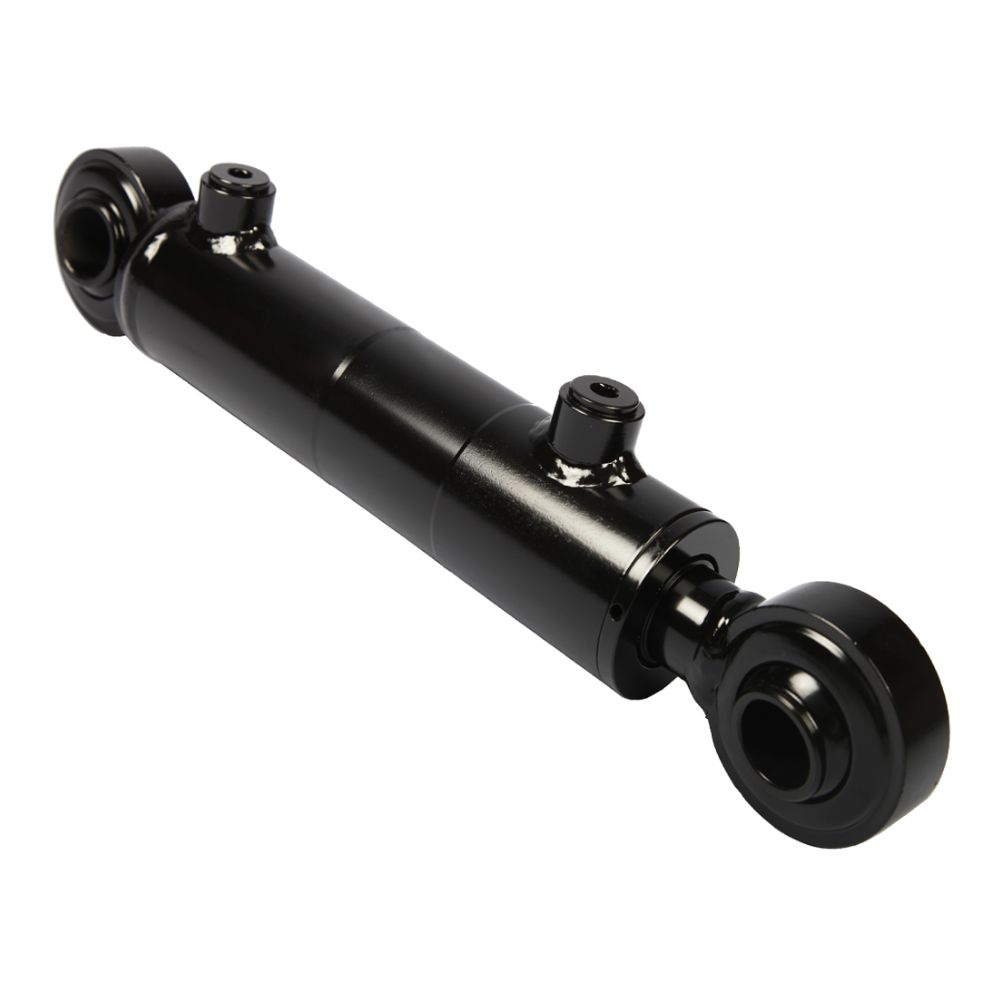
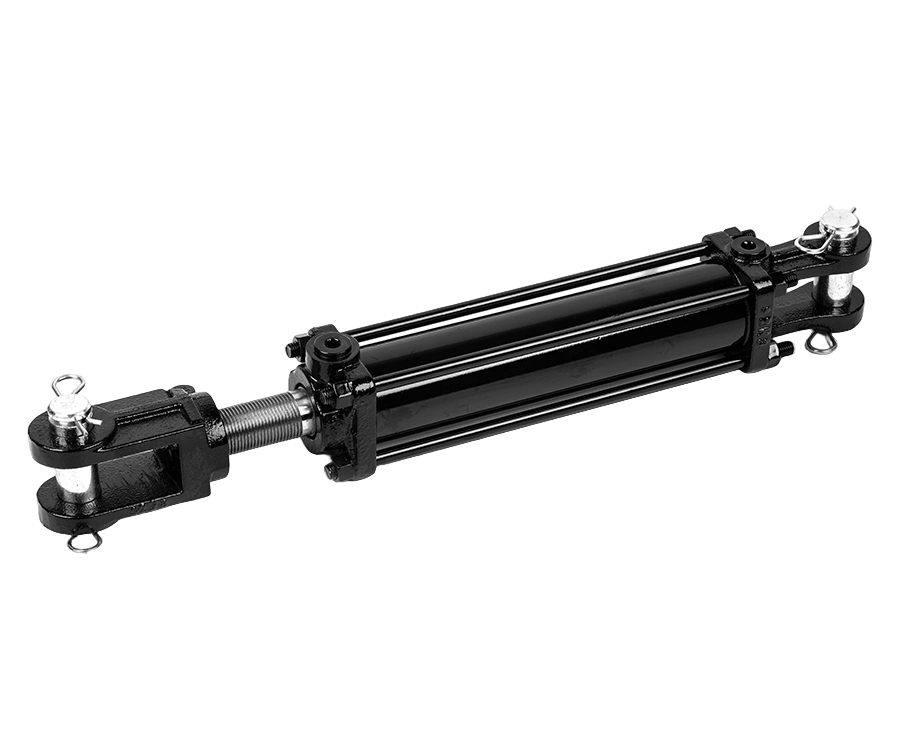
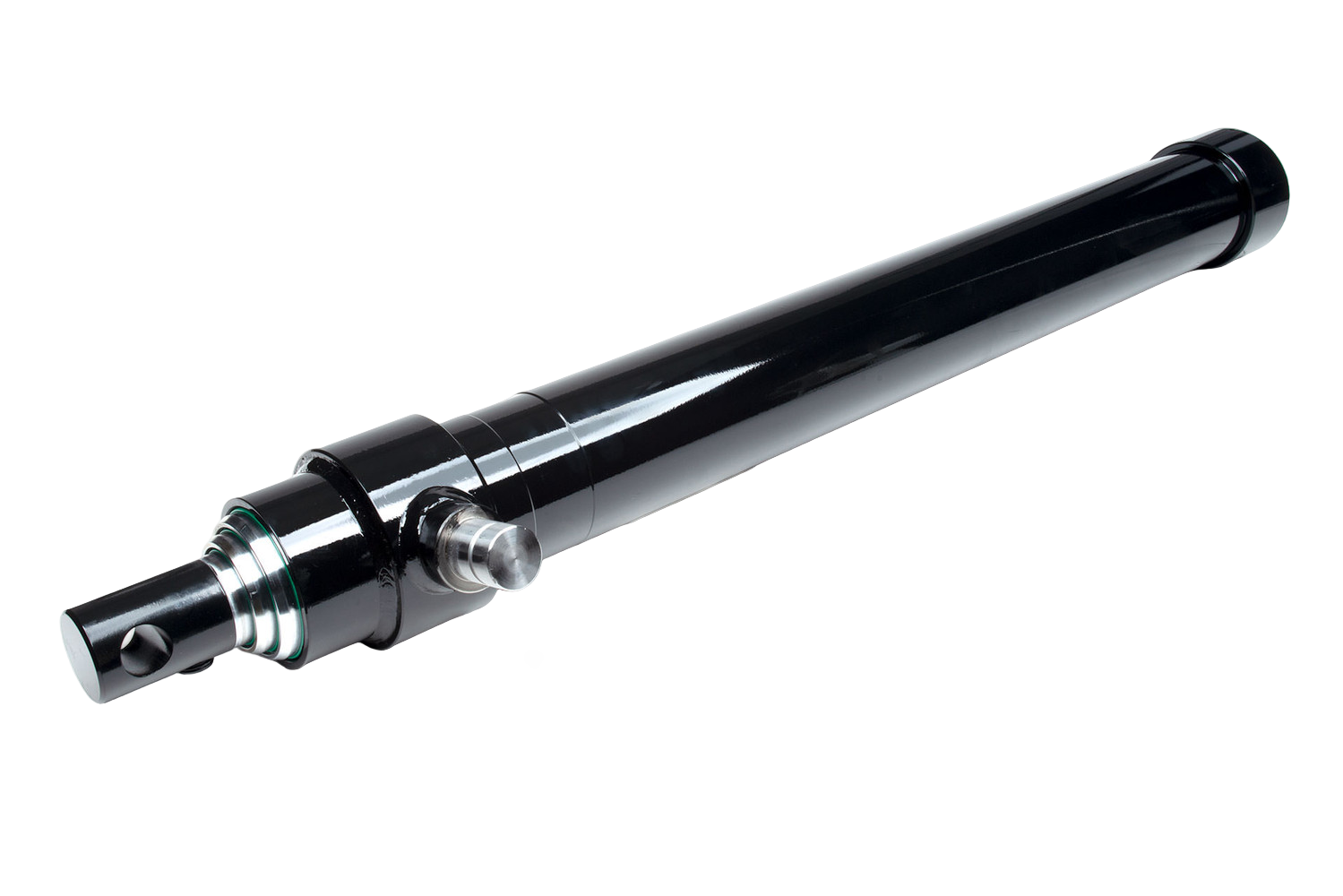
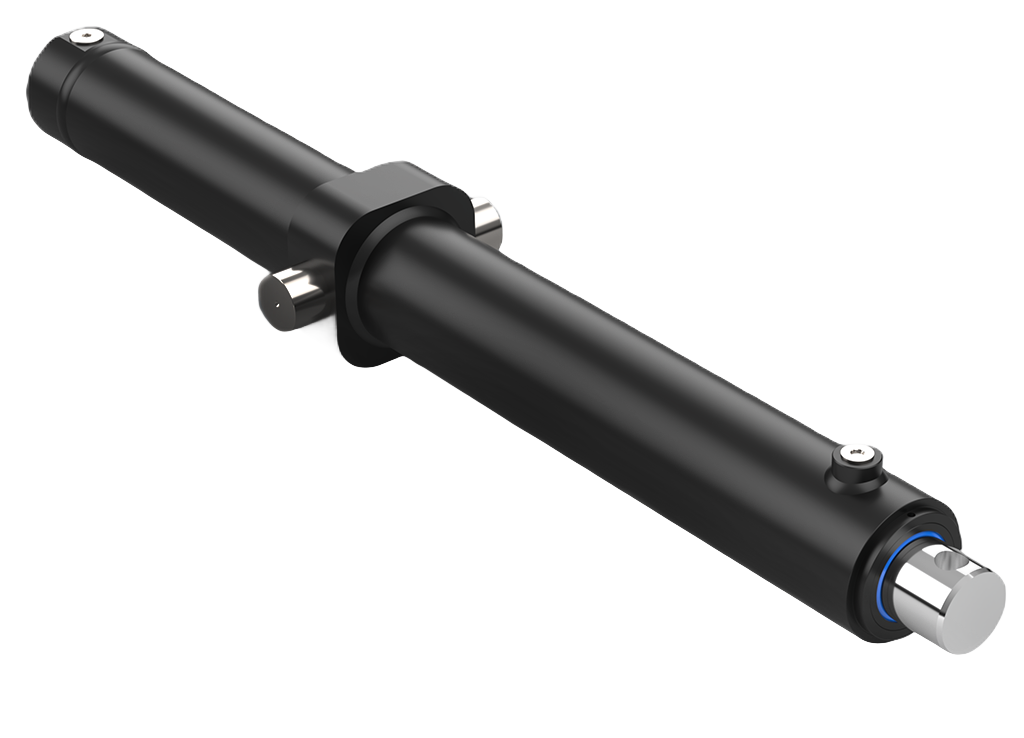
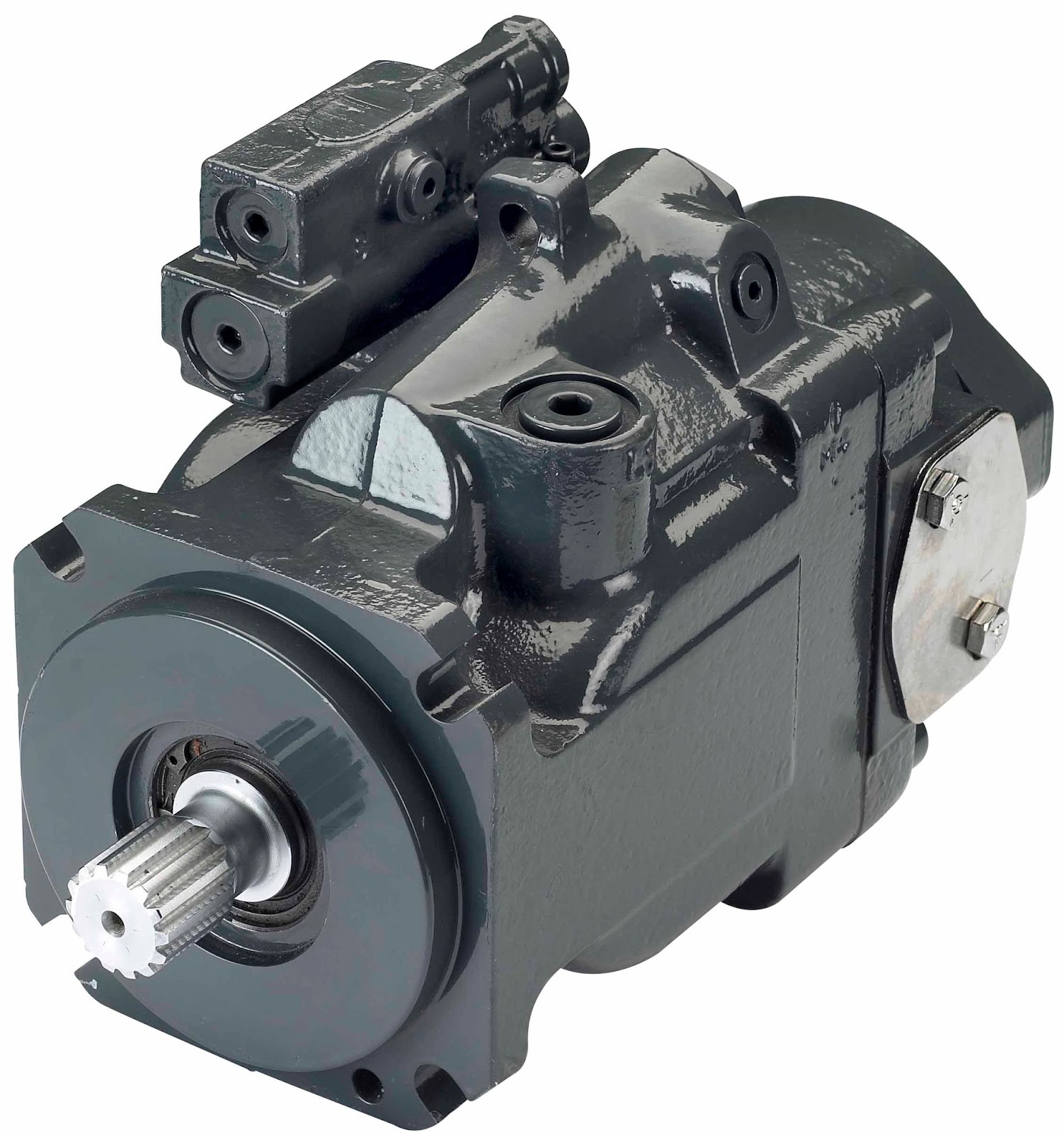
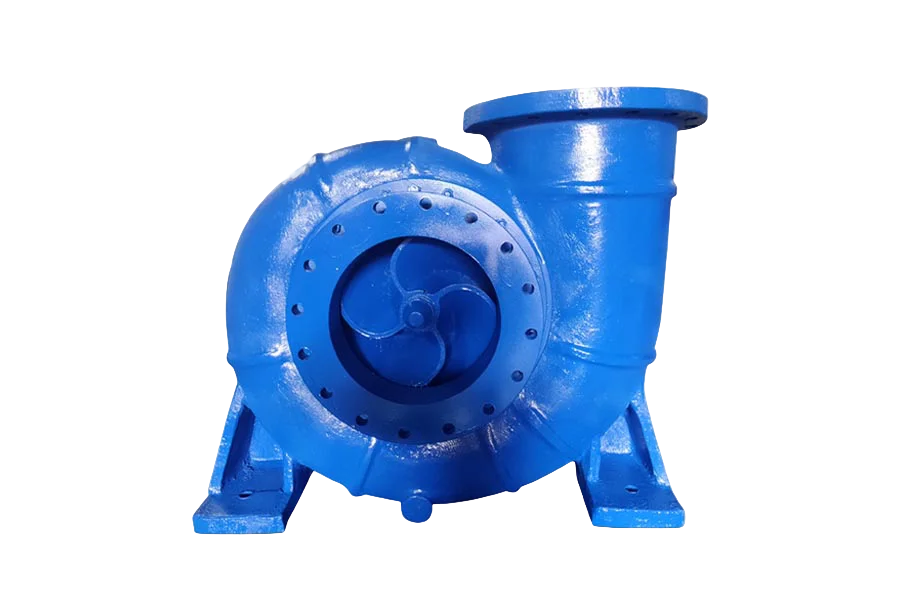
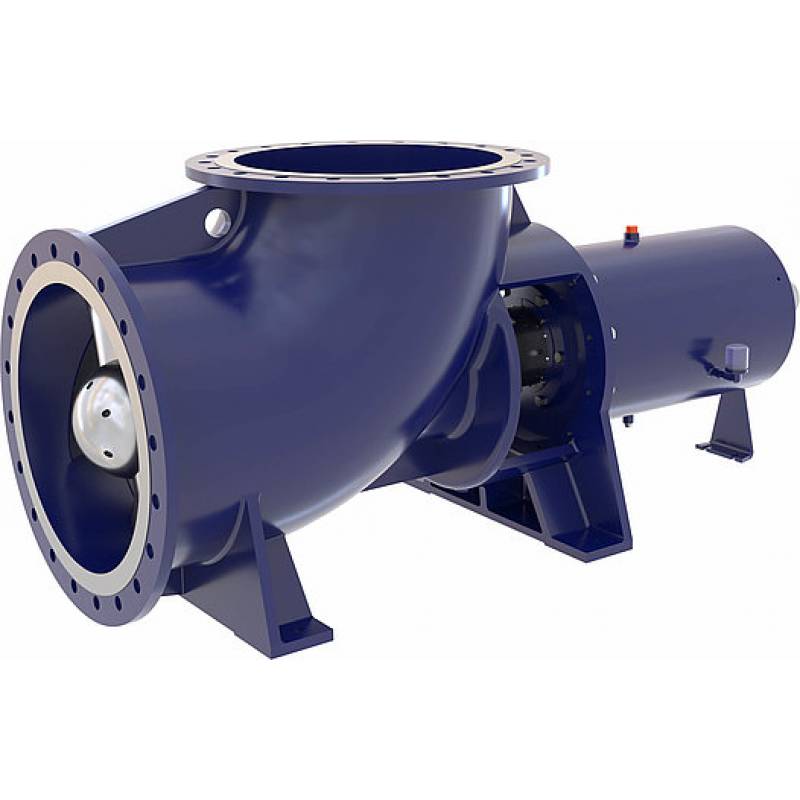
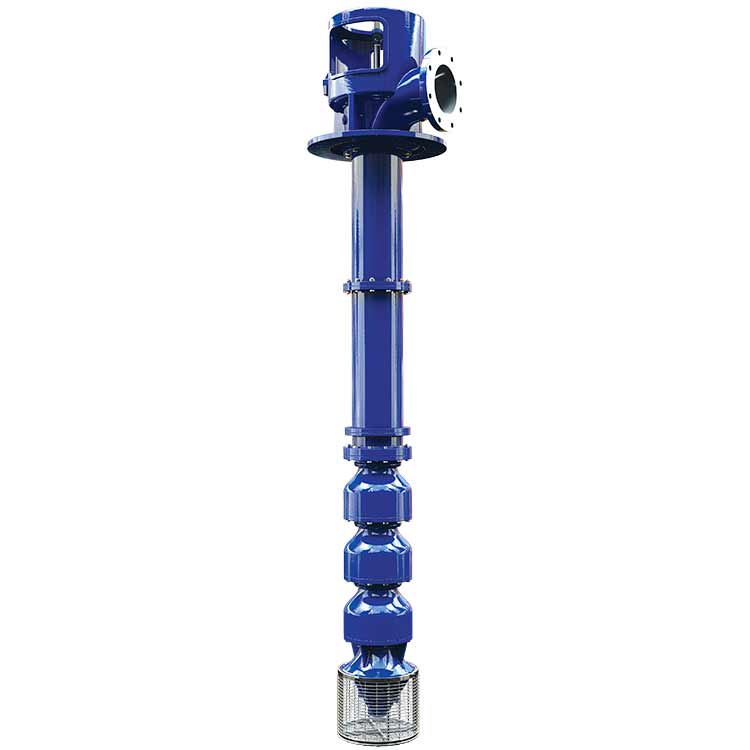
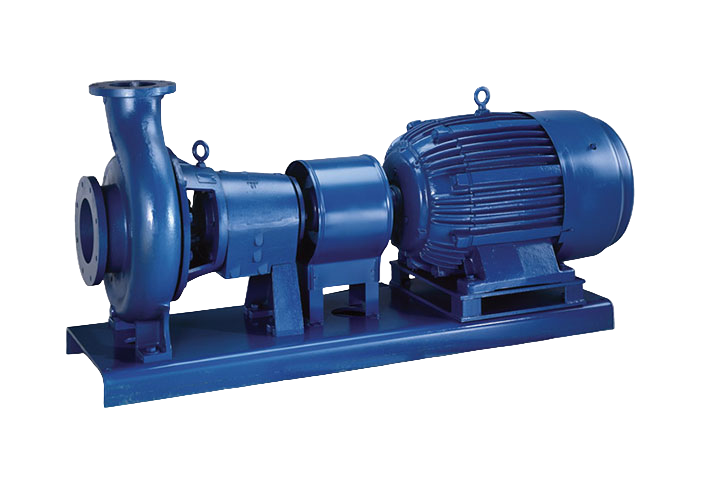
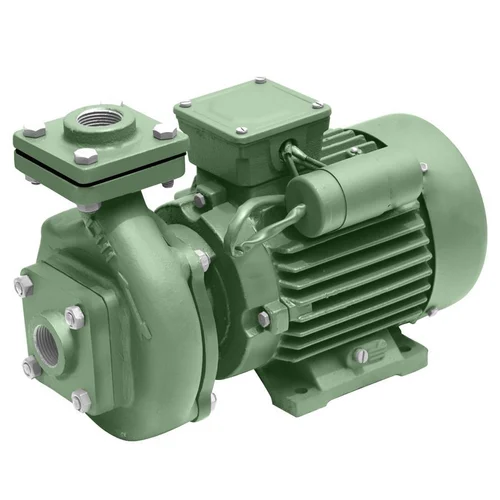
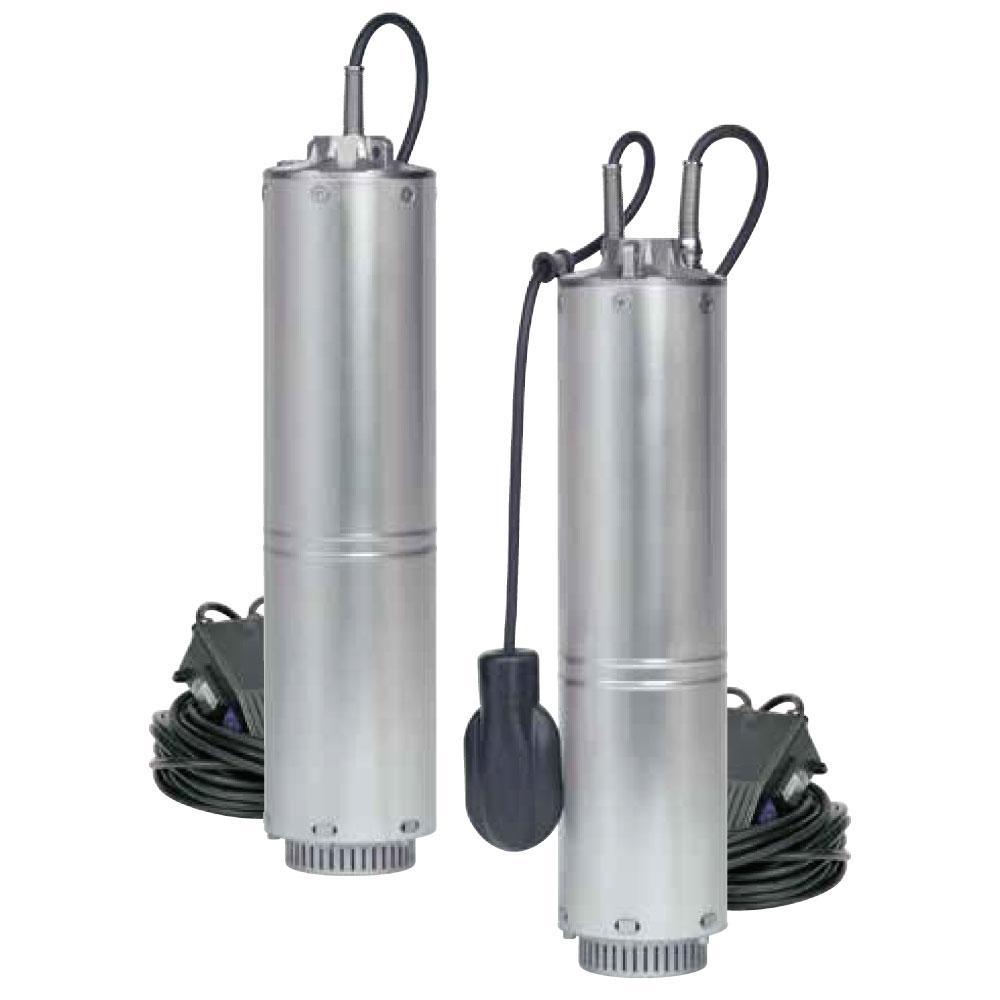
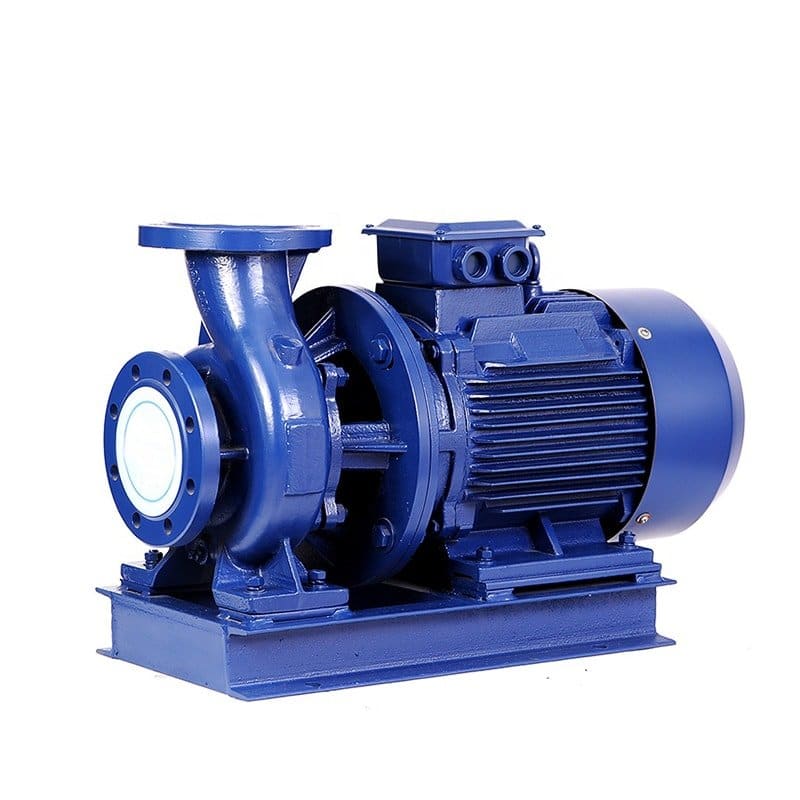
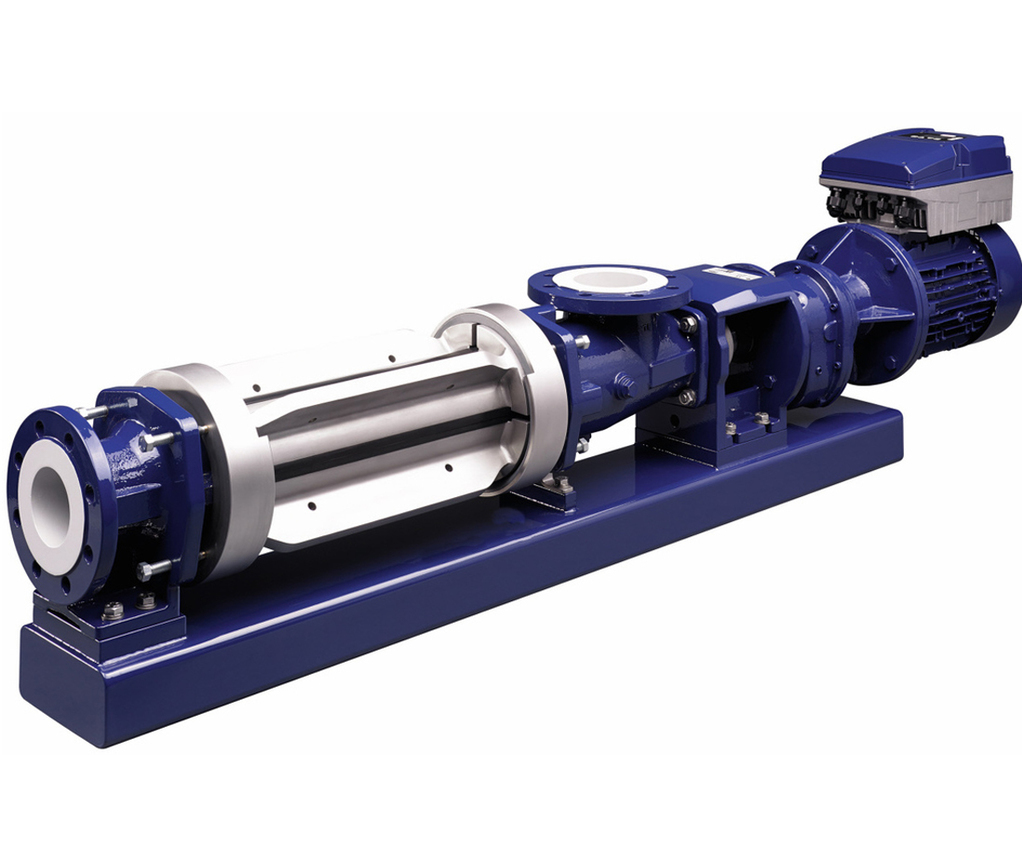
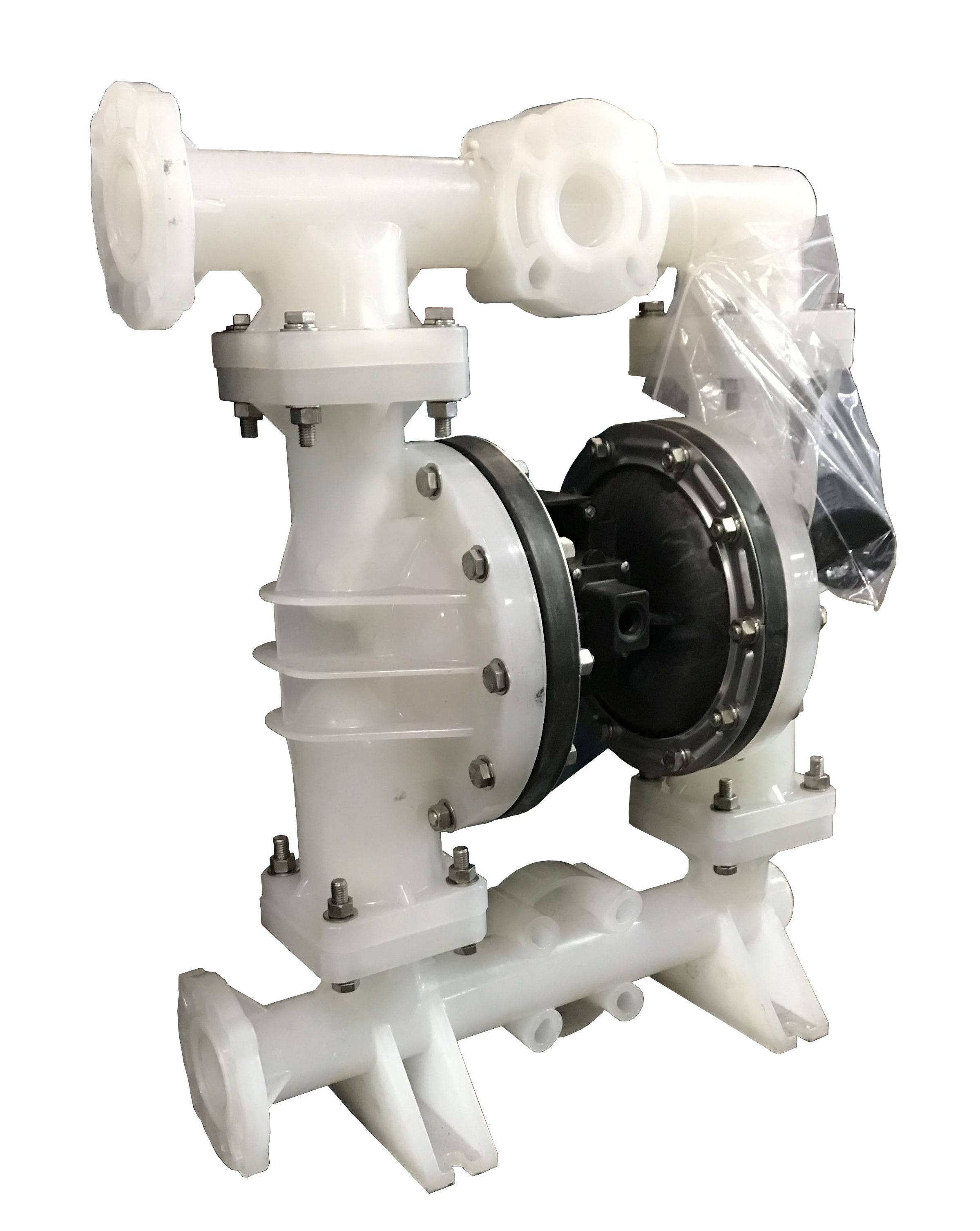
About Pump Gearbox
A pump gearbox is an application-engineered drive that adapts a motor's speed and orientation to a pump's shaft while carrying the pump's external loads — typically a right-angle or vertical reducer for a vertical-shaft pump, or a speed-increasing/decreasing unit between a prime mover and a process pump. It is built around the pump's needs: a hollow or solid output matched to the pump shaft, bearings sized for any thrust and overhung load the pump transmits, and on vertical pumps a thrust-capable output that can also support the rotating element. Because the pump dictates the loads, this is an engineered assembly rather than a stock gearmotor.
Pump drives commonly use single- or two-stage helical or bevel-helical trains with ratios from about 1:1 (speed match) to 40:1, power from a few kW to several hundred kW, and efficiency near 96-98%. Rating follows AGMA 2101/ISO 6336 with AGMA 6010 enclosed-drive practice and ISO 1328 / AGMA 2015 gear quality, with service factor selected to the pump duty (steady process flow versus frequent start/stop or variable-load service).
Gears are case-hardened, ground alloy steel (18CrNiMo7-6 / 20MnCr5) in cast-iron or fabricated housings on bearings sized for pump thrust and overhung load, with seals suited to the fluid and environment and, on vertical units, a non-reverse ratchet where back-flow must be prevented.
Integration covers motor coupling or adapter, a pump-matched output flange or hollow shaft, thrust provision, optional non-reverse device, and mineral or synthetic PAO ISO VG 220/320 lubrication, with service factor set to the pumping duty and ambient.
Himalay's MSME partners manufacture pump gear drives with gear-rating to AGMA/ISO 6336, ISO 9001 quality systems, load and efficiency test reports and traceability; CE (Machinery Directive), ATEX/IECEx for hazardous areas, and SABER (Saudi Arabia) coordinated as part of the standard order flow.