Material-Based Bolts
Source material-based bolts from India's verified manufacturers and exporters on Himalay. Browse the full range for industrial and export applications.
About Material-Based Bolts
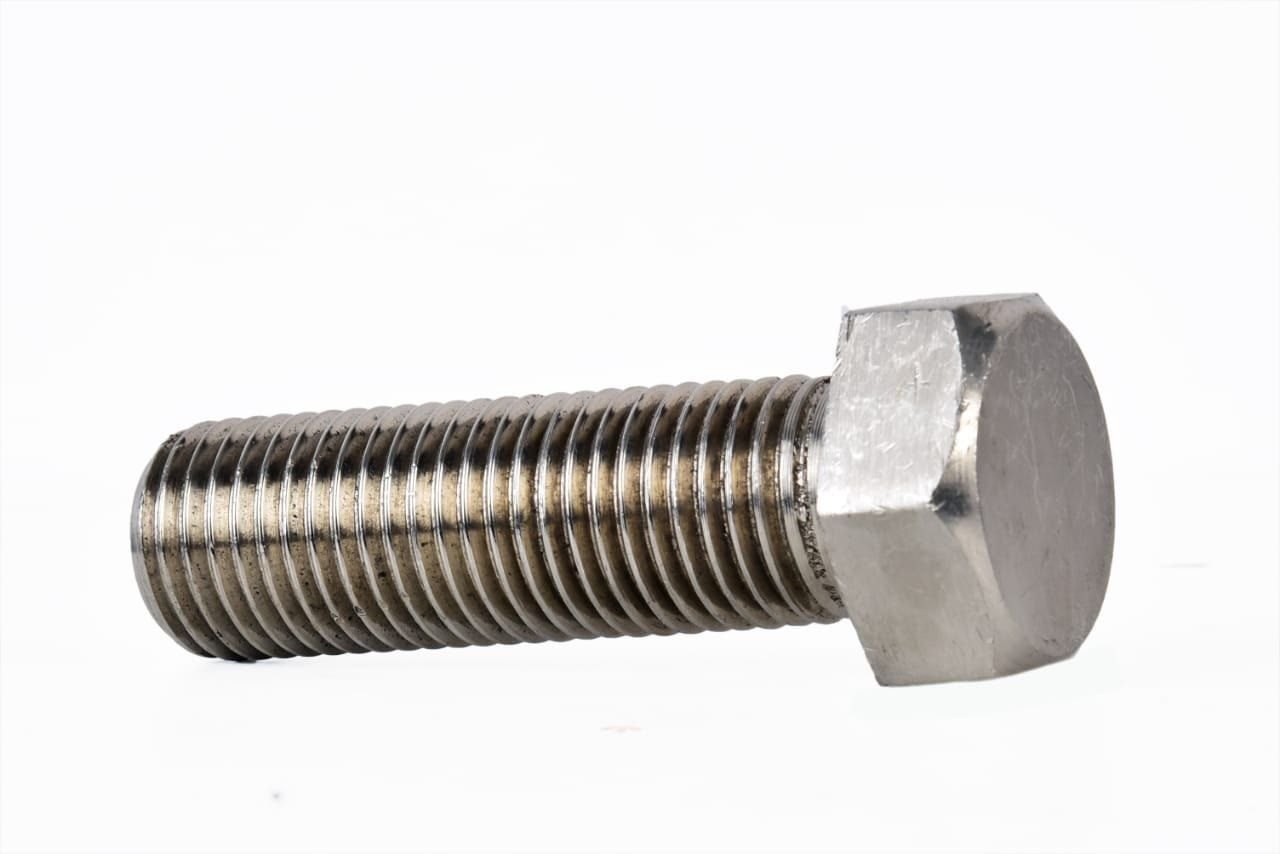
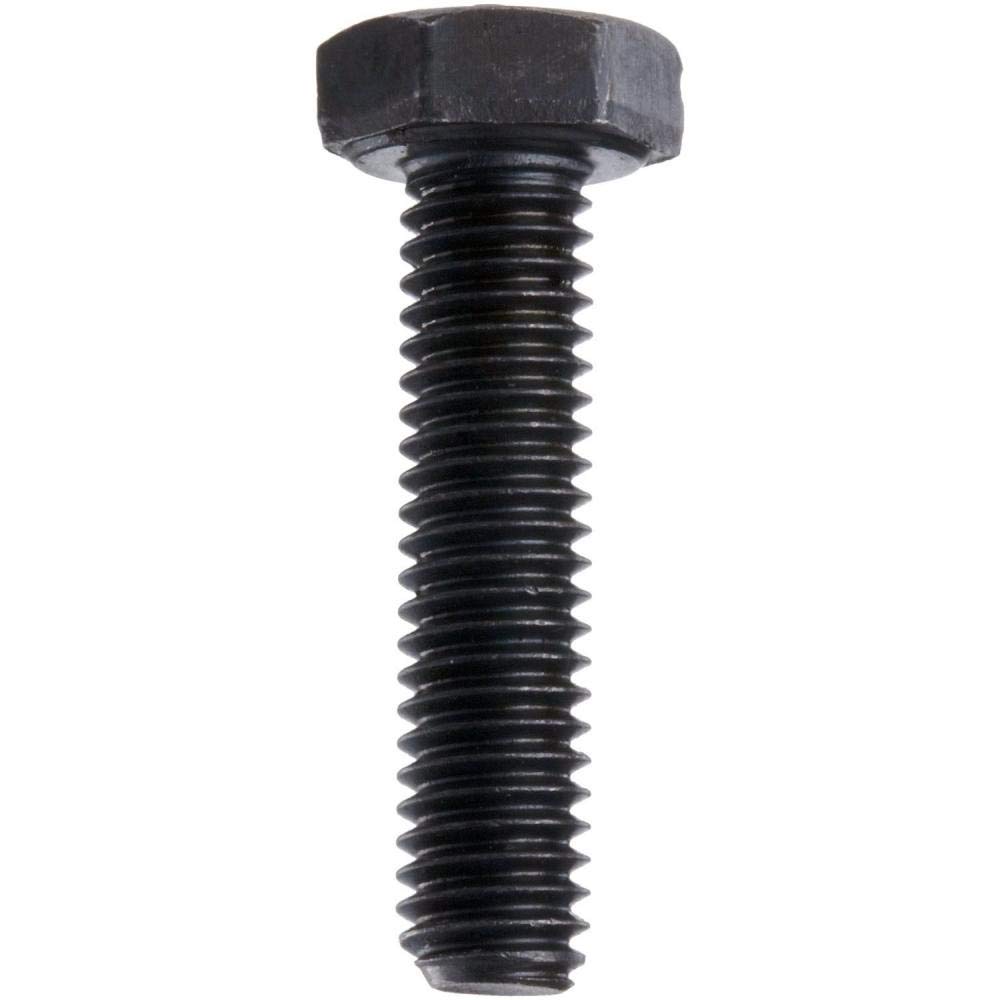
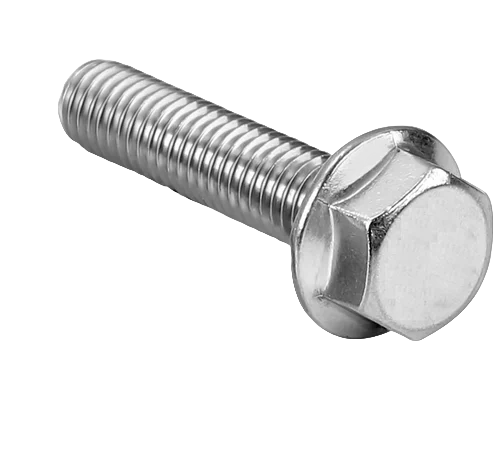
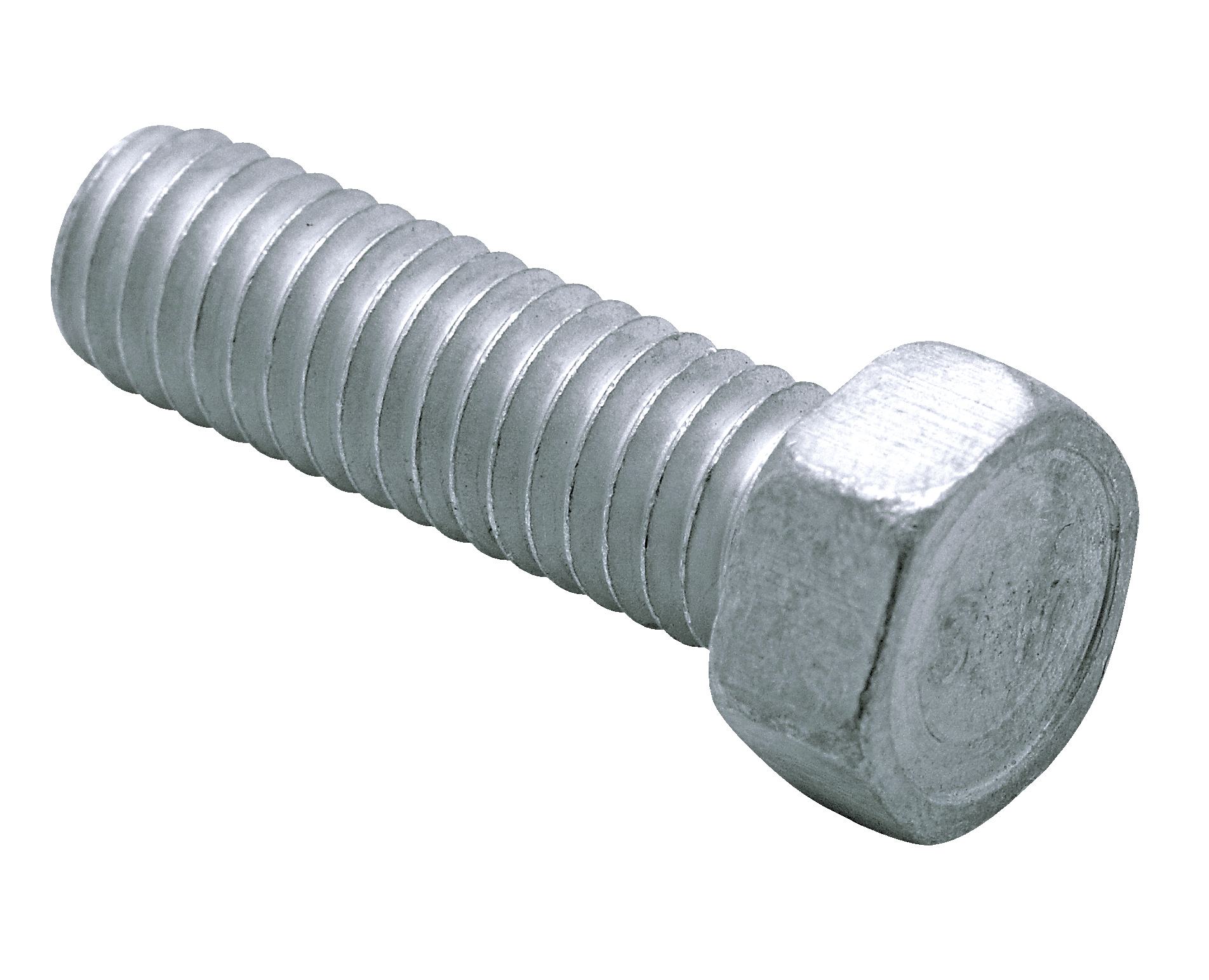
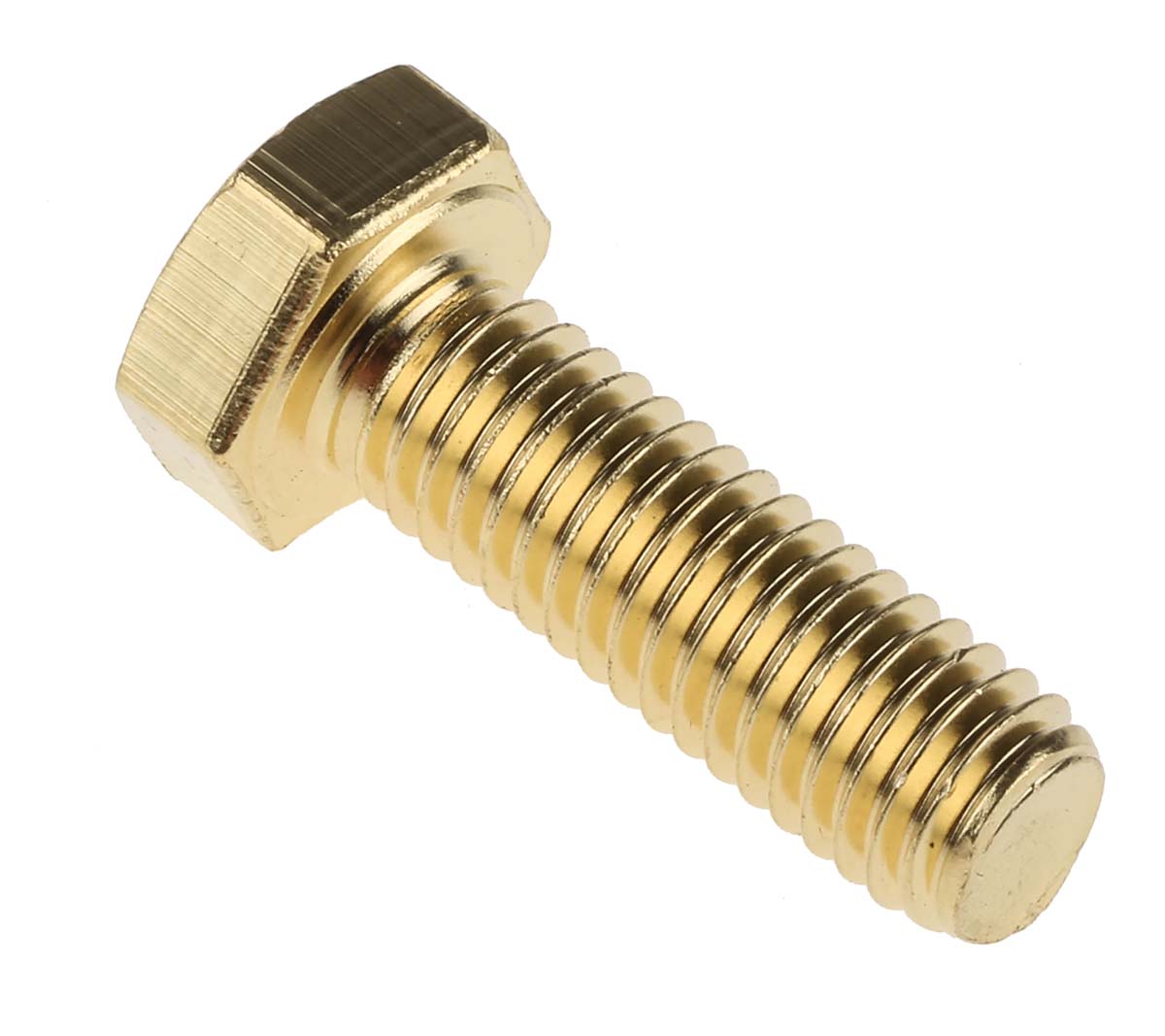
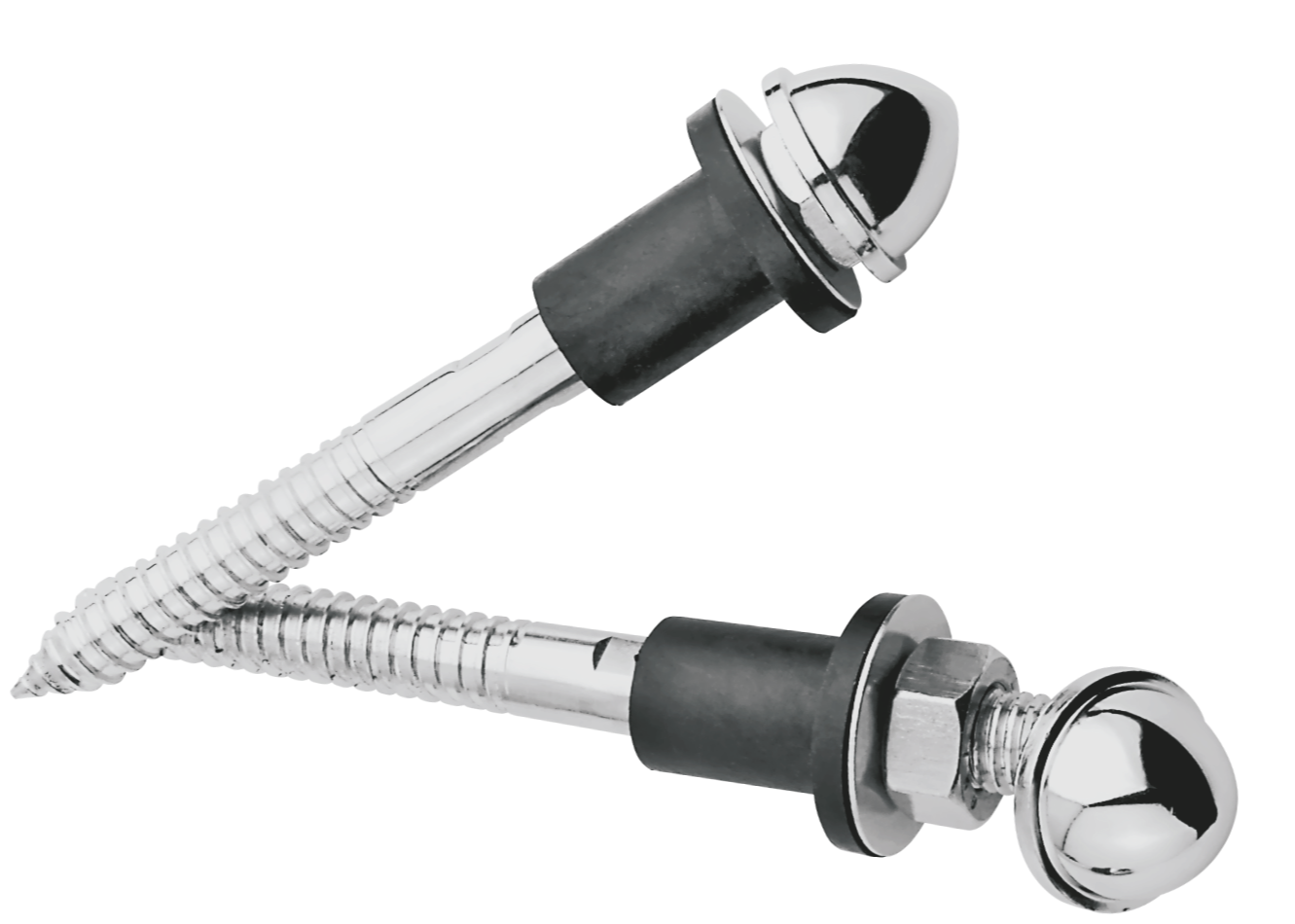
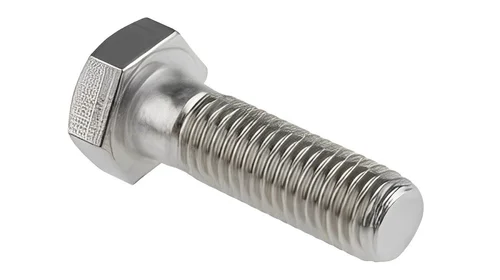
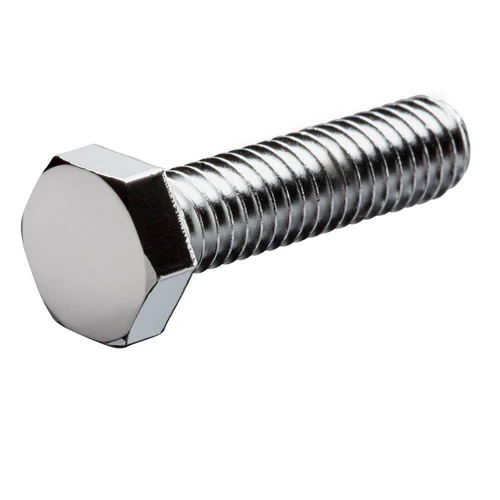
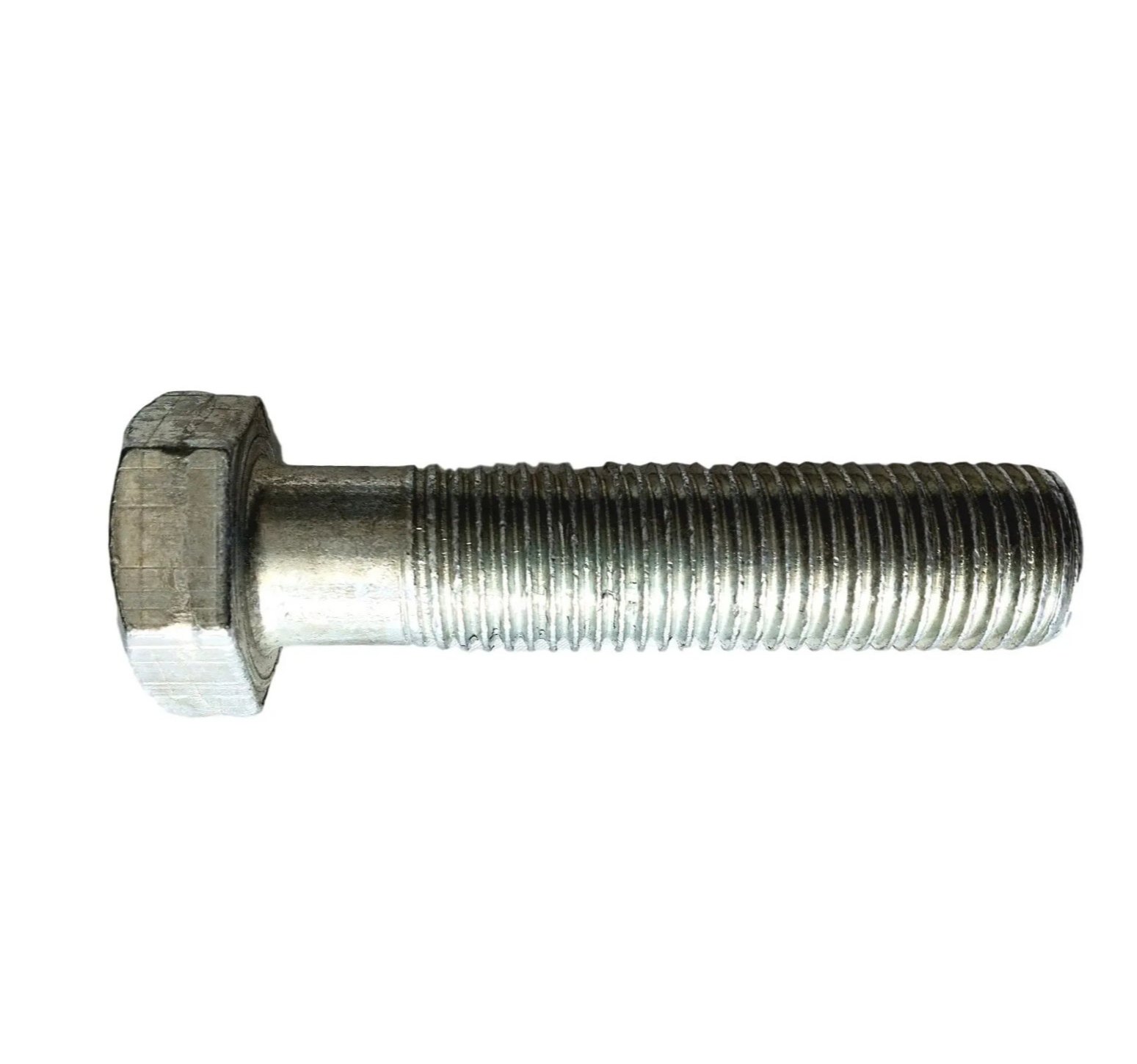
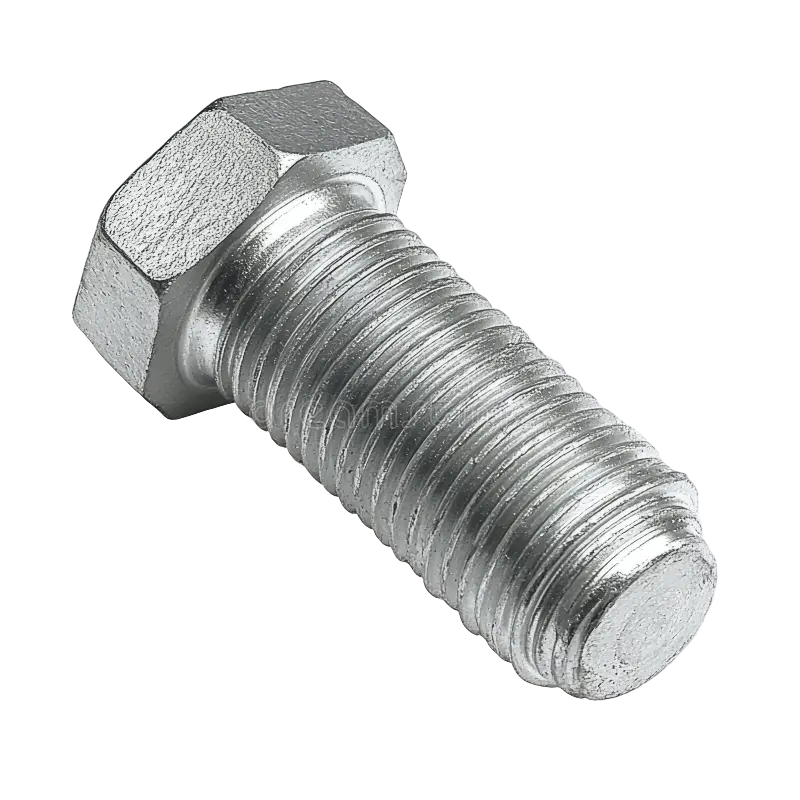
Material-based bolts are externally threaded fasteners grouped by the metallurgy of the bolt body rather than by application, so that buyers can specify the right strength, corrosion and temperature behaviour for a given service. The category spans carbon-steel, alloy-steel, stainless and non-ferrous bolting used across structural, piping, pressure and general-engineering assemblies. Carbon and alloy grades typically follow ISO 898-1 property classes 8.8, 10.9 and 12.9, where the first number reflects nominal tensile strength (for class 8.8, around 800 MPa) and the second the yield ratio. For high-temperature and high-pressure bolting, ASTM A193 Grade B7 (heat-treated chromium-molybdenum, AISI 4140 type) and stainless A193 B8/B8M (304/316) are common, while ASTM A320 Grade L7 covers low-temperature service with mandatory Charpy impact testing. Stainless options in A2 (304) and A4 (316) suit corrosive and marine duty; non-ferrous brass and silicon-bronze suit electrical and architectural use. Thread forms generally follow ISO metric coarse and fine pitch, with UNC/UNF available where drawings call for it. Coatings range from electroplated zinc and hot-dip galvanizing (ASTM F2329) to zinc-flake systems such as Geomet and Dacromet and fluoropolymer Xylan/PTFE for low, controlled torque. For sour-service applications, hardness and metallurgy are commonly aligned to NACE MR0175 / ISO 15156 where specified. Himalay coordinates material traceability with EN 10204 3.1 (and 3.2 where required), mechanical test reports, PMI and hardness checks, and salt-spray data for coated lots; PED-CE documentation for EU pressure assemblies and SABER routing for GCC entry are coordinated as part of the standard order flow.