EU-India Free Trade Agreement Concluded After 17 Years of Negotiations
After 17 years of talks, the EU and India concluded a free trade agreement that eliminates tariffs on mechanical components, industrial goods, and chemicals exported from India to the EU.
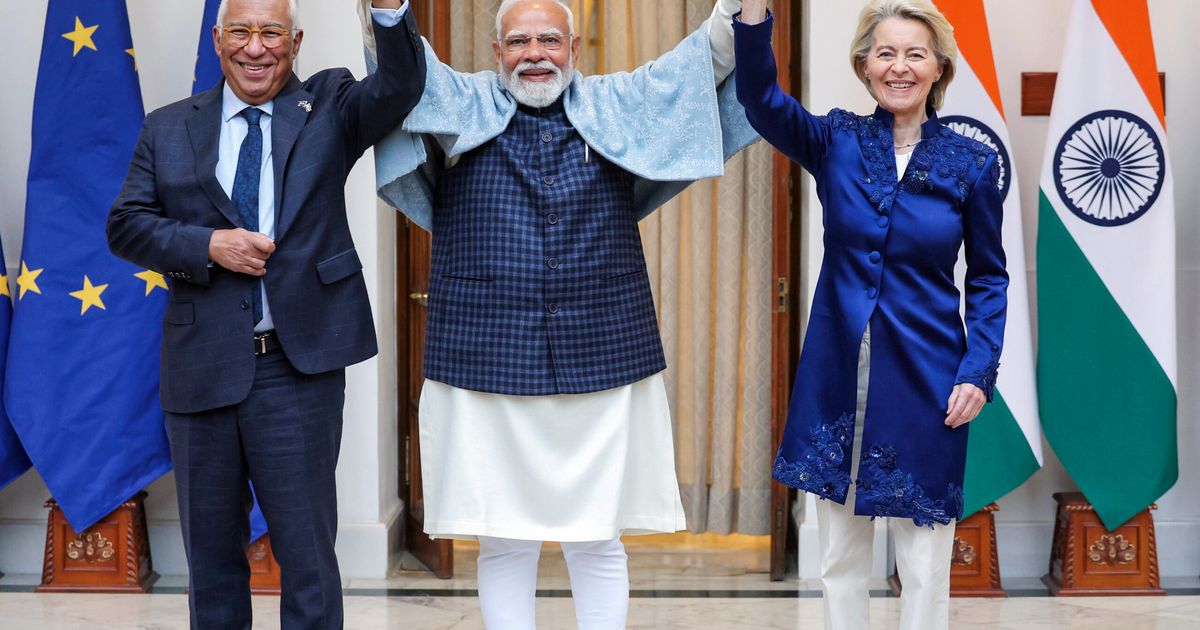
The European Union and India concluded a Free Trade Agreement in early 2026, ending a negotiation process that began in 2007. The agreement eliminates tariffs across several major industrial categories and represents one of the largest bilateral trade deals by population coverage.
Negotiation Timeline
Formal negotiations opened in 2007 and stalled in 2013 over disagreements on market access, intellectual property, and services liberalisation. Talks restarted in June 2022 following a joint EU-India summit. The negotiations nearly collapsed on two separate occasions before the final text was agreed upon in early 2026, according to the European Commission's press release on the EU-India FTA conclusion (February 2026).
The 17-year timeline makes the EU-India FTA one of the longest-running bilateral trade negotiations in modern history.
Tariff Reductions by Category
The agreement eliminates import duties on several categories of industrial goods exported from India to the EU. According to the European Commission's EU-India FTA factsheet (February 2026) and the EU's TARIC (Integrated Tariff of the European Communities) schedule, the key reductions are as follows.
Mechanical components: Tariffs drop from 44% to 0%. Under the previous schedule, a mechanical component with a pre-tariff value of EUR 100 carried a landed cost of EUR 144 after duties. Under the FTA, the same component lands at EUR 100.
Industrial goods (fabricated metal parts, engineered products): Tariffs drop from 22% to 0%.
Chemicals: Tariffs drop from 22% to 0%.
The tariff eliminations apply to goods meeting rules-of-origin requirements specified in the agreement. Phased implementation timelines vary by product category, with some reductions taking effect immediately and others scheduled over transition periods of up to 7 years.
Trade Context
EU-India bilateral trade in goods totalled approximately EUR 120 billion in 2024, according to Eurostat's International Trade in Goods dataset (2024 annual figures). India is the EU's 9th largest trading partner. The EU is India's 2nd largest trading partner after the United States.
The FTA comes at a time when European manufacturers face capacity constraints driven by rising defence procurement (with 55% of military purchases mandated from European factories by 2030) and supply chain disruptions from the Red Sea and Hormuz corridor closures.
Sources: European Commission, EU-India FTA press release and factsheet (February 2026); EU TARIC (Integrated Tariff of the European Communities) schedule; Eurostat, International Trade in Goods dataset (2024 annual figures).
Anurag Deherkar
Writes on cross-border trade, export compliance, and how Indian MSME manufacturers can compete globally. Building Himalay.io to connect quality-assured Indian suppliers with international buyers.
Related insights
.webp) Market Intelligence
Market IntelligenceIndia's MSMEs Account for 48.6% of Merchandise Exports, but Fewer Than 1% of Firms Participate in Trade
 Demand Signal
Saudi Arabia Opens Tender for 672km Railway Linking GCC Network's Final Gap
 Market Intelligence