Dual Closure of Red Sea and Hormuz Shipping Corridors Compounds European Supply Chain Costs
The simultaneous closure of the Red Sea and Strait of Hormuz corridors has driven up freight rates, energy prices, and lead times, accelerating European supply chain diversification.
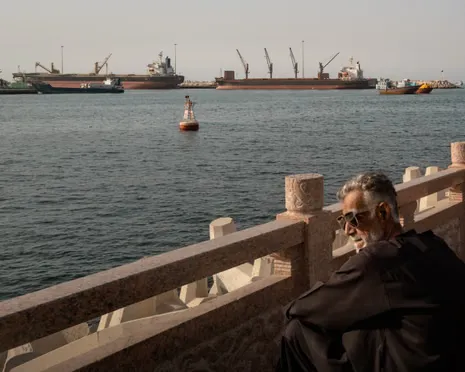
The simultaneous disruption of the Red Sea and Strait of Hormuz shipping corridors has created the most significant constraint on Europe-bound maritime trade in decades. The closures affect the two primary sea routes connecting Asian and Middle Eastern manufacturing hubs to European markets, forcing a large-scale rerouting of global cargo traffic.
Red Sea Disruption and Rerouting Costs
Houthi attacks on commercial vessels in the Red Sea forced carriers to abandon the Suez Canal transit in favour of the Cape of Good Hope route. The reroute adds 10 to 20 days per voyage and $2,000 to $4,000 per container in additional freight costs, according to Reuters shipping desk tracking data published in Q1 2025.
The disruption initially affected Asia-Europe container traffic but has since rippled into broader rate increases. Container rates on Asia-Europe routes rose during the Red Sea crisis period, as reflected in the Drewry World Container Index and the Freightos Baltic Index (FBX) weekly readings from January through March 2025, as available vessel capacity tightened globally.
Strait of Hormuz: Commercial Closure
The Strait of Hormuz disruption compounded the existing Red Sea problem. Over 150 ships were stuck in or near the strait, according to Dryad Global's Maritime Security Threat Advisory issued in early 2026. Five major marine insurers cancelled war risk cover for Hormuz transit. Without war risk insurance, commercial vessels cannot legally or financially transit the corridor. The strait is effectively commercially closed.
Approximately 30% of the world's seaborne crude oil and 20% of global LNG shipments pass through the Strait of Hormuz, according to the US Energy Information Administration's World Oil Transit Chokepoints report (updated 2023). The loss of this corridor triggered immediate repricing in energy markets.
Energy Market Impact
The TTF (Title Transfer Facility) European gas benchmark jumped 75% within one week, rising from EUR 30 to EUR 55 per MWh. Crude oil prices followed. Dryad Global's Maritime Security Threat Advisory reported that a single voyage premium for a $100M tanker increased from $200,000 to nearly $1M in a single day.
The energy price spike has downstream effects on manufacturing costs throughout the GCC. Petrochemicals, polymers, aluminum, and other energy-intensive products produced in the Gulf region face rising input costs, which feed through to export pricing.
Freight Rate Contagion
Even cargo routes not directly transiting either corridor have experienced rate increases. Global shipping operates as an interconnected network. When major corridors close, vessel reallocation and schedule disruptions propagate across routes. The closure of two corridors simultaneously intensifies this contagion effect.
Lead times for rerouted cargo have extended significantly. For supply chains operating on just-in-time principles, delays of 2 or more weeks cascade through production schedules, inventory planning, and downstream delivery commitments.
European Supply Chain Diversification Trends
The European Commission's 2025 Supply Chain Resilience Survey found that 3 out of 4 European companies are now either actively diversifying supply chains or planning to do so.
Observed diversification patterns include nearshoring to Turkey, Eastern Europe, and North Africa, where shorter shipping distances avoid both the Red Sea and Hormuz corridors. India and Southeast Asia have also seen increased sourcing activity. India's merchandise exports rose 5.7% year-on-year during the April 2025 to February 2026 period, according to the India Ministry of Commerce and Industry's monthly Quick Estimates of Foreign Trade.
Companies with existing inventory buffers of 3 or more months reported manageable disruption levels, while those operating with minimal safety stock faced acute supply gaps.
Sources: Dryad Global Maritime Security Threat Advisory (2026); TTF (Title Transfer Facility) European Gas Benchmark; Reuters shipping desk tracking data (Q1 2025); European Commission Supply Chain Resilience Survey (2025); Drewry World Container Index and Freightos Baltic Index (FBX), weekly readings January-March 2025; US Energy Information Administration, World Oil Transit Chokepoints report (2023 update); India Ministry of Commerce and Industry, Quick Estimates of Foreign Trade (April 2025-February 2026).
Anurag Deherkar
Writes on cross-border trade, export compliance, and how Indian MSME manufacturers can compete globally. Building Himalay.io to connect quality-assured Indian suppliers with international buyers.
Related insights
.webp) Market Intelligence
Market IntelligenceIndia's MSMEs Account for 48.6% of Merchandise Exports, but Fewer Than 1% of Firms Participate in Trade
 Demand Signal
Saudi Arabia Opens Tender for 672km Railway Linking GCC Network's Final Gap
 Market Intelligence