Linear Bearing
Source linear bearing from India's verified manufacturers and exporters on Himalay. Browse the full range for industrial and export applications.
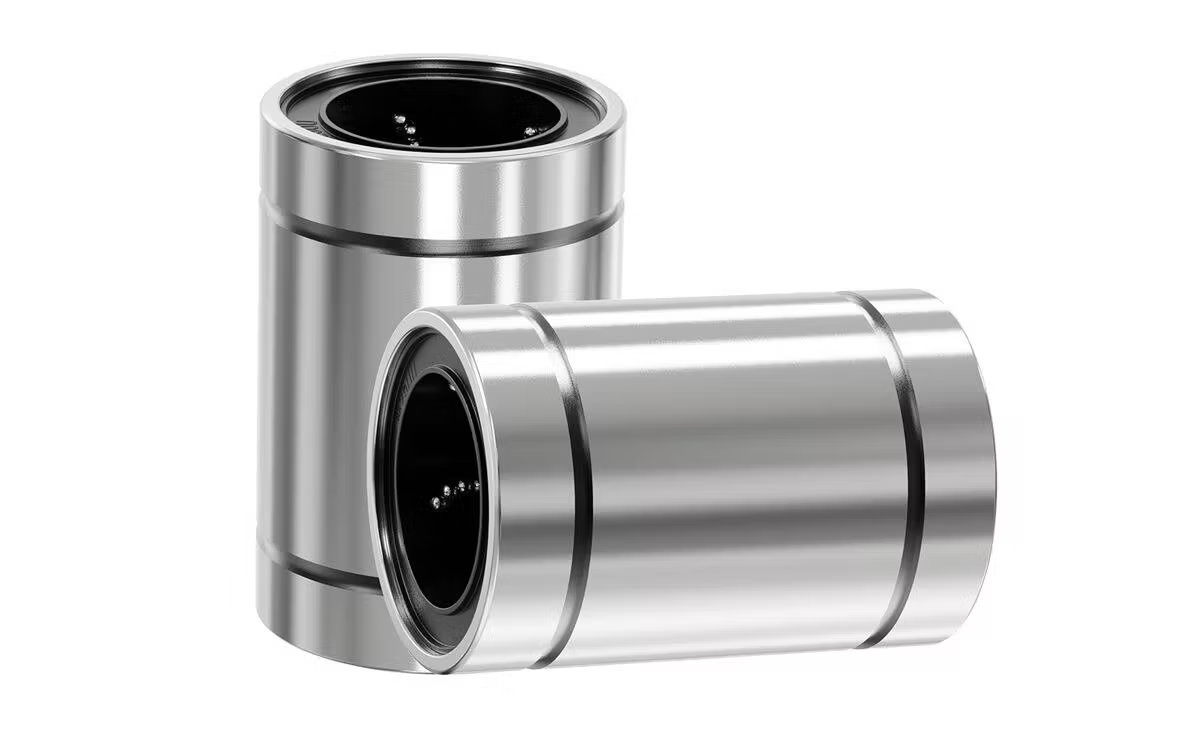
About Linear Bearing
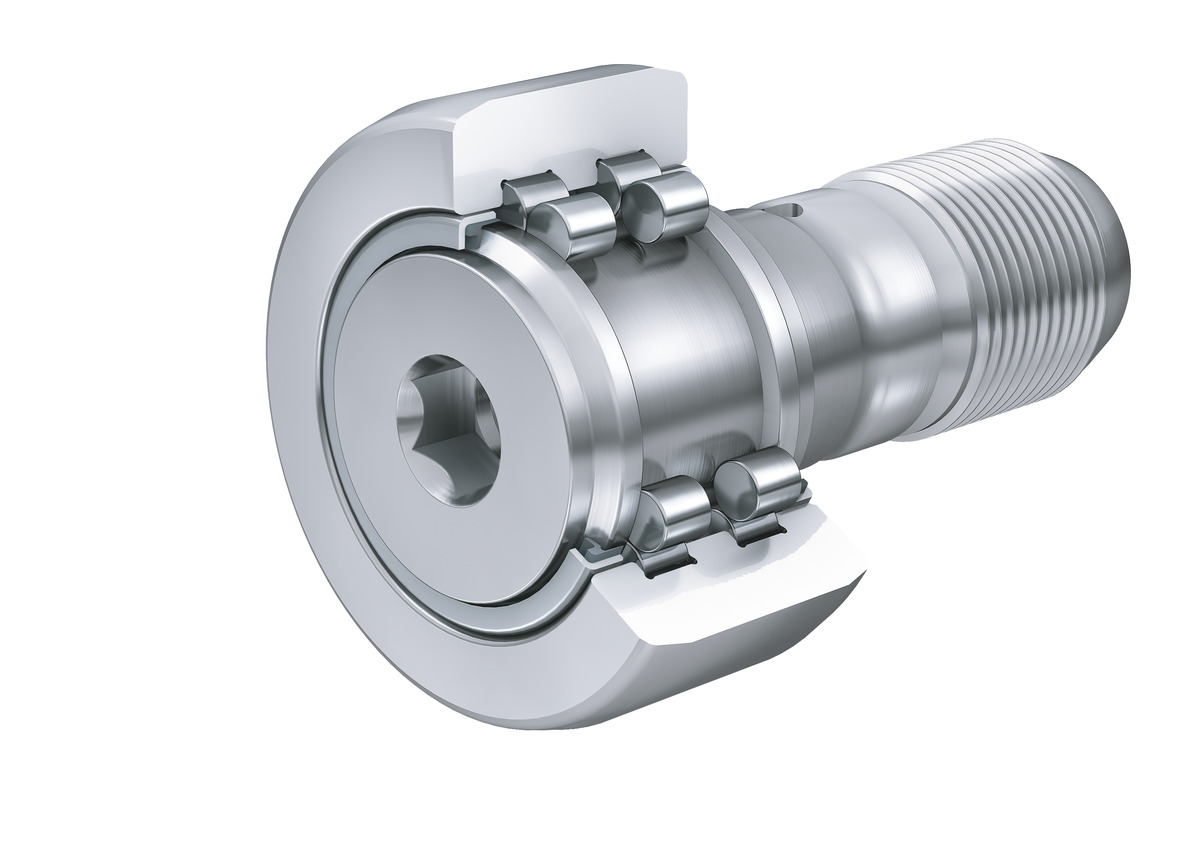
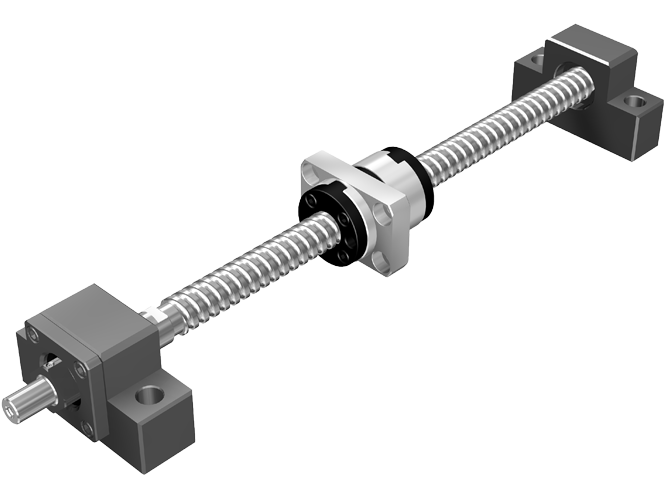
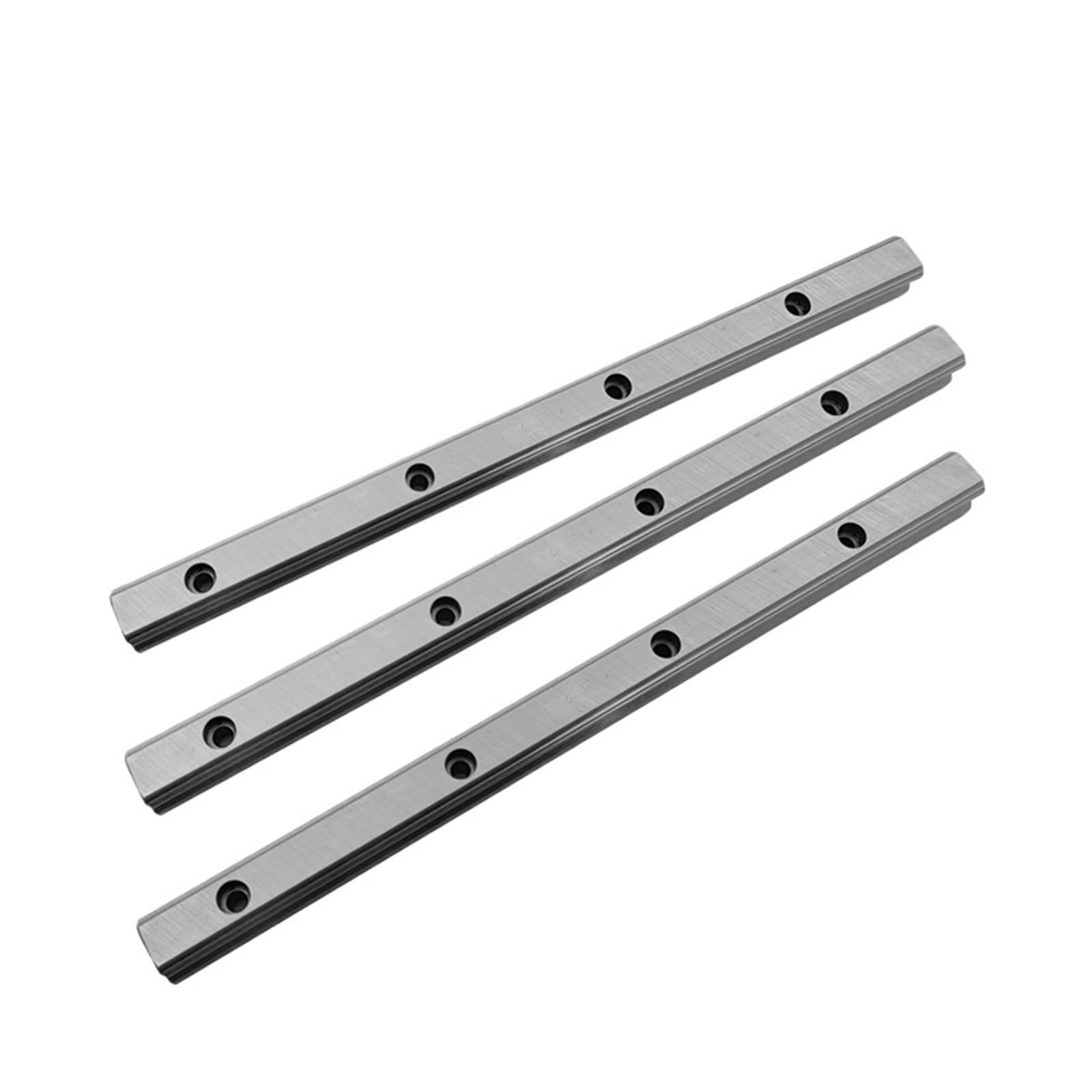
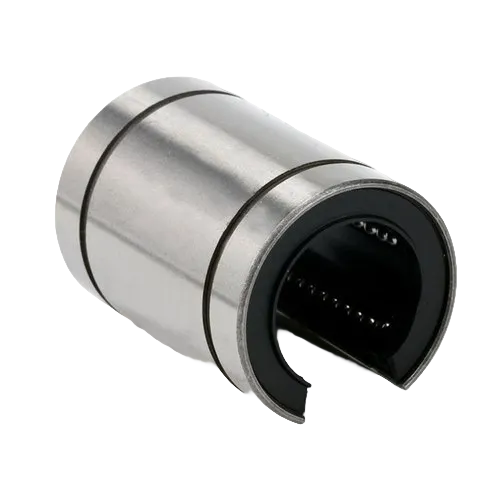
Linear bearings constrain motion to a single straight axis, carrying load while a shaft, rail, or carriage translates with minimal friction. They are the motion element behind CNC axes, automation gantries, packaging machinery, medical devices, and 3D printers, where positioning accuracy and smooth travel matter more than raw rotational speed. The family splits into several variants. Linear ball bushings (recirculating ball, to ISO 12090 envelope conventions) run on hardened round shafts and suit moderate loads with self-alignment options. Profiled linear guide rails with recirculating ball or roller blocks offer higher rigidity and moment capacity, typically specified by rail size (15-45 mm) and accuracy/preload class. Plain linear bushings (DU/PTFE-lined or bronze) handle dirty or lubrication-starved environments. Crossed-roller and cam-follower designs serve short-stroke, high-stiffness needs. Key specifications are dynamic and static load ratings (C, C0), accuracy grade, preload class, and rated travel life. Shaft and rail materials are commonly hardened bearing steel (typically around 58-62 HRC) or 440C/AISI 440 stainless for corrosion resistance; balls are 52100 chrome steel or ceramic in hybrid builds. Carriages may carry wipers, scrapers, and integral lubrication ports to extend service life in contaminated settings. Tolerances follow the relevant ISO and supplier envelope standards, with preload and parallelism verified on assembly. Through Himalay, partner manufacturers can typically supply material certificates to EN 10204 3.1 where specified, hardness and dimensional inspection reports, and RoHS/REACH declarations for export. CE marking under the Machinery Directive applies at the machine level rather than the component, and any required surface or corrosion treatments are coordinated as part of the standard order flow.