Laboratory Chemicals, Reagents & Catalysts
Source laboratory chemicals, reagents & catalysts from India's verified manufacturers and exporters on Himalay. Browse analytical grade reagents, titration reagents, analytical standards, alcohol reagents and ketone reagents for industrial and export applications.
Browse Laboratory Chemicals, Reagents & Catalysts by Type
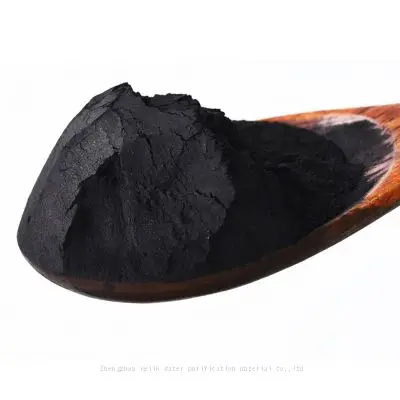
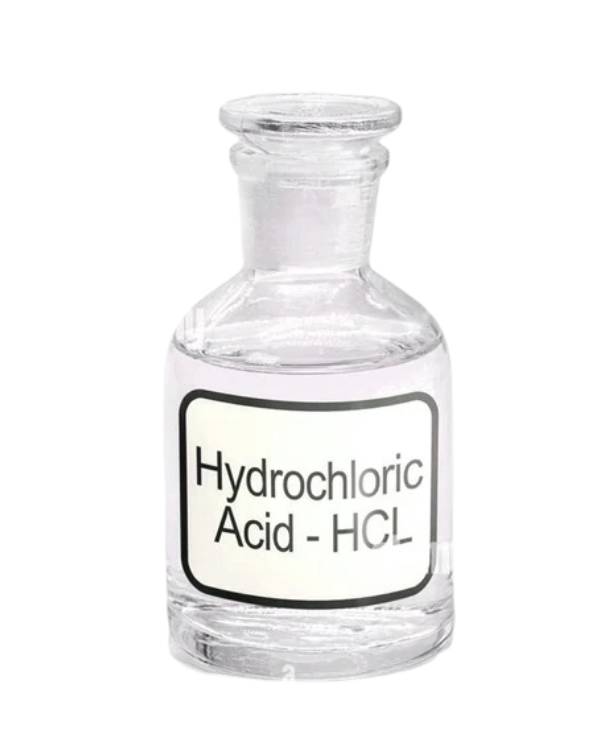
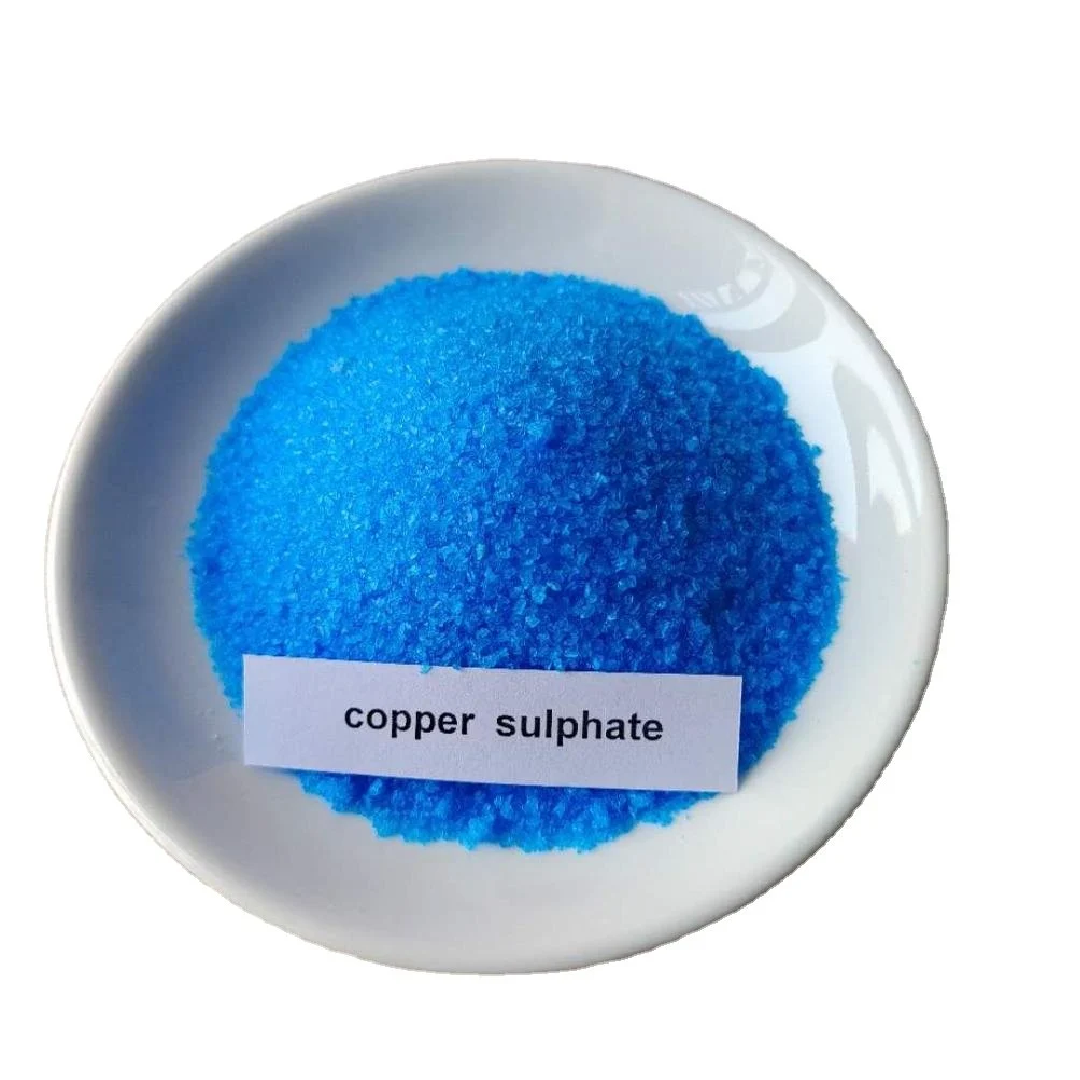
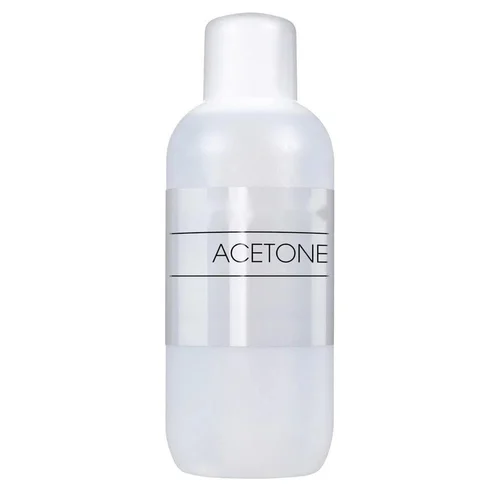
About Laboratory Chemicals, Reagents & Catalysts
Laboratory chemicals and reagents cover the higher-purity, smaller-package chemicals used in analytical, synthesis, QC, research, and educational laboratories worldwide. Unlike commodity industrial chemicals where volume is large and purity is a price point, laboratory chemicals are specified by stringent purity grades, trace-impurity profiles, and batch-to-batch consistency — and sold in smaller units (grams to kilograms, or single-litre bottles to drums) with correspondingly higher per-unit prices.
Purity grades follow established conventions: AR/ACS (Analytical Reagent / American Chemical Society grade — high purity suitable for analytical work and general synthesis, typically >99% main component, with specific impurity limits published per substance); GR (Guaranteed Reagent, European equivalent); HPLC (High Performance Liquid Chromatography grade — additional purification to remove UV-absorbing impurities that would interfere with chromatography, typical for solvents used as HPLC mobile phases); LC-MS (mass spectrometry grade — additional purification to remove ionic contamination); pharmaceutical grade (USP, EP, BP, JP, IP — compendial compliance for pharmaceutical manufacturing); reagent-grade water (Type I ASTM / Milli-Q, Type II, Type III — for different laboratory uses); and specialty grades (sequencing-grade, peptide-synthesis-grade, trace-metal-grade).
Indian laboratory-chemical manufacturers include SRL, Loba Chemie, Qualigens, Himedia, and dozens of specialty-chemical producers serving both domestic and export markets. For branded international catalogue reagents (Sigma-Aldrich, Merck Millipore, Thermo Fisher, VWR), Himalay's supply goes through the authorised distribution channel. Indian-manufactured equivalents offer 30–60% cost savings at analytical-grade quality, with the quality gap narrowing year-on-year as Indian producers invest in purification capacity.
Product families: general inorganic salts and solutions (volumetric standards, pH buffers, redox indicators); organic reagents (solvents, acids, bases, synthesis building blocks); analytical standards (certified reference materials, pharmacopoeial standards); buffers and biological chemicals (Tris, HEPES, PBS, cell-culture media); stains and dyes (microscopy, histology, electrophoresis); silica and chromatography media; acids and solvents in glass-bottled high-purity formats.
Packaging is smaller-scale than commodity chemicals: glass bottles (25 mL–5 L), plastic bottles (250 mL–25 L), amber glass for light-sensitive reagents, DOT-approved shipping cartons with foam inserts, refrigerated packaging for heat-sensitive materials. Dangerous-goods classification applies (Class 3 flammable solvents, Class 8 corrosive acids, Class 6.1 toxic reagents), with IMDG for sea and IATA for air — many higher-value lab chemicals ship by air for faster delivery and temperature control.
Documentation is demanding: every bottle ships with a Certificate of Analysis listing batch number, purity assay, water content (Karl Fischer), specific impurity levels per the grade specification, and shelf life. Safety Data Sheets per GHS/CLP/OSHA standards. For pharmaceutical use: full compendial certification (USP/EP/BP/JP), manufacturing-facility GMP documentation where applicable, and DMF (Drug Master File) references for regulated substances.