One Year After Liberation Day Tariffs: 85,000 US Jobs Lost and a Restructured Global Trade Map
A year on, the Supreme Court struck down the reciprocal tariffs but 50% Section 232 metal duties remain, reshaping global trade flows toward India, Vietnam, and Mexico.
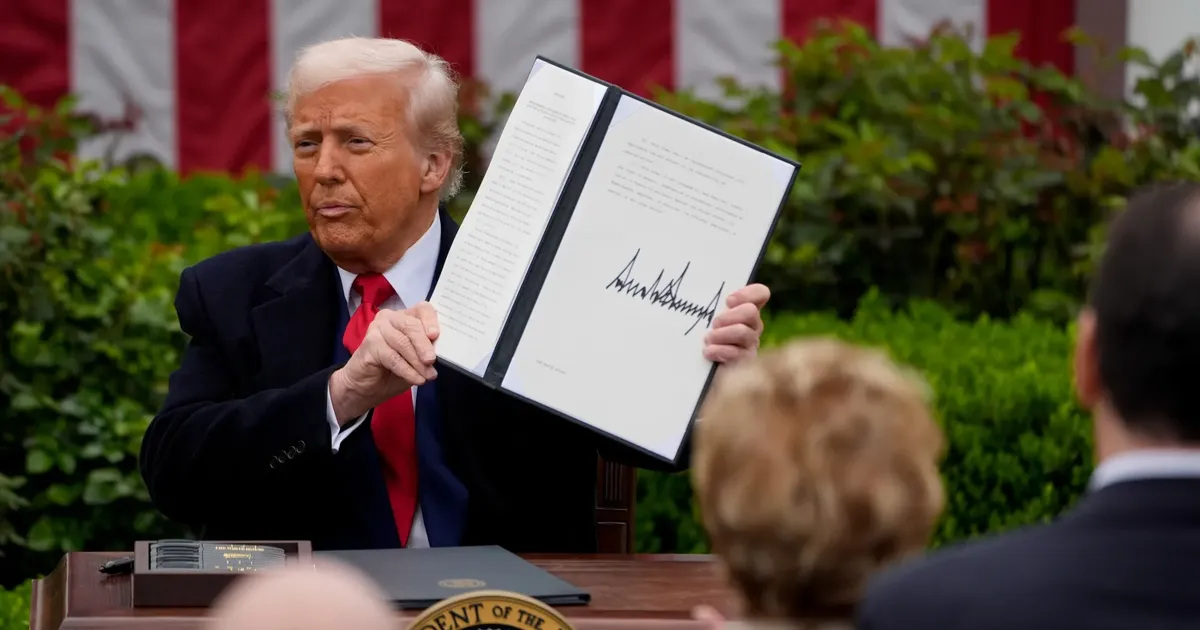
One year after the imposition of the Liberation Day tariffs, the US Supreme Court has struck down the broad reciprocal tariff regime as exceeding presidential authority (ruling issued February 2026). However, Section 232 tariffs on steel, aluminum, and copper remain in effect at 50%, doubled from their original 25% level under Presidential Proclamation 9980 (as amended, published in the Federal Register). The US Bureau of Labor Statistics' Current Employment Statistics (CES) survey reports that over 85,000 jobs have been lost in tariff-affected sectors since the policy took effect.
The direct impact on US industry is well documented. The less-examined consequence is the restructuring of global trade flows that the tariffs set in motion.
US Aluminum Market Distortion
Aluminum prices on the London Metal Exchange reached $3,465 per metric ton as of Q1 2026. US domestic smelting capacity covers only 15% of the gap between domestic production and domestic demand, according to the US Geological Survey's Mineral Commodity Summaries 2025 and the Aluminum Association's 2025 industry statistical review.
The 50% Section 232 tariff on a metal the US cannot produce in sufficient quantities has resulted in US buyers paying 30 to 40% premiums over global benchmark prices. The global aluminum market has effectively bifurcated into a US domestic tier (inflated by tariffs) and a rest-of-world tier priced at or near LME benchmarks.
Aluminum exports from non-US sources to markets outside the United States have accelerated as buyers seek supply unaffected by the Section 232 premium.
Global Trade Rerouting
The sustained US tariff regime has driven structural changes in global trade flows. Vietnam, Mexico, and India have seen export growth during the period.
India's merchandise exports rose 5.7% year-on-year during the 12-month period following Liberation Day, according to the India Ministry of Commerce and Industry's Quick Estimates of Foreign Trade (April 2025 to March 2026). Metals and electronics are among the fastest-growing export categories to the EU and Middle East.
The mechanism operates through two channels. First, US tariffs on Chinese goods push Chinese manufacturers to compete more aggressively in non-US markets, increasing competitive pressure in those markets. Second, buyers in Europe and the Middle East facing intensified Chinese competition seek alternative suppliers across multiple countries including India and Southeast Asia.
The Peterson Institute for International Economics, in its 2026 policy brief "Trade Rerouting Under Sustained US Tariffs," notes that companies that shifted sourcing during the tariff period have completed supplier qualification processes and established logistics networks. These relationships represent sunk costs that make reversion to pre-tariff sourcing patterns unlikely even if tariff policy changes.
Commodity Price Transmission
The Section 232 tariffs affect global commodity pricing beyond the direct US market impact. Products containing significant steel, aluminum, or copper content have been repriced across markets. While the US price distortion is the most acute, global commodity benchmarks have shifted as supply and demand patterns adjust to the new tariff landscape.
Structural Shift
The Liberation Day tariffs have produced effects that extend beyond the tariffs themselves. Even with the Supreme Court striking down the reciprocal tariff framework, the Section 232 duties remain, and the trade rerouting they triggered has become self-reinforcing. Global supply chain restructuring driven by 12 months of sustained tariff pressure is not easily reversed by policy changes.
Sources: London Metal Exchange (LME) aluminum spot price data (Q1 2026); US Supreme Court reciprocal tariff ruling (February 2026); Section 232 tariffs under Presidential Proclamation 9980 (as amended), US Federal Register; India Ministry of Commerce and Industry, Quick Estimates of Foreign Trade (April 2025-March 2026); US Bureau of Labor Statistics, Current Employment Statistics (CES) survey; US Geological Survey, Mineral Commodity Summaries 2025; Aluminum Association, 2025 industry statistical review; Peterson Institute for International Economics, "Trade Rerouting Under Sustained US Tariffs" policy brief (2026).
Anurag Deherkar
Writes on cross-border trade, export compliance, and how Indian MSME manufacturers can compete globally. Building Himalay.io to connect quality-assured Indian suppliers with international buyers.
Related insights
.webp) Market Intelligence
Market IntelligenceIndia's MSMEs Account for 48.6% of Merchandise Exports, but Fewer Than 1% of Firms Participate in Trade
 Demand Signal
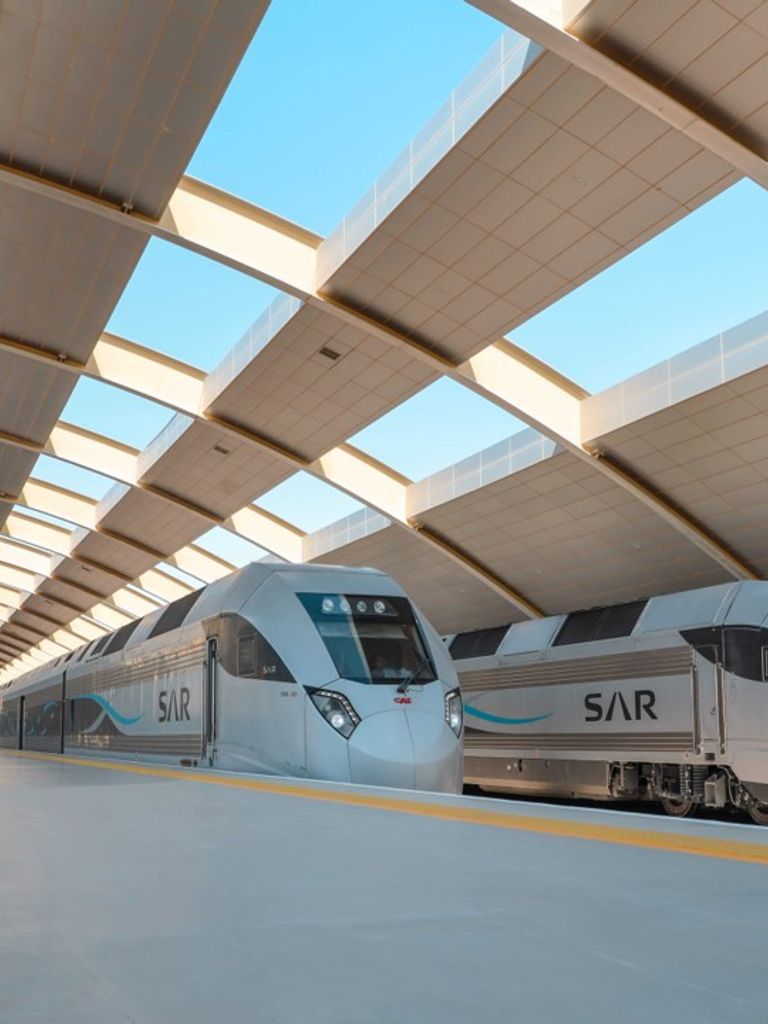
Saudi Arabia Opens Tender for 672km Railway Linking GCC Network's Final Gap
 Market Intelligence